
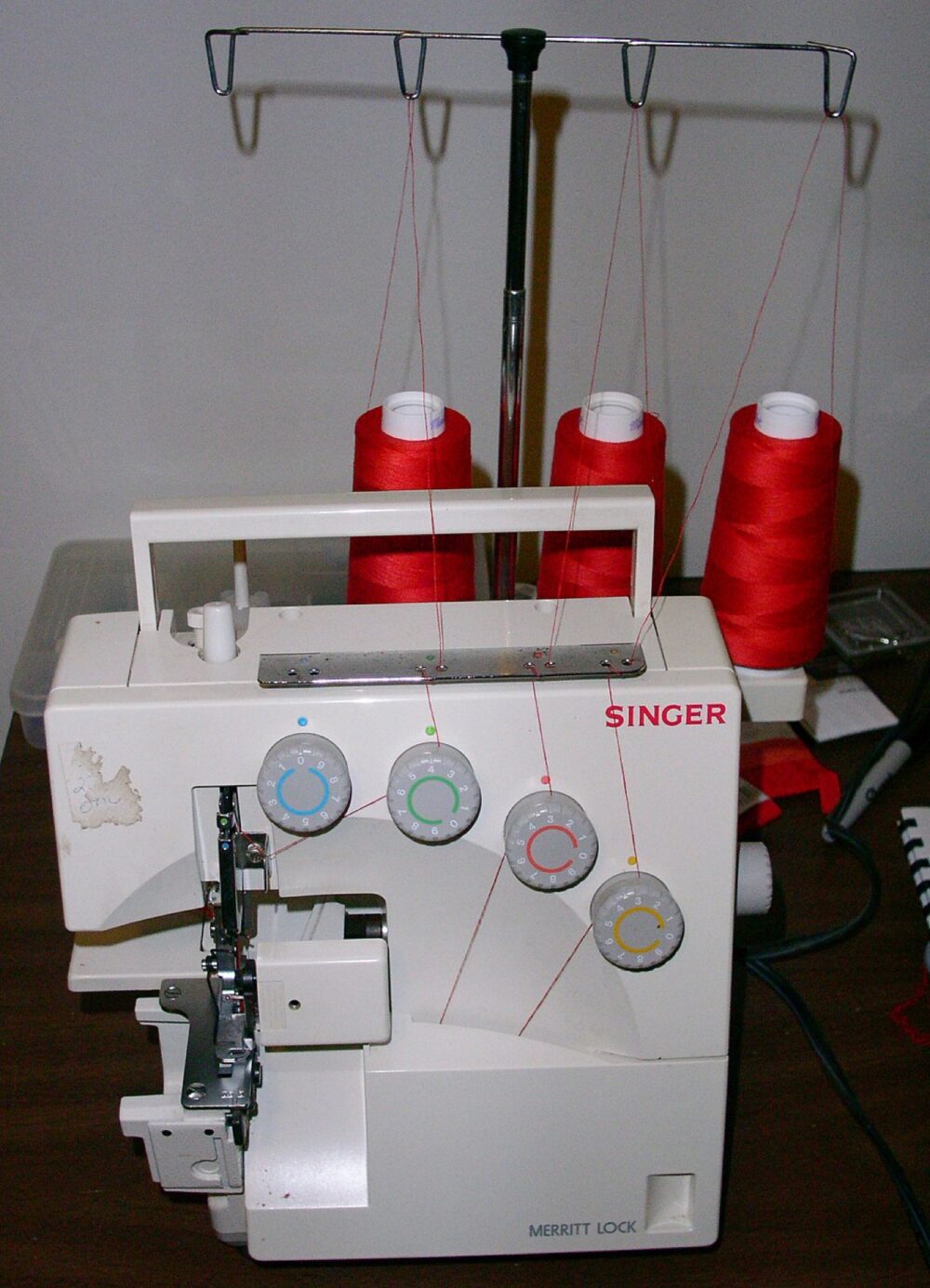
DHgate can surface a mix of basic home sergers and heavier industrial overlocks, but our research didn’t verify any specific five‑thread machines there. That’s why the workflow below focuses on how you would search, filter, and vet listings – and how to recognize when DHgate simply isn’t giving you what you need.
What a Five-Thread Overlock Machine Is and Why Buyers Look for It
A true five‑thread overlock machine is built to sew a “safety stitch” seam: two threads form a straight chain or lockstitch, while three threads create an overedge finish that wraps the fabric edge. In garment production, this combination gives both seam strength and a clean edge in one pass, and it’s typically considered industrial equipment rather than a hobbyist tool.
Industrial models in this category are often associated with manufacturers like Juki and are common in factory or workshop settings where you’re running knitwear, jeans, or workwear at volume. You’ll see them referenced in rental lists and used‑machine classifieds as “5‑thread safety stitch” overlocks, which is a useful phrase to carry into your DHgate searches.
For a US home sewist, a five‑thread machine may be overkill; a 3‑ or 4‑thread serger will usually handle finishing edges. Small ecommerce brands that produce or alter garments at scale, or that want factory‑style safety seams on all inventory, are the ones who usually step up to five‑thread gear and might consider cross‑border sourcing to save on upfront cost.
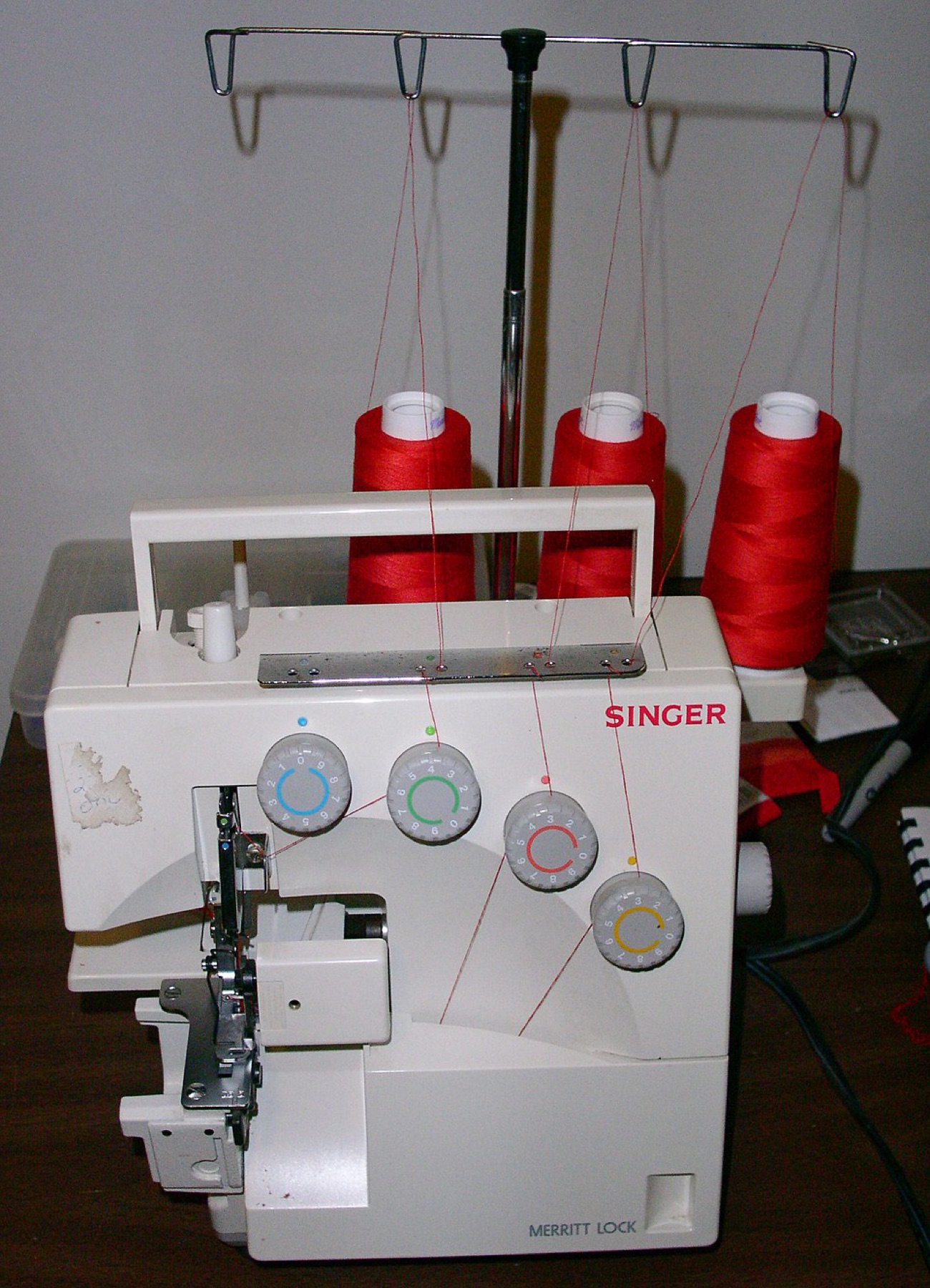
Turning Your Overlock Requirements into DHgate Search Filters
If you just type “sewing machine” into DHgate, you’ll drown in unrelated listings. You need to translate your technical requirements into search terms and a short checklist you use on every product page.
Here’s a practical way to do it:
- Start with targeted keywords in the search bar
On DHgate’s homepage use phrases like:
- `”5 thread overlock”`
- `”five thread safety stitch”`
- `”industrial overlock sewing machine”`
- `”safety stitch overlock”`
Try variations with and without hyphens and quotation marks; DHgate’s search can match loosely, so you’re experimenting to see what categories and sellers appear.
- Use general filters to reduce noise
- Read the listing specs like a tech sheet
DHgate’s shopping guide explains that each product page typically includes specifications, images, prices, and seller ratings. For a five‑thread overlock, your spec checklist should include:
- Number of threads/needles: The description should explicitly say five threads or a 2‑needle + 3‑looper configuration. Vague phrases like “multi‑thread overlock” are a red flag.
- Stitch type: Look for “safety stitch,” “safety overlock,” or mention of a combined chain/overedge seam.
- Intended use: Industrial, factory, or workshop language is more promising than “home sewing” or “beginner serger.”
- Motor and table: Many industrial five‑thread models ship with a separate motor and stand; a compact plastic shell suggests a home serger.
If any of these points are missing or unclear, treat that as an open question, not as implied support for your requirements.
- Visually inspect the product photos
Zoom into the head of the machine:
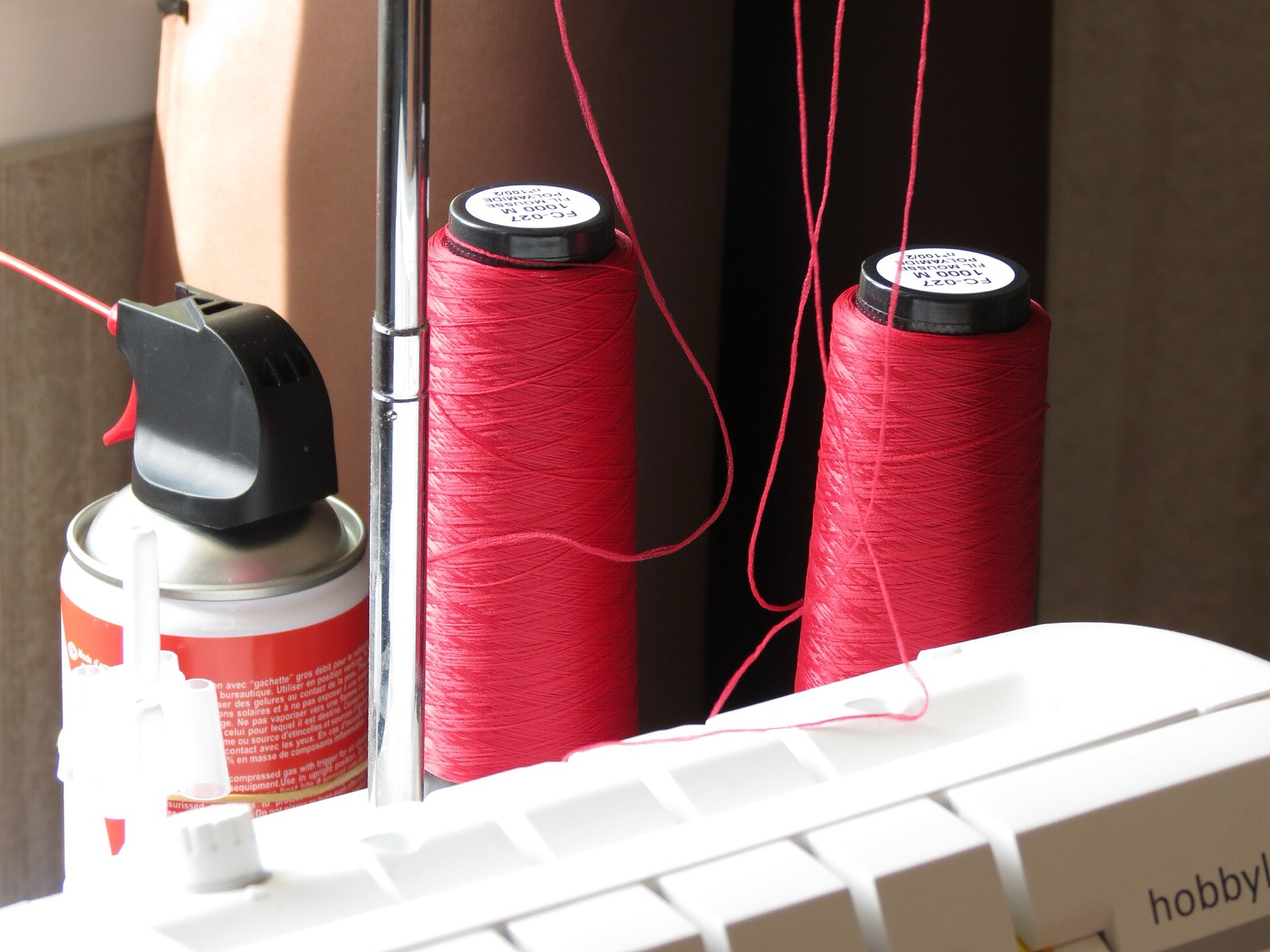
- Do you see two needles and a complex looper area that plausibly supports five threads?
- Are there thread cones and tension dials clearly set up for five threads, or just three/four?
- Does the sample seam shown in photos look like a safety stitch (straight seam plus overedge) or just a standard overlock edge?
If photos only show the outer shell, ask the seller for close‑ups.
- Compare multiple listings side by side
DHgate’s blog encourages buyers to compare prices and reviews across sellers offering similar products. For machinery, you’re comparing:
| Checkpoint | Listing A (editorial example) | Listing B (editorial example) | What you’re looking for |
|---|---|---|---|
| Threads/needles claimed | “5‑thread” in title only | “5‑thread safety stitch” in specs | Clear, repeated confirmation in specs, not just title |
| Photos of stitch type | Only machine body | Close‑up of seam on fabric | Visible safety stitch seam on woven or knit fabric |
| Use case description | “home serger” | “industrial garment factory” | Industrial language for true five‑thread models |
| Seller rating & reviews | Few sales, no reviews | History plus detailed reviews | Evidence that others bought similar machines |
This table is editorial, but it shows the pattern you’re after: consistent five‑thread language, supporting photos, and a seller with a track record.
Verifying Sellers, Listings, and When to Pivot Off DHgate
For a heavy overlock machine, you probably won’t order a full sample unit just to test it, but you can use the same logic more surgically:
- Check ratings and feedback in detail
Look at the seller’s star rating, the number of completed transactions, and the text of reviews. You want to see feedback on machinery or sewing equipment, not just small consumer goods. If reviews are thin or generic, you’re taking on more risk.
- Use DHgate messaging to ask precise questions
Don’t just ask “Is this five‑thread?” Send a short list:
- Confirm exact thread/needle configuration and stitch types.
- Ask for close‑up photos or a short video showing the machine threading and sewing a safety stitch.
- Ask whether the motor and voltage are suitable for US use or if you’d need a transformer.
DHgate’s blog encourages buyers to communicate directly with sellers; for complex machinery, this is where you either gain confidence or decide to walk away.
- Treat vague or slow answers as a serious risk signal
If the seller can’t or won’t provide technical detail or clear media of the machine in operation, that’s a strong sign they may be mislabeling a simpler overlock or don’t understand the product themselves.
- Reserve bulk or business orders for verified machines
For small ecommerce brands, DHgate’s component‑sourcing guidance suggests ordering samples before committing to larger orders. With overlock machines, that might mean starting with one unit, thoroughly testing it in your workflow, and only then considering additional purchases.
When DHgate Isn’t the Right Channel
Because our research didn’t confirm any specific five‑thread listings on DHgate, you should be ready to pivot if the platform can’t give you clarity. Consider switching channels when:
- Search results keep surfacing 3‑ or 4‑thread sergers despite your filters and questions.
- Listings never show explicit five‑thread safety‑stitch specs, even after messaging.
- Sellers avoid technical questions or can’t supply photos or video proof.
In those scenarios, a local industrial sewing machine dealer, used‑equipment classifieds, or other well‑established machinery marketplaces may be more appropriate, especially if you need installation support or service. DHgate remains useful as a discovery and communication tool, but for a mission‑critical industrial purchase, lack of clear evidence is your cue to stop and look elsewhere.
If you’re new to the platform itself, it can help to first understand what DHgate is and how the marketplace works, and then learn how to find trusted sellers on DHgate before you apply the machine‑specific checks above. For any high‑value import, run through an order‑readiness checklist so you’re clear on specs, power requirements, and your backup plan if DHgate doesn’t deliver the right machine.