
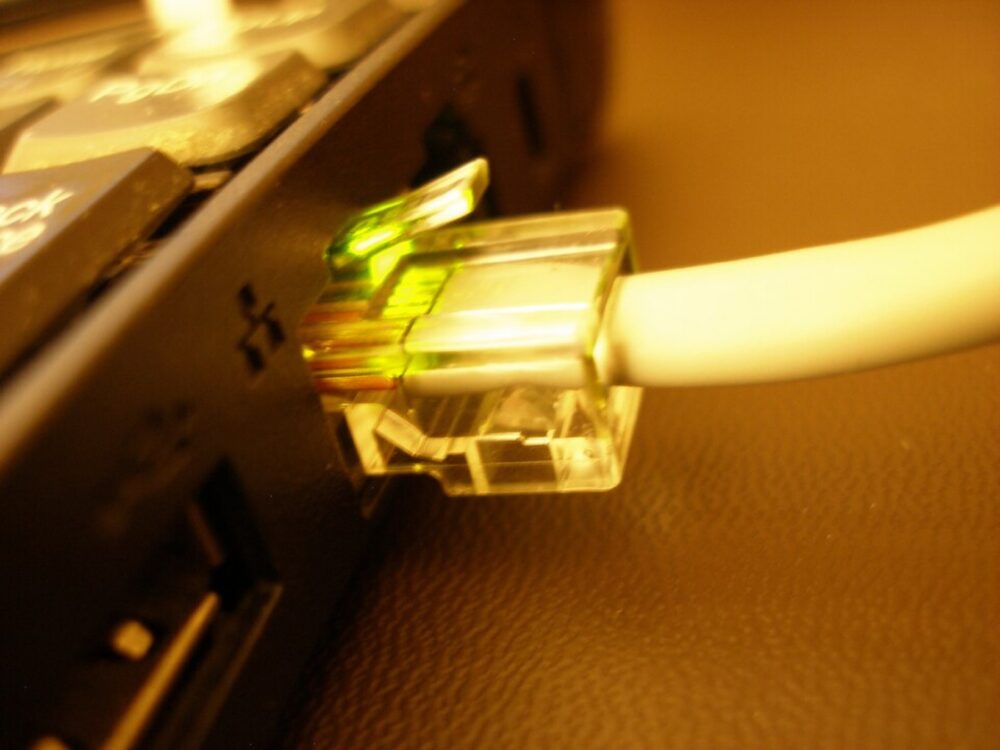
If you’re in the US and need 75‑foot Ethernet cables, the most straightforward sources are mainstream retailers and IT suppliers that clearly label cable type (Cat5e, Cat6, Cat6a) and length. Walmart, Home Depot, Best Buy, and business‑oriented sites like Connection.com all list 75 ft Ethernet patch cables online. Marketplaces such as eBay add more off‑brand and surplus options. DHgate is mainly relevant when you want bulk, cross‑border sourcing of 75 ft cables directly from suppliers in China; you may see lower unit pricing, but you must verify each seller and listing carefully instead of treating it like a simple domestic retail checkout.
Before you pick a channel, it helps to be clear about what a 75 ft run has to handle and which cable type fits your setup.
What a 75‑Foot Ethernet Cable Is Used For and When Length Matters
A 75‑foot Ethernet cable is a twisted‑pair network cable with RJ45 connectors that links devices like routers, switches, PCs, game consoles, or access points over roughly 23 meters of distance. At that length, typical uses include:
- Running a line from a living‑room router to a gaming PC in a bedroom.
- Jumping between office rooms without installing in‑wall cabling.
- Bridging a small warehouse, workshop, or retail back office to the main network closet.
Ethernet standards in copper (Cat5e, Cat6, Cat6a and similar) are generally designed for runs up to about 100 meters, so 75 ft is well within normal limits. Still, as length increases, your installation becomes more sensitive to cable category, interference, and build quality.
Two practical implications at 75 ft:
- Speed expectations: If your internet plan or local network is at or above 1 Gbps, lower‑grade or poorly made cables can become the bottleneck. You want at least Cat5e that supports Gigabit, and many buyers default to Cat6 for extra headroom.
- Avoid daisy‑chaining short cables: You can technically connect multiple patch cables with couplers to reach 75 ft, but that adds points of failure and can reduce performance. It’s better to use a single 75 ft cable with the right category and shielding than to chain several shorter ones.
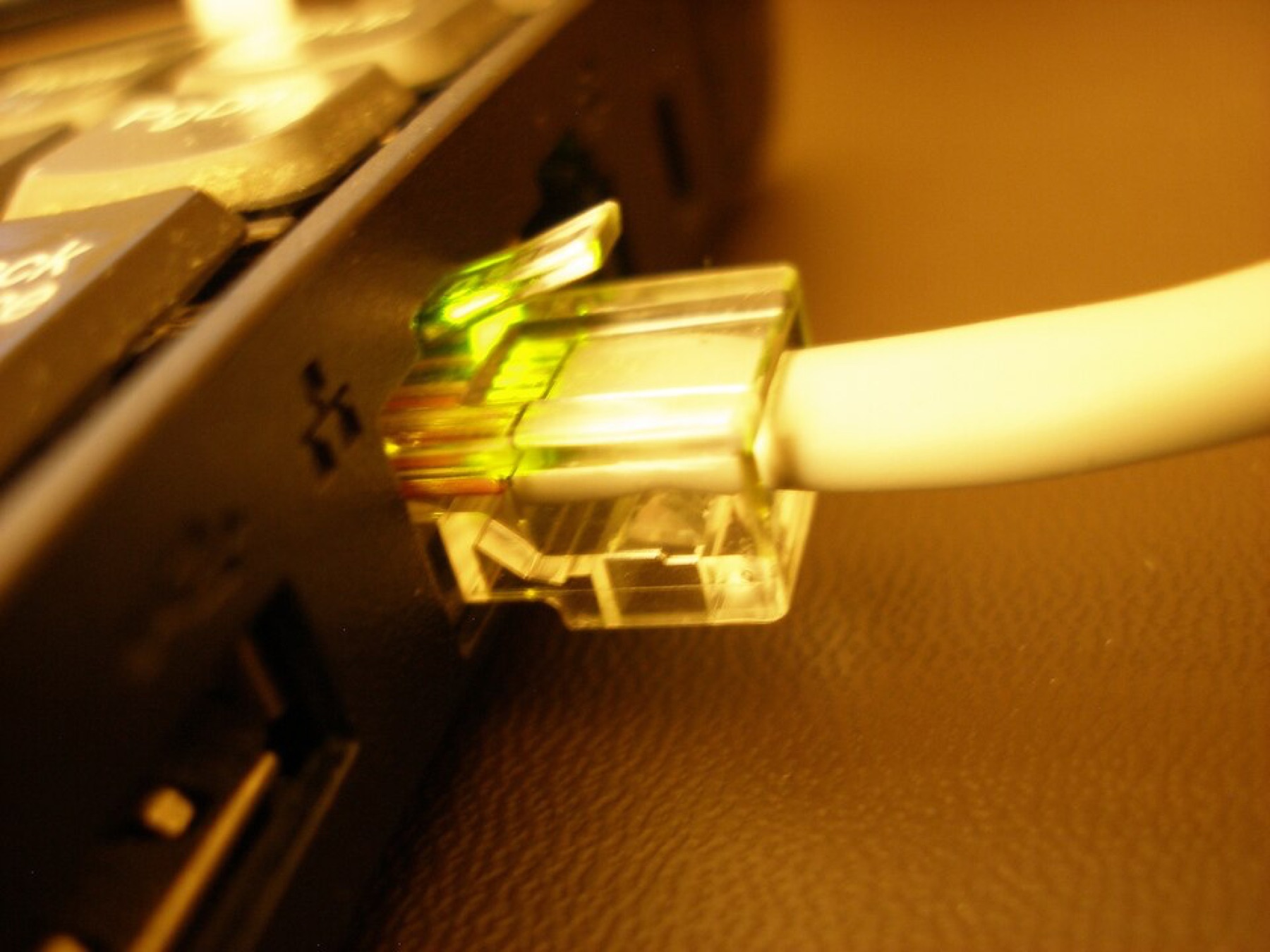
Types of 75‑Foot Ethernet Cables and How to Match Them to Your Setup
For a 75 ft run, cable category and shielding matter more than brand marketing. A DHgate editorial guide on Ethernet basics explains how Cat5e, Cat6, and Cat7/6a differ in bandwidth and practical distance, and how shielding helps in noisy environments.Understanding Ethernet cable categories and shielding
Cat5e vs Cat6 vs Cat6a/Cat7
- Cat5e: Common and inexpensive. Suitable for most home and small office networks at 75 ft, especially when speeds are around or below 1 Gbps and usage is light (browsing, HD streaming, basic POS systems).
- Cat6: Higher bandwidth than Cat5e and designed with faster speeds in mind. Cat6 can support higher data rates (often up to 10 Gbps on shorter runs), and at 75 ft it’s a strong default for gaming, 4K streaming, or heavier office workloads where you want reliable Gigabit and some future‑proofing.
- Cat6a / Cat7: Built for higher frequencies and more demanding setups, with designs that can support 10 Gbps over longer distances (up to around 100 m for Cat7 in many scenarios). These categories often shine in environments with lots of interference or data‑center‑style loads. For a typical home or small office 75 ft run, they’re usually optional rather than required.
Shielded vs unshielded for a 75 ft run
- UTP (unshielded twisted pair): Most household and office patch cables use UTP. It’s fine if your cable will run along walls, baseboards, or through areas with minimal electrical noise.
- Shielded (STP/FTP): Adds a protective layer around the twisted pairs to reduce interference. This is worth considering if your 75 ft path passes near motors, fluorescent lighting, large power bundles, or other heavy electrical equipment.
Scenario‑based picks
- Home gaming or streaming at Gigabit: 75 ft Cat6 UTP.
- Basic home internet or light office use: 75 ft Cat5e or Cat6, depending on how much future speed you expect.
- Small business wiring near noisy equipment: 75 ft Cat6 shielded (STP/FTP).
- Resale or small ecommerce inventory: Prioritize clearly labeled 75 ft Cat6 cables (category, length, RJ45 connectors, shielding type) for broad compatibility.
Best Places to Buy 75‑Foot Ethernet Cables Online (US Retailers, B2B Suppliers, Marketplaces, and DHgate)
1. Major US retailers (fast, simple single‑cable purchases)
Big‑box retailers are the easiest path if you just need a cable that works and prefer familiar checkout flows:
- Walmart: The business portal lists multiple 75 ft Cat6 Ethernet cables, such as Maximm and onn‑branded patch cords.75 ft Cat6 LAN cord examples at Walmart Business
- Home Depot: Its online catalog includes 75 ft Ethernet cables generally positioned for home and small office use.75 ft Ethernet cable category at Home Depot
- Best Buy: The Ethernet cable search page surfaces a mix of lengths, including longer patch cables like 75 ft alongside common shorter options.Ethernet cable search page at Best Buy
These retailers tend to provide:
- Clear labeling for cable category (Cat5e, Cat6) and length.
- Straightforward returns and local pickup/ship‑to‑home options.
They’re well suited to buyers who want one or a few cables quickly, with minimal research.
2. B2B IT suppliers (branded cables and office installs)
Business‑focused IT suppliers stock 75 ft cables with more detailed technical specs and part numbers, which is useful for office networks and client work.
For example, Connection.com lists branded 75 ft Cat6 patch cables from vendors like Belkin and StarTech, aimed at business and IT buyers.Example 75 ft Cat6 Belkin patch cable on Connection.com
This channel is ideal if you:
- Need consistent behavior and documentation across multiple installations.
- Care about part numbers, spec sheets, and vendor support more than squeezing every dollar of savings.
3. Peer marketplaces like eBay (surplus stock and odd variants)
Marketplaces such as eBay often carry 75 ft Ethernet cables from smaller brands, surplus sellers, and individuals. You can find:
- Less common colors or flat cable designs.
- Bundles that mix several lengths, including 75 ft.
Because listing quality varies, these channels require more careful reading of specs:
- Confirm cable category (Cat5e vs Cat6 vs higher).
- Check whether the cable is new or used.
- Verify shielding and connector type (standard RJ45).
4. Cross‑border wholesale via DHgate (bulk and OEM‑style sourcing)
DHgate operates as a wholesale‑oriented marketplace connecting buyers worldwide to manufacturers and distributors in China.DHgate’s wholesale marketplace context It becomes relevant when you:
- Want bulk quantities of 75 ft Ethernet cables for resale or multi‑site deployments.
- Are open to OEM‑style sourcing, such as unbranded or private‑label cables.
With DHgate and similar cross‑border marketplaces:
- Listing details and seller reliability can vary, so you need to check each offer for category, length tolerance, shielding, materials, and connector type.
- Treat every seller as a separate business: compare spec sheets, ask pre‑sale questions about performance expectations, and review buyer feedback.
For more on how to evaluate listings and seller signals on this platform, see Find trusted sellers on DHgate and the DHgate order‑readiness checklist before checkout.
Channel comparison for 75 ft Ethernet cables
Here’s a concise, evidence‑based snapshot of where each channel tends to fit:
| Channel type | Best for 75 ft runs | Typical categories/stock | Buyer effort level |
|---|---|---|---|
| Big‑box US retail (Walmart, Home Depot, Best Buy) | Single home/office runs, quick replacements | Common 75 ft Cat5e/Cat6 patch cables from house and third‑party brands | Low |
| B2B IT suppliers (Connection.com) | Office installs, client projects, branded cables with part numbers | Branded 75 ft Cat5e/Cat6 patch cables aimed at business networks | Low–medium |
| Peer marketplaces (eBay) | Surplus, unusual colors/forms, mixed‑length bundles | Mixed brands and conditions; 75 ft listings vary in category and quality | Medium |
| Cross‑border wholesale marketplaces | Bulk/OEM sourcing, resale inventory | Volume‑oriented Cat5e/Cat6 listings from manufacturers and distributors | High (spec and seller verification) |
Short 75‑Foot Buying Checklist
Before you place an order, use this length‑specific checklist:
- Confirm cable category: For 75 ft, default to Cat6 if you care about gaming, 4K streaming, or office performance; accept Cat5e only for truly basic use.
- Shielding vs route: If the cable will cross areas with heavy electrical equipment or dense power bundles, look for shielded options; otherwise UTP is usually sufficient.
- Measure the path: Include corners and detours so 75 ft is enough without pulling the cable tight. Avoid daisy‑chaining shorter cords.
- Match channel to volume and risk tolerance:
- One or a few cables for home or office → big‑box retail or B2B IT suppliers.
- Dozens or more cables for resale or rollout → cross‑border marketplaces like DHgate can be viable, but budget time for seller vetting and spec confirmation.
Once you’ve decided on cable category, shielding, and volume, choosing between Walmart, Home Depot, Best Buy, Connection.com, eBay, or DHgate becomes a straightforward channel‑selection decision instead of a guessing game about performance.