
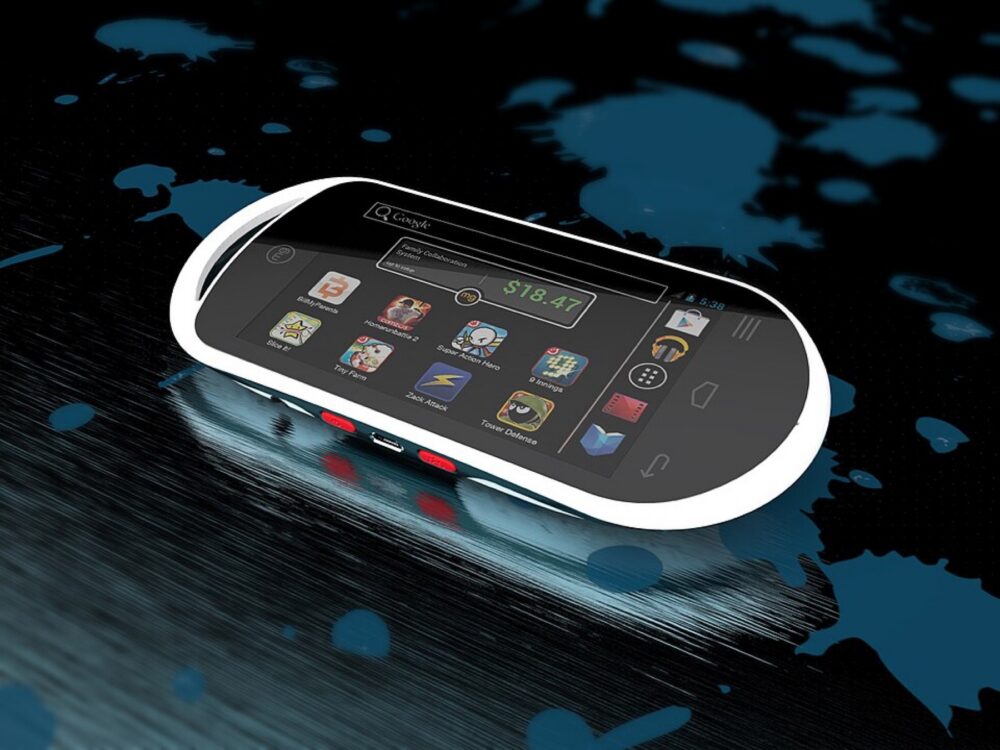
GameGirl isn’t a mass‑market console like a Switch or Steam Deck. It started as a DIY Raspberry Pi handheld, so you rarely see an official “GameGirl” product listing. Most buyers either assemble a build themselves from generic parts or buy something GameGirl‑like: a TikTok‑branded clone or a generic retro emulation handheld. You’ll see those on big marketplaces and social platforms (Amazon, AliExpress, TikTok Shop) and sometimes on Chinese sites like DHgate, but every listing is its own bet in terms of quality and accuracy, so you have to evaluate each one rather than expect an official standard.
If your goal is a true GameGirl, you’re really shopping for components and a project file. If you just want the look and vibe, broader channels carrying retro handhelds give you many more options—often at lower prices but with higher cross‑border risk and more work to verify what you’re getting.
What “GameGirl” Consoles Actually Are and Why They’re Hard to Find
GameGirl began as an open‑source Raspberry Pi handheld project, covered by maker communities like Hackaday, built around a Pi Zero and a small screen in a Game Boy–style shell. The idea was that anyone could follow the design, source parts, and build their own portable emulator. That means the original GameGirl exists as a design plus DIY builds, not as a factory‑produced console with a UPC and a stable retail channel.
Later, retro handheld makers and social‑commerce sellers picked up the name and aesthetic. Devices marketed as “GameGirl” or similar tend to be:
a finished emulation handheld inspired by the project’s look, or a generic retro console that a seller has simply labeled “GameGirl” to catch search traffic.
Because there isn’t a single official GameGirl brand managing inventory, you won’t find a reliable category like “Nintendo GameGirl” or a consistent part catalog. Instead, you’ll see:
DIY guides and forums referencing the original Pi build scattered TikTok, AliExpress, or marketplace listings with GameGirl in the title * generic retro handhelds that look similar but don’t mention GameGirl at all
So your first decision is conceptual: do you care about building something close to the original open‑source design, or are you comfortable with any GameGirl‑style handheld that plays retro games and looks cute?
Main Types of GameGirl‑Style Handhelds and Parts
Because “GameGirl” isn’t a single product line, it helps to think in types. That keeps your search terms and sourcing expectations realistic.
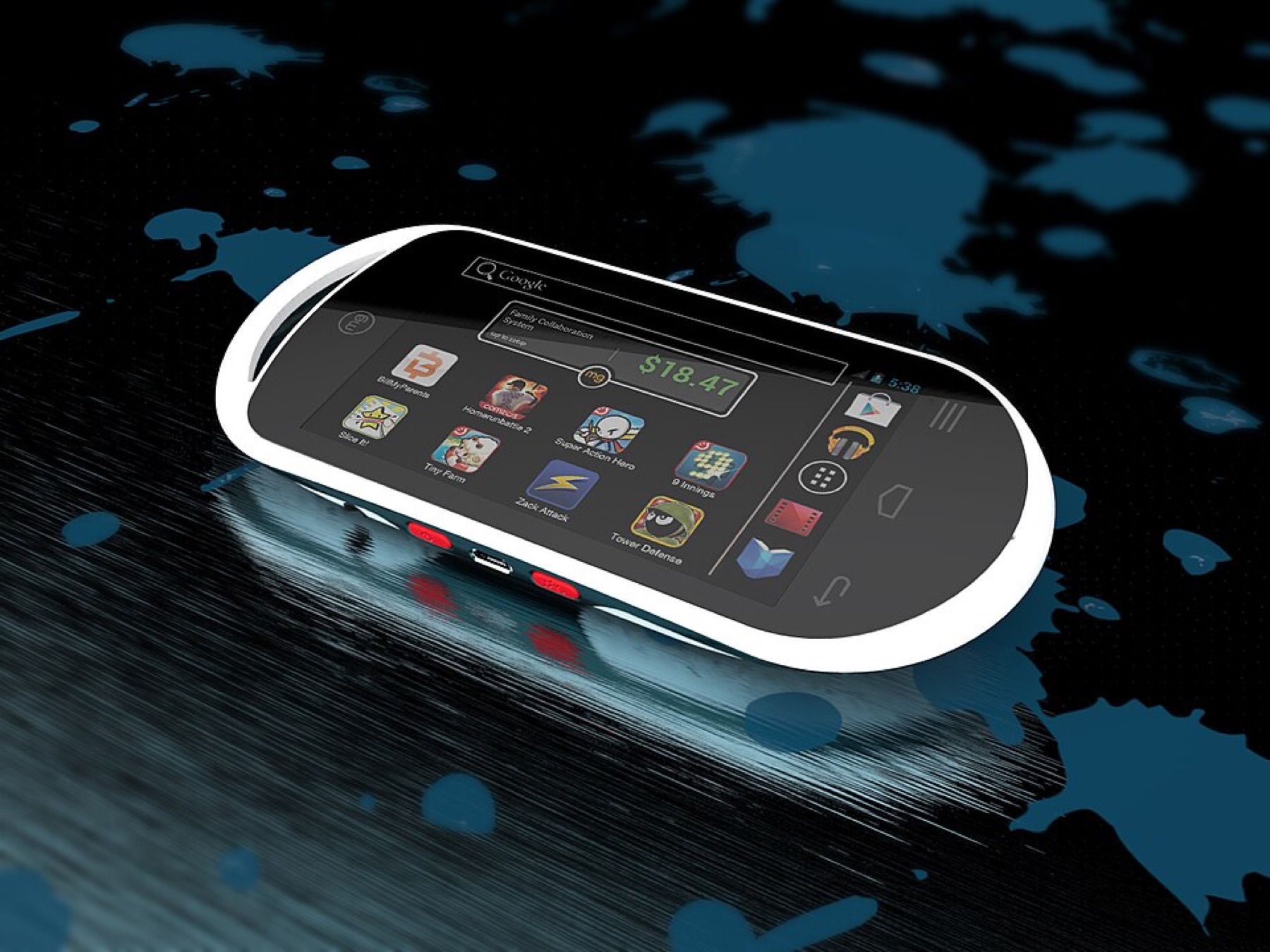
1. DIY Raspberry Pi GameGirl Builds
These are the closest to the original vision. You follow a project log (for example, a Pi Zero build with a 2.4″–3.5″ screen) and source:
Raspberry Pi board display module buttons and D‑pad battery, speaker, and power circuitry * 3D‑printed or CNC shell
Parts typically come from electronics distributors, generic marketplaces, and maker shops. The upside is full control over performance and layout; the downside is time, soldering, and trial‑and‑error.
2. DIY/Kit Hybrids
Some shops and individual sellers create kits that bundle most of the GameGirl‑style components—shell, buttons, screen, sometimes even a Pi carrier board—while leaving you to source the Pi and do the assembly.
These kits are easier for hobbyists and can make sense for small resellers catering to maker audiences, but availability is sporadic and usually limited to niche sites or short‑run batches.
3. TikTok‑Style GameGirl Clones
The term GameGirl shows up in reviews of social‑commerce handhelds: prebuilt devices sold via TikTok or similar channels that lean heavily on aesthetics and convenience. They’re usually:
fully assembled, with built‑in emulation firmware promoted with influencer videos * limited on specs transparency (CPU, RAM, exact emulators)
These can be attractive impulse buys or low‑effort retail inventory, but you trade away control and clear specs. Replacement parts can be hard to find, and support is hit‑or‑miss.
4. Generic Retro Emulation Handhelds
This is the broadest and most stable category—and where most volume lives. As documented in DHgateWiki’s handheld gaming overview, Chinese suppliers produce waves of retro handhelds that:
emulate classic systems (NES, SNES, PS1, sometimes more) use shells inspired by Game Boy‑like designs * rarely reference GameGirl, but deliver a similar use case
For cross‑border buyers and small ecommerce shops, these generic devices are usually cheaper per unit and easier to source in quantity than any labeled GameGirl console.
Common Accessories and Parts
Across all these types, the parts and accessories you might source include:
shells and button sets in retro colorways replacement screens and lens covers batteries, chargers, and USB‑C cables microSD cards for ROM storage
For DIY builds, make sure you match screen voltage and dimensions to the project specs. For finished clones or generic handhelds, parts compatibility is device‑specific—there’s no universal “GameGirl replacement screen” standard.
Best Online Channels to Source GameGirl‑Style Consoles and Accessories
Once you know whether you want a DIY build or a ready‑to‑play handheld, the next step is picking channels. Each plays a different role for US buyers and small resellers.
Here’s a compact view:
| Channel type | Typical GameGirl‑style products | Best for | Key trade‑offs |
|---|---|---|---|
| Maker/DIY sites & forums (Hackaday, Pi communities) | Project logs, BOMs, build photos | Authentic GameGirl‑style DIY builds | Time‑intensive; you must source every part and solve fit issues yourself |
| Big US retailers (Amazon, Walmart) | Generic retro handhelds; occasional kits | Fast delivery, easy returns for personal use | Fewer truly niche or open‑source‑inspired devices; prices often higher than cross‑border |
| Chinese marketplaces (AliExpress, Cross-border multi-seller, others) | Wide range of generic retro handhelds, shells, buttons, screens | Low per‑unit prices and variety for resellers | Listing‑by‑listing quality checks; cross‑border shipping times and potential inconsistencies |
| Niche retro/modding shops | Curated handhelds, mod kits, boutique shells | Enthusiast‑grade parts, better documentation | Smaller catalogs, higher prices, limited bulk options |
| Social platforms (TikTok Shop, similar) | Trendy GameGirl‑branded or inspired handhelds | Aesthetic‑driven impulse buys, creator‑led discovery | Specs opaque; replacement parts and long‑term support uncertain |
Maker Communities and DIY Parts Channels
If your priority is staying close to the original GameGirl concept, start with maker ecosystems:
Look up the original GameGirl project logs on sites like Hackaday.io. Use the bill of materials as a checklist, then plug part names into electronics retailers, Pi‑focused shops, and broad marketplaces.
You’ll be cross‑referencing dimensions and pinouts rather than searching “GameGirl console.” That’s more work but gives you a faithful build and clearer compatibility for accessories.
Mainstream US Retail for Ready‑to‑Play Handhelds
US big‑box and online retailers are stronger on finished retro handhelds that ship quickly. For personal use, this can be the least stressful route:
search for “retro handheld game console” or “handheld emulator” instead of GameGirl focus on listings with concrete emulator lists and screen specs
If you ever resell locally or on your own storefront, buyers usually recognize generic retro handhelds faster than a niche GameGirl name, which can actually help marketing.
Cross‑Border Marketplaces (Including DHgate)
Chinese marketplaces can be appealing if you want selection and lower unit costs for handhelds and parts. AliExpress, various supplier platforms, and DHgate all host sellers offering generic emulation devices, shells, and buttons that are suitable for GameGirl‑style builds or substitutes.
Because these are cross‑border purchases, treat each listing as its own mini‑project:
zoom in on photos for shell fit and button layout check whether the device is clearly generic or being marketed as “GameGirl” without specs * read reviews for comments on build quality and actual emulator performance
If you’re new to DHgate specifically, it’s worth skimming what DHgate is and how the marketplace works and then learning how to find trusted sellers on DHgate before you place a handheld order. For larger buys, the DHgate order‑readiness checklist is a practical way to avoid impulse sourcing.
Niche Retro and Modding Shops
If you’d rather pay a bit more for curated parts, boutique retro shops can be a good middle ground. They often stock:
high‑quality shells inspired by classic handhelds button sets and screen lenses in limited colors * mod kits designed around specific open‑source handheld projects
You won’t necessarily find “GameGirl” in the catalog, but you may find shells and kits that fit a GameGirl‑style build with less guesswork.
Social‑Commerce Handhelds
Finally, social platforms host handhelds leaning hard into aesthetics. Reviews like 2Bluebox’s look at GameGirl‑branded retro consoles highlight the gap between the original DIY idea and these clones: they’re convenient and fun, but not transparent.
If you buy here, treat the device as a closed appliance. Assume you may have limited access to internal parts, firmware updates, or compatible replacement components.
For both individual buyers and small ecommerce shops, deciding between a DIY GameGirl and a GameGirl‑style clone boils down to control vs. simplicity. If you want a project and are comfortable sourcing parts across multiple channels, maker sites plus generic marketplaces are your best path. If you just want an affordable, retro‑looking handheld to use or resell, widen your search beyond the GameGirl name and pick the channel whose trade‑offs match your tolerance for risk, documentation gaps, and support.