
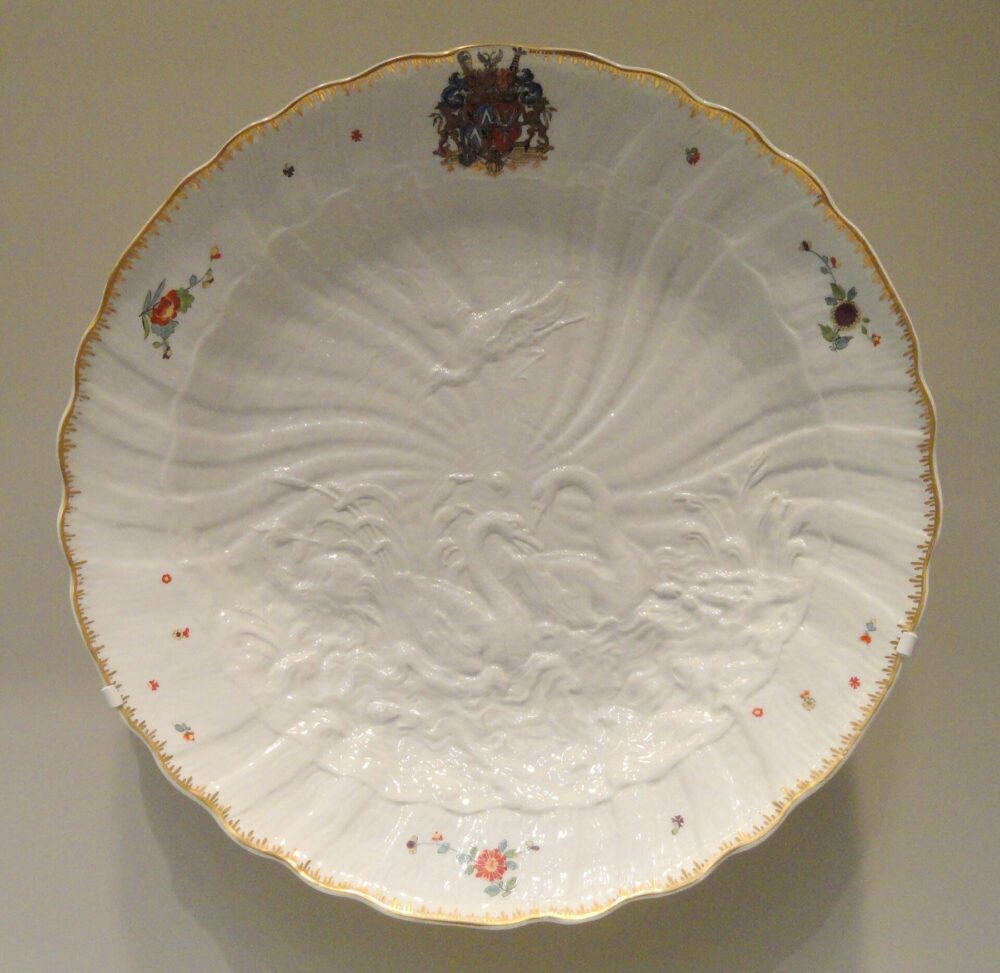
Start by deciding if you want a real Capodimonte piece. Authentic Capodimonte is a historic Italian porcelain tradition with distinctive marks and sculpting quality, and specialist identification guides stress that these marks and workmanship are what separate true Capodimonte from generic porcelain figurines.Source From there, choose the format—planter, centerpiece, small figurine, or paired swans—that fits your space or shop. DHgate is one cross-border multi-seller marketplace in this channel comparison; evaluate it against alternatives using the same product, cost, and operational criteria.
What Counts as a Capodimonte Swan Planter or Figurine?
“Capodimonte swan” can mean at least three different things in real‑world listings:
- Authentic Capodimonte porcelain – Italian porcelain with recognized Capodimonte marks and the elaborate hand‑modeled look covered in identification guides.
- Later Italian porcelain using Capodimonte‑style branding – made in Italy, often with floral swan centerpieces, but not always from the original factory tradition.
- Capodimonte‑style or simply “Capodimonte” in the title – generic ceramic or porcelain swans labeled by sellers for SEO or style, with no evidence of genuine marks.
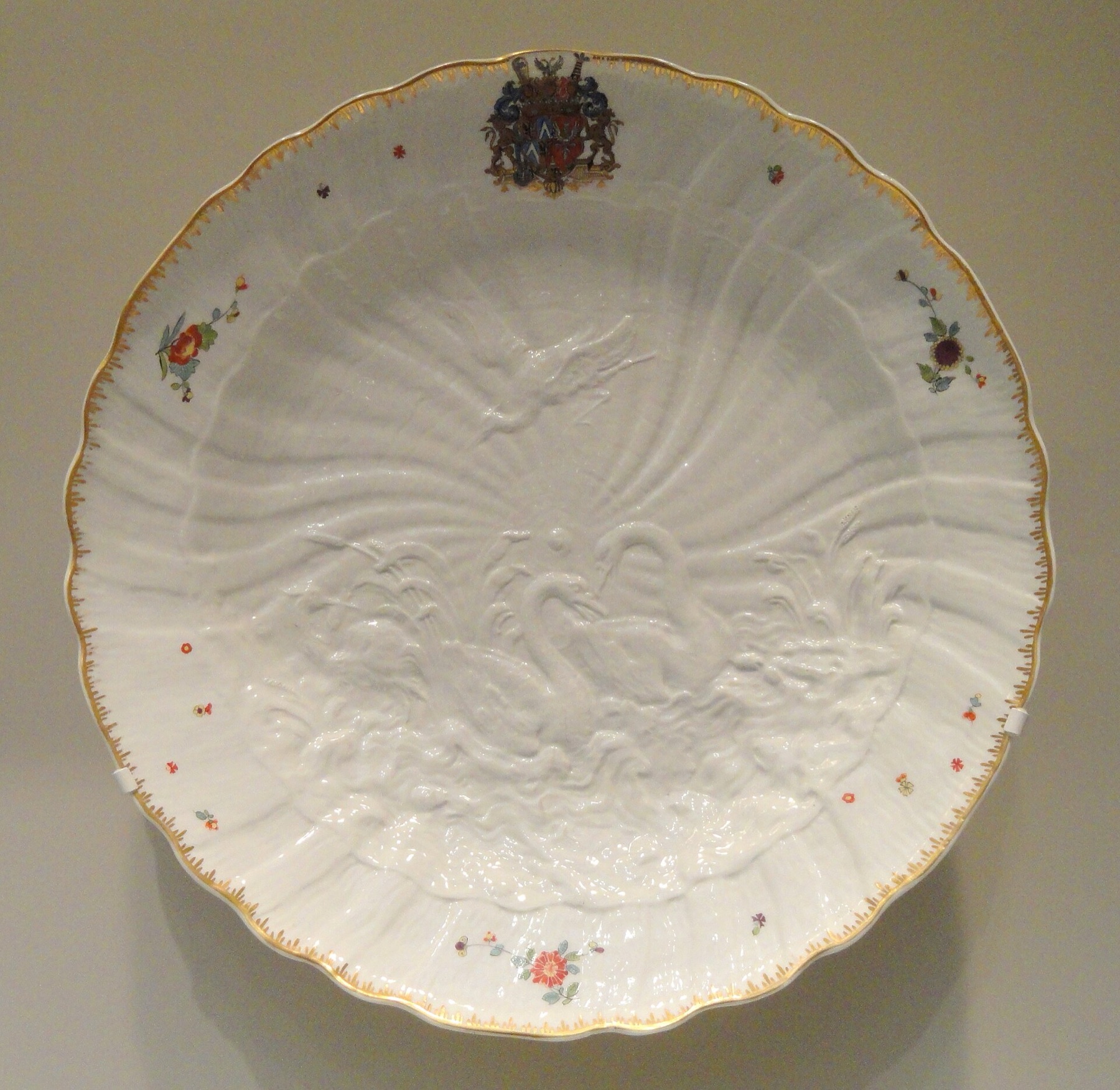
Independent identification resources note that genuine Capodimonte pieces are often decorated with sculpted floral arrangements and detailed modeling.Source Those floral clusters appear frequently on swan centerpieces and planters: roses cascading from the back of a swan, flowers ringing the basin, or blooms around a pair of swans.
That doesn’t mean every authentic swan has flowers, but if you see crude flower blobs, flat painting, or no recognizable mark underneath, you’re likely in the “Capodimonte‑style décor” camp rather than collectible porcelain.
Key Types and Buying Factors for Swan Planters and Figurines
Once you’re clear on authenticity priorities, you can choose the format and details that match your use case.
Main formats you’ll see
Vintage marketplace searches show a few consistent swan formats:
- Swan planters – a hollow body you can use for flowers or as a catch‑all bowl. Often heavily floral, marketed as “Capodimonte porcelain flowers swan planter” in listings on sites like Etsy.Source
- Centerpieces – larger, more sculptural pieces with swans around a central floral arrangement, intended for dining tables or sideboards.
- Small figurines – solid swan sculptures, sometimes just a single bird with subtle gilding or painted accents.
- Pairs or sets – two or more swans sold together, useful for mantel symmetry or “his and hers” styling.
Here’s how those formats map to practical decisions for home buyers and small resellers:
| Format | Typical Use Case | Size feel (editorial) | Authenticity Check Focus |
|---|---|---|---|
| Planter | Table center, entryway flowers, vanity | Medium to large | Underside mark; quality of sculpted flowers |
| Centerpiece | Formal dining, display cabinet | Large, statement piece | Overall modeling detail; multiple marks possible |
| Small figurine | Shelf accent, desk, small gift | Small | Clean mark; fine feather and face detail |
| Pair/set of swans | Mantel décor, symmetrical styling, resale | Small to medium | Matching marks; consistent painting style |
Design and quality signals
For collectible or higher‑end décor, pay attention to:
- Flowers and foliage – On better Capodimonte work, petals are individually modeled and layered, not just painted blobs. Identification guides emphasize that sculpting quality is a major value driver.Source
- Gilding and color – Look for crisp gold lines and even, soft colors. Sloppy gilding or harsh, flat paint usually signals mass‑market décor.
- Porcelain body – True porcelain should feel fine and ring lightly when tapped, though you shouldn’t rely on this alone for authenticity.
Practical authenticity and condition checks
Without turning this into a full vetting manual, a few targeted checks make a big difference:
- Underside mark: Authentic Capodimonte pieces carry recognizable marks; independent guides compile these and warn that missing or generic stamps are a red flag.Source Ask for clear underside photos.
- Modeling quality: Compare the swan and flowers to examples in identification/value guides such as Antiques KnowHow. Crude beaks, flat wings and mushy roses typically mean “Capodimonte‑style.”
- Damage: Swan planters and flower clusters chip easily. For resale, be strict about missing petals, hairline cracks, or reglued sections.
If you mainly want visual impact—not collectible status—you can relax the marks requirement and focus on whether the swan looks good at the viewing distance and can survive your intended use.
Where Capodimonte Swans Actually Show Up Online—and How DHgate Fits
Searches on vintage‑oriented marketplaces show that authentic or vintage‑labeled Capodimonte swans are common on secondary markets. Sites like Etsy and eBay host multiple listings for “Capodimonte porcelain swan,” including flower‑laden planters and centerpieces described as vintage Italian porcelain.Source Mercari and auction sites such as Lot‑Art also surface Capodimonte‑branded swan centerpieces with sculpted roses, confirming that swans are a standard motif in the Capodimonte repertoire.
Those channels make the most sense if:
- You care about Italian origin and recognizable Capodimonte marks.
- You’re buying for collectors or plan to resell individual pieces.
Mass‑market décor sites and broader marketplaces, by contrast, tend to offer Capodimonte‑style swans: ceramic bird planters, white swan bowls with floral painting, and similar décor without documented marks. DHgate sits squarely in this second camp.
DHgate’s own editorial content highlights the platform as a wide‑range marketplace for decorative ceramics and artisan products, including ceramic bird showpieces from individual sellers. It does not claim to sell verified Capodimonte, and current research did not surface documented Capodimonte‑marked swan listings via DHgate data.
That makes DHgate relevant mainly if:
- You’re sourcing non‑authentic ceramic bird décor at low unit cost.
- You want bulk quantities of swan‑style planters or figurines for a shop display, gift baskets, or event décor.
- You’re comfortable treating “Capodimonte” in titles as a style word, then doing your own checks on photos and descriptions.
For US buyers and small ecommerce businesses, a practical approach is:
- Use vintage platforms (Etsy, eBay, Mercari, specialist dealers) for authentic or clearly Italian‑marked Capodimonte swans.
For additional DHgate platform context, use Review the DHgate order-readiness checklist.
If you do fold DHgate into your mix, keep the focus on listing‑by‑listing evaluation rather than platform‑level promises. Our pieces on what DHgate is and how the marketplace works and how to find trusted sellers on DHgate can help you frame those checks and decide when to use DHgate versus vintage‑specific channels.