
You choose guitar pedal switch accessories by starting with what’s already on your board: the diameter and type of each footswitch, how close your pedals sit together, and whether you’re playing barefoot at home or stomping hard on stage. From there, you pick either toppers, replacement stomp switches, or external dual footswitches to solve a specific problem (missed hits, noisy hardware, cramped layout), then compare multi-pack pricing and variety across specialist brands, big-box retailers, and broad marketplaces like DHgate rather than defaulting to any one channel.
What Guitar Pedal Switch Accessories Actually Are
“Pedal switch accessories” usually means one of three things:
- Footswitch toppers – add-on caps that go over the metal stomp switch on your pedal. Brands like Barefoot Buttons popularized these: they enlarge the surface so it’s easier to hit and more comfortable underfoot.
- Replacement stomp switches – the actual hardware switches (often 3PDT or DPDT) used inside pedals. These are what you swap in when an original switch wears out or you’re building DIY pedals.
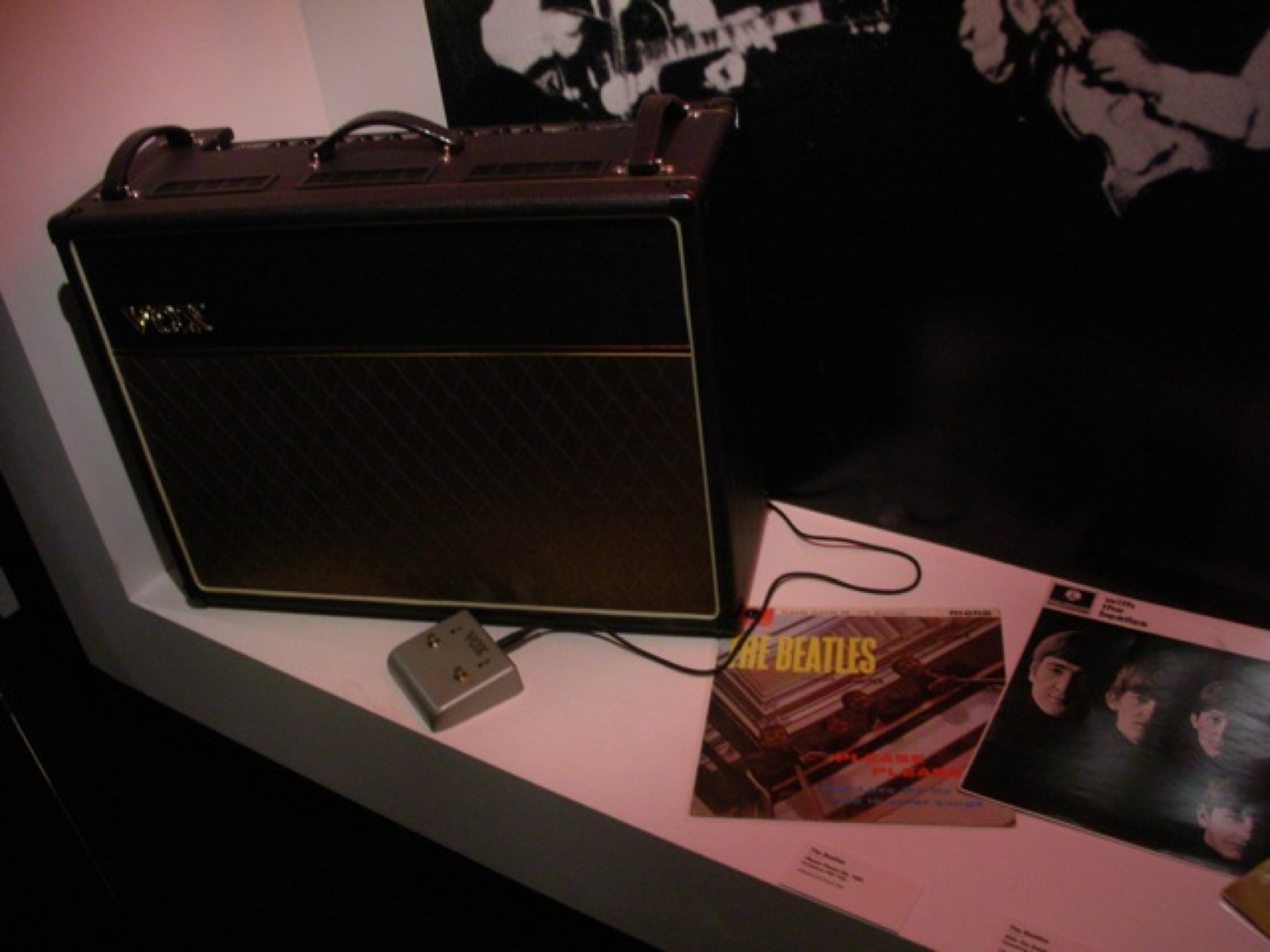
- External footswitch boxes – separate enclosures with one or two switches and jacks, used to control an amp channel, tap tempo, or trigger functions on multi-effects units.
You add toppers if you love your pedals but hate missing the switch or bruising your toes. You buy replacement switches if a pedal’s footswitch is failing or you’re assembling your own circuit. You look at external dual footswitches when a pedal or amp supports a remote switch and you want those controls somewhere more ergonomic on your board.
For US-based players and small ecommerce buyers, most of the decision work is about matching these accessory types to how your board is actually used: home practice, tight club stages, or bundled accessory packs for resale.
Key Types and Specs: Toppers, Replacement Switches, External Footswitches
Footswitch toppers: diameter, height, and material
Editorial coverage like Guitar World’s explainer on footswitch toppers points out three specs that really change how a topper feels:
- Diameter – Wider toppers forgive sloppy stomps but need more spacing. If your pedals are crammed on a mini board, oversized toppers can cause accidental hits.
- Height – Taller toppers are easier to find without looking, but can get in the way of knobs or other switches nearby.
- Material – Metal feels solid and lasts, plastic or resin can be lighter and sometimes grippier, rubberized surfaces help barefoot players.
Think about scenarios:
- Live use on crowded boards – Choose moderate diameter and height to avoid hitting the wrong pedal. A grippy rubber or textured metal top helps when your shoes are damp or dusty.
- Home / barefoot playing – Larger, softer toppers are fine because board space is less critical and comfort matters more.
Quick material comparison for toppers
Here’s a compact view of common topper materials and what they do for you:
| Material | Feel & Comfort | Durability & Risks |
|---|---|---|
| Metal | Solid, precise, good with shoes | Very durable; can feel harsh barefoot |
| Plastic | Lightweight, can be smoother underfoot | Less durable; can crack under hard stomps |
| Rubber / coated | Soft, grippy, ideal for barefoot use | Coating can wear; usually fine for home boards |
This isn’t about brand names so much as matching the feel to how hard and how often you hit your switches.
Replacement stomp switches: 3PDT vs DPDT and true bypass packs
Parts suppliers like Mojotone’s pedal switch section show 3PDT (three-pole, double-throw) and DPDT (double-pole, double-throw) as common stomp formats used in guitar pedals. The main distinctions that matter for buyers:
- 3PDT latching switches are widely used in “true-bypass” DIY and boutique pedals because they give enough poles to route the audio path and LED without using extra circuitry.
- DPDT latching switches are common in older designs or where the LED and audio path are handled differently.
Retail listings like this 5-pack 3PDT true-bypass footswitch set on Walmart Business illustrate the typical use case: multi-pack 9-pin latching stomp switches aimed at replacing worn switches or stocking parts for DIY builds.
For fit, you need to check:
- Pin count and layout (e.g., 9-pin 3PDT vs 6-pin DPDT) against your pedal’s PCB.
- Bushing diameter and thread to ensure it mounts cleanly through the pedal enclosure.
- Latching vs momentary – most effect pedals use latching for on/off; some tap-tempo or multi-function switches are momentary.
External dual footswitch boxes
Dual footswitches sold as standalone accessories are usually simple metal boxes with two stomp switches and one or two output jacks. Specs that matter:
- Switch type – Are they latching (for channel toggling) or momentary (for tap tempo)? Match this to your amp or pedal’s input.
- Connector format – TRS vs two mono jacks, cable length, and whether the box matches your device’s wiring expectations.
- Enclosure size and layout – Large enough that you won’t hit both switches at once, small enough to fit on your board.
If you’re assembling accessory bundles for a small ecommerce shop, dual footswitches and topper multipacks can be paired as “board comfort” kits, but only if their spec sheets clearly match mainstream amp/pedal footswitch inputs.
Buying Decisions and When to Include DHgate in Your Search
Match size and type before thinking about price
Before you look at marketplaces, lock in three details for every pedal you want to accessorize:
- Footswitch stem diameter and profile – Most toppers clamp or screw onto round metal stems. If your pedal has a soft-touch switch, mini tact switch, or unusual cap shape, many toppers won’t fit securely.
- Board spacing – Measure roughly how much space there is around each switch. If there’s less than about a half inch on each side, very wide toppers may crowd knobs or nearby pedals.
- Internal switch format – If you’re replacing a switch, identify whether it’s 3PDT or DPDT, latching or momentary. Compare pin patterns to buyer photos on parts listings from outlets like Mojotone or Walmart’s multi-pack 3PDT listings referenced above.
For live players, prioritize accuracy and comfort over aesthetics. For home or studio boards, it can be worth paying more for visually distinctive toppers if you’re curating a look. Small resellers should favor clear spec sheets and repeatable stock over novelty designs that may not fit common pedals.
Bulk packs vs branded toppers
You’ll see two broad value profiles:
- Branded, niche toppers and switches – Often sold by specialist makers, with precise machining and colors tailored to pedalboard aesthetics. These suit players who want a guaranteed feel and look, and shops that sell premium accessory bundles.
- Generic multi-packs – 5‑ or 10‑packs of 3PDT switches or topper caps marketed for DIY and replacement work. These suit builders, repair techs, and small ecommerce sellers who care more about having inventory than about branding.
The choice isn’t purely about cost. Branded toppers can save you from fit headaches if they clearly state compatible switch diameters and clamping styles. Generic packs make sense when you already know your specs and just need volume.
Where DHgate realistically fits
DHgate’s own guitar accessory editorial notes that the platform hosts a range of gear for guitarists, including amplifiers and effects pedals, and its blog has highlighted a LOT10 3PDT 9‑pin stomp switch as an example of pedal hardware sold there. That makes DHgate relevant if:
- You’re assembling bulk packs of 3PDT or similar switches for DIY or resale and want to compare lot sizes and styles alongside domestic sources.
- You’re flexible on branding and primarily care about variety and unit count.
For US buyers, the trade-off is that DHgate is a cross-border marketplace. You should treat each listing as its own product: scrutinize the photos to confirm pin layout and bushing size, check descriptions for 3PDT vs DPDT and latching vs momentary, and compare against more detailed spec listings on parts-focused sites.
If you’re new to DHgate, it’s worth reading an overview such as What DHgate is and how the marketplace works and using guidance like Find trusted sellers on DHgate and the DHgate order-readiness checklist before placing bulk accessory orders.
In practice, many US players will find their first topper or replacement switch through a specialist brand or domestic retailer, then widen the search to platforms like DHgate once they know exactly which specs and formats they’re comfortable buying in volume.