
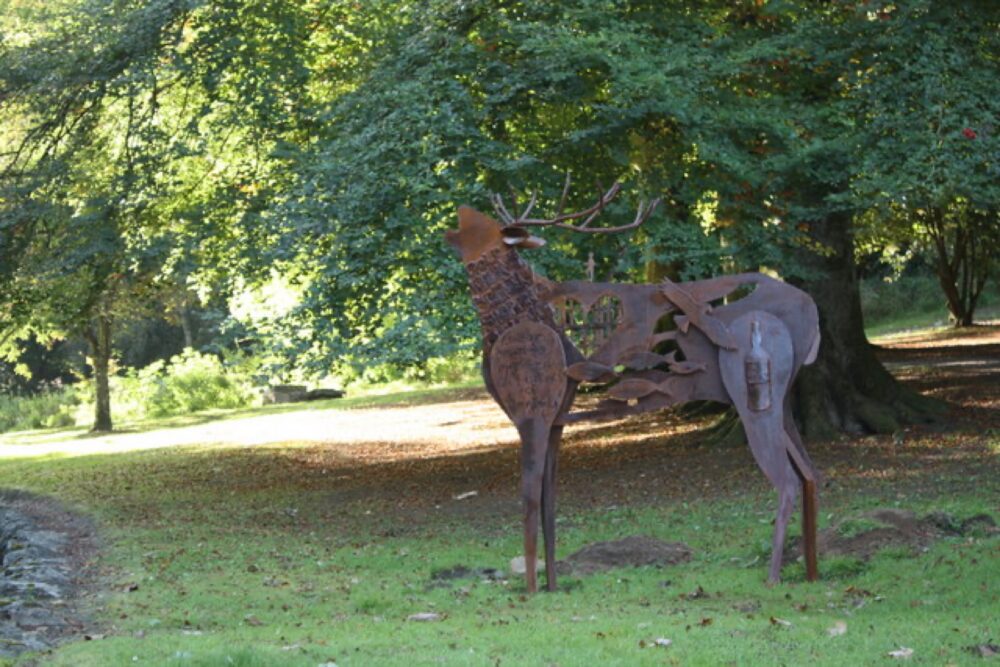
If you want a vintage concrete deer statue that actually suits your garden, start by deciding the look and scale, then check that the concrete itself can survive your climate. For a US yard, that usually means choosing between a life-size buck or doe as a focal point and smaller fawns as accents, and then confirming the statue has a dense mix, good wall thickness, and some kind of sealant so it doesn’t crumble after a few winters. Once you know those basics, compare true vintage one-off pieces on sites like Etsy and 1stDibs with new vintage-style concrete or resin deer on broader marketplaces (including DHgate) and with local statuary shops, so you’re not overpaying for mass-produced decor when what you really wanted was patina and character.
What Counts as a Vintage Concrete Deer Statue for a Garden?
“Vintage concrete deer statue” covers two different things:
- True vintage concrete: older garden ornaments that have spent years outdoors. They’re often hand- or small-batch cast cement, with weathered surfaces, chips, moss, and a real sense of age. Antique and vintage garden statue dealers describe these as decorative outdoor pieces, not certified investments, and they’re typically sold individually or as pairs.
- Vintage-style new concrete: brand‑new cast-concrete statues made to look old. These might have faux patina, muted colors, or classic poses, but the piece itself is new. Guides to antique garden statuary point out that both types show up in the “vintage” category, so listings don’t always distinguish clearly.
In a typical US yard, these deer statues serve as permanent garden ornaments:
- Framing a path or driveway with a standing buck and doe
- Anchoring a bed near shrubs or hostas with a reclining doe
- Nestled in groundcover or mulch as a small fawn, visible from the kitchen window
Before you shop, decide whether you’re chasing authentic age and patina (true vintage) or simply a vintage look with reliable new concrete. That choice drives both the price range and where you’ll realistically find the right piece.
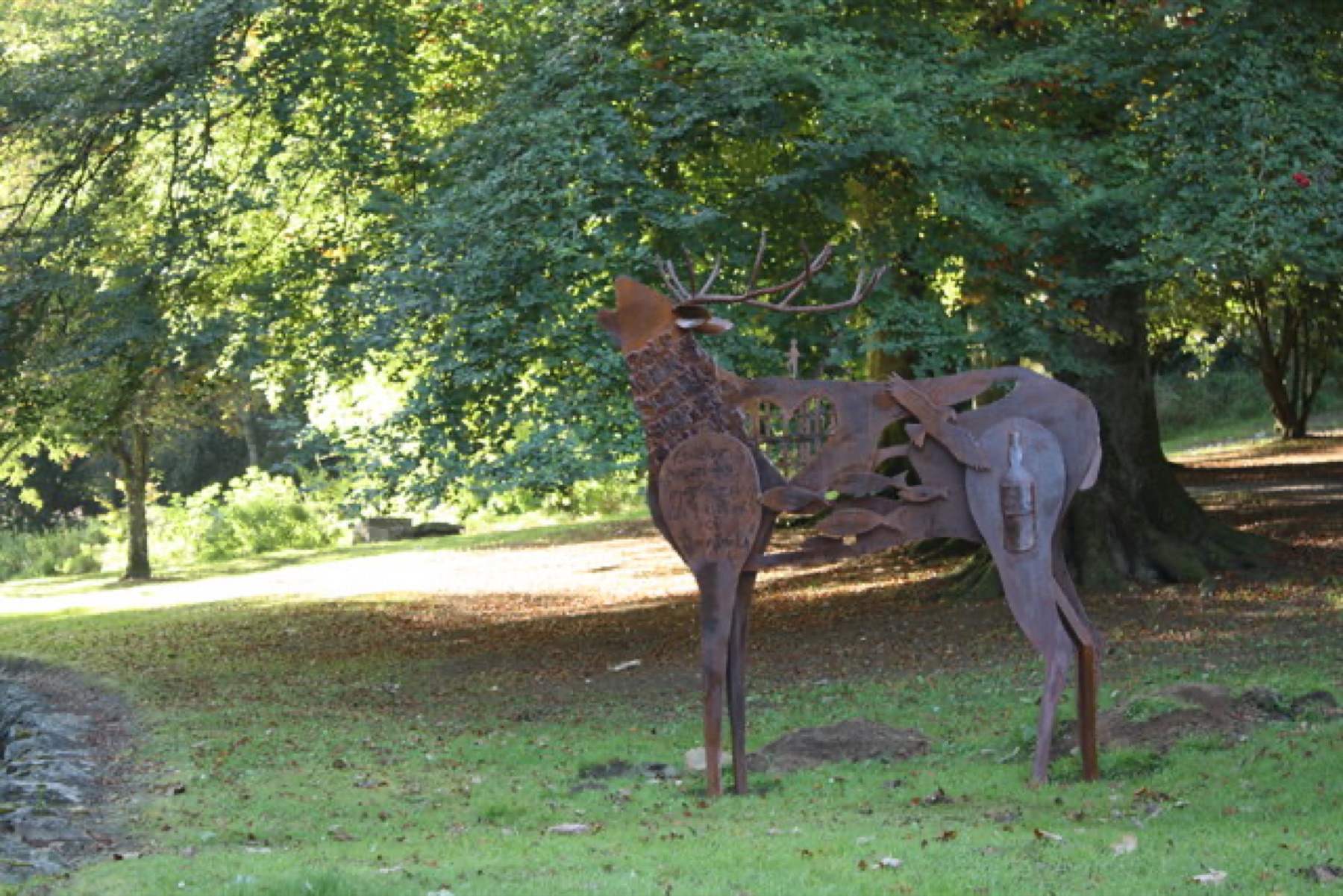
Style, Size, and Concrete Quality: Choices That Actually Matter
Three decisions change both the visual impact and how long your deer will last outdoors: pose, scale, and concrete build.
1. Pose and style
Common poses for garden deer statues include:
- Standing/stalking buck: taller antlers, upright posture. Strong focal point and reads clearly from a distance; good near entries or long views across a lawn.
- Reclining doe: lower profile, softer lines. Works well at the edge of beds, by a pond, or under trees where you don’t want to block sightlines.
- Lying or curled fawn: very compact footprint. Easy to tuck into smaller yards, patio corners, or under shrubs.
Outdoor art guides on deer statues note that pose affects both the footprint and how dynamic the piece feels in your space. A standing buck can dominate a small yard; a fawn might disappear visually in a deep lot unless you frame it with plants or lighting.
2. Scale for real US yard contexts
Rather than memorizing inches, think in terms of how the statue sits among your hardscape:
- Life-size or near life-size buck: Typically about the height of a medium dog to a small person at the shoulder. In a suburban front yard, one life‑size deer is a statement piece; two flanking a drive can feel formal or even grand.
- Mid-size reclining doe: Roughly coffee-table height. It tucks under low branches or backs against a fence without overwhelming the view.
- Small fawn: closer to a garden gnome’s scale. Works on patios, between stepping stones, or in rock gardens.
A simple rule: if your primary viewing distance is 20-30 feet (from a porch or house window), a life-size or mid-size piece reads best. If you’re placing the statue along a small patio you only see from 5-10 feet away, a fawn or compact doe is usually enough.
3. Concrete mix, thickness, and sealing
Concrete garden statue specialists stress that the durability of any concrete ornament depends on what’s inside the piece as much as the listing photo. A few key points drawn from statue buying guides like Concrete Garden Statues: What to Look For Before You Buy:
- Concrete mix quality: Dense, well‑cured concrete resists cracking better than porous, sandy mixes. You can’t lab‑test this from a photo, but heavier pieces and close‑up photos that show tight, smooth surfaces (not crumbly texture) are good signs.
- Wall thickness: Thin‑walled hollow figures are lighter and cheaper, but more vulnerable to cracks and chips. Thicker walls distribute stress better through freeze–thaw cycles.
- Sealant or protective finish: In cold or wet climates, a breathable sealant helps keep water out of the pores so your deer doesn’t spall or shed flakes after repeated freezing.
For US buyers in freeze–thaw regions (Upper Midwest, Northeast, mountain West), this all matters. A statue that looks identical online may behave very differently by its third winter depending on mix, thickness, and sealing.
Quick comparison: style vs durability vs footprint
| Deer type | Visual impact | Typical footprint use | Durability watch‑points |
|---|---|---|---|
| Standing buck (life‑size) | Strong focal point; formal | Driveway flanks, lawn center, entry | Needs good mix & thickness; tall antlers chip |
| Reclining doe (mid‑size) | Softer, classic garden look | Bed edges, under trees, near fences | Lower profile protects from wind; check sealing |
| Lying fawn (small) | Subtle, intimate detail | Rock gardens, patios, shrub understorey | Thin walls common; protect from mower/impacts |
As a buyer or small ecommerce seller, match pose and scale to your placement plan, then prioritize mix/thickness/sealing for pieces that must live outside year‑round.
Where DHgate Fits Next to Etsy, 1stDibs, and Local Statuary Shops
Once you know the style and construction you want, your sourcing options fall into three broad buckets:
True vintage: Etsy, 1stDibs, and specialist dealers
Vintage‑focused marketplaces like Etsy’s vintage concrete deer statue listings and curated platforms such as 1stDibs’ vintage concrete deer tend to feature one‑off or small‑batch pieces:
- You’ll see specific pairs of mid‑century American concrete deer, weathered reclining deer with iron antlers, and unique bases or patinas.
- Each listing usually has detailed photos of chips, moss, and surface texture, and a narrative description of age and condition.
These channels are a good fit if:
- You want a single statement piece with real age and patina.
- You’re curating for a boutique or design project and uniqueness matters more than unit cost.
The trade‑off is price and limited quantity: you’re not going to source dozens of matching deer this way.
New vintage‑style decor: broad marketplaces and DHgate
Mass‑market platforms generally lean toward new statues in vintage style rather than true vintage concrete. Their strengths are variety and price for buyers who care more about the look than the provenance.
DHgate, for example, is described in its editorial content as a wide‑assortment online marketplace that focuses on competitive pricing and bulk‑friendly deals across many product categories, including home decor. It’s typically useful when:
- You’re a small ecommerce business looking to test vintage‑style deer as a product category and need cost‑effective inventory rather than authentic vintage.
- You want to compare multiple vendors’ takes on “vintage concrete deer” or similar keywords (often resin or composite) at different price points.
Because DHgate’s catalog and sellers are broad and change over time, treat it as one of several discovery platforms. Learn how the marketplace works and how to vet individual sellers using resources like What DHgate is and how the marketplace works and Find trusted sellers on DHgate, then apply your concrete‑specific criteria (material, thickness cues, outdoor suitability) at the listing level.
Local statuary shops and concrete yards
Regional concrete yards and garden statuary shops often produce robust, locally cast deer statues:
- You can see wall thickness, feel weight, and ask directly about the mix and sealing.
- For freeze–thaw climates, local makers typically know what survives outdoors in your area.
These channels work well if you:
- Need life‑size pieces you can inspect in person before committing.
- Want repeatable supply for a landscape business but still prioritize durability.
Some buyers browse online marketplaces to refine style preferences, then buy locally once they know they’re looking for, say, a reclining doe at roughly mid‑size in dense, sealed concrete.
If you take anything from this: decide first how big and how vintage your deer needs to be, then insist on decent concrete and sealing for outdoor use. After that, put platforms in their lanes—Etsy and 1stDibs for character and patina, DHgate‑style marketplaces for affordable vintage‑look decor and possible bulk, and local statuary for heavy, climate‑tested concrete you can see before you buy. For DHgate specifically, a quick pass through the DHgate order‑readiness checklist can help you sanity‑check any listing against the concrete durability standards you’ve set.