
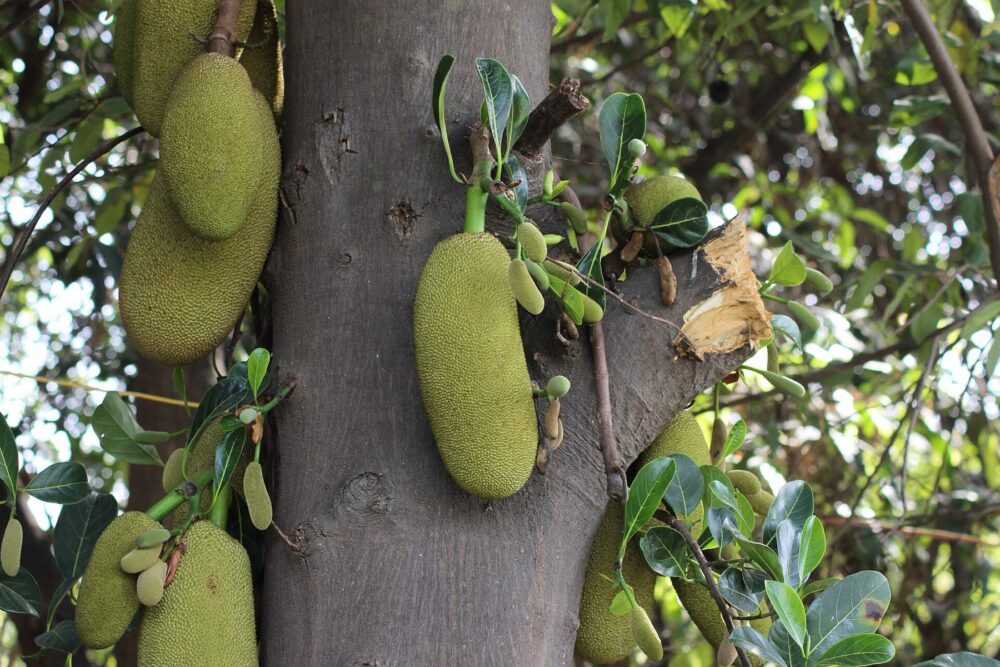
If you’re in the US and looking for Jatobá trees, fruit, or herbal bark, your best bet is not a big general marketplace but niche suppliers. DHgate and similar platforms do host broad agricultural and seeds categories, so you could search there, yet Jatobá-specific listings are likely rare and must be vetted one by one. In practice, specialist tropical fruit nurseries, herb importers, and Latin American food retailers are usually more reliable channels for actually getting Hymenaea courbaril plants, fruit, or cut-and-sift bark.
Understanding Jatobá Tree, Fruit, and Herb Products
Jatobá (Hymenaea courbaril) is a tropical tree native to Central and South America, also called West Indian locust or “stinking toe.” Its pods are hard brown shells containing a dry, floury pulp wrapped around large seeds. The pulp is mildly sweet and can be eaten as-is or processed into flour-like ingredients for traditional foods.descriptive source
The same species is widely traded under the name Jatoba or Brazilian cherry as hardwood lumber. Boards and flooring made from Jatoba wood are common in building supply channels and have nothing to do with edible fruit or herbal bark.wood description If you search for “Jatoba” online without qualifiers, you’ll mostly see decking and flooring, not trees or food.
Beyond fresh pods, online sellers often treat Jatobá as a traditional herb. You’ll see:
- dried bark or cut-and-sift herb
- powdered fruit pulp
- blended teas or herbal infusions
- occasionally tree resin
These are positioned in the context of traditional use, not as regulated medicines.herbal product example Jatobá is listed by Slow Food’s Ark of Taste as a culturally significant ingredient from its native regions, which underscores its traditional culinary role but does not certify any particular seller.Slow Food listing
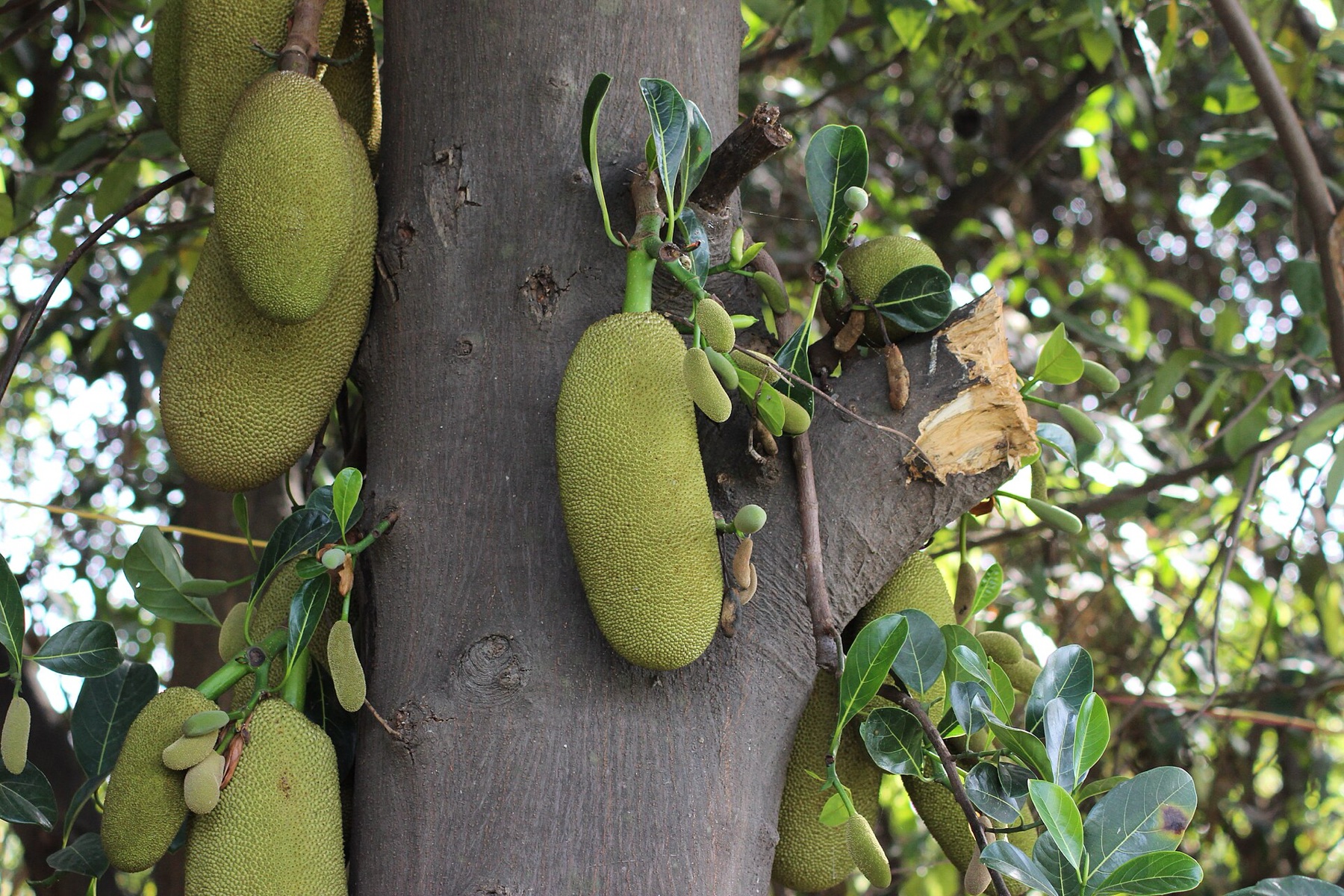
Product Forms and Buying Criteria for Jatobá Online
Before you pick a channel, decide exactly what you’re trying to buy. Each form has different practical checks.
1. Live trees and seeds
Live Jatobá plants and seed packets show up from specialist tropical nurseries and seed vendors, often based in tropical regions that can produce viable stock.example nursery If you’re a US buyer:
- Check species and naming: Look for the Latin name Hymenaea courbaril, not just “Brazilian cherry,” which may be aimed at lumber buyers.
- Understand growing conditions: It’s a large tropical tree; make sure your climate or greenhouse setup is realistic.
- Consider import rules: International shipment of live plants or seeds can trigger phytosanitary and customs requirements. The seller should spell out what documents they provide; you or your customs broker must check US regulations.
DHgate positions itself as a broad B2B marketplace with gardening and seed categories where multiple sellers offer vegetable, flower, and pepper seeds.DHgate editorial context In theory you could search for Jatobá seeds there, but because Jatobá is niche, you should expect few or no results and treat any listings as high-variance: confirm the Latin name, examine photos carefully, and cross-check with external plant references before you consider an order. If you do decide to explore DHgate, use DHgateWiki’s guidance on what DHgate is and how the marketplace works, finding trusted sellers, and the order-readiness checklist.
2. Fruit for eating or food use
Whole pods or processed fruit pulp are less common than lumber but do appear through Latin American food retailers and small exporters. When buying for food:
- Look for clear labeling that distinguishes fruit pulp from bark or resin.
- Prefer sellers that show product photos of the pods or powder and specify net weight and origin country.
- For resale, confirm whether the product is treated as a conventional food in your jurisdiction rather than a supplement, and whether import rules apply.
3. Herbal bark, tea, and resin
Herb shops and rainforest product vendors sell Jatobá bark as cut-and-sift herb, loose tea, or powdered material, and some offer resin collected from the tree.herbal product example Since these are framed in traditional contexts:
- Do not rely on medical or therapeutic marketing; treat any health claims with skepticism.
- Focus on form (bark vs fruit vs resin) and processing (whole cut, powder, blended tea) so you can match it to how you plan to use it.
- For ecommerce businesses, decide whether you are reselling as a culinary or traditional herb product and consult appropriate regulatory guidance before importing.
Quick comparison of Jatobá forms and typical channels
| Jatobá form | Typical online seller type | Main buyer use case |
|---|---|---|
| Live plant (sapling) | Specialist tropical fruit nursery | Long-term growing/collection |
| Seeds | Seed vendor or gardening marketplace | Hobby growing, small trials |
| Whole pods/fruit | Latin American grocery or exporter | Eating, cooking, niche retail |
| Dried bark / herb | Herbal supplier, rainforest product shop | Traditional infusions, resale |
| Resin | Niche rainforest product or artisan shop | Traditional use, craft inputs |
Best Online Channels for Jatobá Trees, Fruit, and Herbal Ingredients
Because Jatobá is niche and easily confused with hardwood, the most reliable strategy is to shop by seller type instead of chasing a single big platform.
Specialist nurseries and seed vendors
For live trees and seeds, specialist tropical fruit nurseries and seed houses are the most realistic option. Vendors like those offering Hymenaea courbaril plants focus on unusual tropical species and usually:
- clearly specify the botanical name,
- describe plant size and growth habit,
- and outline climate needs.example nursery
US buyers should still self-check import compliance and cold-hardiness, but this channel is far less likely to accidentally sell you lumber or a mislabeled species.
Herbal and rainforest product shops
If you need bark, tea, or powdered fruit for food or traditional herb use, look for online herb shops that already carry South American botanicals. Examples include retailers selling cut-and-sift Jatobá bark with clear species naming and bulk weights.herbal product example
For small ecommerce brands, this channel works both as a direct consumer source and, in some cases, a wholesale relationship if the supplier offers bulk bags. You’ll still need your own stance on labeling and compliance, but at least you’re starting from correctly identified material.
Latin American food retailers and exporters
For fruit or pulp, Latin American grocery sites, specialty importers, and region-focused marketplaces in Brazil or the Caribbean sometimes list packaged Jatobá products. Slow Food’s Ark of Taste entry gives cultural context and names the ingredient in its native culinary landscape, which can help you search local-language terms and find exporters.Slow Food listing
This route is more work for a US buyer, but if your goal is authentic fruit for culinary use, it’s closer to the source than generic global marketplaces.
General marketplaces (including DHgate) for exploratory sourcing
Massive marketplaces such as DHgate, other B2B platforms, and consumer-focused sites can be useful for exploratory searches across seeds and food products. DHgate in particular highlights a large range of vegetable and flower seeds and some agricultural goods.DHgate editorial context
However, Jatobá is obscure enough that you shouldn’t plan a business around finding stable, well-documented listings there. Treat any marketplace search as a way to discover potential supplier names, then verify those suppliers’ species information, product photos, and external presence (own website, independent reviews) before placing serious orders. If initial searches turn up only hardwood decking and flooring, that’s your cue to pivot to the more specialized channels above.
For US buyers and small ecommerce businesses, the practical route is:
- Use specialist nurseries and seed vendors for trees and seeds.
- Use herb and rainforest product shops for bark, tea, and resin.
- Use Latin American food retailers for fruit and pulp.
- Reserve DHgate and other general marketplaces for occasional, carefully vetted seed or food listings, not as your primary Jatobá supply.