
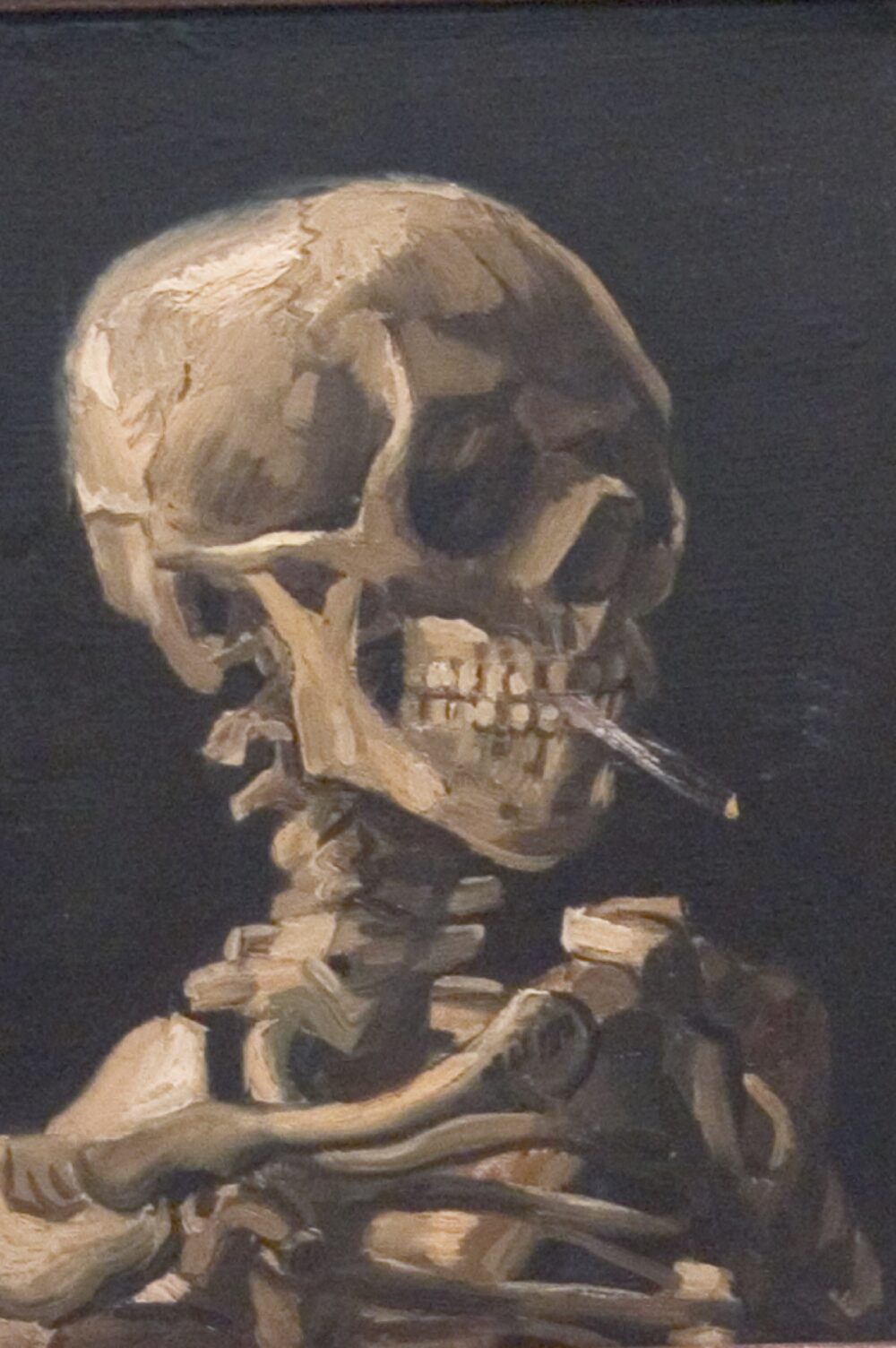
What Skull and Skeleton Candelabras Are Used For
Skull candles and skull décor are broadly defined as decorative items shaped like or featuring human skulls, produced in many styles and sizes for home décor and events. That same aesthetic extends into candelabras: candle holders where the stem, base, or arms are sculpted as skulls or full skeletons. DHgate is one cross-border multi-seller marketplace in this channel comparison; evaluate it against alternatives using the same product, cost, and operational criteria.
Typical uses:
- Halloween centerpieces. Skull and skeleton motifs are classic Halloween symbols. A trio of skulls holding taper candles or a skeleton “chandelier” works as a dining table focal point or buffet accent.
- Gothic or metal‑inspired interiors. Some buyers keep skull candelabras out year‑round on mantels, sideboards, or altars, leaning into a darker gothic look.
- Retail and event staging. Small ecommerce brands and event planners use them in Halloween pop‑ups, haunted houses, or photo backdrops because they read clearly in low light.
If you’re buying for home, you’ll prioritize how it looks against your existing furniture and whether it can safely handle real flame. If you’re buying for resale or events, weight, durability, and how quickly the design telegraphs “spooky” from a distance matter more.
Key Styles and Materials to Compare
Once you know your setting, compare candelabras on three axes: motif, arm layout, and material.
Motif: skull vs full skeleton
Online assortments are broader than simple Halloween props. Specialty gothic retailers such as Dark Knight Armoury carry designs where:
- A single skull forms the base and a candle rises from the top.
- Multiple skulls cluster at the base or along the arms of a classic candelabra silhouette.
- Full skeletons stand upright, arms outstretched to hold candles.
For subtle décor, a low skull base with a clean metal arm feels less theatrical. For themed bars, tattoo studios, or Halloween parties, full skeleton figures or multiple skulls instantly read as “gothic prop,” even from across the room.
Layout: single vs multi‑arm
Layout shapes both mood and practicality:
- Single‑candle skull holders. Compact, often under 8-10 inches tall, and good for narrow shelves or clustered centerpieces. Big‑box seasonal ranges, including Walmart’s skull and skeleton candle holders, lean heavily on these.
- Three‑to‑five‑arm candelabras. Taller statement pieces, sometimes around a foot high in antique silver or bronze finishes, as seen in skull trio candelabras sold through holiday décor channels like Overstock.
- Hybrid props with LEDs. Some skeleton candelabras from big‑box Halloween sections ship with flashing LED “candles” built in, aimed at party use where open flame is a hassle.
Resellers should note that single‑candle skull holders ship and store more easily, while multi‑arm pieces create more damage risk and packaging expense.
Materials: resin, metal, plastic
Materials determine both feel and fire behavior.
- Resin. Many dramatic gothic pieces, like the multi‑arm skull candelabra offered by Luciferian Apotheca, use sculpted resin with metallic finishes (silver, bronze). Resin allows fine skeletal detail at reasonable weight; ideal for display, but still needs sensible candle‑safety habits.
- Metal. Matte‑black or antique‑finish metal candelabras look closer to traditional dining‑room pieces, sometimes with skull accents added. They usually handle heat well and feel more substantial, but may be plainer in sculpting.
- Plastic or lightweight composites. Common in mass‑market Halloween props and LED skeleton candelabras from Walmart’s business channel. These prioritize low cost and dramatic silhouette over fine detailing and long‑term durability.
Here’s how those options stack up in practice:
| Use case | Best motif/layout | Typical material | Pros | Tradeoffs |
|---|---|---|---|---|
| Formal gothic dining room | Multi‑arm skull or skeleton candelabra | Resin or metal | Rich detail, substantial feel | Higher price, heavier to ship |
| Casual Halloween party | Skeleton candelabra with LED “candles” | Plastic/resin | Safe light, easy setup | Looks seasonal, less premium finish |
| Small shelf or desktop accent | Single‑skull taper holder | Resin or metal | Compact, easy to style | Limited light, less dramatic |
| Resale in budget décor shop | Assorted single‑skull holders and minis | Resin/plastic | Lower unit cost, broad appeal | May feel disposable after one season |
Buying Factors and Where DHgate Fits Among Marketplaces
Independent skull candle guides highlight four core factors: design, material, size, and sourcing channel. Those same levers work for candelabras.
1. Size, scale, and candle type
Measure the surface where the candelabra will sit and match it to product dimensions:
- For dining tables, look at total height and arm span so guests can see over or around it.
- Check what type of candles it’s built for: taper, pillar, tea light, or integrated LEDs.
- If you’ll use real flame, make sure there’s enough clearance between candle tips and any overhanging decorations or shelving.
Small ecommerce sellers should double‑check dimensions against their packaging and shipping plans; oversized multi‑arm resin pieces can blow up freight costs.
2. Stability and common‑sense safety
No platform can guarantee safety, but you can reduce risk by:
- Choosing designs with a wide, flat base, especially for crowded party tables.
- Avoiding very lightweight plastic pieces for outdoor use, where wind or bumps are likely.
- Using LED candles for kids’ parties, retail displays, and tight spaces.
Treat any skull or skeleton candelabra as a regular candle holder: never leave open flame unattended and keep flammable décor (fake cobwebs, paper garlands) out of the heat column.
3. Channel choice: US retail, niche gothic, artisan, or DHgate
Different marketplaces shine for different buyers:
- US big‑box retailers (e.g., Walmart). Their Halloween sections feature inexpensive skeleton candelabras with flashing colored candles and single‑skull holders in budget materials. Good for seasonal home use or low‑price resale, less suited to year‑round, high‑impact décor.
- Niche gothic sites. Stores like Luciferian Apotheca and Dark Knight Armoury focus on dramatic multi‑arm skull candelabras, skeleton figures, and higher‑detail sculpting. They’re better for statement pieces or brand‑aligned resale.
- Artisan platforms (Etsy‑style). These carry custom crystal‑skull candelabras, hand‑finished metals, and one‑off designs. Expect higher prices, but potential differentiation if you’re building a niche shop.
If you want one or two pieces for a party, US retail or niche gothic sites are usually simpler. If you’re a small ecommerce business experimenting with several skull or skeleton candelabra styles at low unit cost, adding DHgate to your search list alongside domestic sources can surface designs you won’t see in mainstream seasonal aisles.
For additional DHgate platform context, use Review the DHgate order-readiness checklist.
For marketplace‑specific checks such as seller reliability and order prep on DHgate, pages like What DHgate is and how the marketplace works and Find trusted sellers on DHgate can help you ask more targeted questions before you commit.