Eco-friendly smart yoga mats are basically two products fused into one: a sustainable mat and a layer of guidance tech (sensors, alignment, or app features). To choose well, start by deciding what your body and practice need from the mat itself (grip, cushioning, size), then decide which smart features you’ll actually use. Once you’ve narrowed materials and specs, you can compare brand sites, general marketplaces like Amazon, and cross-border platforms such as DHgate to see which listings fit your requirements and budget.
Smart features are still relatively niche in the yoga mat world, so you’ll often be choosing between: a mostly analog eco mat with printed alignment lines; a mat paired with an external sensor system; or a fully embedded smart mat (pressure sensors, Bluetooth, app coaching). The more electronics baked into the mat, the harder it is to keep the product biodegradable and repairable, so you’ll want to think about how much tech is worth that tradeoff.
What Counts as an Eco-Friendly Smart Yoga Mat?
A smart yoga mat usually means one or more of these:
- Built-in pressure or motion sensors that talk to an app.
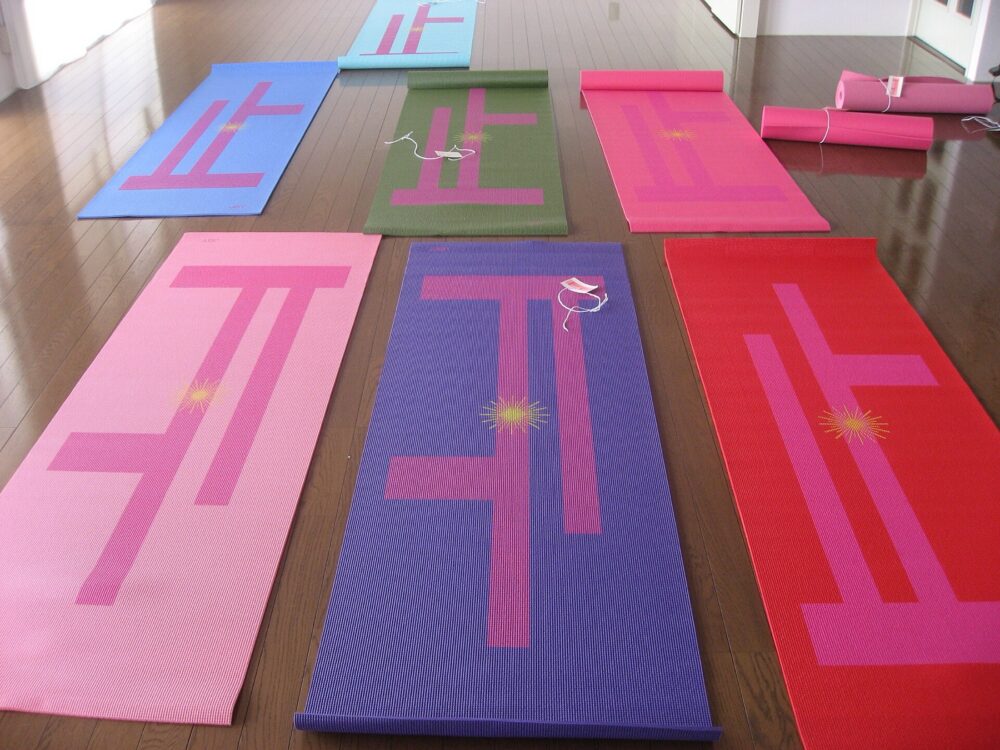
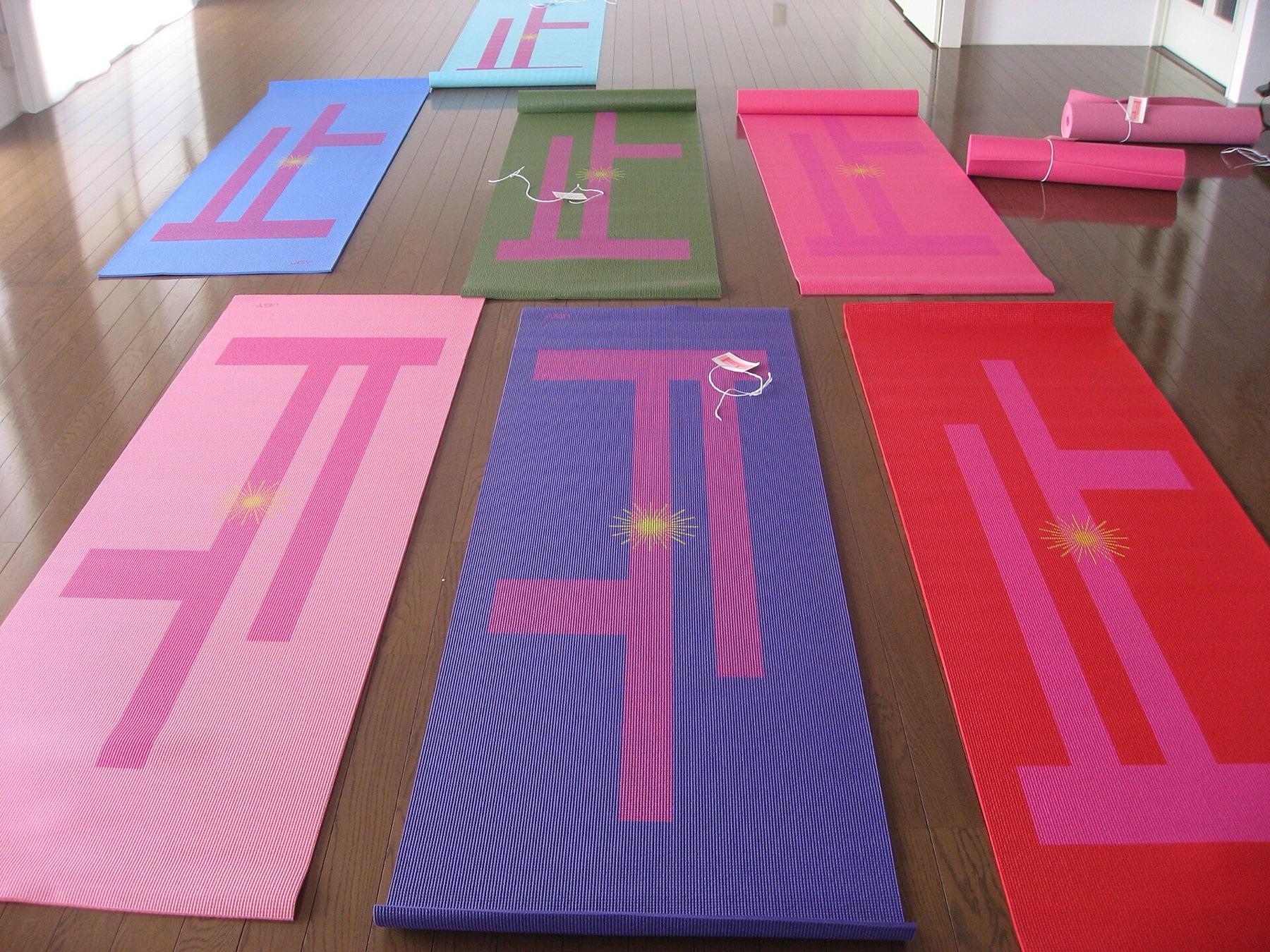
- Printed or raised alignment systems (center lines, foot markers), sometimes combined with tracking.
- Companion hardware (pods, cameras) bundled with a mat and sold as a “smart” package.
To call that setup eco-friendly with a straight face, the base mat should be made from more sustainable materials and the electronics should be minimal, durable, and ideally removable.
Common eco-focused mat materials include cork, natural rubber, and jute. DHgate’s own eco mat editorial highlights cork, natural rubber, and jute as renewable options used in yoga mats, and notes that they’re positioned as alternatives to more conventional plastics like PVC.
Independent non-toxic guides, such as Fine Print Nutrition’s yoga mat review, also recommend avoiding PVC and favor natural rubber and other lower-emission materials when possible. Eco-brands like Jade Yoga market their natural-rubber mats as biodegradable and free of certain harmful substances, which gives you a reference point for how premium eco mats are framed.
The smart part is where sustainability starts to wobble. Embedded electronics typically rely on mixed materials and batteries that aren’t biodegradable. If eco credentials matter to you, prioritize:
- A mat that is genuinely eco-oriented on its own (cork, natural rubber, jute, or responsibly produced TPE), and
- Smart features that can be detached, repaired, or at least used long enough to justify the footprint.
Comparing Types, Materials, and Smart Features
The material you stand on dictates how every pose feels. Then smart features tweak how much guidance or tracking you get. Here’s how the main eco materials behave in practice, and how they play with tech.
Eco material tradeoffs
The patterns below draw on DHgate’s eco mat editorial plus broader eco-mat coverage:
| Material | Grip & Feel (Dry/Sweaty) | Cushioning & Joint Support | Durability & Care | Sustainability Notes* |
|---|---|---|---|---|
| Cork | Strong grip; DHgate sports editorial describes cork mats as grippy and naturally antimicrobial, even when damp | Usually bonded to rubber or foam; feels firm but stable | Surface resists odor; avoid soaking; can last years if kept dry | Renewable bark resource; often paired with other materials |
| Natural rubber | High traction, especially once broken in | Dense, springy cushioning; good on hard floors | Heavy; can smell at first; should be kept out of strong sun | Sourced from rubber trees; eco brands highlight biodegradability |
| Jute | Rough texture with good grip in sweat | Thinner, less cushioned; joints feel the floor | Can fray or wear faster with heavy use | Fast-growing plant using little water and fewer inputs |
| Standard foams (PVC, generic TPE blends) | Grip and feel vary widely | Can be soft but may compress over time | Often easy to clean, but may degrade with cracking | PVC is widely flagged in non-toxic guides as worth avoiding; TPE is mixed and depends on formulation |
\*”Sustainability” here is editorial context, not a guarantee for any specific product.
For a smart mat, you’re usually looking at cork or natural rubber surfaces if eco credentials are front-of-mind. Jute can work for printed alignment lines but is less common for embedded sensors because of its roughness and lower thickness.
How smart features change your choice
Smart features tend to fall into three buckets:
- Alignment-only smartness (no electronics)
Printed or etched alignment guides (center line, 45° angles, foot markers) help you place hands and feet consistently. These work well on cork, natural rubber, and jute because they don’t require power and don’t affect recyclability much.
- Sensor-embedded mats
Pressure or motion sensors inside the mat detect weight distribution and pose patterns, sending data to an app via Bluetooth. These usually rely on layered construction: an eco surface bonded to an inner sensor and foam layer.
- Thicker builds (5-6 mm) protect sensors and your joints but increase material use.
- You’ll want a surface like cork or natural rubber that still grips when you sweat, so you’re not sliding while the app tells you how “aligned” you are.
- Mat + external hardware systems
Some setups pair a fairly standard eco mat with external hardware (pods, cameras, or smart tiles) that track your movement from the side or underneath.
- Sustainability upside: you can keep the mat fully eco (e.g., a natural-rubber Jade-style mat) and upgrade or recycle the hardware separately.
- Practical upside: if the tech becomes dated, you still own a good mat.
Smart features can also affect durability. Electronics don’t like getting soaked, so a cork smart mat marketed as “antimicrobial and easy to clean” may still have care instructions that tell you to avoid heavy water exposure around sensor zones. That’s a real-life constraint for hot-yoga or outdoor users.
Buying Criteria and Where DHgate Fits in Your Shortlist
Once you understand the tradeoffs, you can turn them into concrete criteria. For US buyers and small ecommerce businesses, these are the filters that simplify the decision:
1. Decide your performance baseline
Before tech, answer three questions:
- Grip priority: Are you doing flow or hot classes where sweat is a given? If yes, lean toward cork or natural rubber surfaces, which DHgate’s sports editorial and multiple eco guides highlight for strong traction and antimicrobial behavior.
- Joint comfort: If you feel everything in your knees and wrists, aim for around 4-6 mm of dense cushioning (typical of many natural-rubber eco mats) rather than thin jute-only builds.
- Space & size: Taller practitioners and studios stocking mats for clients should look for longer and wider formats similar to how brands like Jade offer extra-wide versions. That spec matters more than smart features for many users.
2. Set your eco bar in the context of electronics
For an eco-friendly smart mat, define your minimums:
- Avoid PVC-heavy builds where possible, mirroring non-toxic guidance from sources like Fine Print Nutrition.
- Favor natural rubber, cork, or jute surfaces, or transparently marketed TPE where the seller explains formulations.
- Prefer designs where you can:
- Remove or replace smart hardware,
- Update software without ditching the mat, and
- Use the mat comfortably even if the tech is off.
If a listing’s “eco” pitch is just “printed leaf pattern” plus generic foam and sealed-in batteries, it probably doesn’t meet an eco bar that’s consistent with how specialist brands frame sustainability.
3. Choose the level of smart you’ll actually use
Match features to behaviors:
- If you struggle with alignment or teach beginners, alignment markings on a cork or natural-rubber mat are often enough and don’t compromise recyclability much.
- If you want data (time in poses, balance metrics), look for mats or systems that specify sensor type, battery life, and app support. Skeptical buyers might compare those specs against plain eco mats from brands like Jade Yoga to decide whether the extra complexity is worth it.
- For studios or small ecommerce stores, you might stock mostly eco analog mats (cork/rubber) and test one or two smart systems separately before committing.
4. Where DHgate sits in the mix
DHgate describes itself in editorial posts as a marketplace with a wide range of fitness and exercise mats at affordable price points, and has highlighted that it carries diverse eco-leaning product categories and connects buyers with sustainable goods in general.
What that means for you:
- Individual buyers can treat DHgate as one of several listing searches for eco or smart mats, alongside brand sites and other marketplaces. Use category filters and search terms like “cork yoga mat alignment,” “natural rubber smart yoga mat,” or “eco TPE sensor mat,” then read listing descriptions carefully for material breakdown and tech details.
- Small ecommerce businesses can explore DHgate for potential suppliers if they’re comfortable with cross-border sourcing, but should still evaluate each seller, material claim, and smart feature independently rather than assuming platform-wide sustainability standards.
If you’re new to DHgate and want a better sense of how the marketplace operates before adding it to your shortlist, you can review what DHgate is and how the marketplace works, as well as guidance on finding trusted sellers on DHgate and the DHgate order-readiness checklist.
For eco-friendly smart yoga mats specifically, the best approach is to lock in your material, thickness, and feature requirements first, then let DHgate and other platforms compete to meet that spec—rather than starting from whatever happens to be cheapest or trendiest in a search result.