
If you’re choosing vintage peanut machines or dispensers, start by deciding whether you need a true mid‑century coin‑operated vending machine or a simpler countertop dispenser, then match the mechanism, materials, and condition to your use case. For authentic machines like Atlas Bantam or Mr. Peanut models, you’ll usually be shopping specialist vintage platforms or general marketplaces such as eBay and Etsy. Cross‑border sites like DHgate are more realistic sources for retro‑style or reproduction pieces than for documented originals.
What Counts as a Vintage Peanut Machine or Dispenser?
“Vintage peanut machine” covers a few distinct things that are often lumped together:
- Coin‑operated peanut vending machines. These are full vending units, typically from the 1930s–1950s, with a coin mechanism and a glass product globe. The Atlas Bantam cast‑aluminum and glass 5‑cent peanut machine on 1stDibs is a good example of the category.
- Branded machines. Some models were produced with character or brand tie‑ins. The Mr. Peanut vending machine by Hamilton Scale Co., documented by the Museum of the Game’s Mr. Peanut entry, shows how a recognizable mascot adds display appeal.
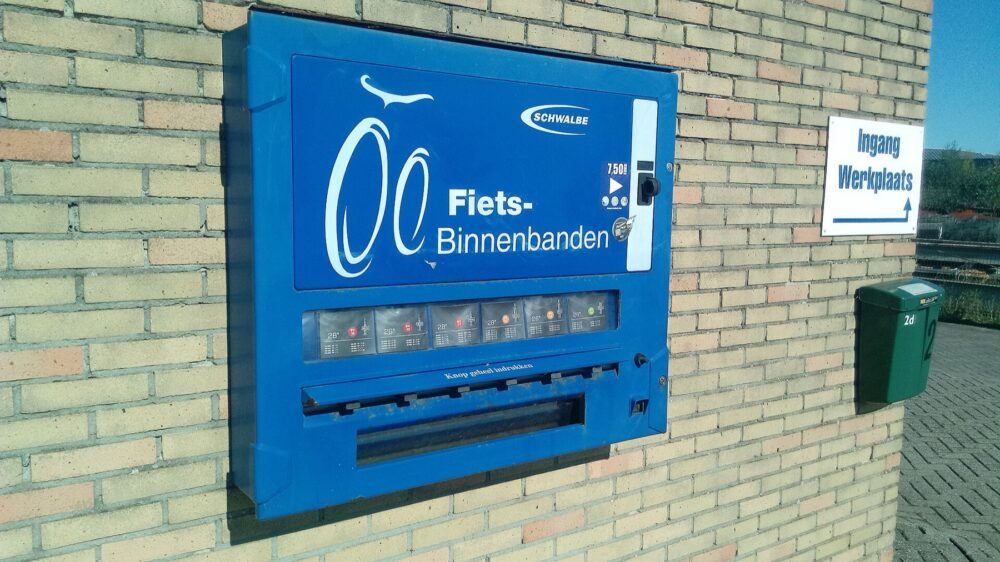
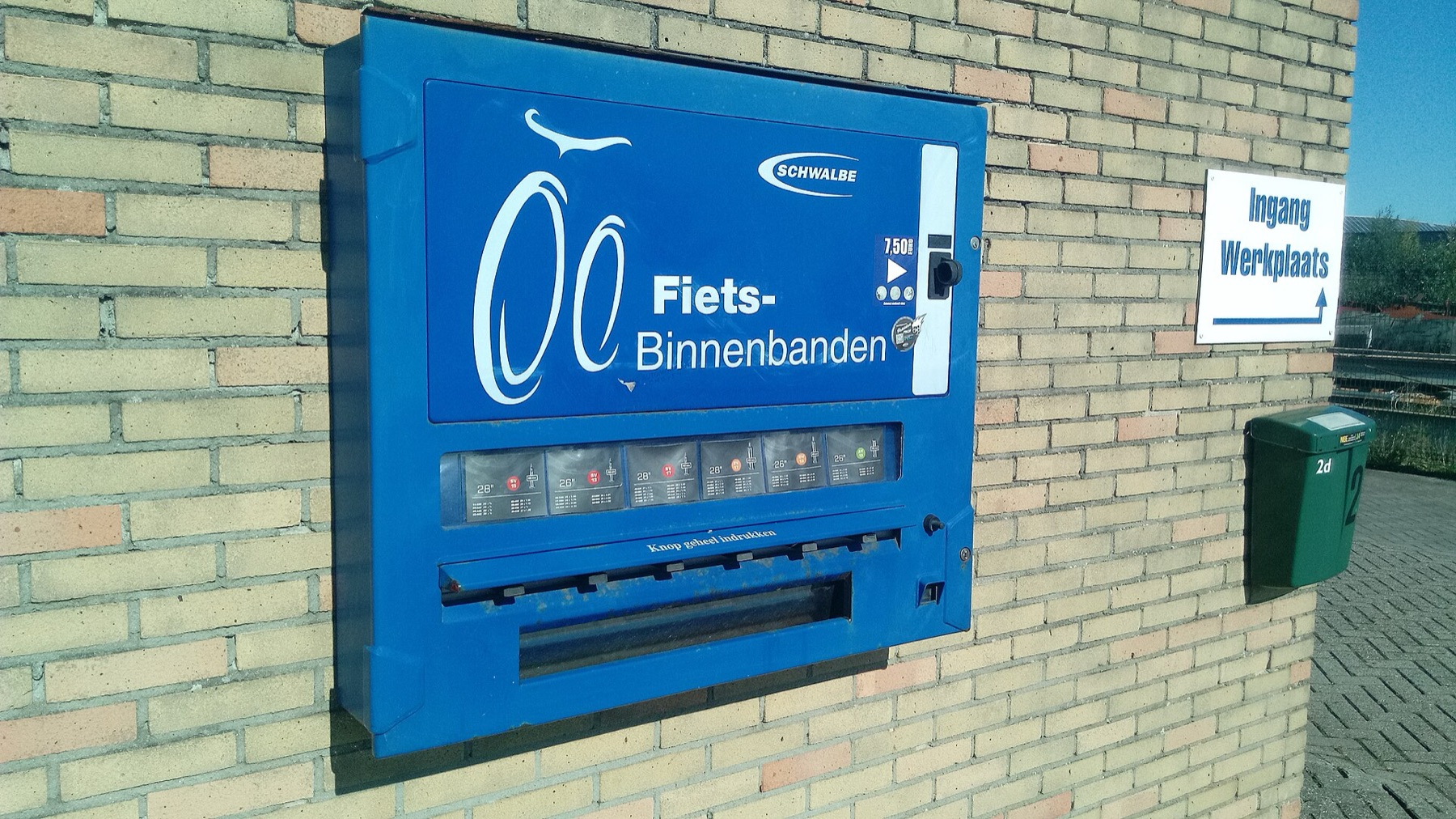
- Simple dispensers. These might be countertop nut dispensers without coin mechanisms—used in bars, diners, or bicycle shops for other items. They’re closer to gravity dispensers than vending machines.
Collectors gravitate toward coin‑op machines because they combine mechanical interest, brand history, and display impact. If you’re a café owner or small ecommerce seller, a simpler dispenser can be enough for visual nostalgia, especially if you don’t need customers to pay per portion.
Key Types and Specs Buyers Should Compare
For both collectors and décor buyers, three factors drive how you choose: machine family, mechanism type, and materials/condition.
1. Machine families and complexity
You’ll see three broad families:
- Mechanical bulk machines (no heat). These are closest to vintage gumball machines and are often evaluated using the same criteria outlined by identification guides like AntiquesKnowHow’s gumball machine guide. They typically have a coin slot, crank, and internal bulk wheel that dispenses a portion of peanuts.
- Branded or themed units. Mr. Peanut machines and other logoed units trade partly on their brand identity. For resale, that branding can make them easier to photograph and merchandise.
- Electric peanut warmers. Some vintage machines add heating elements to keep nuts warm. Industrial Artifacts’ listing for a vintage electric peanut warmer vending machine shows how these combine vending mechanics with electrical hardware.
Electric warmers add complexity: wiring, heaters, and thermostats may need inspection or professional servicing. If your goal is a safe, food‑service‑ready unit, assume extra cost and due diligence; many buyers treat these as display pieces only.
2. Coin‑op vs. free‑dispense
Decide early whether you need a working coin mechanism:
- Coin‑operated machines are better for interactive retail displays or for collectors who want full functionality. Expect to check whether the coin mech matches the machine’s era and whether it operates smoothly.
- Free‑dispense dispensers suit home bars, restaurant countertop use, or inexpensive décor. Mechanically, they’re simpler, which can make cross‑border or reproduction purchases more practical.
For resale, machines with original coin mechanisms generally carry more collector interest than converted or non‑coin units.
3. Materials, originality, and condition
Vintage peanut and gumball machines are commonly judged on three specifics:
- Original parts. Bodies, globes, coin mechs, and marquees that match the manufacturer’s original design are stronger for value than mixed‑era assemblies.
- Condition. Cracks in the glass globe, corrosion on aluminum or steel parts, and heavy repainting all affect both safety and resale potential.
- Material choice. Glass globes and cast metal housings feel more authentic than thin plastic. The Atlas Bantam and similar American machines often use cast aluminum and glass, which display well and feel substantial.
A simple rule of thumb: if you’re buying for investment or serious collecting, prioritize originality of parts and period‑correct finishes. If you’re buying for décor, you can trade some originality for lower cost or easier maintenance—as long as the machine still reads visually as vintage.
Quick comparison: what to prioritize
| Buyer goal | Machine type to favor | Mechanism priority | Condition priority |
|---|---|---|---|
| Serious collector | Documented coin‑op vintage machine | Original, working coin mech | High: original parts, finish |
| Café / bar display (non‑food) | Coin‑op or dispenser, visually strong | Working or faux mechanism | Medium: clean, crack‑free |
| Home décor / gift | Simple dispenser or retro replica | Not critical | Medium: safe, presentable |
| Ecommerce resale (mid‑range) | Recognizable branded machine | Ideally functional coin‑op | Medium‑high: easy to photograph |
Choosing Platforms: Vintage Specialists, Marketplaces, and DHgate
Authentic mid‑century peanut vending machines and dispensers trade across a mix of channels:
- Specialist vintage platforms. Sites like 1stDibs and Chairish carry documented examples of American peanut machines, often with detailed descriptions and multiple photos. The Atlas Bantam on 1stDibs and similar listings on Chairish show how these platforms present provenance and condition notes.
- General marketplaces (eBay, Etsy). Search pages for “vintage peanut dispenser” and “antique peanut vending machine” on eBay and themed categories on Etsy regularly surface machines and dispensers of varying quality. These venues give you more volume and price range, but listings can be inconsistent in how they document originality.
- Auctions and classifieds. Vintage vending machine lots periodically appear in auction catalogs; they can be useful if you’re stocking a themed shop and willing to buy multiple units at once.
DHgate sits in a different bucket. It’s a large cross‑border marketplace documented for broad, competitively priced product variety rather than niche vintage collectibles. If you search there, you’re more likely to find retro‑style dispensers, nut jars, or themed décor than a verified Atlas Bantam or Mr. Peanut machine.
That split gives you a practical sourcing strategy:
- If you need authentic vintage machines for collecting or high‑end resale, prioritize specialist vintage platforms, auctions, and general marketplaces where sellers show detailed photos and model names.
- If you mainly want affordable, vintage‑looking dispensers for décor or bundle‑and‑sell ecommerce, you can expand your hunt to broad marketplaces, including DHgate and other cross‑border sites—while keeping expectations focused on style rather than provenance.
For additional DHgate platform context, use Review the DHgate order-readiness checklist.
For more detail on evaluating sellers and listings on DHgate itself, you can read What DHgate is and how the marketplace works and Find trusted sellers on DHgate before you commit to a cross‑border order.