
Bunco and similar dice games are easy party staples: you usually need three dice per table, score sheets for each player, pens or pencils, and a way to signal rounds (often a bell). You can buy everything in a boxed Bunco kit, piece it together from loose dice and printable sheets, or even bundle your own themed sets if you’re a small seller. Your best channel depends on whether you’re hosting a one-off game night or stocking inventory for an online shop.
What Counts as a Bunco Set and How the Game Plays
Bunco is a fast, luck-based social dice game. Groups commonly play with about 12 people at three tables of four, though anything from roughly 8 to 20 players is workable in casual play. The game runs for six rounds; in each round, players at a table roll three standard six-sided dice and score points when they match the current round number.
A functional Bunco set usually includes:
- Three dice per active table (often color-coordinated by table)
- Individual score sheets for each player
- Table tally sheets for tracking wins/losses
- Pens or pencils
- A bell or horn to mark start/end of rounds
Some branded sets add themed decorations, tote bags, or prize tokens, but you don’t need those for the rules to work.
If you want to see detailed rules before buying, sites like UltraBoardGames’ Bunco rules page or Bunco-focused communities spell out the full scoring model. For purchasing decisions, the key takeaway is: any product marketed as a Bunco game should at minimum give you three dice per table and some way to track scores for six rounds.
Product Types: Bunco Kits, Accessories, and Comparable Dice Games
Online, “Bunco and related dice games” covers several distinct product families.
1. Official and Branded Bunco Sets
The Official Bunco brand sells boxed games and supplies via Bunco.com. These boxed products typically include dice, printed rules, and some form of score tracking, often in a themed package that emphasizes the social/party angle.
Independent brands also offer “party in a box” Bunco kits marketed to 12 players, with dice, score sheets, pencils, bells, and extras like tote bags or plush dice. These work well if you’re a host who wants everything in one shipment and doesn’t care about custom design.
2. Loose Dice and Score Sheets
Niche Bunco supply shops sell dice on their own: assorted colors, clear dice, flashing dice, foam dice, and even themed pink-ribbon options, often labeled as Bunco-friendly. These are useful if you already have rules and just need more dice for a larger group or to refresh worn sets.
Score-tracking is flexible. Free printable Bunco score sheets are widely offered by Pinterest creators, Etsy listings (sometimes free, sometimes paid), and dedicated score-sheet sites, as highlighted in a DHgate Blog overview of printable sources. That means you can often buy bulk dice and pens, then print sheets locally instead of paying for preprinted pads.
3. Themed Accessories and Bunco Adjacent Merch
Bunco-specific shops and craft marketplaces list accessories like:
- Dice jewelry and bracelets
- Bunco-themed kitchen items and décor
- Apparel and tote bags
These don’t affect gameplay but matter for hosts or sellers building a themed gift set. If your business idea is “Bunco night gift boxes,” these accessory categories are where you add perceived value.
4. Other Casual Dice Games in Boxes
Several boxed dice games share components with Bunco (standard dice, scorecards, sometimes cups) but have different rules:
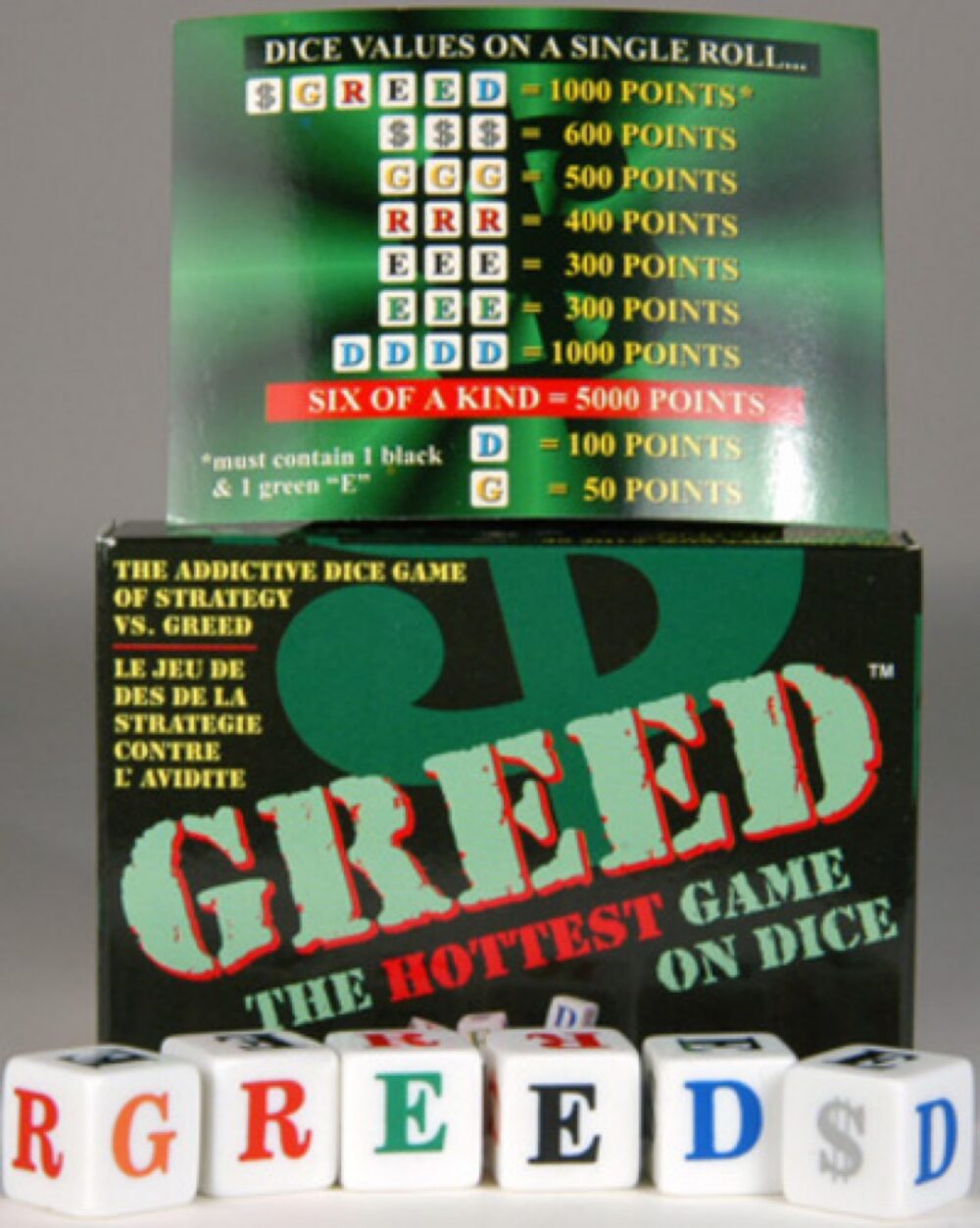
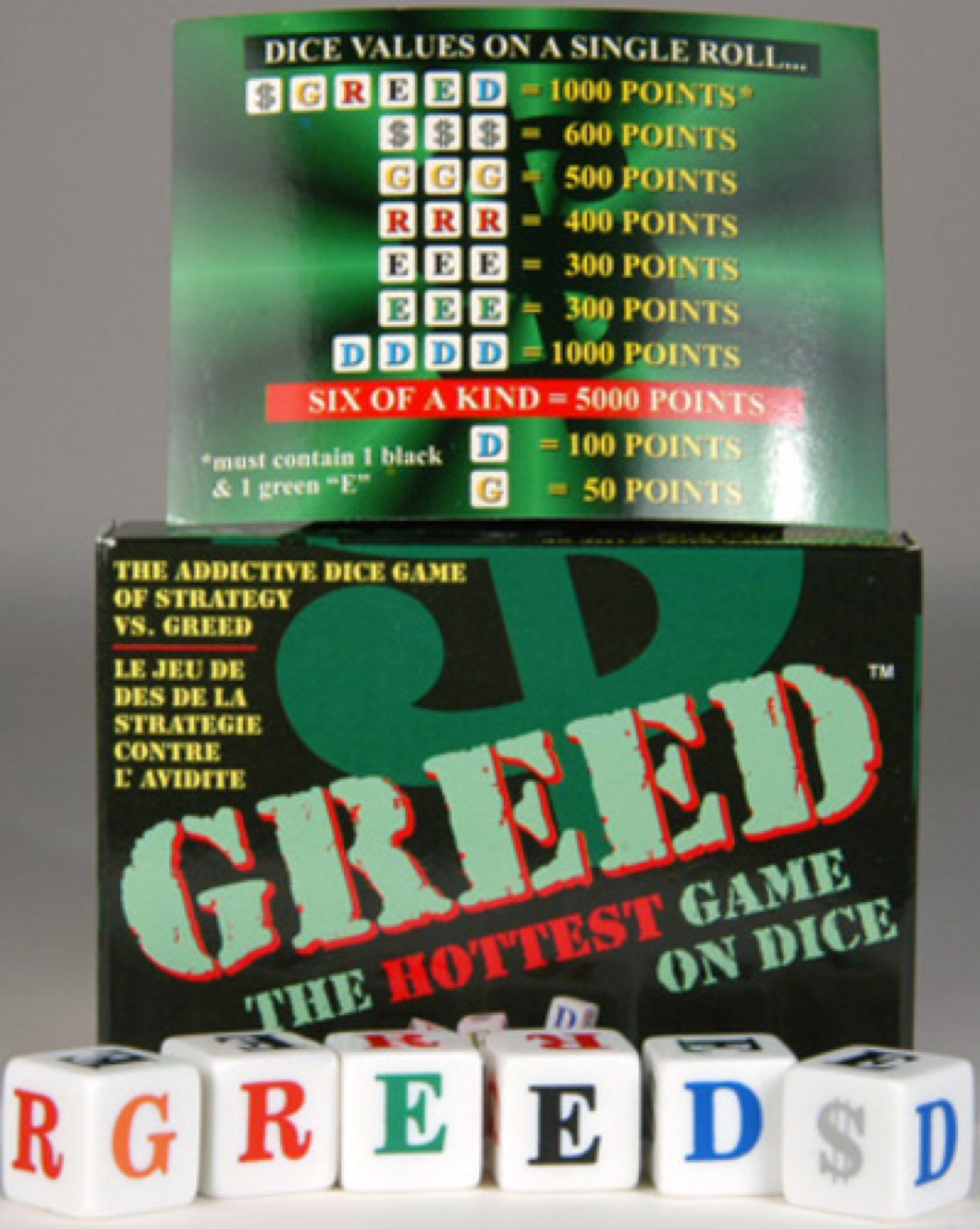
- Farkle – listed by retailers like Maziply as a family dice game. It uses dice and score combinations to push your luck, but it’s played at a single table rather than rotating Bunco tables.
- Liar’s Dice – sold by outlets such as DK Gameroom Outlet. It uses dice and cups for bluffing and probability, with rules unrelated to Bunco’s round-based scoring.
These are good alternatives if you’re shopping for a “dice game shelf” rather than Bunco specifically. For a small ecommerce shop, they can sit alongside Bunco kits as part of a broader party-game category.
How to Judge Quality and Pick the Right Buying Channel
For Bunco and similar dice games, quality is mostly about usability and durability, not complex mechanics. Still, the details matter.
Materials and Design Checks
When you compare products, look specifically at:
- Dice quality – Standard acrylic dice are fine for casual play. If photos show rough edges, inconsistent pips, or misalignment, expect cheap-feeling dice that may be annoying in bulk.
- Score sheets – Are they thick enough to avoid bleed-through with pen? Some printable designs shared via Pinterest or Bunco sheet sites use decorative backgrounds that can waste ink when you print dozens for a league.
- Readability – Check specimen photos of rule cards and score pads. Bunco thrives on fast rounds; cramped or low-contrast layouts slow down play and confuse new guests.
- Accessories – Bells, plush dice, or tote bags don’t need premium materials, but if you’re reselling kits, they affect perceived value and review risk.
Channel Pros and Cons for Players vs Sellers
Different buying channels tend to shine for different scenarios:
| Buyer type | Best-fit channels | Why they work |
|---|---|---|
| Home host buying 1 set | Official Bunco.com, big-box toy/game retailers | One-stop boxed kits with rules and sheets included |
| Budget host or club organizer | Niche Bunco dice shops + printable score sheets online | Control over color/theme; save money by printing your own |
| Crafter building themed kits | Etsy, Bunco accessory shops | Access to jewelry, décor, and custom designs |
| Small ecommerce seller (bulk) | Wholesale dice/accessory sources, cross-border sites | Lower per-unit cost on dice and generic accessories |
If you’re considering that route, it’s worth reading background explainer pages like What DHgate is and how the marketplace works and guidance on how to find trusted sellers on DHgate. Treat Bunco supplies like any other inventory: inspect product photos closely, ask the seller clarifying questions, and run through an order-readiness checklist before committing to a larger quantity.
Host vs Reseller Scenarios
If you’re a home host planning one or two Bunco nights a year, you’re usually best off with either:
- A single boxed Bunco kit from an official or mainstream toy retailer; or
- A combination of bulk dice plus free/low-cost printable score sheets.
If you’re a small ecommerce seller, the calculus changes. Buying dice and pencils in bulk, then layering on printed Bunco sheets and low-cost themed accessories, lets you create margin while still offering an attractive “Bunco night in a box.” Use boxed competitors like Farkle or Liar’s Dice as reference points for what a complete game feels like at retail, but design your kits for your specific audience (for example, breast-cancer-awareness pink-ribbon themes or neighborhood league starter kits).
Where Bunco Sets and Dice Games Are Actually Available
Putting this all together, here’s how the real market tends to look from a buyer’s perspective:
- Official Bunco channels – Bunco.com and related catalog pages sell branded Bunco games and supplies. Good for buyers who want the official logo and a straightforward rules package.
- Niche Bunco shops – Specialist sites focus on Bunco dice in many colors, score pads, and themed accessories. They’re useful if you already know the game and want to customize tables or build prize pools.
- Big-box and toy retailers – Major US retailers and toy shops carry Bunco-branded games and party-in-a-box packages as part of their board and party-game assortments. These are practical for in-store pickup or standard domestic shipping.
- Marketplaces like eBay and Etsy – You’ll see both new and secondhand Bunco kits, handmade score sheets, and themed accessories here. The mix is valuable if you like unique designs or want to test small quantities.
- Cross-border wholesale platforms – For bulk dice and generic accessories rather than rule-specific Bunco products, cross-border marketplaces can offer lower per-unit costs, with the trade-off of longer logistics and more hands-on seller verification.
If you can’t find a ready-made Bunco set that fits your theme or budget, you’re not stuck. Because Bunco only demands standard six-sided dice and simple scoring, you can:
- Source dice in colors or materials you like
- Use free or inexpensive printable score sheets
- Add low-cost themed extras (bracelets, décor, tote bags)
That flexibility is why Bunco sits neatly between “official branded kit” and “DIY party game.” Whether you’re a host or a reseller, the best sourcing decision is the one that matches your group size, theme ambitions, and tolerance for doing a bit of assembly yourself.