
American storefronts and shopping-focused travel span everything from Amazon and Walmart online to destination malls like Mall of America and village-style centers such as Peddler’s Village. For a US-based buyer or small ecommerce brand, your best choice depends on whether you need everyday deals, inspiration for product lines, or authentic “made in USA” goods you can build a story around.
If your priority is practical shopping at scale, large online retailers and big-box chains give you the widest assortment with minimal travel. If you want inspiration, unique products, or to understand how American retail feels on the ground, planning trips around key malls, outlet centers, and historic shopping districts is often a better use of time and budget.
What “US Storefronts and Travel” Really Means for Shoppers and Small Brands
In US retail, a storefront is the visible facade and entryway of a shop facing the street or mall corridor; the term is also used loosely for a brand’s online “shop” presence.Storefronts shape how customers experience a retailer, whether that’s a Main Street boutique, a flagship department store, or the landing page of a major ecommerce site.
Travel connects directly to storefronts because many US tourism experiences are built around shopping. Brand USA, the public–private organization that markets the United States as a destination, actively highlights city neighborhoods, outlet centers, and malls as part of the country’s appeal to visitors, alongside food, culture, and nature experiences.Brand USA
Historically, travel agencies like Liberty Travel have packaged US city trips where shopping—whether on Fifth Avenue, Michigan Avenue, or suburban malls—is part of the draw. Today, you can plan similar shopping-focused itineraries yourself around:
- Major malls and retail complexes: Mall of America in Minnesota is one of the country’s best-known shopping destinations, combining hundreds of stores with entertainment.
- Village-style centers: Peddler’s Village in Pennsylvania is a curated mix of specialty shops, dining, and events that attracts large visitor numbers.
- Historic commercial streets: older downtowns and preserved “main streets” where the storefront architecture and local businesses are part of the travel experience.
For buyers and small ecommerce sellers, these places are not just tourist stops; they’re living catalogs of what American consumers see, touch, and buy.
Types of American Storefronts and Shopping Destinations
US storefronts and shopping spots fall into a few practical categories. Each behaves differently as a buying channel and as a source of ideas for a small brand.
Major online and department-store storefronts
These are the obvious everyday workhorses:
- Online giants: Amazon, Walmart.com, Target.com
- National chains with strong web + store presence: Best Buy, Macy’s
Editorial and marketplace coverage consistently treat these as core US shopping channels because they carry vast assortments across electronics, apparel, home, beauty, and more.DHgate blog context
For a US buyer: they’re convenient and broad. For a small ecommerce brand: they’re competitive benchmarks and trend trackers—what’s featured, how items are bundled, which private labels are growing.
Big-box and outlet centers
Big-box chains (such as Walmart stores or Best Buy locations) and outlet centers (Nike outlets, Tanger or Premium Outlets complexes highlighted in retail coverage) are built for volume. Outlet centers in particular cluster brand-name stores that focus on prior-season assortments, overstock, or outlet-specific lines.
If you travel to an outlet cluster, you can see how major brands position budget-focused versions of their products: simplified materials, multipacks, color runs that differ from flagship stores. That can spark ideas for value-tier products or bundles in your own catalog.
Destination malls and village-style centers
Some places are shopping trips in their own right:
- Mall of America (Bloomington, MN) is a multi-level, multi-attraction complex with heavy foot traffic and a broad mix of chains, regional brands, and entertainment. It’s often cited in travel and retail commentary as a “must-see” American shopping experience.
- Peddler’s Village (Bucks County, PA), described by local business media as a top-ranked shopping center that draws around two million visitors a year, focuses on specialty boutiques, crafts, and seasonal events.Peddler’s Village profile
For a small brand, these destinations are ideal reconnaissance trips: you can see which souvenir styles sell, how local makers present their stories, and what price points tourists accept for “authentic” or “local” goods.
Historic main streets and themed districts
Beyond malls, many US towns promote preserved or revitalized main streets as travel attractions. A typical main street or themed district blends:
- Independent boutiques (apparel, gifts, home goods)
- Food and beverage concepts (coffee, craft beer, dessert shops)
- Services (barbershops, travel agencies, galleries)
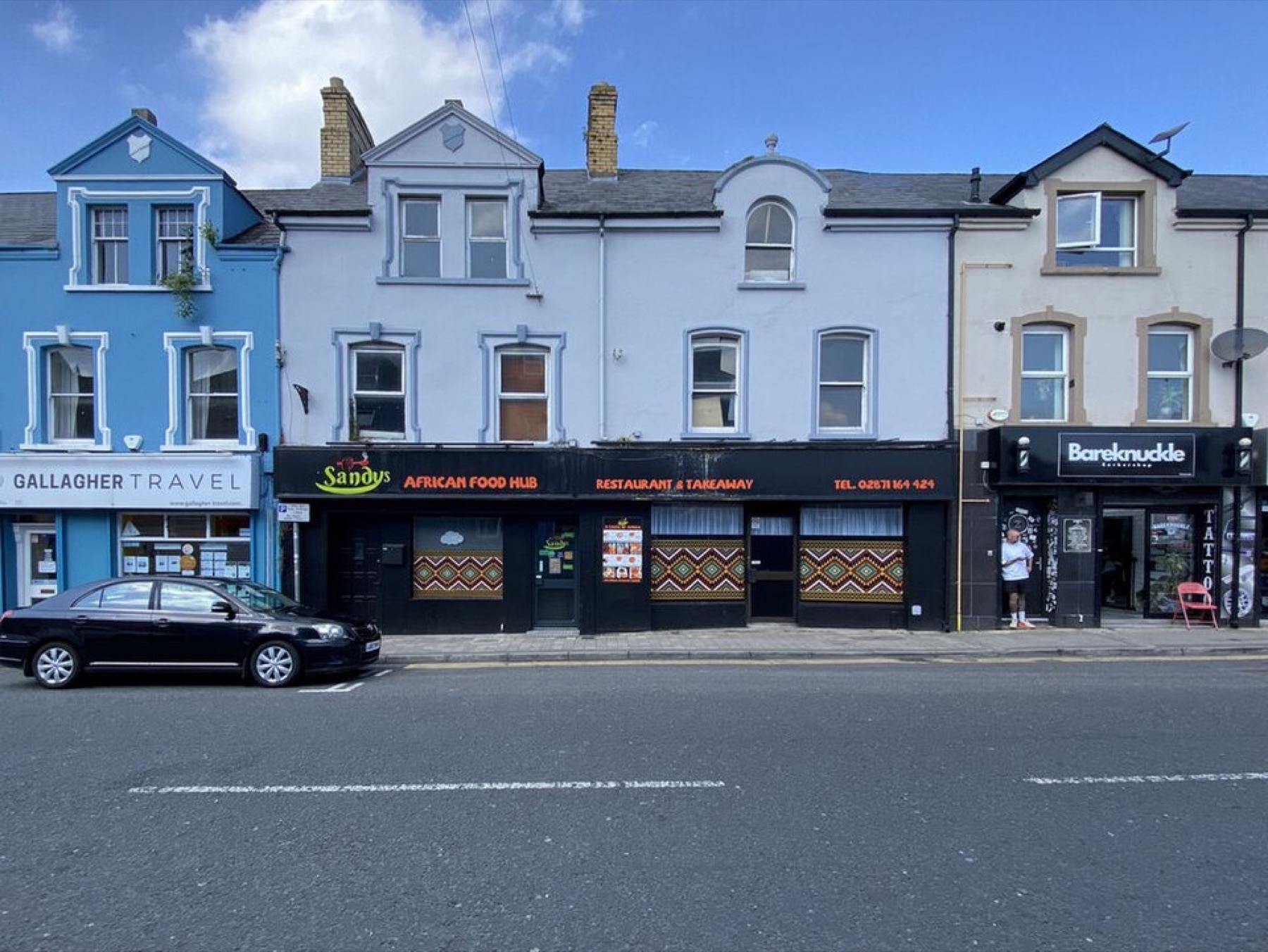
These storefronts emphasize story and atmosphere more than scale. Walking a few blocks gives you a quick education in how small American businesses merchandise windows, use signage, and mix product categories.
How these storefront types compare
Here’s a compact comparison for buyers and small ecommerce brands:
| Channel type | Typical assortment size | Price focus | Best for buyers | Best for small brands |
|---|---|---|---|---|
| Online giants (Amazon, etc.) | Extremely broad | Mix of value & mid | Everyday shopping, fast comparisons | Trend scanning, packaging ideas |
| Big-box & outlet centers | Broad within few niches | Value & deal-driven | Stocking up, brand-name bargains | Studying value-tier product strategies |
| Destination malls (e.g., MOA) | Very broad | Full range | One-stop shopping + entertainment | Observing chain + regional brand mix |
| Village centers (e.g., Peddler’s Village) | Curated, specialty-heavy | Mid to premium | Gifts, local crafts, seasonal buys | Sourcing inspiration for “local” or artisanal lines |
| Historic main streets | Narrow but unique | Mid to premium | Browsing, discovering niche shops | Learning storefront storytelling and merchandising |
How to Choose the Right US Storefront or Shopping Trip for Your Needs
Choosing between a laptop and a suitcase starts with your actual goal. For US-based buyers and small ecommerce businesses, four practical questions help narrow the field.
1. Do you need assortment or differentiation?
If you mainly need a wide choice of ready-to-use products—say, electronics to resell directly or household items for personal use—major online storefronts and big-box chains are more efficient. You can compare specs, reviews, and alternative brands in minutes and keep your costs focused on product, not travel.
If you’re hunting for differentiation—original gift ideas, design cues, or stories you can borrow for your own line—shopping trips pay off more. A day at Peddler’s Village or a historic main street can generate dozens of ideas for packaging, bundling, and seasonal themes that you simply won’t see as clearly in online thumbnails.
2. What price tier are you aiming to compete in?
Outlet centers and big-box stores are your best classroom for budget-tier products. Pay attention to how big brands simplify materials, reduce extras, and still maintain a recognizable identity.
Destination malls and boutique-heavy districts show you how mid-range and premium products justify higher prices through experience: display, storytelling, and event integration. If you plan to sell “American-inspired” or “made in USA” goods at a higher margin, those trips are usually worth the cost.
3. How much does authenticity matter to your concept?
If you’re building a brand around genuine American origin—US-made textiles, crafts from specific regions, or souvenirs tied to known destinations—shopping travel inside the US is hard to replace. Walking the actual storefronts lets you:
- Confirm which styles and phrases feel natural to American shoppers.
- Spot regional differences (New England vs Southwest, for example).
- Meet small makers or shop owners you might later contact for wholesale discussions.
If your concept is more “American-themed” than truly US-made—stars-and-stripes motifs, sports-inspired designs, pop-culture prints—cross-border marketplaces can play a supplemental role. A platform like DHgate hosts global sellers of US-themed apparel, accessories, and decor that you can evaluate remotely.
Because DHgate is a marketplace rather than a US retailer, it’s best treated as a sourcing option for theme-based goods rather than a channel for authentic American storefront experiences. Before using it, review how the marketplace works and how to assess individual sellers, using resources such as What DHgate is and how the marketplace works and Find trusted sellers on DHgate.
4. How will logistics and time shape your choice?
Travel-based shopping requires time for planning and transit. For a small brand, it makes the most sense when you can:
- Cluster multiple destinations (e.g., a major mall, an outlet center, and a historic district in one region).
- Combine research with content creation—photos, stories, and social media material from real US storefronts.
If your calendar or budget rules out travel, treat major US online storefronts and chain sites as your baseline lab. Study category pages, seasonal landing screens, and top-selling lists, then test your own variations in your ecommerce store.
In practice, many US-based small brands mix both approaches: they rely on online storefronts and data for everyday decisions and plan occasional shopping-focused trips to places like Mall of America or Peddler’s Village when they need fresh inspiration or authentic product partners.