
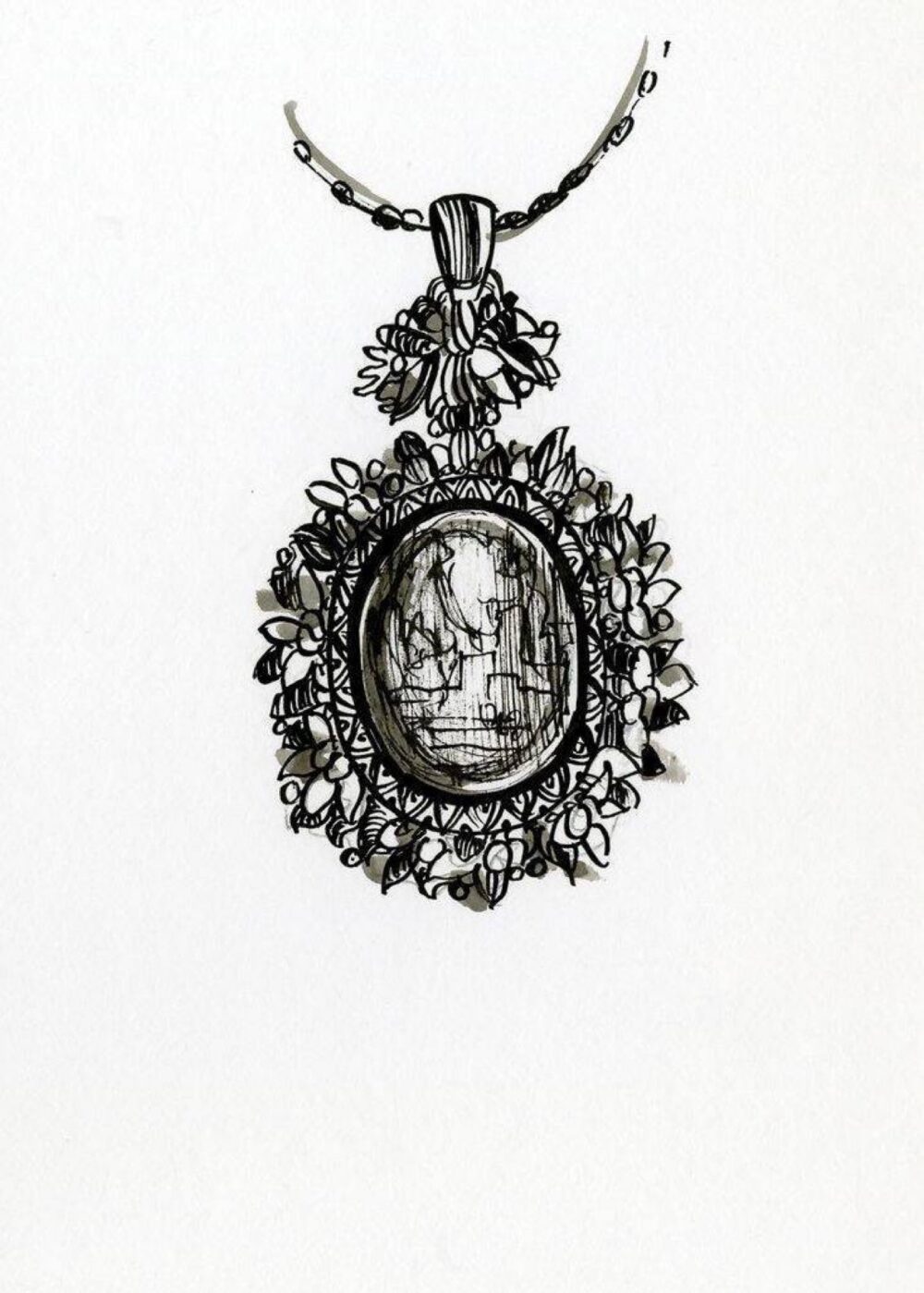
Genuine larimar pendants are worth paying attention to, but you only get a good deal when you know what real larimar looks like and choose the right channel to buy from. Authentic larimar is a rare blue variety of pectolite found only in the Dominican Republic, typically showing ocean-like blue or blue‑green with white swirls. If a pendant’s stone, origin story, and craftsmanship line up, you’re usually better off comparing a few artisan larimar shops with large marketplaces and picking the seller who clearly documents Dominican sourcing, stone grade, and metal quality.
What Counts as Real Larimar Jewelry and Why People Seek It
Larimar is a natural gemstone, not a brand name. It’s a rare blue form of the mineral pectolite that occurs only in the Dominican Republic, in small deposits rather than huge mines. That single-country origin and limited supply are a big part of why buyers treat larimar jewelry as special.
The stone is known for its distinctive blue‑green coloring, often compared to Caribbean water, and white patterns that can look like clouds or waves. Those colors come from copper in the mineral, while the white streaks are related to calcium carbonate in the stone’s structure.
Larimar’s hardness is around 4.5-5 on the Mohs scale, meaning it’s softer than a sapphire or diamond but still practical for pendants, earrings, and rings if you treat it with some care. People pay more than they would for many common semi‑precious stones because larimar is rare, visually striking, and often marketed with calming or ocean‑inspired symbolism. That also means poorly cut stones, low‑grade material, and outright fakes do show up in the market, especially online.
Larimar Pendant Styles and Quality Signals to Check Before You Buy
Online you’ll see a few recurring larimar pendant styles:
- Simple cabochon pendant: A polished, rounded larimar stone bezel-set in sterling silver or gold.
- Statement or “huge” pendants: Large freeform stones with dramatic patterns and heavier settings.
- Design motifs: Tree of life, waves, hearts, or florals built around a central larimar cabochon.
- Mixed-stone pieces: Larimar combined with pearls or other gems in multi-stone pendants.
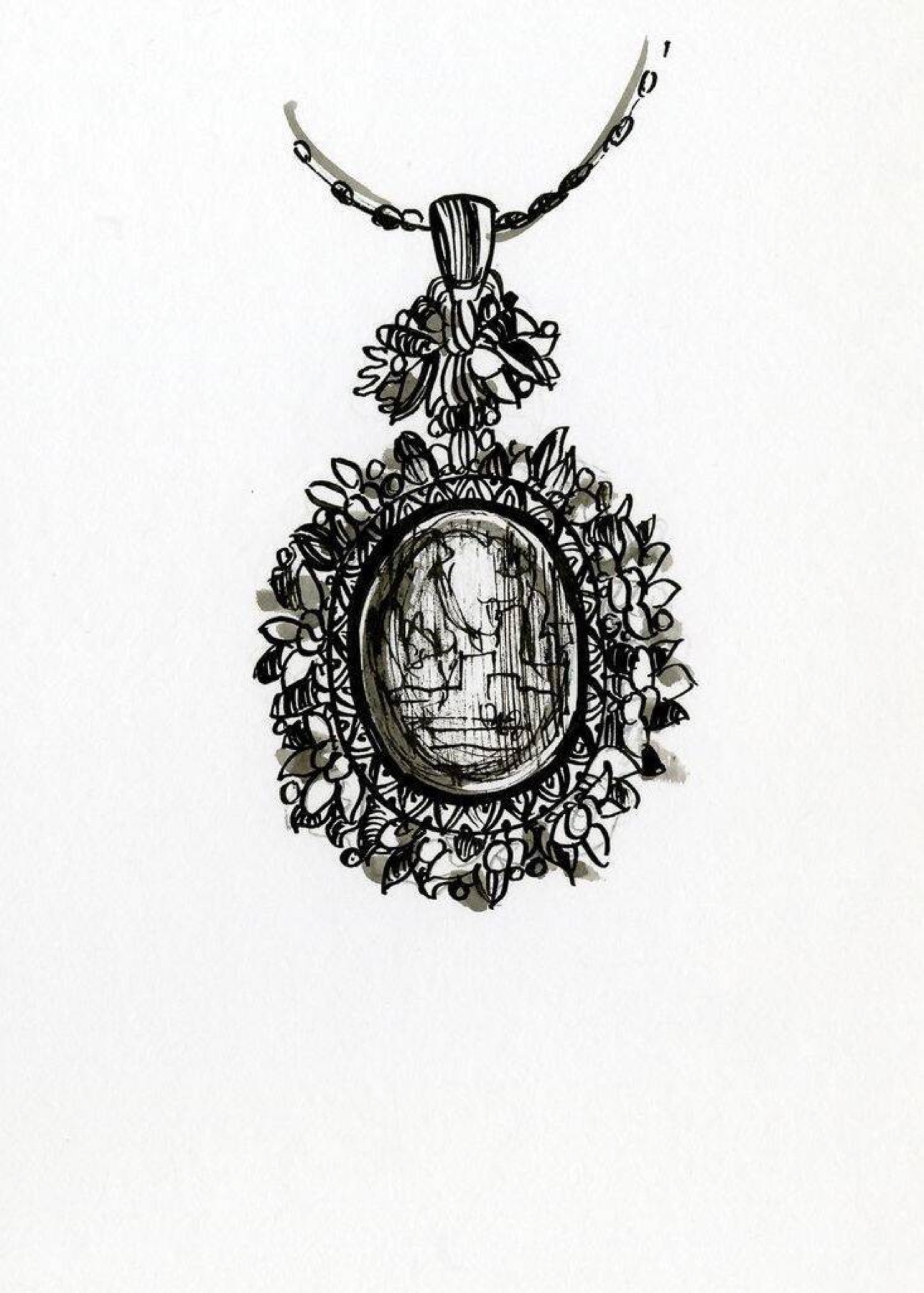
Because you’re buying from photos, you need a quick checklist tailored to larimar:
1. Stone look and grade (from the photos) Real larimar usually shows:
- Blue to blue‑green base color, often uneven, not flat paint-like.
- White marbling or bands that look natural, not perfectly repeated from piece to piece.
- Some translucence or depth, especially in higher-grade stones.
Stones that look dull gray, uniformly bright aqua, or have identical patterns across many listings can signal low-quality material or imitation resin. For personal wear, decide if you want strong, saturated blue (usually priced higher) or are happy with lighter or more greenish tones at a lower price point.
2. Setting and metal choice Larimar’s softness and sensitivity make the setting matter. Common choices:
- 925 sterling silver: Most mid-range larimar pendants use this. Look for clear “925” marking in photos or description.
- Gold or gold vermeil: Useful for dressy pieces, but ensure the description explains whether it’s solid gold, plated, or vermeil.
- Open vs. protective bezel: A full bezel around the stone offers more edge protection than prongs, which can leave softer larimar corners exposed.
If you plan to wear the pendant daily or resell to customers who will, a sturdy bezel in silver is usually the most practical choice.
3. Craftsmanship in close-ups Zoom in on:
- Fit of stone in setting: No obvious gaps or uneven epoxy overflow.
- Polish quality: A smooth, even surface without flat spots or visible grinding marks.
- Back side of the pendant: Better sellers show the reverse; a clean back and neat solder joints suggest more careful work.
Listings from specialist shops like Larimar.com’s pendant collections or Larimar Creations often highlight “handcrafted” settings and show multiple angles of each piece. That level of detail is useful whether you’re buying one pendant or deciding if a shop should be a regular source.
4. Care and wear demands Larimar can be sensitive to harsh chemicals, extreme temperatures, and prolonged water exposure. That affects what you should buy:
- If you rarely take jewelry off, avoid very large, exposed stones that might get banged around.
- Skip pendants you’d want to wear in pools, hot tubs, or showers; long water exposure can weaken settings and dull the stone.
- For customers, be ready to include care notes in listings if you’re reselling.
5. Marketplace-specific caution On broader marketplaces like Etsy, eBay, or DHgate, larimar pendants come from many independent sellers mixed together. Some offer genuine Dominican stones; others may sell lookalike glass or dyed material. Use:
- Detailed photos with natural-looking marbling, not stock images reused across multiple listings.
- Clear origin language (Dominican Republic, Barahona, “Bahoruco region”) and whether stones are natural or treated.
- Reviews that mention larimar specifically, not just generic shipping comments.
If you’re considering DHgate in that mix, treat it like any large marketplace: evaluate each seller individually, then follow a structured pre‑checkout review of listing details and seller history. Guides such as what DHgate is and how the marketplace works and how to find trusted sellers on DHgate can help you build that process before you buy.
Where to Buy Larimar Pendants Online: Specialist Shops vs. Marketplaces
You essentially have two channel types: niche larimar or Caribbean jewelry shops, and big marketplaces where larimar is one of many categories. Each has trade-offs for US buyers and small ecommerce sellers.
Here’s a compact way to think about them:
| Channel type | Typical strengths | Common trade-offs | Good fit for |
|---|---|---|---|
| Specialist larimar retailers (e.g., Larimar.com, Larimar Creations, The Larimar Shop) | Curated larimar-only collections; detailed origin stories; consistent metal quality; one-of-a-kind pieces | Per-piece prices can be higher; less bulk discount on small orders; limited design variety outside larimar | First pendant purchase; gifts; small shops positioning as “authentic Caribbean” with a few hero pieces |
| Artisan jewelry sites and boutiques (e.g., Spyglass Designs, Akstar Gems) | Mix of larimar and other gemstones; unique design styles; often small-batch or handmade | Origin detail varies; stock can turn over quickly; you must compare each maker’s standards | Small resellers testing larimar alongside other ocean/boho jewelry styles |
| Large marketplaces (Etsy, eBay, Cross-border multi-seller) | Wide price range; many designs and stone grades; potential for bargain or bulk-friendly options | Mixed authenticity; inconsistent photo quality; more buyer due diligence needed | Budget-conscious buyers; resellers sourcing low- to mid-priced fashion-grade larimar look pieces |
Specialist sites like Larimar.com and Larimar Creations present larimar as their focus, often emphasizing Dominican sourcing and handcrafted silver settings. For a first pendant, that clarity helps you understand what genuine larimar looks like, even if you later hunt for deals elsewhere.
Marketplace channels, by contrast, give you a broad spectrum: everything from “huge larimar pendants” and fashion necklaces on eBay to many small artisans on Etsy with their own interpretations of larimar designs. DHgate sits in that same category—a large marketplace where larimar jewelry can appear among many other cross-border products.
For a personal buyer, a sensible path is:
- Start by browsing a couple of specialist larimar shops to train your eye on real stones and careful settings.
- Decide your preferred color intensity and pendant size.
- Only then compare prices on larger marketplaces, applying the same visual and origin checks.
For a small ecommerce seller, channel choice depends on your brand:
- If you want to market “authentic Dominican larimar” with higher perceived value, building a relationship with one or two specialist or artisan retailers is more coherent.
- If your store is fashion-forward and price-sensitive, marketplaces can provide a wider mix of larimar and larimar-style pieces, but you’ll need a stricter process for vetting suppliers and managing customer expectations about stone grade and care.
Either way, good value in larimar isn’t just about the lowest sticker price. It’s about buying stones that really come from the Dominican Republic, are cut and set in a way that suits larimar’s softness, and come from sellers who show you enough detail that you’re confident in what you—and your customers—will wear for years.