
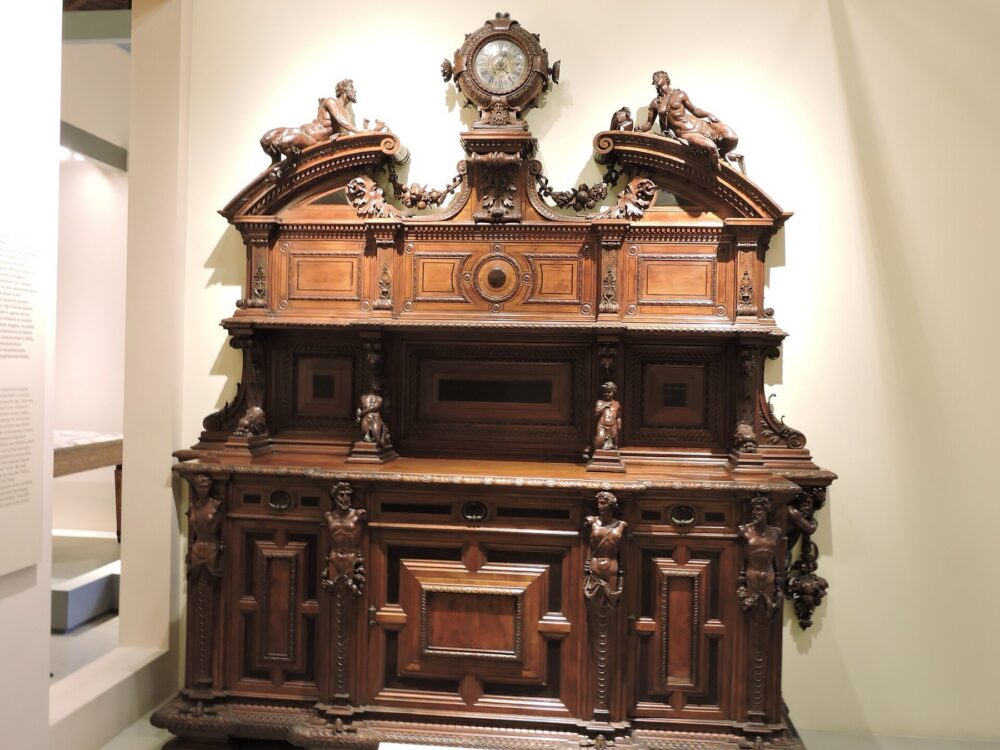
If you’re choosing vintage blue furniture online, start by deciding whether you truly need antiques (often 100+ years old), mid‑century vintage, or new vintage‑style pieces. That choice drives everything: where you should shop, how much blue patina and wear is acceptable, and whether a global marketplace like DHgate is relevant at all. For authentic one‑off antiques, specialist vintage platforms and local dealers are usually your main sources; for affordable blue “old‑fashioned” sofas and decor in volume, mass marketplaces become more useful.
What Counts as Vintage or Antique Blue Furniture (and Why People Want It)
Most editorial and design guides make a practical distinction:
- Antique furniture is generally over 100 years old.
- Vintage furniture is typically 20th‑century and younger than true antiques.
- Vintage‑style furniture is new but designed to look period‑correct.
In the blue category, that can mean a 1910s navy chesterfield, a 1960s mid‑century teal lounge chair, or a newly made “antique‑style” blue velvet sofa.
People hunt these pieces for three main reasons that show up repeatedly in vintage buying guides:
- Character – real age gives you worn arms, softened cushions, and blues that have mellowed.
- Sustainability – keeping existing wood and upholstery in circulation rather than buying new.
- Mixing with modern decor – a single vintage blue sofa can anchor a contemporary room, or resellers can build a niche around “classic blue living rooms.”patina vintage guide
If you’re a small ecommerce seller, your first decision is stock type: truly unique antique blue pieces (higher sourcing effort, higher potential margins) vs repeatable vintage‑style blue furniture you can reorder.
Types, Blue Tones, Materials, and Condition: The Real Tradeoffs
Blue vintage and antique furniture falls into a few useful buckets:
- Seating – blue sofas, loveseats, club chairs, wingbacks, dining chairs.
- Casegoods with blue accents – sideboards with blue painted fronts, chests, display cabinets.
- Smaller accents – stools, benches, or occasional tables with blue finishes or upholstery.
For each, you’re juggling color, material, and condition.
Blue tones: navy vs powder vs teal
- Deep navy/indigo: feels formal and traditional. Works for leather chesterfields, carved wooden armchairs with navy upholstery, or French‑style sofas. Shows dust and pet hair less but makes wear on blue leather more visible.
- Mid blues and teals: common in mid‑century and 1960s/70s pieces. These can read retro or coastal depending on fabric and frame.
- Pale powder blue: often in painted cottage furniture or tufted boudoir chairs. Great for romantic or French country rooms but stains and denim transfer show faster.
If you’re buying to resell, decide your palette: a navy‑heavy assortment fits classic and masculine interiors; powder blue skew fits shabby chic and cottage markets.
Materials and why they matter
- Solid wood frames (oak, walnut, beech) with blue upholstery: generally durable and easier to re‑cover. Look for close‑up photos of joints and rails.
- Blue painted wood: increasingly popular for casegoods. Expect visible brush strokes, chips on corners, and possible later repainting.
- Leather or faux leather in blue: higher drama, but cracks and color shifts are common; these need detailed photos.
- Velvet and heavy textiles: lush, especially in navy, but show pile wear and crushing where people sat.
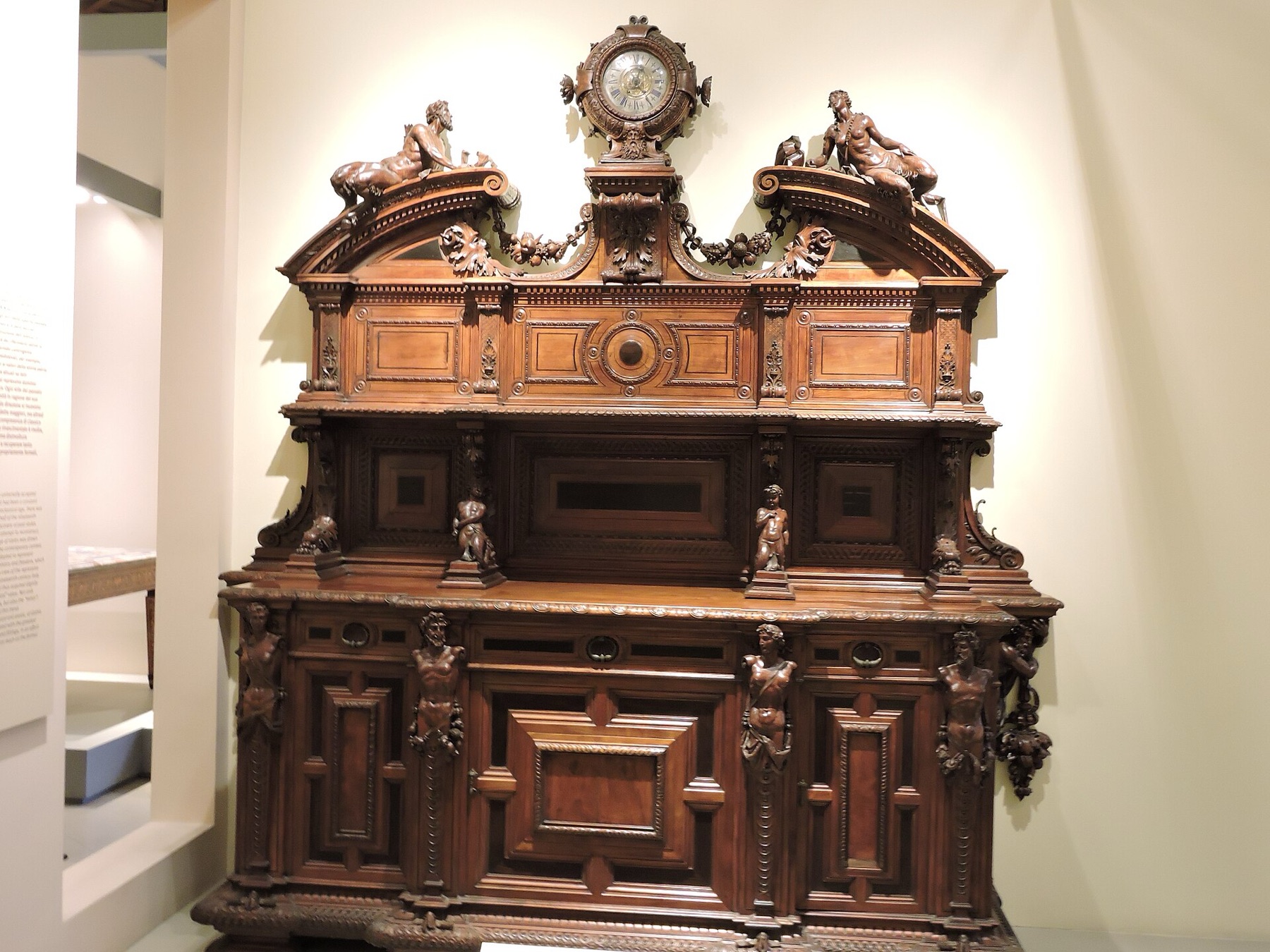
Antique furniture guides emphasize checking construction and materials, not just color: zoom in on joints, underside, and back panels. Are they consistent with the claimed era, or do you see modern screws and MDF that signal a newer piece?World Antiques Depot guide
Condition tiers that actually help you choose
You’ll see everything from “perfect” to “project” in listings. Here’s a practical way to interpret them across antique, vintage, and vintage‑style blue furniture:
| Category | Typical Age | Blue Finish Look | Condition Sweet Spot for Most Buyers |
|---|---|---|---|
| Antique | ~100+ years | Faded, crazed, patina, chips | Structurally sound, visible honest wear |
| Vintage | ~20-100 years | Still saturated, some fading | Minor repairs, original or period‑appropriate fabric |
| Vintage‑style | New, repro | Even, consistent color | Like‑new; any distressing is intentional, not damage |
For home use, “structurally sound with honest wear” is usually ideal: joints are tight, the frame doesn’t wobble, but the blue shows age. For resale, you may deliberately buy rougher antiques if you plan restoration.
Buying Vintage Blue Furniture Online: Listing Checks and Platform Choices
Online, you’re substituting photos and text for what you’d normally do in person: tilt the piece, sit on it, inspect the underside. Antique buying guides repeatedly recommend focusing on construction, wear, repairs, and originality from the listing itself.World Antiques Depot guide
How to read a listing for quality
For any blue “vintage” or “antique” sofa or cabinet:
- Study structural photos: look at the frame from underneath and behind. Are there cracks at stress points? Has someone added metal brackets or new screws?
- Compare wear patterns: consistent fading on arms and seat suggests long, honest use; a perfectly bright blue seat with heavily worn arms can indicate partial reupholstery.
- Look for declared repairs: reputable sellers mention re‑glued joints, replaced springs, or new fabric. Lack of any repair notes on a 1940s piece can be a red flag.
- Check originality signals: period‑correct hardware, nail patterns, and fabric styles matter. A genuinely antique blue sideboard with brand‑new euro hinges is probably modified.
Independent guides on buying vintage furniture online also stress the platform piece: stick to marketplaces and sites that encourage detailed descriptions, multiple photos, and have visible seller feedback histories.Washington Post vintage furniture article
Where DHgate fits vs specialist vintage marketplaces
For true antique blue sofas, chairs, and casegoods, most of the supply lives on:
- Specialist vintage/antique sites and dealer platforms
- General marketplaces that allow one‑off listings from local sellers
DHgate, by contrast, positions itself in its editorial blog as a convenient place to browse vintage‑style sofas and affordable living‑room furniture with filters for style and price, and a wide range of old‑fashioned and antique‑style sofa designs.DHgate vintage sofa blogDHgate budget furniture blog That makes it more relevant in these scenarios:
- You want the look of a navy chesterfield or powder‑blue tufted sofa, not an actual 19th‑century piece.
- You’re a small retailer who needs repeatable stock: the same blue vintage‑style sofa available across multiple orders, not a one‑off.
- Budget is tight and you’re prioritizing style and price over provenance.
If you do explore DHgate for vintage‑style blue furniture, treat it like any large marketplace:
- Use style and color filters to isolate blue vintage‑style designs.
- Read product descriptions carefully to confirm these are new pieces with a distressed or classic look, not genuine antiques.
- Combine marketplace‑level research (how DHgate operates as a platform) with seller‑level checks and your own order checklist. Helpful starting points include What DHgate is and how the marketplace works, Find trusted sellers on DHgate, and the DHgate order-readiness checklist.
If your goal is authentic antique blue furniture with real age and investment potential, prioritize specialist vintage platforms and dealers. Use DHgate and similar global marketplaces mainly for vintage‑style blue seating and decor where repeatability and price matter more than provenance.