
What Counts as Induction Cooktop and Stove Accessories on DHgate?
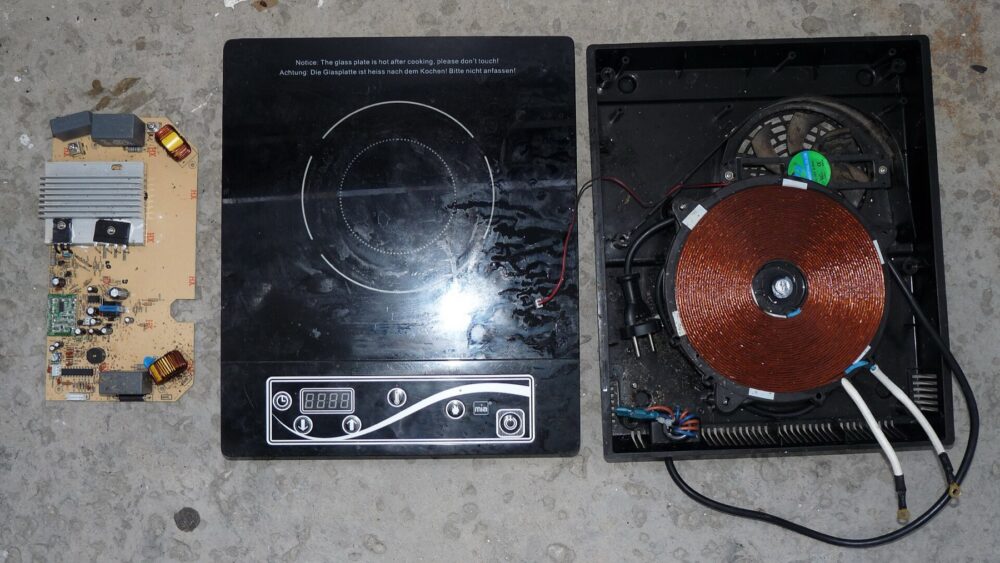
Induction cooktops heat cookware with electromagnetic fields instead of a hot burner. As DHgate’s own blog notes, buyers like them for faster cooking, efficiency, and surfaces that stay cooler to the touch, which makes safety accessories and compatible gear more relevant.
On DHgate, you won’t usually see a neat “induction accessories” aisle. Instead, you’ll find related products scattered under household appliances, kitchen tools, and cookware. Common accessory types you may be trying to source include:
- Cookware compatibility helpers – induction interface disks, ferromagnetic plates, or adapter pads that let non‑magnetic pots work on an induction zone.
- Protection and safety add‑ons – heat‑resistant mats or guards around the cooktop, splash guards, anti‑slip pads for pans, and child‑safety knobs/covers for stoves surrounding the induction unit.
- Surface care and durability – soft scrapers, specialized cleaners, and protective covers designed not to interfere with the magnetic field.
- Daily‑use helpers – silicone utensils and trivets rated for high heat, pot lids and handles that stay cool, and organizers that keep metal items away from the active zone.
On DHgate, these may be described with phrases like “induction cooker accessory,” “induction stove tool,” “magnetic plate for induction,” “heat resistant mat for cooktop,” or simply “kitchen stove accessories.” Aligning your keywords with these kinds of phrases is what makes your search usable instead of random.
Step-by-Step: Searching and Narrowing Induction Accessories on DHgate
Use this concrete workflow on DHgate’s homepage:
- Start with specific, multi‑word searches
In the top search bar, try queries like:
- “induction cooktop accessories”
- “induction stove magnetic plate”
- “induction cooker heat resistant mat”
- “stove child safety cover” (for safety around the cook area)
Run a few variations; DHgate search is sensitive to wording.
- Scan the first page for obviously wrong categories
Ignore fashion, random electronics, or unrelated decor that sometimes show up. You’re looking for kitchen, cookware, or appliance‑adjacent listings.
- Click into promising categories
Once you see a relevant item, click it and then explore its category path in the breadcrumb trail (for example, Household Appliances → Kitchen Appliances or Home & Garden → Kitchen, Dining & Bar). From there, use the category view’s own search box to refine with “induction” or “heat resistant” so you’re staying inside kitchen‑relevant results.
- Use filters where available
DHgate’s exact filters vary by category, but you can usually:
- Sort by orders to see what’s actually selling.
- Sort by rating to bring better‑reviewed items up.
- Sometimes narrow by material keyword (e.g., typing “silicone” or “stainless” into the in‑category search).
- Shortlist instead of deciding immediately
Open 5-10 promising listings in new tabs. For each, ask:
- Does the title clearly mention induction or cooktop use?
- Are there photos showing the accessory on or near an induction surface?
- Does the description mention heat rating (in °F/°C), material, or any compatibility notes?
Keep only the tabs that pass those basic relevance checks.
- For small ecommerce buyers, separate sample candidates
If you’re buying for resale, identify 2-3 listings that might be sample‑worthy once you finish vetting. Don’t commit to a larger quantity until you’ve walked through the safety checks below and thought through the steps in the DHgate order‑readiness checklist.
Evaluating Listings, Sellers, and When to Use Other Channels
Once you’ve narrowed to a handful of listings, treat induction accessories as higher‑risk than casual kitchen decor. You’re putting them in a high‑heat, electrical environment in a US kitchen.
How to read an induction accessory listing
On each product page, look for:
- Material and heat rating
For mats, trivets, and covers, the description should spell out materials (e.g., silicone, glass, stainless steel) and a max temperature. If the seller doesn’t say how hot it can safely get, don’t guess.
- Induction compatibility language
For plates and interface disks, you want explicit phrases like “for induction cooker,” “induction ready,” or photos showing the accessory between a cooktop and a pot. If the listing just says “stove” or “gas,” treat it as not proven.
- Electrical specifics for powered accessories
If the accessory plugs in or connects to power (for example, a timer or auxiliary device that sits near the cooktop), check stated voltage and plug type. Lack of any electrical detail is a major red flag for a US buyer.
- Use-case photos
Smart.DHgate’s induction hot plate guide highlights the value of clear use‑case pictures, and the same applies here: photos that show the accessory in action on an induction stove are more useful than generic catalog shots.
If a listing only has generic lifestyle photos and a vague one‑line description, it’s not a good candidate for an induction‑specific role.
Seller checks tailored to safety accessories
Guidance on spotting legit DHgate sellers often emphasizes two things: seller history and product presentation. You can adapt that to induction accessories like this:
| Check type | What to look for on DHgate | Why it matters for induction accessories |
|---|---|---|
| Seller tenure | A history of selling kitchen/appliance items, not just random goods | Suggests familiarity with heat/electrical product expectations |
| Portfolio consistency | Multiple related listings (cooktops, cookware, stove accessories) | Reduces chance this is a one‑off, poorly understood item |
| Listing detail | Clear specs, materials, and compatibility notes in real sentences | Indicates the seller understands how the accessory is used |
| Buyer feedback | Reviews that mention induction, heat, or actual usage (not just fast ship) | Gives some real‑world signal about performance and durability |
You can dig further with DHgateWiki’s guide on finding trusted sellers on DHgate if you’re unsure how to interpret patterns in ratings and reviews.
When DHgate is useful mainly for discovery
Because our research didn’t surface specific, verified induction‑accessory listings via API, you should assume there’s variation in how well sellers describe safety and compatibility. That means DHgate can be excellent for idea discovery—seeing what kinds of induction mats, interface disks, or stove guards exist—but not always the best place to finalize a purchase.
Shift to another channel (Amazon, big‑box kitchen retailers, or domestic restaurant‑supply sites) when:
- A DHgate listing doesn’t provide materials or heat ratings for surfaces that will touch a hot pot or cooktop.
- You can’t find clear induction compatibility wording or photos.
- Powered accessories lack voltage, plug type, or safety testing info.
- You need formal certification evidence (UL, ETL, CE plus US context) for resale and the seller doesn’t provide anything.
For US buyers and small ecommerce businesses, a practical approach is:
- Use DHgate to map accessory types, design ideas, and rough price tiers.
- For any accessory that sits directly on or between an induction surface and cookware, prioritize channels with stronger documentation and easier returns for the actual buy.
- If you do proceed on DHgate, start with one or two units as a functional check before considering larger quantities, and walk through the basics of what DHgate is and how the marketplace works so your risk expectations are realistic.
That trade‑off—DHgate for discovery, stricter channels for safety‑critical purchases—is often the safer path for induction cooktop and stove accessories.