
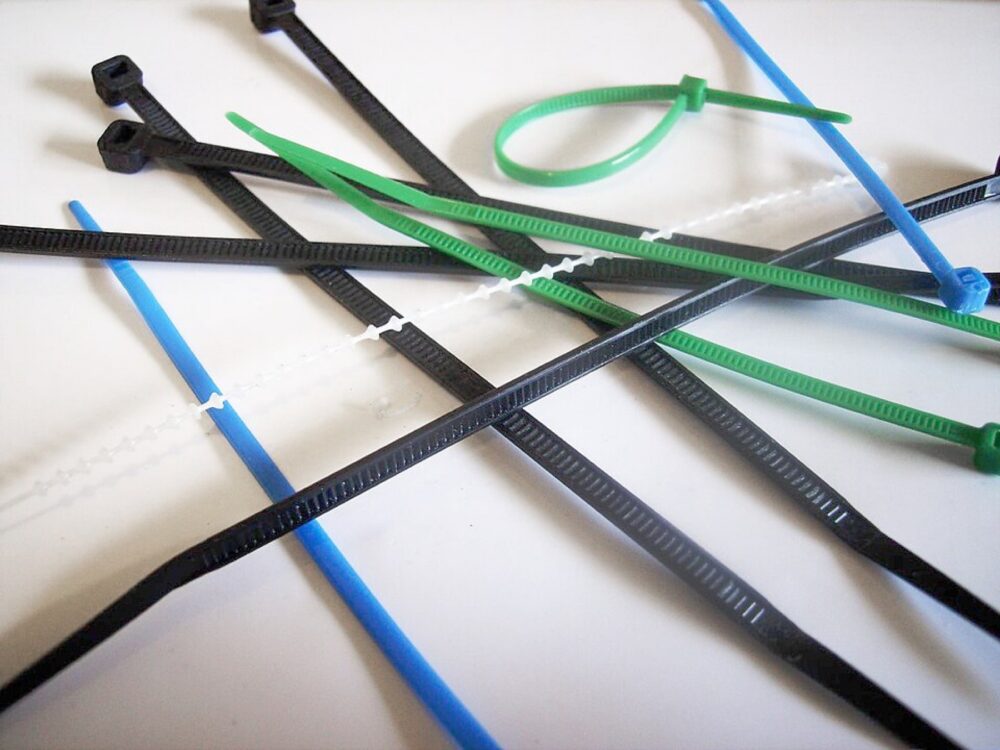
You can absolutely source cable ties and buckles on DHgate from Australia, but you’ll only get good results if you turn your hardware needs into precise search terms and then vet sellers carefully. For light DIY or a small ecommerce test, DHgate can be a low-cost way to explore bulk packs and mixed kits. For anything safety‑critical or large volume, you should treat DHgate as one option in a wider sourcing plan, start with samples, and be ready to fall back to local hardware or electrical suppliers if listings don’t meet your specs.
Before you open DHgate, it helps to be crystal clear on the cable management hardware you actually need, then map those requirements to search keywords and filters.
What Cable Ties & Buckles You’re Actually Looking For
“Cable ties and buckles” can mean very different things:
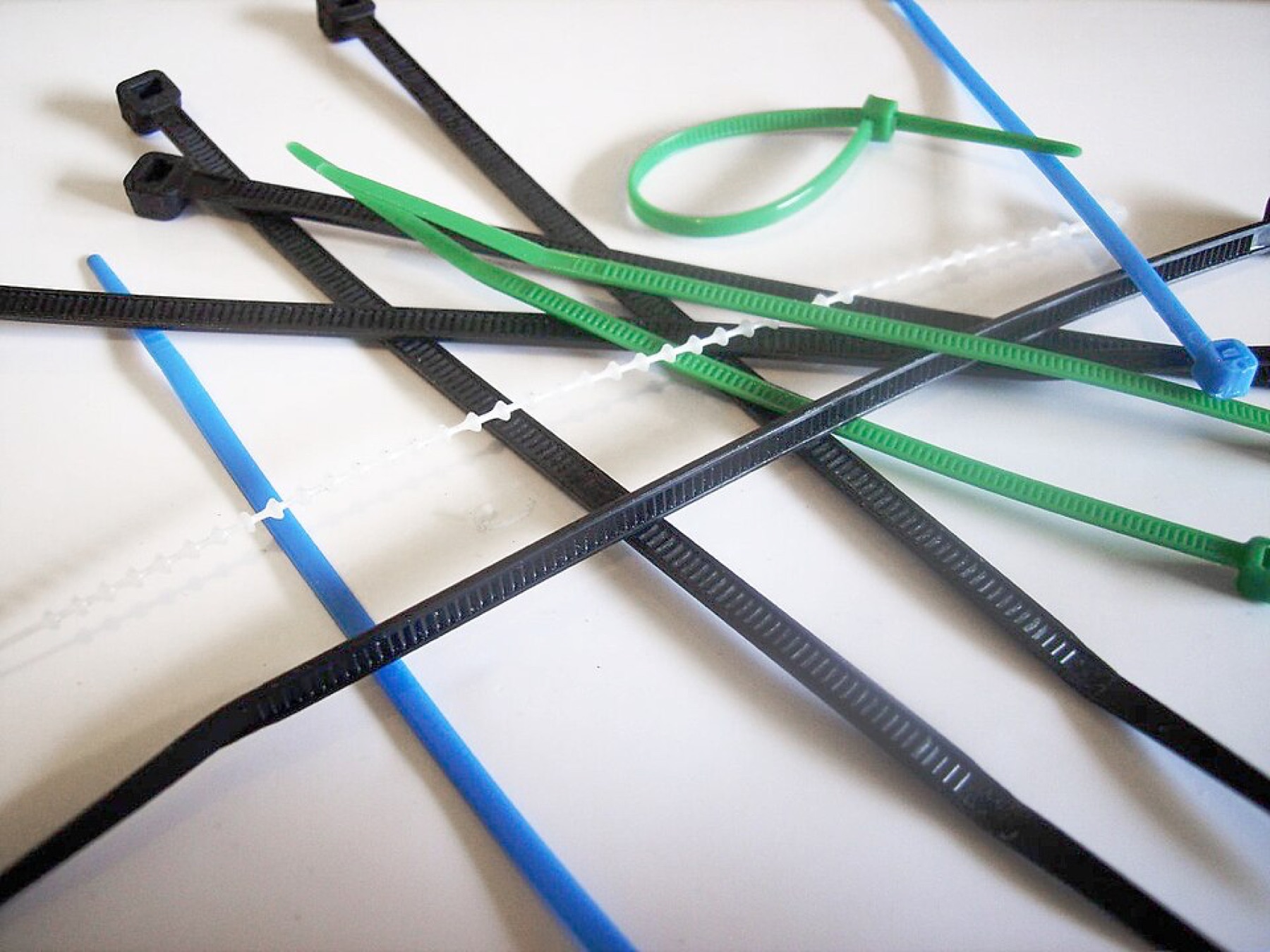
- Standard nylon zip ties for general bundling.
- UV‑resistant or heat‑resistant ties for outdoor or automotive use.
- Stainless steel cable ties and buckles for fire, marine, or high‑heat installations.
- Releasable ties and reusable straps for studio, staging, or ecommerce bundles.
- Separate buckles or tensioning clips that work with specific tie types.
Key specs to define before you search:
- Material:
- Nylon/polyamide for general indoor use.
- UV‑stabilised nylon for sun exposure (e.g., on solar installs in regional Australia).
- Stainless steel for harsh environments or where plastic is not allowed.
- Length and width: Typical nylon ties range from small (under 100 mm) up to >400 mm. Width affects strength and how the tie fits through buckles or mounting holes.
- Tensile strength: For serious cable management, know at least the rough strength band you need (light, medium, heavy‑duty) and look for listings that quote a value.
- Temperature and UV range: If you’re using ties outdoors or near heat sources, you don’t want generic indoor ties that will crack or creep.
- Pack size and mix: Do you need one size in bulk (e.g., 1,000 identical ties) or assorted kits that combine ties and buckles for resale?
For ecommerce, decide your target customer and listing promise first. If you plan to advertise “UV‑resistant outdoor ties”, you must source products that explicitly state UV resistance and material grade. That requirement will drive how you search and which DHgate listings survive the cut.
Using DHgate’s Search and Seller Tools to Find Hardware
Once your specs are clear, you can use DHgate’s generic search tools and seller information to hunt down suitable cable ties and buckles.
1. Start with specific keyword searches
On DHgate’s homepage, use the search bar with concrete terms instead of just “cable ties”:
- “stainless steel cable tie buckle”
- “UV resistant nylon cable ties”
- “heavy duty zip ties 300mm”
- “cable tie mounting buckle” or “tie wrap buckle”
If you get strange or off‑topic results, that’s normal — DHgate search can be noisy and occasionally misbehave. The independent guide on search issues from dhgateedit.app explains how links and categories can fail or redirect incorrectly; treat odd results as a search quirk, not proof the product doesn’t exist.
2. Use filters to narrow to usable listings
DHgate’s own ecommerce guide encourages buyers to use its filters and search tools to narrow products to match criteria like material, functionality, and other specs. For cable ties and buckles, filters and sorting are most useful for:
- Minimum order quantity: If you just need a trial batch, avoid listings that start at very high counts.
- Price bands: Sort by price, then discard the very cheapest outliers whose photos or descriptions look generic or incomplete.
- Seller ratings and transaction volume: Higher ratings and more sales suggest the seller is at least active and delivering something consistently.
Treat filters as a way to create a shortlist of 5-10 candidates, not as a guarantee that everything you see now meets your requirements.
3. Read product listings like a hardware spec sheet
DHgate’s shopping guide notes that typical product pages include specifications, images, prices, and seller ratings. For cable ties and buckles, read these as if you were reading a datasheet:
- Material and grade: Look for explicit mentions like “nylon 66” or “stainless steel” rather than generic “plastic”.
- Size table: Many sellers list multiple lengths and widths on one page. Make sure the size you plan to buy is clearly covered.
- Strength/temperature: Prefer listings that quote tensile strength or operating temperature ranges — these are signs the seller has at least some technical awareness.
- Photos vs. description: If the photos show one type of buckle or tie but the text mentions another (e.g., “stainless” in text but clearly plastic in photos), treat that as a risk and move on.
4. Evaluate sellers by patterns, not one metric
DHgate’s own sourcing content and wholesale tips all stress that buyers should check supplier ratings, reviews, and transaction history, then order samples before committing to bulk. Combined with independent commentary on DHgate from China Electronics, the picture is clear: quality and reliability are mixed, and vetting is a necessity.
For cable ties and buckles, focus on:
- Ratings plus review photos: Cable ties are simple, so look for reviews where buyers upload clear photos of the actual product and mention things like strength or feel.
- Repeat buyers: Multiple reviews from the same region or repeat orders suggest consistent supply.
- Seller responsiveness: Use DHgate’s messaging tools to ask simple spec questions (material grade, UV rating, tensile strength). How quickly and clearly they reply is part of your quality assessment.
If a seller is slow, evasive, or refuses to confirm basic specs, that’s a strong signal to drop them, especially for any Australian business that needs reliable repeat stock.
5. Use samples and small orders to de‑risk bulk buying
DHgate blog guidance on components and bulk buying recommends a sequence most Australian ecommerce buyers should follow:
- Define requirements: You’ve done this already — material, strength, pack size.
- Search and shortlist sellers: Use keywords and filters as above.
- Order samples or small packs: Buy the smallest practical quantity of 2-3 candidates.
- Test in context: Use them exactly as your customers will — outdoors, near heat, or under tension.
- Negotiate bulk tiers: Only once you’re happy with a supplier, message them to discuss larger runs and tiered pricing.
Bulk‑buying tips on DHgate’s blog emphasise starting small and verifying quality before increasing quantities. That logic is particularly relevant for cable ties and buckles, where failures can be invisible until a bundle slips or a tie snaps.
A quick table of what to check on each listing
| Checkpoint | Why it matters for cable ties & buckles | What to do on DHgate |
|---|---|---|
| Material & UV/heat notes | Prevent brittle ties or rusting buckles in Australian sun | Look for “nylon 66”, “UV resistant”, or “stainless” in specs |
| Size and strength details | Ensures the tie can physically and safely hold your load | Prefer listings with length/width tables and tensile figures |
| Seller ratings & photos | Signals consistent supply and real‑world performance | Prioritise sellers with photo reviews mentioning durability |
| MOQ and pack configuration | Aligns with sample vs bulk strategies | Choose small packs first; discuss bulk tiers only after testing |
| Seller communication | Indicates whether issues will be solvable later | Message seller; avoid those who won’t confirm basic specifications |
When DHgate Is (and Isn’t) the Right Source for Cable Ties & Buckles
DHgate can be useful for cable ties and buckles, but not in every scenario. Thinking in terms of your order size, risk tolerance, and timelines will keep expectations realistic.
For small buyers and early‑stage ecommerce:
- DHgate is often a reasonable way to explore assorted packs, test different buckles or specialty ties, and validate a product idea at low upfront cost.
For larger or safety‑critical orders (e.g., trades, installers, or brands selling into regulated environments):
- DHgate’s mixed‑quality marketplace nature means you should treat it as a secondary option unless you can fully verify specs and testing.
- Local Australian electrical and industrial suppliers, or established regional distributors, may be better suited when you need predictable material grades, documented tensile and temperature ratings, and faster replenishment.
A few practical switch‑points:
- You can’t find clear specs: If, after multiple searches, you only see vague “plastic ties” with no material or strength data, switch to local suppliers or more specialised platforms.
- Search results look wrong or broken: If DHgate links keep failing or categories look mismatched, use the checks outlined in the DHgate links not working guide. If that doesn’t fix things, don’t force DHgate — assume it’s not the most efficient route for this product right now.
If you want a broader view of how DHgate works as a marketplace, you can read What DHgate is and how the marketplace works. For more detail on spotting reliable vendors in general, Find trusted sellers on DHgate and the DHgate order‑readiness checklist are useful companions.