
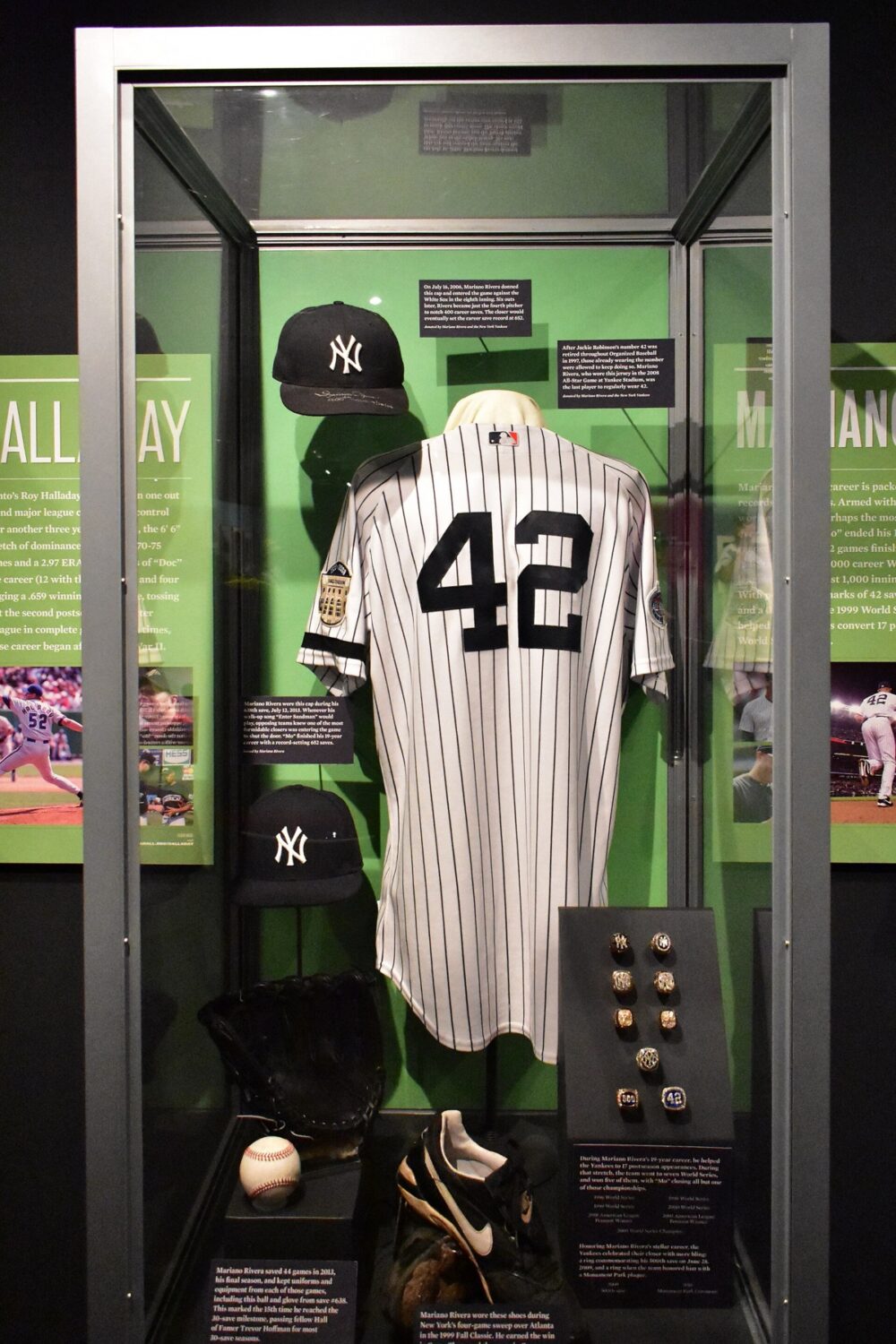
You can absolutely search DHgate for baseball display cases, but you should treat them as generic showcases and do some careful vetting before trusting them with valuable autographs. The basic workflow is: decide what kind of case and protection you need, translate that into specific DHgate search terms and filters, then read seller histories, reviews, and—ideally—order a sample before buying for your collection or resale. For high‑value, authenticated pieces, DHgate may be a secondary option behind specialist memorabilia vendors.
Know Which Baseball Display Case You Actually Need Before You Search
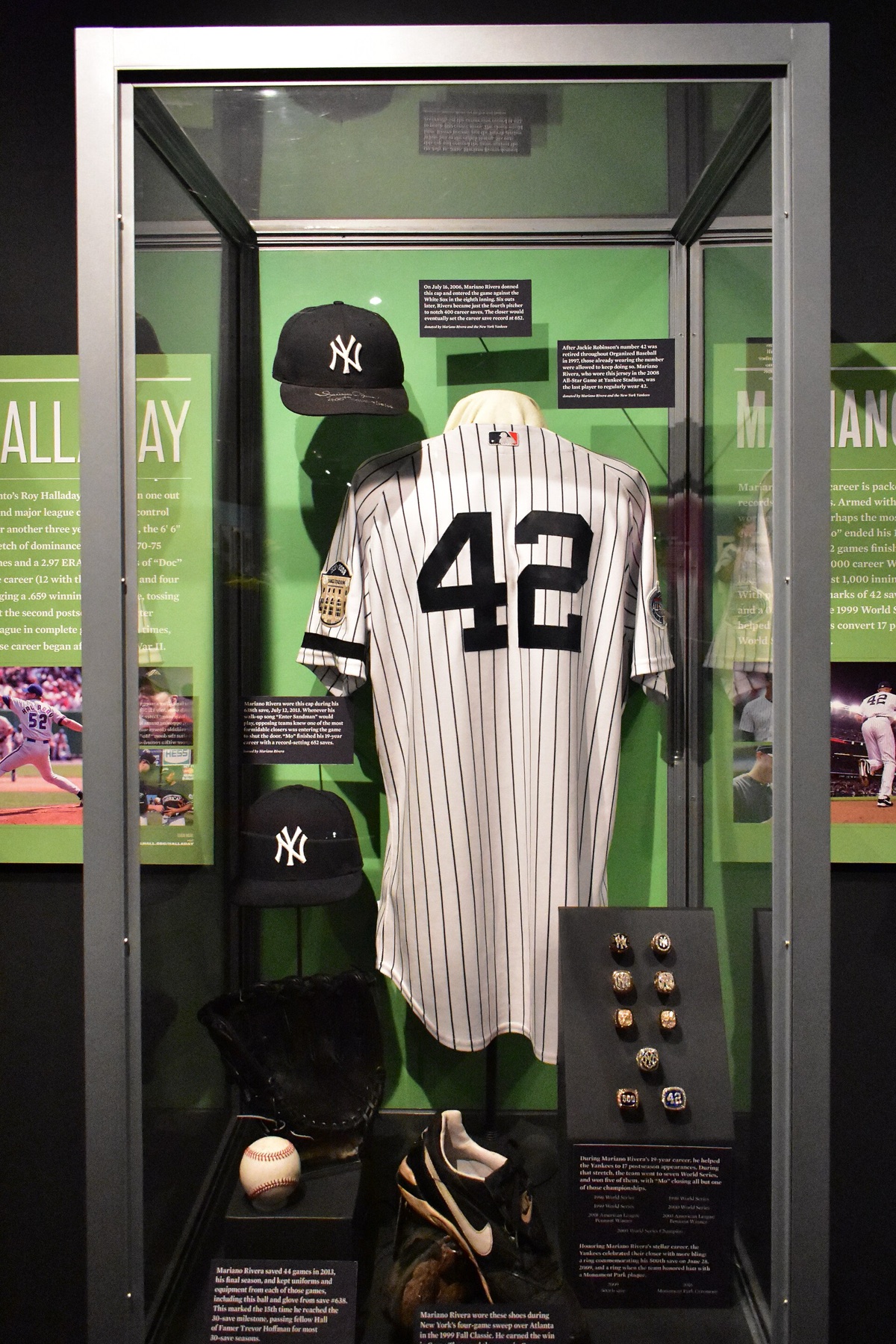
Baseball memorabilia displays are simple products with very different jobs, depending on what you’re protecting. Specialist sites like Memorabilia Displays organize cases by item type—single baseball, multi‑ball, bat, card, or ball‑plus‑card combo—and emphasize basic protection from dust and handling. That’s the level you should expect from most generic cases, including those you’ll see on DHgate.
Before you even open DHgate, decide:
- Item type: Signed ball, game‑used bat, rookie card, or a combo piece.
- Presentation style: Tabletop cube, wall‑mounted bat rack, or a card stand that fits into an existing shelf.
- Exposure risk: Are you keeping this in a bright room or a basement? Collectibles guides, like eBay Canada’s sports collectables guide, underline that dust, light, and frequent handling will all chip away at long‑term value.
For most DHgate searches, you’re looking at acrylic or glass boxes and racks that guard against dust and fingerprints and make the item display‑ready. If you specifically need engineered UV protection or museum‑grade materials, that’s usually the domain of specialist memorabilia brands, not a broad marketplace.
Here’s a quick way to map what you own to what you’ll search for:
| Memorabilia type | Typical display style | Protection priority | Search phrase starting point |
|---|---|---|---|
| Single signed baseball | Small cube / pedestal | Dust, handling | `baseball display case` |
| Game‑used or signed bat | Horizontal wall‑mount rack | Dust, sagging, handling | `baseball bat wall display case` |
| Graded or slabbed card | Upright card stand / small box | Dust, bending, handling | `trading card display stand` |
| Ball + autograph card combo | Combo case with two compartments | Dust, basic light exposure | `baseball and card display case` |
Use this table to pick the one or two closest phrases; those become your DHgate search seeds.
Turning Your Requirements into Effective DHgate Searches and Filters
DHgate’s own sourcing guides recommend starting with keyword searches and then narrowing down with filters and comparisons. You’ll do the same here, but tuned to baseball displays.
Step 1: Build your keyword search.
- Go to DHgate’s homepage.
- In the search box, type specific phrases, not just “baseball”: for example `baseball display case`, `acrylic baseball box`, `baseball bat wall rack`, or `sports memorabilia display case`.
- Use English keywords even as a Canadian buyer; that’s what most sellers use in titles. DHgate’s blog explains keyword search with examples like typing “NFL jersey” to surface all matching listings—your goal is similar specificity.
Step 2: Refine with filters.
Once results load, start trimming them down:
- Category: If DHgate suggests categories like Home Décor or Sports & Outdoors, pick the most display‑like category to avoid jerseys and other unrelated gear.
- Material words: Add or adjust terms in the search box (e.g., `acrylic baseball display case` or `wood base baseball display box`) if you care about clarity, wood bases, or glass vs plastic.
- Sort options: Sort by “Best Selling” or “Top Rated” to bring up listings with more transaction history, which generally gives you more reviews to analyze.
Inline search checklist (personal use or small resale):
- Start with a specific item type phrase (ball, bat, card, combo).
- Add one material or style word (`acrylic`, `glass`, `wall mount`, `tabletop`).
- Apply category suggestions so you’re not stuck in general sports apparel.
- Use sort tools to surface listings with substantial feedback.
Step 3: Compare short‑listed listings.
Open 3-6 promising results in new tabs and compare:
- Dimensions relative to your items; most DHgate descriptions include measurements in cm. Make sure a bat rack length aligns with typical bat sizes and a ball cube isn’t so oversized that the ball rattles.
- Photos: Look for real‑world photos, not just renderings. Check seams, edges, and how clear the material looks in close‑ups.
- Variation options: If the listing sells multiple sports display sizes (balls, pucks, mini‑helmets), confirm you’ve selected the baseball version in the drop‑down before bookmarking.
This comparison step is where DHgate starts to feel usable: you’re not guessing; you’re matching real specs to your memorabilia rather than just buying a generic box.
Evaluating DHgate Sellers, Samples, and When to Use Other Channels
Once you have a handful of candidate listings, you need to decide whether the seller and product are trustworthy enough for your use case. DHgate’s blogs on buying and seller search recommend a few specific checks:
- Seller ratings and review score: DHgate displays seller‑level star ratings and review scores based on buyer feedback. Aim for sellers with strong scores and substantial feedback on display or home‑decor items, not just on random electronics.
- Item‑level reviews: Read comments and look for photos on the exact display case listing. You’re hunting for signals like “arrived without scratches,” “thick acrylic,” or, conversely, complaints about cloudiness, cracked corners, or warped bases.
For small ecommerce businesses, DHgate’s sourcing content strongly encourages requesting samples before bulk orders. That’s especially relevant for baseball displays:
- Order one or two units of the case you plan to resell and inspect clarity, sturdiness, and assembly hardware.
- Test how your actual ball, bat, or card fits. Does the lid sit flush? Does the bat sag over time on the rack? Any sharp edges that would worry your customers?
- Use DHgate’s messaging tools to ask sellers upfront about material (acrylic vs glass), thickness, and whether they can adjust dimensions slightly for a better fit.
If the sample passes, you can build a repeatable SKU for your Canadian store with more confidence. If it fails—or if the seller resists questions—that’s a red flag.
There are also clear points where DHgate is not the right primary source:
- You’re housing high‑value, authenticated autographs where long‑term light and environmental control directly affect appraisal value.
- You need displays explicitly marketed for museum or UV‑specific protection, with brand‑backed specs and warranties.
- You want matching, branded cases that align with league or team licensing.
For those scenarios, look first at specialist brands such as Memorabilia Displays or other sports‑memorabilia retailers that focus on engineered protection and collector‑grade presentation. Use DHgate instead for budget‑friendly, generic displays—extra cases for kids’ collections, man‑cave décor, or low‑risk resale where the case is an add‑on, not the core of the item’s value.
If you’re new to DHgate, it’s worth understanding the marketplace itself and some broader trust steps. You can get a neutral overview in What DHgate is and how the marketplace works and a practical vetting flow in Find trusted sellers on DHgate. Before you actually check out with a bulk order of display cases, run through the DHgate order-readiness checklist so you’re clear on quantities, communication, and risk tolerance.