
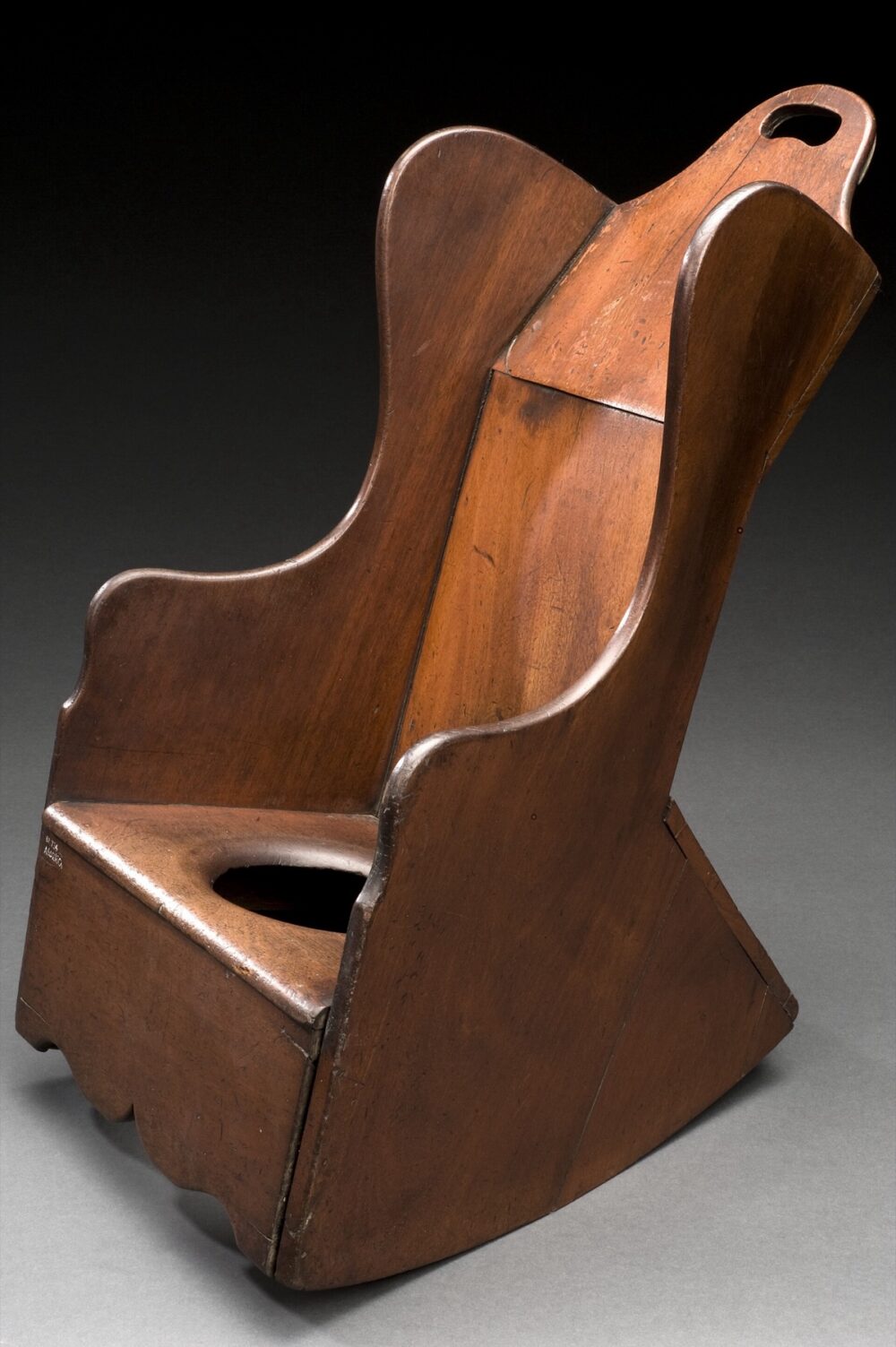
Antique wooden glider rocking chairs are a niche category. True antiques are usually 100+ year–old wooden rockers, while glider mechanisms came later and are rarer as genuine antiques. So your first decision is whether you want a true period piece (and all the quirks that come with it), a mid‑century or late‑20th‑century vintage glider, or a new, antique‑style wooden glider for everyday use. Once you’re clear on that, you can compare mechanism type, wood, joinery, upholstery, and condition, then pick platforms that match your goals—auction sites for one‑off antiques, marketplaces like Etsy or Chairish for vintage and antique‑style pieces, and mass‑market sites such as DHgate mainly for new antique‑style gliders.
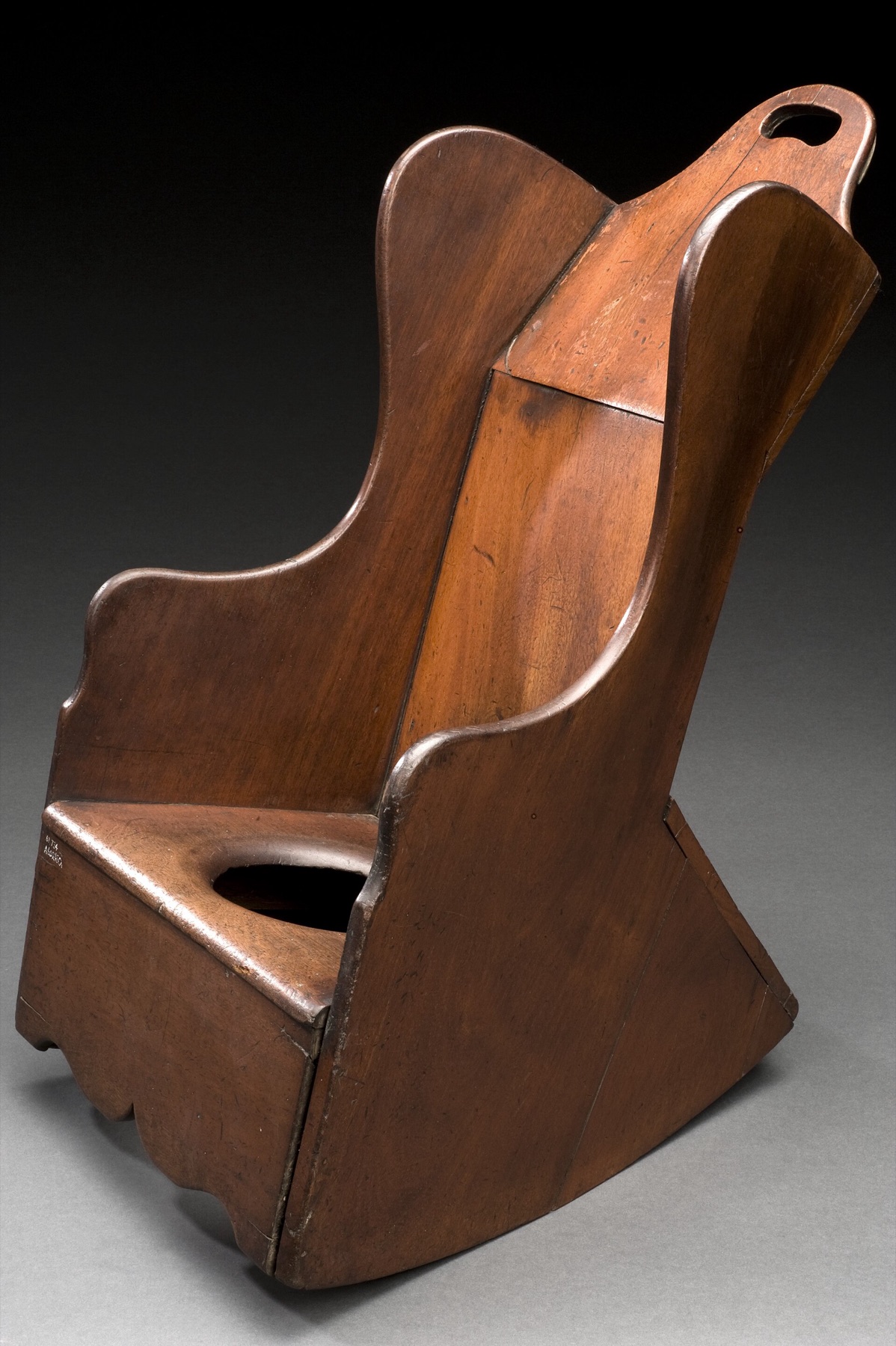
What Counts as an Antique Wooden Glider Rocking Chair?
Most wooden rocking chairs you see called “antique” are simply that: rockers, not gliders. Antique furniture references often suggest that truly antique rocking chairs are typically over 100 years old, with styles spanning Victorian, Empire, and early 20th‑century designs.World Class Antiques notes that age and era are central to value. Glider mechanisms—where the seat moves smoothly back and forth on a fixed base—tend to appear later, so authentic antique gliders are uncommon compared with antique rockers.
An example of what collectors mean by an antique glider is an Empire‑style platform glider rocking chair that appeared as a single auction lot on HiBid. That kind of piece is usually sold one‑off, not as a repeatable SKU you can source in bulk.
For buying decisions, it helps to separate three groups:
- True antiques: Often pre‑1920 rockers, occasionally platform gliders, with hand‑cut joinery, old finishes, and period hardware.
- Vintage gliders: Mid‑century to late‑20th‑century wooden glider rockers, sometimes with upholstered cushions.
- Antique‑style gliders: New chairs built to look old (pressed‑back designs, carved spindles, distressed finishes) but with modern glider hardware.
Collectors and decorators usually chase true antiques or early vintage. Families and small ecommerce businesses often lean toward vintage or antique‑style gliders that offer smoother motion and more predictable comfort.
Key Types and Features to Compare
Glider vs standard rocker vs platform base
A quick way to narrow options:
- Standard rocker: Curved runners on the floor. Simple, but movement can be more vigorous and requires space to avoid hitting walls or baseboards.
- Glider rocker: Seat and back glide on a mechanism attached to a fixed base. Common in nurseries and living rooms because the motion is smoother and more controlled.
- Platform glider: The entire seating frame moves on a low platform base, often seen in older “platform rocker” designs; the HiBid Empire‑style glider is an example.
If you’re buying for resale, knowing which mechanism you’re offering matters. Nurseries often prefer gliders; traditional decor buyers may want the look of a classic rocker even if the motion is slightly less gentle.
Wood species and construction
Antique and vintage guidance from Antiques Know How highlights several evaluation points that apply directly to gliders:
- Wood type: Oak and walnut are common in older rockers; softer woods dent more easily. For daily use, hardwoods generally hold up better.
- Joinery: Look for tight mortise‑and‑tenon joints or dowels rather than obvious modern staples or brackets if you’re aiming for authenticity.
- Stability: Sit in the chair and gently shift your weight. A solid glider should feel smooth, with no side‑to‑side wobble or squeaking that suggests loose hardware.
Seat and back: caned, solid wood, or upholstered
Older chairs often have caned seats or backs, which need to be inspected for breaks, sagging, or dry brittleness.Antiques Know How notes seat condition as a key factor both for usability and value.
Newer or antique‑style gliders may use:
- Solid wood seats with loose cushions
- Fully upholstered seats and backs on a wooden frame
For home use, upholstered seats are usually more comfortable, but for resale into a vintage or antique market, original caning or period‑correct upholstery can be a selling point even if it needs restoration.
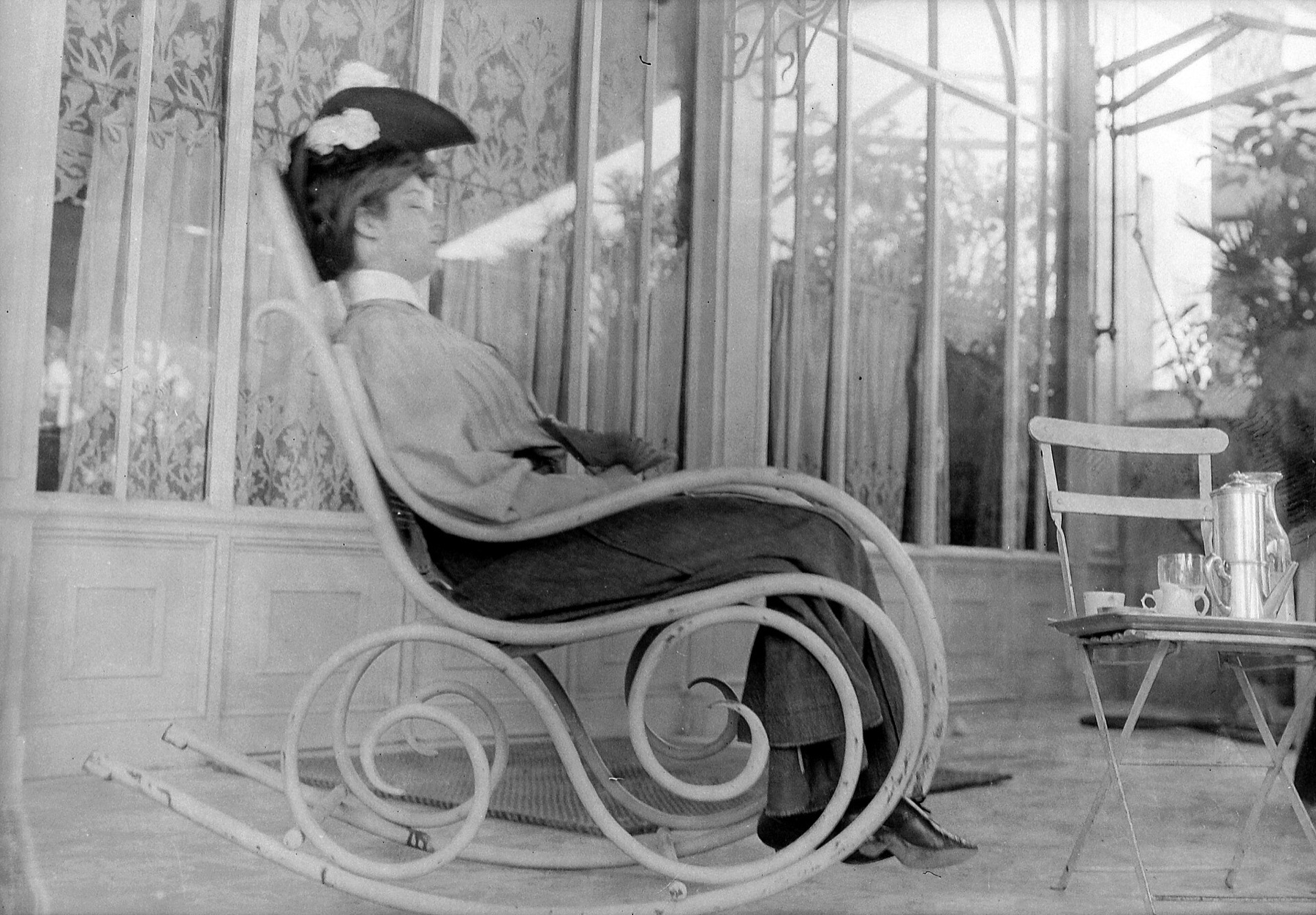
Quick comparison: antique, vintage, and antique‑style options
| Chair type | Typical age & source | Mechanism | Best fit for… |
|---|---|---|---|
| True antique rocker | Often 100+ years; auctions, specialized dealers | Standard rocker or platform | Collectors, period decor |
| Vintage wooden glider | Mid‑century to late 20th c.; Etsy, Chairish | Glider or platform | Everyday use with character |
| Antique‑style new glider | New; mass‑market sites and some marketplaces | Modern glider hardware | Nurseries, resale with consistency |
This is the choice that matters most. Once you know which row you’re shopping in, everything else—wood, upholstery, and source platform—falls into place.
Buying Factors and Where DHgate Fits Among Online Options
Authenticity and condition checks
Guides on identifying antique seating, such as Antique Guides UK, recommend a few practical steps that carry over to gliders:
- Original design intent: Was the chair built as a glider or converted later? Modern metal brackets or recently added track hardware can indicate a retrofit.
- Age indicators: Look for tool marks, oxidation on screws, and patina on the wood rather than uniformly fresh finishes.
- Wear patterns: Natural wear appears on arm fronts, seat edges, and footrest areas; perfectly “distressed” surfaces in all the same places may be factory‑applied aging.
- Hardware mix: A few replacement screws are normal, but fully modern hardware on an “antique” frame suggests either heavy modification or reproduction.
For valuation or insurance, a professional appraisal is the safest route; these steps mainly help you avoid obvious mislabels.
Mapping online options: antiques, vintage, and new
In practice, different platforms tend to surface different types of glider chairs:
- Auction sites: As the HiBid Empire‑style platform glider example shows, true antique gliders tend to appear as single lots on live or online auctions. Good for collectors, poor for repeatable sourcing.
- Etsy and Chairish: Marketplace searches like “vintage wooden glider rocking chair” on Etsy commonly show individual vintage and antique‑style gliders. You’re shopping piece‑by‑piece, often from small sellers.
- Mass‑market and cross‑border sites: Editorial context about budget furniture on DHgate describes it as a broad marketplace for new, affordable furnishings, where filters let you narrow by style and price.DHgate furniture shopping tips That makes it more relevant for new antique‑style wooden gliders than for true antiques.
For a US buyer or small ecommerce business, a simple scenario guide:
- If you need one special antique glider for a statement piece: focus on auctions and specialized vintage marketplaces.
- If you want a few vintage or antique‑style gliders with real wood and character: browse Etsy or Chairish and be ready to inspect photos closely and ask about joinery, caning, and hardware.
If you do look at DHgate more broadly as a sourcing option, internal DHgateWiki articles like What DHgate is and how the marketplace works and Find trusted sellers on DHgate can help you understand the marketplace, while the DHgate order‑readiness checklist is useful before any large furniture checkout.
For antique wooden glider rocking chairs specifically, start with the age and mechanism you want, then choose channels that realistically offer that type—antique and vintage platforms for history, or DHgate‑style marketplaces when your priority is a new chair with an antique look and predictable stock.