
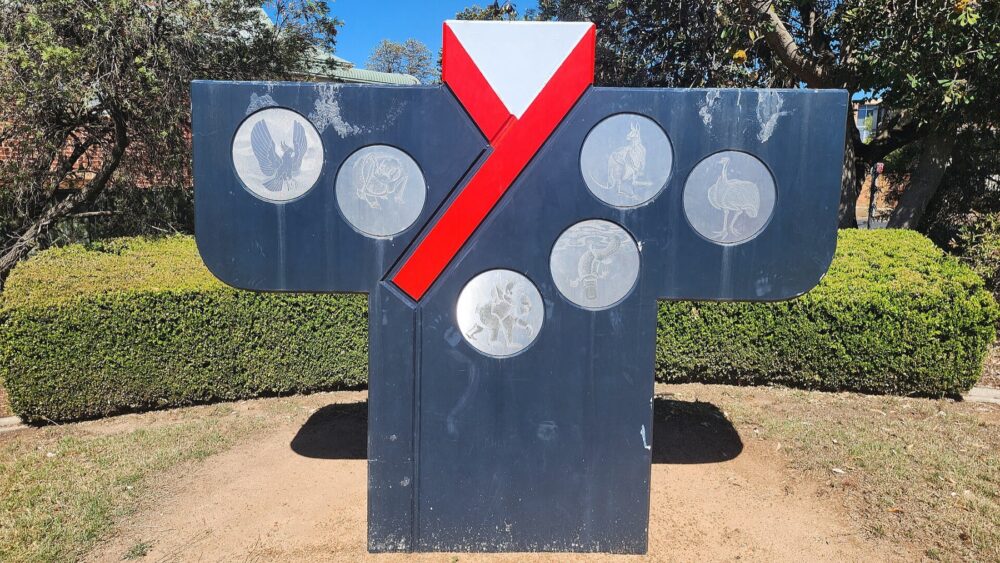
Kimono-inspired wall art falls into three main camps: hanging a real garment, framing kimono or obi textiles, or buying kimono-themed prints. Your first decision is whether you want an actual vintage textile on the wall or an image of one. Real garments and obi panels feel more tactile and unique but need careful mounting and carry cultural weight. Prints are easier to size, ship, and resell. DHgate mainly enters the picture for affordable, kimono-inspired prints and decor; if you’re looking for a museum-grade vintage kimono, you’ll usually need more specialized sources.
For a US home decorator, the most practical option is often framed obi or textile panels: they’re narrower, easier to frame, and still show authentic weaving and motif detail. For a small online art shop testing a kimono theme, starting with reproducible prints—possibly sourced from cross-border marketplaces—keeps inventory simple and avoids conservation issues. The sections below walk through the formats and buying choices so you can match them to your space, customers, and budget.
What Counts as “Kimono Art” for Wall Display?
“Kimono art” is broader than hanging a robe on a hook. Kimono is both a garment and an artistic concept: artists and makers reinterpret its silhouette, motifs, and layout into objects meant purely for display, from abstract textile panels to contemporary prints that echo traditional patterns.
On a wall, you’ll most often see:
- Actual garments: full-length kimonos or haori hung open, sometimes with a rod or frame.
- Obi-based pieces: the wide sash (obi) cut or folded into panels and framed.
- Kimono-themed prints or paintings: imagery of dressed figures, kimono patterns, or stylized textile compositions.
Vintage kimonos and obis are commonly reused as decorative items, especially pieces picked up from flea markets or shrine sales in Japan. Guides on reusing kimono textiles describe cutting damaged garments into panels, turning obi into wall art, or mounting a full robe flat against a backing board for display.Koromogoyomi’s reuse overview highlights how this extends the life of textiles that might not be wearable but remain visually strong.
For home use, that means you can treat kimono textiles as art even if they no longer function as clothing. For small ecommerce businesses, it creates two distinct product categories to consider: one-of-a-kind textile works and repeatable art prints.
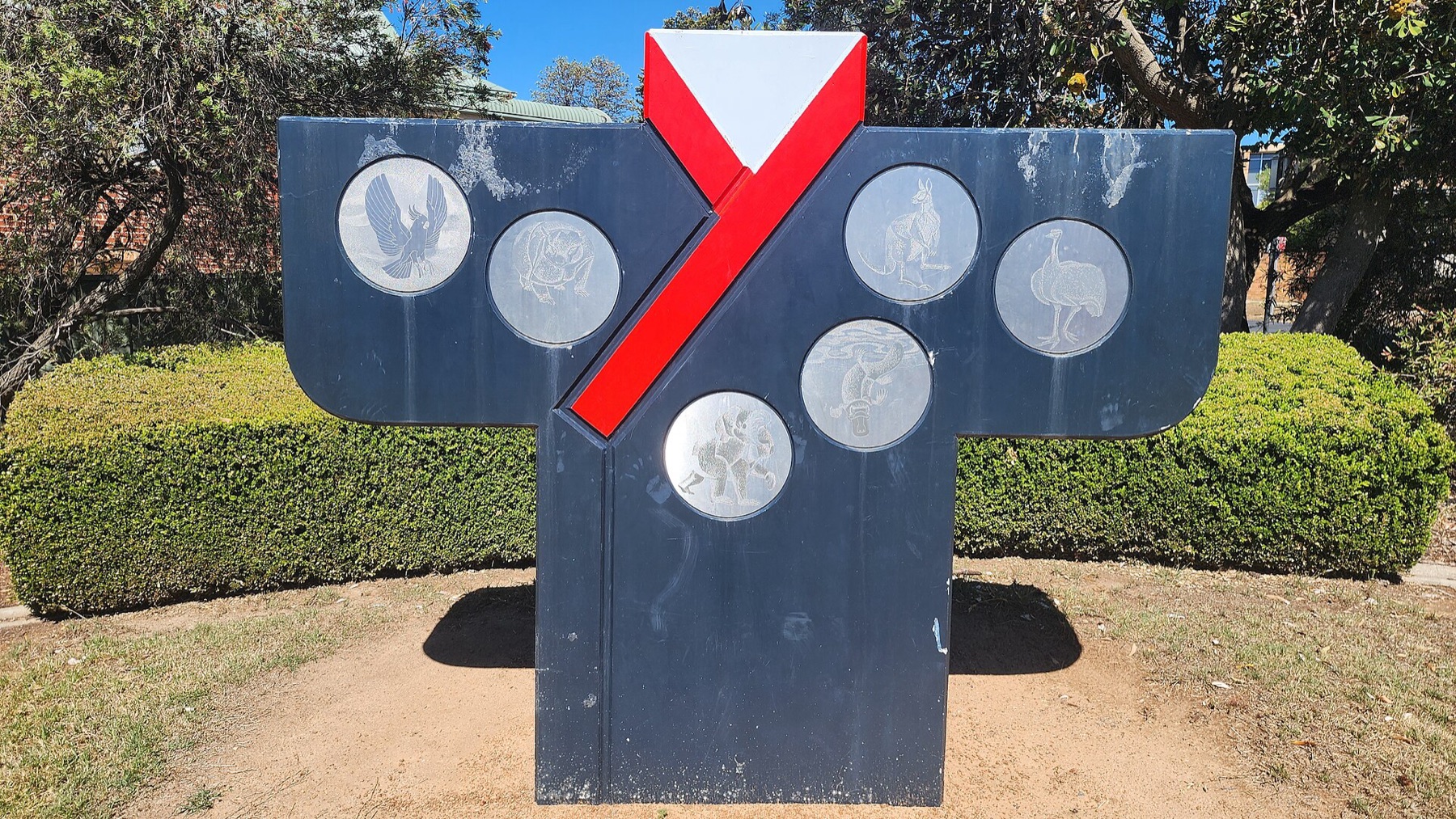
Garments vs Obi Panels vs Prints: How They Behave on a Wall
Kimono artwork formats differ in scale, handling, and cost expectations. Here’s a compact comparison to help you choose:
| Format | Typical Look & Scale | Handling & Mounting | Pros for Buyers/Decorators | Trade-offs & Risks |
|---|---|---|---|---|
| Full kimono garment | Very wide and tall; asymmetrical pattern layout | Needs rod, custom frame, or board; conservation-minded | Dramatic focal point; strong cultural presence | Heavy, sensitive to light; harder to ship |
| Obi textile panel | Long, narrow strip; dense woven motifs | Cut/fold and frame; easier standard framing | Authentic textile detail in manageable size | Altering obi can feel intrusive; one-off pieces |
| Kimono-themed print | Flexible sizes (small to large); motif-focused | Standard framing; straightforward hanging | Budget-friendly; easy to reproduce and resell | May lack textile texture; authenticity varies |
Wall-hanging a real kimono
A full-length kimono has an unusual presence. Traditional designs often use asymmetry—motifs may cluster low on one side or wrap diagonally across the body, so the garment reads differently flat on a wall than on a person. Alo’s explainer on kimono asymmetry shows how pattern placement guides movement and eye flow.
Hung open, those asymmetrical motifs can create a dynamic, almost landscape-like composition. The trade-off is practicality: silk fabrics are light-sensitive, many vintage pieces are fragile, and you’ll likely need a purpose-built rod or framing solution to avoid stress on the seams. For a small shop, shipping such a piece cross-border is costly and risky.
Framed obi and textile panels
Japanese obi textiles have become a staple of interior decor: dealers and galleries cut or fold them into panels and market them as framed wall art for designers and homeowners.Decorative Collective’s obi wall art guide highlights how the dense weaving and metallic threads can read like abstract painting when framed.
For you, an obi panel is often the sweet spot: it shows authentic textile structure, fits above a sofa or console, and can usually go into a standard frame size. It does involve altering the original sash, which some purists dislike, but it’s practical if your focus is visual impact rather than collectability.
Kimono-themed prints and paintings
Prints range from fine-art interpretations of kimono forms to graphic posters using traditional motifs. Because they’re images, not garments, you can choose sizes that match your wall and experiment with different color palettes.
Art-buying guides like Carré d’artistes’ overview emphasize three checks: size relative to the wall, color harmony with the room, and subject matter that feels personal. Kimono prints follow the same logic: a large vertical piece can anchor a narrow wall, while a sequence of smaller prints can echo the rhythm of kimono panels across a hallway.
Motifs, Materials, Size: Key Buying Factors (and Where DHgate Fits)
1. Motifs and cultural feel
Traditional kimono patterns carry specific meanings—seasons, good fortune, longevity, status—which still shape how artwork reads.
Resources like Japaniche’s pattern guide explain common motifs (seasonal flowers, waves, geometric layouts) and their symbolic associations. For a calming bedroom, you might lean toward soft florals tied to spring or autumn; for a bold retail wall, stylized waves or geometric motifs with strong contrast can feel more energetic. Even if the piece is a modern print, echoing traditional symbolism can make the decor feel more grounded and intentional.
2. Authentic textile vs kimono-inspired image
Decide whether you’re buying:
- Authentic vintage textile art (actual kimono/obi pieces), or
- Kimono-inspired artwork (prints, paintings, or mass-produced decor).
Vintage textiles sourced from specialist kimono shops, auctions, or flea markets tend to be one-of-a-kind and require care: safe hanging hardware, limited direct sunlight, and sometimes professional mounting. Guides on reusing garments stress preserving the integrity of the fabric and seams during conversion to wall pieces.Koromogoyomi’s reuse guide is a useful reference for what can and can’t be easily altered.
If your goal is a reasonably priced, repeatable wall print with kimono motifs—especially for a small ecommerce shop testing a theme—DHgate can be a relevant option. If you need conservation-grade silk or historically significant garments, it makes more sense to work with specialist kimono dealers or art galleries and judge textiles in detail.
For buyers evaluating DHgate itself as a marketplace, it’s worth understanding how the platform works and how to vet individual sellers. DHgateWiki’s overview of what DHgate is and how the marketplace works and its guide on finding trusted sellers on DHgate give more general marketplace context without focusing on any one product type.
3. Material and print quality
For textiles, look at fiber (silk vs synthetic), weave density, and any visible damage. Heavier, densely woven obi often hold up better as framed art than ultra-light, sheer kimono fabrics.
For prints, pay attention to:
- Substrate: canvas can mimic textile heft; high-quality paper suits framed collections.
- Color and contrast: strong blacks and saturated colors help pattern detail read across a room.
- Scale of motifs: tiny, intricate patterns may disappear at distance; enlarged motifs can hit harder visually.
Carré d’artistes’ advice on choosing art emphasizes viewing works both close-up and from across the room, which is especially important for kimono imagery that relies on fine line work or layered patterns.
4. Sizing and mounting checklist
Before you buy, run through a quick sizing and mounting checklist tailored to kimono art:
- Measure the wall: note maximum width and height, and how far you’ll stand from the piece.
- Check garment width vs rod length: a full kimono can easily exceed standard curtain rods; you may need custom hardware.
- Confirm frame depth: obi panels with metallic threads or padded backing require deeper frames.
- Plan light exposure: avoid direct sun on silk or vintage dyes whenever possible.
- Think about resale or rotation: prints are easier to swap out and ship; large garments are more like permanent installations.
For cross-border purchases from any marketplace, including DHgate, it’s prudent to read individual listing details closely and compare measurements to your actual wall. DHgateWiki’s order-readiness checklist before checkout offers a general pre-checklist that applies to decor orders as well.
Where to Look Beyond DHgate: Market Availability Snapshot
In practice, different kimono art formats cluster in different channels:
- Specialist kimono shops and vintage dealers often stock wearable garments plus “not-quite-wearable” pieces suitable for wall display. Some explicitly market wedding kimono or elaborate obi for hangings.
- Art galleries and textile dealers curate framed obi panels and textile-based works aimed at interior decorators, sometimes with detailed provenance and conservation framing.
- Flea markets, shrine sales, and secondhand stores in Japan are common sources for affordable vintage kimono and obi that later become decor, especially when they’re damaged or out of fashion but still visually rich.
- Online marketplaces and print-on-demand platforms carry countless kimono-themed prints and posters, from contemporary illustrations to photography.
DHgate sits within that last group: a large, cross-border marketplace where you can search broadly for kimono-inspired wall decor and art prints within a set budget. It’s rarely the right place to secure a verified antique garment, but it can be useful if your priority is accessible price, pattern variety, and reproducible stock for a small shop.
The practical path is simple: decide whether you’re buying authentic textile art or kimono-themed imagery, match size and motif to your wall or catalog, then choose channels accordingly—specialist kimono and textile sources for garments and obi panels, broad marketplaces like DHgate for prints and budget decor.