
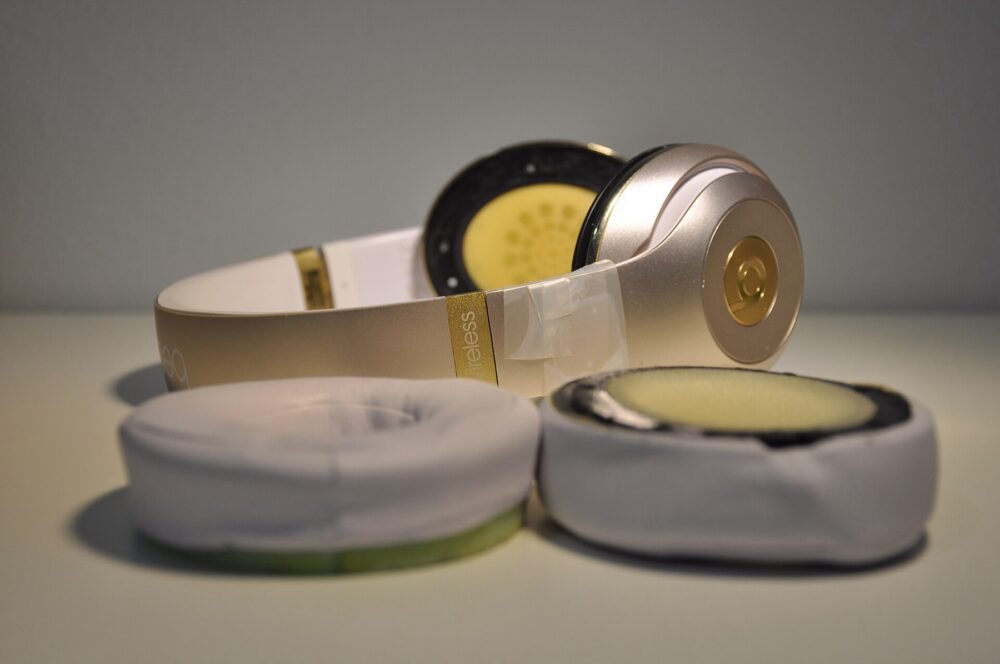
Many broken headphones can be saved, especially when the problem is mechanical: cracked hinges, snapped headbands, worn ear pads, or a loose cable. The realistic path is to diagnose the fault, price the parts or repair service, and compare that total to buying a new pair. For a $250 pair of Beats or Sony cans, a $30–$80 hinge/headband repair kit or professional service often makes sense; for a budget set under $50, replacement is usually cheaper than proper repair.
For buyers and small ecommerce businesses, think about repairs as product discovery: you’re not just hunting “a fix,” you’re choosing specific parts and channels that match your model and your risk tolerance.
What “Headphones Repair and Troubleshooting” Really Covers
Headphone repair and troubleshooting splits into two buckets:
- Mechanical failures – broken hinges and swivels, cracked or loose headbands, worn ear pads, damaged sliders, exposed or severed cables. Repair centers like Joe’s Gaming & Electronics report hinge and headband failures as one of the most common issues they see.
- Audio/electronics issues – no sound, sound in only one ear, Bluetooth drops, noisy or distorted audio, charging problems on wireless models.
Before you touch a screwdriver, walk through basic troubleshooting for audio problems. Bose’s support content points out that many “dead” headphones are revived by simple checks: ensuring the plug is fully seated, testing with another device, checking volume and balance settings, and re‑pairing Bluetooth connections if you’re wireless (Bose troubleshooting overview). If a different device or cable works fine, you’ve located the weak link without opening the headphones.
For hinge/headband damage, visual inspection usually tells the story: stress cracks near the swivel, one side that flops instead of holding tension, or plastic that has sheared off where the cup attaches. If you can see a clean break at the hinge but the drivers still work, a mechanical repair is on the table.
A quick repair‑vs‑replace rule of thumb
Use this simple checklist before buying parts:
- Original price – If the headphones cost less than about $60 new, avoid complicated hinge repairs; used or new replacement models are often cheaper and faster.
- Current condition – If you have both mechanical damage and audio issues (e.g., broken hinge and one ear silent), repair costs stack quickly and may exceed replacement value.
- Parts availability – If you can find a hinge/headband kit or OEM parts clearly labeled for your exact model, repair becomes far more attractive than improvising with glue or generic hardware.
- Your tools/skills – Hinge kits often require small screwdrivers and patience; cable and jack repairs might involve soldering and disassembly. If that feels out of reach, factor in professional labor.
For small resellers, the same calculus applies in bulk: stocking parts and doing simple mechanical repairs can lift margins on used headphones, but only if model‑specific parts are easy to source and installs are repeatable.
The Main Replacement Parts You Can Actually Buy
Once you decide a repair is worth attempting, you’ll find that most parts cluster into a few categories.
Hinges, swivel clips, and headband connector kits
For popular over‑ear models, there’s an entire aftermarket built around broken hinges:
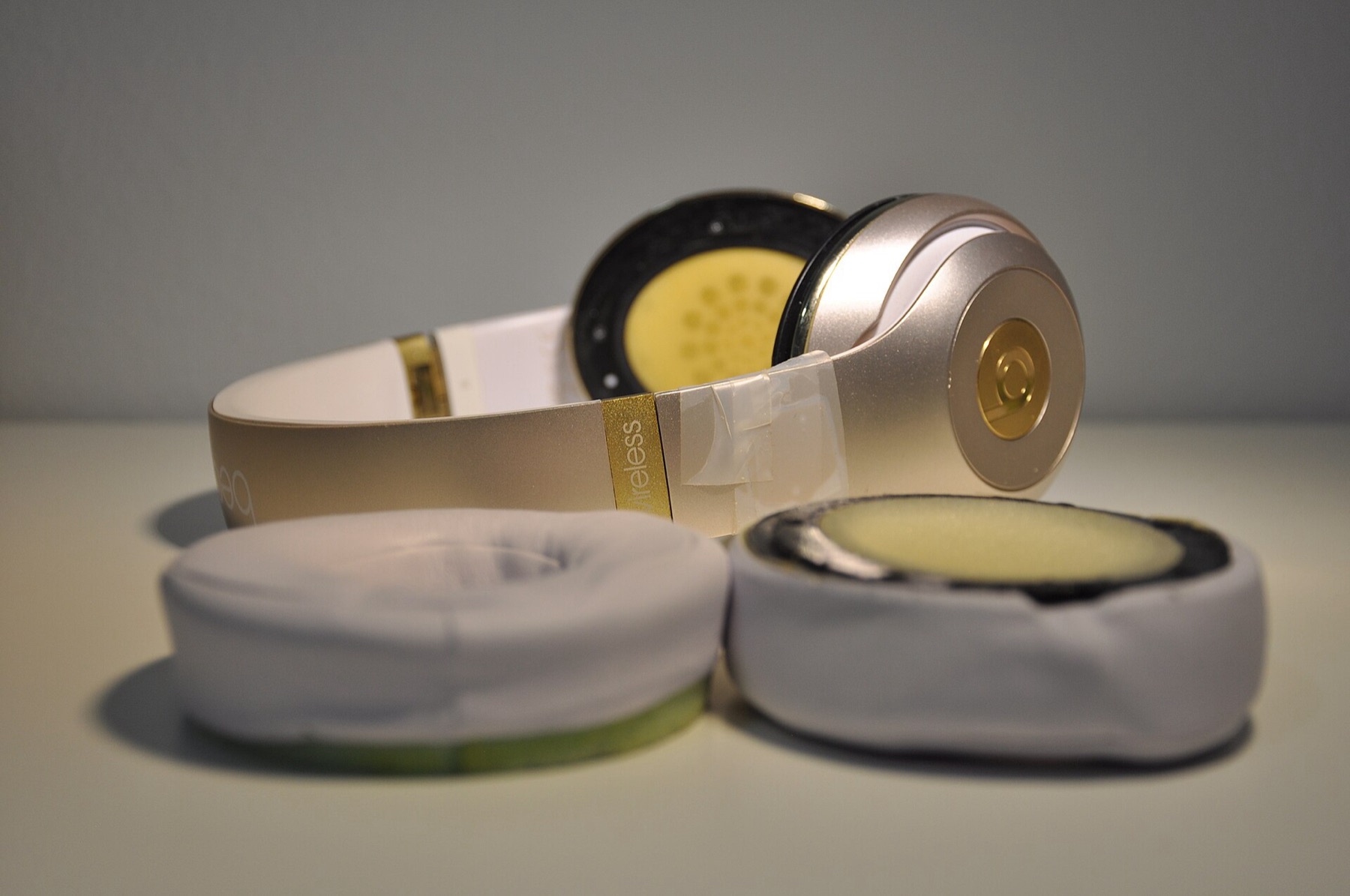
- Beats Studio series – Metal headband connector kits are sold as direct replacements for the fragile plastic joints. Listings like “Studio 3 Hinge Headband Connector Replacement Metal Repair Parts” typically include left/right metal brackets and screws, designed to fit Beats Studio 3 Wireless over‑ear headphones.
- Sony WH/WH‑H series – You’ll see kits labeled for models such as Sony WH‑H910N, with “swivel hinge clips,” “spin axis” parts, or “broken headband kits.” These replace the small rotation joint that lets the earcup fold and swivel.
- Logitech gaming headsets – Some third‑party sellers offer hinge clamp buckles specifically described as compatible with Logitech G Pro X or similar models, replacing the plastic swivel that often cracks.
These kits are intentionally model‑specific. They assume the hinge geometry, screw positions, and cup shape of one headphone line. If you’re sourcing, avoid generic “universal” hinges for anything above throwaway‑grade headphones; they rarely match the stress points and angles of the original design.
Other common mechanical and audio parts
Beyond hinges, typical repair parts include:
- Headbands and sliders – Replacement bands for some Beats, Bose, Sony, and gaming models, sometimes pre‑painted to match a specific colorway.
- Ear pads and cushions – Widely available in protein leather, velour, and fabric. These are the easiest repair: no electronics, just clips or adhesive rings.
- Cables and jacks – Straight and coiled cables, detachable aux leads, and some replacement jacks for wired sets. Replacement cables are especially helpful for models with proprietary connectors; DHgate’s own editorial coverage notes that replacement cables can extend a headphone’s life when the original is damaged or lost (DHgate accessories overview).
- Batteries and charging boards – For wireless headphones, these exist but are more niche. Replacing them usually means opening the earcup and working close to the battery pack, which is best left to experienced repairers.
To keep options straight, it helps to frame parts by fit and origin:
| Part type | Typical origin | Best use case |
|---|---|---|
| Hinge/headband kit | Model‑specific aftermarket | Broken Beats/Sony/Logitech hinges where drivers still work |
| Ear pads | Generic by size/model | Comfort upgrade or replacing flaking cushions |
| Detachable cable | Generic or OEM | Static, one‑ear audio, or damaged plug |
| OEM internal parts | Specialist repair centers | High‑value headphones with multiple issues |
For high‑end models (AirPods Max, premium Bose/Sennheiser), parts can be harder to source individually. Some specialist providers sell OEM components, but you’ll more often be offered a send‑in repair service instead of a DIY kit.
Brand‑specific repair services as an alternative
If the idea of swapping tiny hinge clips feels risky, you can outsource the work. Repair centers like Joe’s Gaming & Electronics focus on popular brands and offer:
- OEM or OEM‑equivalent parts for hinges, headbands, speakers, and batteries
- Diagnostic services to check whether a troubled pair is worth saving
- Flat‑fee repairs for common issues like Beats headband breaks or Sony hinge failures
You’re paying both for parts and for experience with a particular failure pattern. For ecommerce sellers refurbishing batches of headphones, partnering with a specialist can be simpler than training in‑house staff for the trickier repairs.
Sourcing Parts and Services: Local and Cross‑Border Options
Once you know which parts you need, you have a few distinct sourcing channels to choose from.
Local and OEM routes
- Brand websites and authorized service – If your headphones are still under warranty, this is the first stop. Even out of warranty, some brands sell ear pads, cables, and sometimes headbands directly.
- Specialist repair centers – As mentioned above, companies like Joe’s GE combine OEM parts sourcing with labor. For a broken hinge on an expensive pair, this can be the most predictable option.
- Local electronics or audio shops – Some independent stores will stock generic ear pads and cables and perform simple repairs like cable replacements and soldering a loose jack.
Local and OEM channels make the most sense when you care about exact color matches, brand aesthetics, or keeping a warranty intact.
Big marketplaces and cross‑border sourcing
For many mechanical parts, online marketplaces are where the variety lives:
- Amazon and eBay commonly carry hinge kits, headband connectors, ear pads, and cables, often with clear model compatibility in the title and user reviews discussing fit and durability.
- Specialty audio retailers sometimes list replacement pads and cables for studio‑grade headphones, but are less focused on hinge kits.
- Cross‑border platforms such as DHgate are one option for headphone accessories and replacement cables. DHgate’s own editorial blog mentions replacement cables, stands, and ear pads among common accessories (DHgate accessories overview). For any listing there or on similar platforms, treat compatibility and quality as things you must verify yourself: check the described model number, connector type, materials, and photos carefully.
For US buyers and small ecommerce operations, cross‑border sourcing is most attractive when:
- You’re buying generic, low‑risk accessories (ear pads, cables, stands) where a slight mismatch isn’t catastrophic.
- You want volume pricing on simple parts to support a refurbishment business.
It’s less ideal when:
- You need precisely engineered hinge/headband parts for one flagship model and can’t afford misfits.
- You’re under time pressure; cross‑border shipping and possible returns add friction.
Practical checks before you place a parts order
Instead of a generic “read reviews” reminder, focus on details that matter for headphone repairs:
- Exact model IDs – Your hinge or headband part description should include the full model (e.g., “Beats Studio 3 Wireless A1914,” “Sony WH‑H910N”). If it only says “for Beats” or “for Sony,” keep looking.
- Material upgrade or downgrade – Many hinge kits advertise “metal” instead of plastic. That’s usually good for longevity but may change weight or look; consider whether your buyers will care.
- Included hardware – A solid kit lists screws, clips, and the number of pieces. Missing hardware can turn a cheap kit into a useless one.
- Installation documentation – Video links or step‑by‑step photos in the listing or on a separate site make DIY repair more realistic, especially for small businesses training staff.
If you’re using DHgate or any cross‑border marketplace as part of your mix, it can help to pair it with general marketplace due‑diligence: for example, using our overview of what DHgate is and how the marketplace works to understand the platform structure, and our guidance on finding trusted sellers before committing to bulk accessory purchases.
For many readers, the practical takeaway is this: treat headphone repair as a targeted parts search plus a cost comparison. If you can find a model‑specific hinge or headband kit and either a solid tutorial or a trusted repair center, repairing a broken hinge is often worth it. If you can’t, your time and money are usually better spent choosing a new pair — and possibly favoring designs with stronger hinges and replaceable cables to avoid repeating the same failure.