
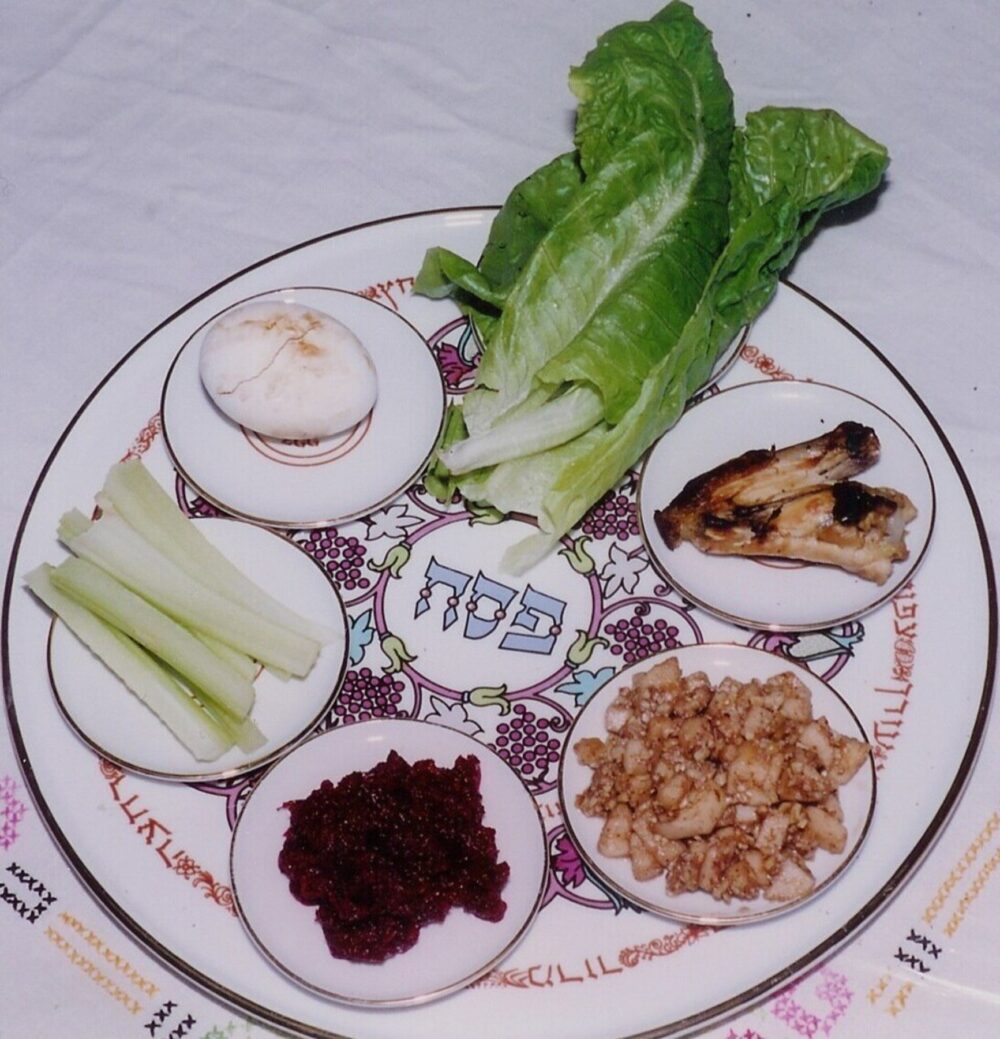
Vintage and antique Passover seder plates sit at the intersection of ritual and collecting: they’re ceremonial dishes that hold six symbolic foods, but they also carry family history and design value. You’ll find them everywhere from local antique markets to Etsy and 1stDibs, often in brass, glass, or ceramic, and you’ll also see lots of brand‑new “antique style” reproductions from Judaica retailers. The right buying channel depends on whether you care most about hands‑on inspection and provenance, or about price and variety.
If you want a plate you’ll actually use at your Seder, start by deciding whether you need a truly old piece or are comfortable with a new plate in vintage style. Then pick a channel that matches that goal: antique markets and specialist Judaica dealers for authentic older items, online vintage marketplaces for breadth and mid‑century designs, or modern Judaica shops for reliable new production.
What Counts as a Vintage or Antique Passover Seder Plate?
A Passover seder plate is the centerpiece that holds six foods representing elements of the Exodus story. Older plates are often cherished as heirlooms, passed down through generations or collected as Judaica.
In everyday marketplace language:
- Antique seder plate often refers to pieces around a century old or older. Examples include Jewish brass plates associated with the Bezalel Academy in Jerusalem, sometimes seen on curated sites like 1stDibs.
- Vintage seder plate typically covers mid‑20th‑century pieces—such as 1950s–1980s ceramic or enamel plates made in Israel or by brands like Lenox, widely listed on marketplaces such as Etsy.
- Antique‑style or vintage‑style plates are new products that mimic old aesthetics: filigree borders, Hebrew script, patina‑look finishes. Retailers like aJudaica and ModernTribe label these clearly as “antique style.” They’re suitable for everyday ritual use but don’t carry age or collectible value.
Age matters for three reasons: the price you’ll pay, how fragile the plate is in regular use, and whether you’re buying for ritual, decor, or resale as a small ecommerce business.
Key Types and Styles You’ll Actually See
Older seder plates cluster into a few practical categories. You’ll see them across Etsy, Mercari, Poshmark, antiques sites, and specialist Judaica shops.
1. Brass and other metal Judaica
Metal plates are some of the most recognizable older pieces.
- Hand‑hammered brass: Listings like a Middle Eastern brass plate on Poshmark show deeply stamped Hebrew labels for each food and decorative borders.
- Bezalel‑linked brass: On 1stDibs, you’ll find plates attributed to Bezalel Academy production with detailed relief work and Judaic motifs.
These appeal if you like a heavy, durable plate, Middle Eastern design language, and visible craft work. Patina and surface wear are common and often considered part of the charm.
2. Glass and ceramic plates
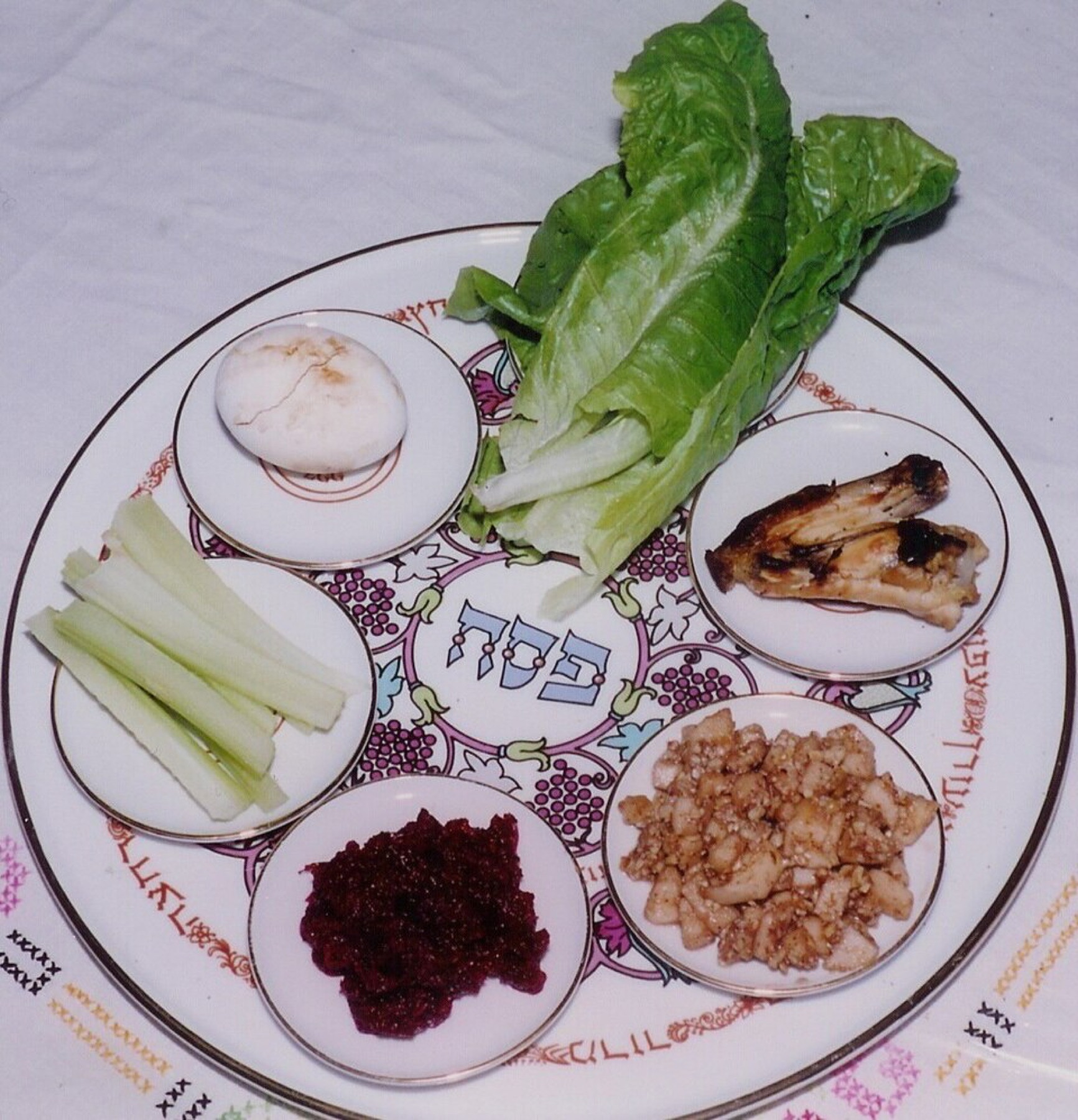
Vintage glass and ceramic plates often carry painted or printed decoration.
- Painted glass: Auction listings like a “Vintage Judaica Glass Passover Seder Plate” on AntiqueArena show translucent glass with Hebrew text and decorative motifs.
- Ceramic Israel‑made plates: Etsy has numerous examples such as a ceramic plate with raised wells and colorful Hebrew labels for each food, marketed simply as “vintage” (example).
These pieces can be striking on the table or wall. Chips, crazing (fine surface cracks), and worn gilding or decals are common condition issues.
3. Mid‑century Israeli enamel and mixed‑material designs
The 1950s–1960s produced many enamel‑on‑metal plates made in Israel.
- You’ll see enamel surfaces in strong colors—reds, blues, greens—with brass backs or rims on platforms like Etsy and sustainable vintage retailers.
- Designs often mix Hebrew text, abstract shapes, and Jewish symbols, reflecting mid‑century modern aesthetics.
These are popular with buyers who want a plate that feels both retro and contemporary and who may resell into design‑focused audiences.
4. Modern antique‑style reproductions
Major Judaica retailers offer new plates targeted at people who want the antique look without age or condition worries.
- The silver‑plated “Antique Style” plate on aJudaica uses ornate borders and an aged silver finish, but it’s a current product.
- ModernTribe groups similar items under “Antique Style & Vintage Style Seder Plates,” often with laser‑etched designs and clean, modern construction.
These are straightforward to buy new, ideal if you’re outfitting many tables (synagogues, community seders) or stocking an ecommerce shop where consistency and repeatability matter more than uniqueness.
How and Where to Buy: Condition Checks, Authenticity, and Channel Choices
The biggest difference between channels isn’t just price—it’s how easily you can verify what you’re getting. Here’s how they stack up, plus a quick checklist.
Hands‑on: Antique markets and local vintage shops
Antique markets and vintage shops are recognized sources of older items and give you a crucial advantage: you can inspect in person before paying.
Common issues to look for on vintage seder plates:
- Chips and cracks on ceramic or glass, especially around the wells.
- Worn gilding or enamel, where gold decoration or colored surfaces have rubbed away.
- Repairs: hairline cracks that have been glued, solder patches on metal, or overpainting.
The same logic vintage rug buyers use at markets applies here: do your research on styles, inspect the item closely, and don’t be shy about negotiating. Editorial guidance on vintage rugs from DHgate’s blog notes that antique markets combine variety with the ability to check for damage in person, which maps well to Judaica plates too.
Online vintage marketplaces (Etsy, Poshmark, Mercari, 1stDibs)
Online peer‑to‑peer marketplaces give you far more inventory, but put the burden of verification on you.
- Etsy: The dedicated “vintage Passover seder plate” search page (sample marketplace view) shows enamel, ceramic, glass, and brass plates labeled as vintage.
- Poshmark & Mercari: Good sources for one‑off finds like that hand‑hammered brass plate on Poshmark, plus ceramic Israel‑made plates on Mercari.
- 1stDibs: Curated higher‑end antiques, including Bezalel‑linked brass plates, often with more detailed descriptions and photography.
When buying here, go beyond generic review reading and focus listing‑by‑listing:
- Zoom every photo and look specifically at rim edges and food wells for chips or repairs.
- Check whether the seller states “made in Israel,” a production decade, or a maker; vague “antique” labeling with no details is a red flag.
- For resale, favor listings that show backs, maker’s marks, or labels you can cite in your own product description.
Judaica retailers: new, antique‑style options
If you mainly care about ritual reliability and consistent stock, Judaica retailers are the safer route.
- On aJudaica, the “Antique Style” plate clearly states it’s silver‑plated and presents as a contemporary product.
- ModernTribe does the same with “antique style” and “vintage style” labels.
You’re trading away true age and patina in exchange for clean surfaces, food‑safe construction, and easy reordering—often the right call for synagogues, caterers, and small ecommerce sellers who need reliable repeat inventory.
Cross‑border marketplaces, including DHgate
Cross‑border marketplaces connect buyers to overseas sellers, and you’ll sometimes see vintage‑style or Judaica‑inspired plates in broader tableware or decor categories.
DHgate is one such marketplace. If you explore it for Passover plates:
- Treat any “vintage” or “antique” language as style first, age second, unless the seller provides clear dating and origin.
- Scrutinize seller ratings and prior buyer photos, and read item descriptions closely for material (ceramic vs melamine vs metal) and size.
For genuinely antique Judaica, domestic channels (US antique markets, Judaica dealers, established vintage marketplaces) are usually more practical, with fewer export complications and better transparency.
Channel comparison table
Below is a compact, seder‑plate‑specific view of the main sourcing channels:
| Channel type | Typical plate types you’ll see | How you verify age/condition |
|---|---|---|
| Local antique/vintage shop | Mixed vintage and antique brass, glass, ceramic; occasional Bezalel‑style pieces | Inspect in person; feel weight, check patina, look closely for chips, cracks, repairs |
| Etsy/Poshmark/Mercari | Wide range of “vintage” enamel, ceramic, glass, brass plates, often mid‑century Israeli | Rely on photos and descriptions; zoom edges and wells, look for maker’s marks and stated origin |
| 1stDibs / curated antiques | Higher‑end brass and metal plates, including Bezalel‑linked and named makers | Use detailed listings, multiple photos, and curator notes to judge age, craftsmanship, and wear |
| Judaica retailers | New silver‑plated and metal “antique style” plates plus modern designs | Check product specs (material, size, finish); age is contemporary, so focus on quality and use case |
| Cross‑border marketplaces | Mostly vintage‑style or Judaica‑inspired tableware, often in bulk | Read seller ratings and item details carefully; treat “vintage” as stylistic unless provenance is clear |
Tiny buyer checklist
Before you click Buy or hand over cash:
- Decide: true vintage/antique vs new antique‑style—it changes which channels make sense.
- Confirm the material (metal, ceramic, glass, enamel) and diameter so it fits your table and use.
- Inspect or zoom for chips, cracks, worn enamel/gilding, and repairs.
- For resale, favor pieces where age, origin, and maker are described clearly enough to re‑communicate to your own buyers.
For small ecommerce sellers, it can be smart to mix one‑off true vintage plates (as statement listings) with a reliable new antique‑style line from Judaica suppliers, so you’re not rebuilding inventory from scratch every season.