
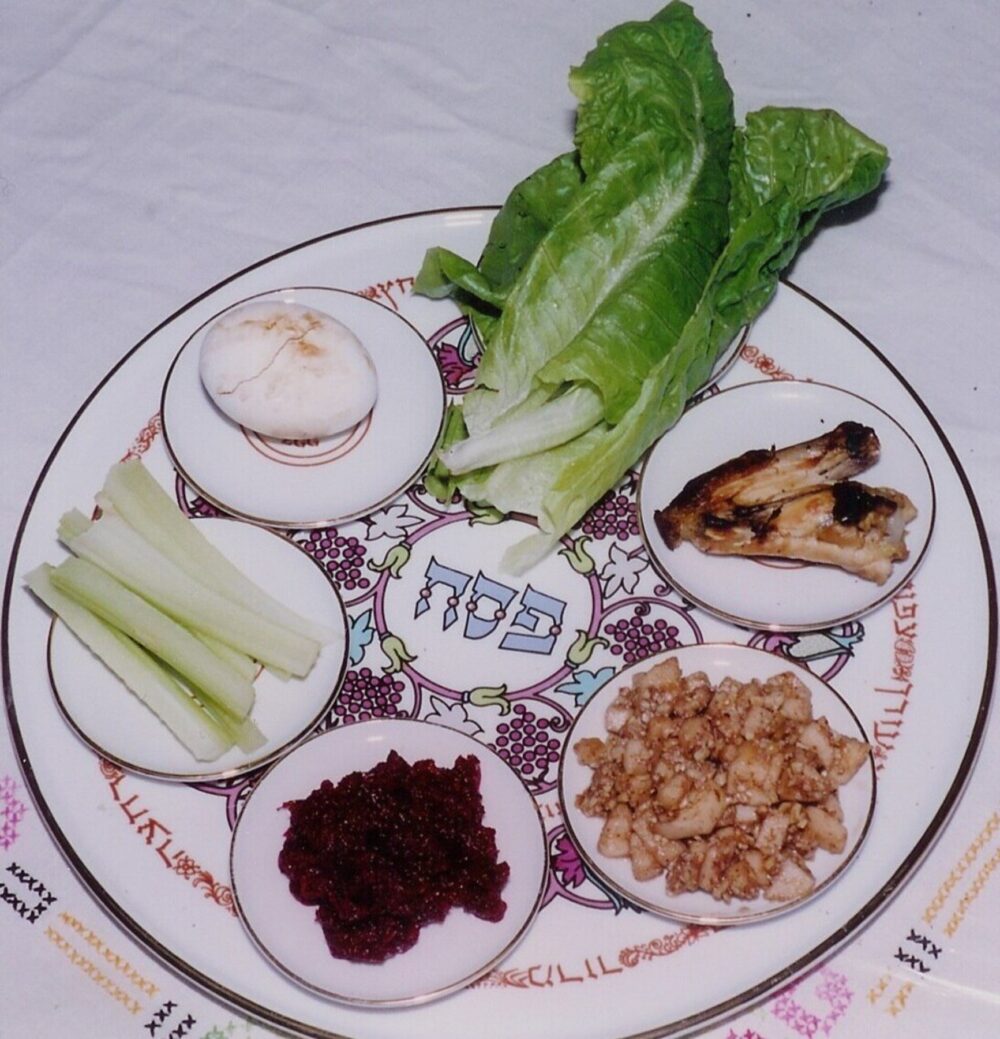
Vintage and antique Passover seder plates are worth choosing for more than nostalgia. They’re the visual centerpiece of the table, holding six symbolic foods that tell the Exodus story, and older plates add a sense of continuity with previous generations.Source To pick the right one, start with material and style (glass vs porcelain vs brass), then look hard at age and condition, and finally ask whether you need documented Jewish provenance or you’re comfortable with an “antique-style” interpretation. For sourcing, most buyers and small resellers will find the richest selection on Judaica-focused and vintage marketplaces; broad platforms like DHgate are mainly useful if you’re open to artisan or Judaica-inspired alternatives rather than true, documented antiques.
What Counts as a Vintage or Antique Seder Plate—and Why People Seek Them
A Passover seder plate (ke’ara) is designed to hold six items: zeroa (shank bone), beitzah (egg), maror (bitter herbs), charoset (sweet paste), karpas (vegetable), and chazeret (second bitter herb). Guides like JudaicaAdvisor and Minhagei Adot show how traditional layouts reserve separate spaces for each item, often labeled in Hebrew.
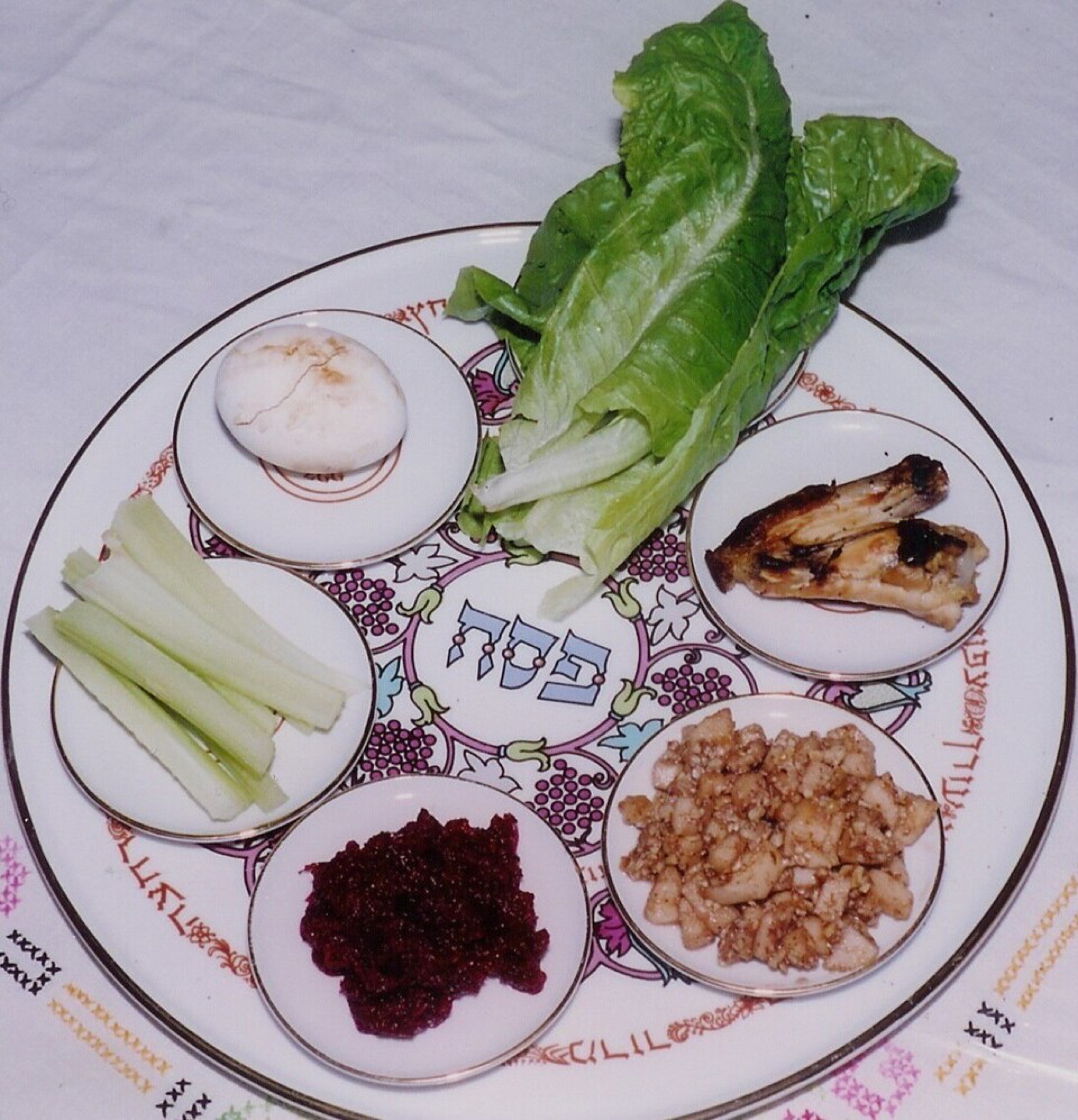
In practice:
- Vintage usually means mid‑20th century or later, such as a 1960s ceramic plate with blue Hebrew script.
- Antique often implies pre‑World War II, sometimes much earlier, especially in European Judaica.
Collectors and families look for older plates because they carry history—design languages from particular communities, Hebrew calligraphy styles, or motifs like pomegranates and Stars of David. For a small ecommerce seller, vintage seder plates offer distinctive inventory you won’t see in big-box seasonal aisles, as long as you’re clear whether you’re selling true vintage Judaica or simply older “Passover-themed” tableware.
Materials, Age, Condition, and Judaica Authenticity: What Really Varies
Vintage and antique seder plates aren’t one category; they span materials and aesthetics. The key decision points are material, design, age, and whether the piece is genuinely Judaica.
Common materials and styles
Research across Judaica and vintage platforms shows several recurring types:
| Material / style | What it looks like | Typical use case |
|---|---|---|
| Glass Judaica plate | Clear or colored glass, etched Hebrew labels, six shallow depressions.Source | Modern-leaning vintage; display & use |
| Spode-style ceramic / porcelain | Blue-and-white floral border, center illustration, Hebrew text.Source | Traditional yet decorative; family table |
| Hand-hammered brass or other metals | Warm metal tone, hammered texture, stamped or engraved labels.Source | More “antique” feel; statement piece |
| Painted ceramic from Israel/Europe | Colorful scenes, synagogue imagery, or Exodus motifs.Source | Collectible Judaica & display |
If you’re buying for regular use, ceramic/porcelain and newer glass plates tend to be easier to clean and less reactive to food. For a store display or collector resale, brass or more intricate painted ceramics can stand out—but they may need gentler handling.
Age and condition: how to judge a listing
Specialist guides like JudaicaWebStore’s antique section and JudaicaAdvisor stress two practical checks:
- Age / origin claims
- Look for concrete dating: “circa 1930s,” “1960s Spode,” or “pre‑war European Judaica,” ideally with some story or maker details.
- Be wary of vague “antique-style” or “vintage look” language if you truly need historical age.
- Physical condition
- Scan for chips and cracks, especially around the six depressions—damage here can affect use.
- Check glaze or paint for crazing, heavy fading, or overpainting that might hide repairs.
- On brass or copper, distinguish natural patina from structural issues like warping.
Several marketplaces show this spectrum clearly: some Etsy and Mercari listings for vintage plates highlight minor rim chips and glaze wear; others emphasize “no chips, no cracks” even for mid‑century pieces. Your decision is whether you want a plate pristine enough for serving food, or you’re comfortable with cosmetic flaws on a more display-oriented collectible.
Judaica authenticity vs “Passover-themed” decor
Not every plate labeled “Passover” is Judaica in the narrower sense. Authentic Judaica plates usually have:
- Hebrew names for the six items, often near individual wells.
- Jewish symbols or community-specific motifs (menorahs, Stars of David, pomegranates).
- A design that follows the standard six-item layout.
On general vintage sites, you’ll also see plates that show generic lambs, spring scenes, or English-only labels. Those can be beautiful and perfectly usable, but they’re closer to themed tableware than ritual Judaica. If you’re sourcing for observant customers or for a Judaica-focused shop, prioritize listings that clearly follow the traditional layout and labeling described by JudaicaAdvisor.
Where to Look: Judaica Specialists, Vintage Marketplaces, and DHgate in the Mix
For true vintage or antique seder plates, supply isn’t evenly spread across platforms. The best fit depends on whether you’re a single buyer, a small reseller, or experimenting with new designs.
Judaica-focused retailers
Judaica specialists explicitly merchandise antique-style and vintage plates, often with more context:
- JudaicaWebStore has an “Antique” seder plate category with designs described by material and style.Source
- JudaicaAdvisor publishes selection guides that reference traditional materials and layouts.
- JudaicaVintage focuses on older Judaica across categories, including tableware.
- ModernTribe sells “antique-style” seder plates for buyers who want the vintage aesthetic without hunting for true antiques.Source
These are strong options if you value clear Judaica identity and, in some cases, basic provenance notes.
General vintage and design marketplaces
Platforms like Etsy, eBay, Chairish, Poshmark, and Mercari regularly surface:
- One-off vintage finds (Spode, hand‑hammered brass, glass Judaica plates).
- A mix of Judaica and more generic Passover-themed decor.
Search terms such as “vintage Passover seder plate,” “seder plate antique,” or specific brands (e.g., “Spode seder plate”) often yield mid‑century designs with varying condition notes. For a small reseller, these sites are useful for curating a small but distinctive inventory, as long as you stay transparent about age and origin.
Where DHgate realistically fits
DHgate is a large marketplace with international sellers offering everything from flatware to artisan ceramics, but our research didn’t confirm a deep pool of documented vintage or antique seder plates through its product data. If you’re looking for:
- True vintage or antique Judaica with provenance → prioritize Judaica-focused retailers and vintage marketplaces.
- New, artisan-made plates with an antique or Judaica-inspired look → DHgate can be part of your search mix, alongside contemporary Judaica brands and design studios.
If you decide DHgate belongs on your shortlist, treat it as a place to experiment with new designs rather than a source for collectible antiques. For platform-specific navigation and seller checks, see What DHgate is and how the marketplace works and the guide on finding trusted sellers on DHgate.
A Worked Scenario: Curating a Small Vintage Seder Plate Collection
Imagine you run a small online Judaica shop and want 10-20 distinctive seder plates before next Passover.
- Anchor the collection in real vintage Judaica
- Start on Etsy and Chairish with “vintage Passover seder plate” and “Spode seder plate” to pick a handful of recognizable mid‑century designs.
- Add one or two metal plates sourced from Poshmark or Mercari (hammered brass, stamped Hebrew).
- Layer in antique-style new pieces
- Use JudaicaWebStore’s antique-style offerings and ModernTribe’s selections for customers who want a vintage vibe but prefer new production.
- These can carry clearer food-safety and condition expectations.
- Optional: test a few artisan alternatives
- If you want to experiment with non-branded, handcrafted plates, explore artisan-focused categories on DHgate and contemporary design sites, making sure the layouts support the six traditional items and that you’re honest about them being new, not vintage.
For additional DHgate platform context, use Review the DHgate order-readiness checklist.
By structuring your sourcing this way—proven vintage first, antique-style Judaica second, experimental artisan pieces last—you keep both tradition and transparency at the center of your buying decisions.