
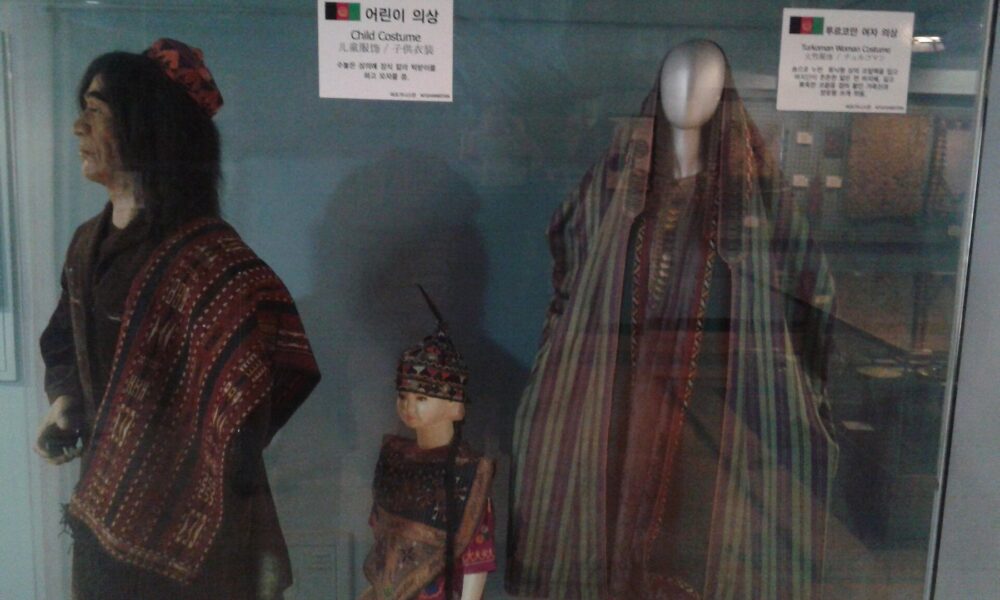
Bakhtiari traditional clothing is the regional dress of the Bakhtiari tribe in Iran. Men’s outfits typically combine a felt cap (kolah), shirt, vest, long trousers, and the distinctive wool chogha outer garment, while women’s clothing features layered, colorful dresses and headscarves that reflect a nomadic lifestyle and variable climate.VisitIran overview and SurfIran’s guide both emphasize that these garments are designed to be both practical for migration through mountains and symbolic of cultural identity. For US buyers and small ecommerce sellers, that mix of function and heritage is what makes choosing the right online platform so sensitive: you’re not just buying a costume, you’re sourcing a specific set of garments with cultural meaning.
What Bakhtiari Traditional Clothing Includes and Why It Matters for Sourcing
For men, sources on Chaharmahal–Bakhtiari dress describe a recurring set of pieces: a felt kolah cap, a simple shirt, a vest, long trousers, and the chogha, a woven wool outer garment made to handle cold and rough terrain.Chogha description notes its rustic wool construction and regional craftsmanship. When you’re ordering online, the key practical questions this raises are:
- Fabric weight and fiber content: Authentic choghas and trousers are often wool and fairly heavy, designed for outdoor migration. For US indoor events, some buyers prefer lighter or blended fabrics; small sellers may need to decide whether they want full‑weight wool or more wearable adaptations.
- Set completeness: A proper men’s set usually includes at least the cap, outer garment, and coordinated base layers. Many online listings only cover the chogha or a shirt‑trouser combo, so you need to check whether you’re getting a full outfit or one piece.
For women, traditional clothing from the region is described as layered and vividly colored, with skirts or dresses plus headscarves and sometimes vests.VisitIran highlights the bright, rainbow‑like palette and multiple layers suited to changing weather. From a sourcing angle, these details matter because:
- Layering affects sizing: Dresses and skirts are meant to be worn over other layers, so a US buyer used to single‑layer fashion may need to size up or confirm how the seller measures.
- Color and pattern choices: The traditional look relies heavily on saturated colors. A listing described merely as “Bakhtiari style” might use more muted tones, so product photos and descriptions become crucial if you want something close to regional dress rather than a generic “folk” outfit.
Culturally, guides like SurfIran emphasize that Bakhtiari clothing is both functional and symbolic: built for long migrations through mountains and plains, but also a visible marker of tribal identity. For buyers and resellers, that’s a reminder to treat designs respectfully and be clear whether you’re sourcing for cultural events, fashion fusion, or costume use.
Online Platform Types for Bakhtiari Clothing: From Niche Shops to Global Marketplaces
The online shopping landscape for Bakhtiari clothing is fragmented. You’re unlikely to find mass‑market coverage, but there are distinct platform types that show up in search results and cultural retail.
1. Specialized Iranian cultural retailers Shops focused on Iranian or regional dress are the most direct route. For example, Persis Collection runs a standard ecommerce store and lists ready‑made Bakhtiari sets for men, women, and children, such as a traditional Bakhtiari women’s costume set. These stores typically:
- Offer complete outfits (cap, outer garment, base layers, or full women’s sets) built as coherent costumes.
- Use product pages to explain cultural style and materials more clearly than generic marketplaces.
- Operate like regular online boutiques: fixed prices, limited SKUs, and no obvious bulk‑order tools.
For an individual buyer or a small shop testing one or two pieces, this route trades variety for clarity—you see exactly how a Bakhtiari set is assembled.
2. Global retail marketplaces (Amazon, Etsy, etc.) Large marketplaces host occasional Bakhtiari‑inspired or labeled items, usually sold by individual vendors. Searching for “Bakhtiari clothing” or similar often pulls up:
- Single garments (e.g., a cap or a dress) rather than full sets.
- Mixed authenticity: some pieces borrow the name or style but aren’t tied to Bakhtiari makers.
- Limited bulk or wholesale tooling beyond ordinary multi‑unit orders.
Because listings are sporadic and seller backgrounds vary, these platforms are best for buyers who are flexible about exact style and don’t need formal cultural guarantees.
3. Wholesale‑style marketplaces (Alibaba, DHgate, etc.) Wholesale marketplaces primarily connect buyers to manufacturers and trading companies. Searches for Bakhtiari or generic “Persian” outfits can occasionally surface sets or costume‑style garments, often shown on model photos or flat lays.
Here you’re usually dealing with:
- Suppliers willing to discuss custom quantities or minor design tweaks.
- Listings that may describe items broadly as “traditional” or “folk” rather than deeply documented regional dress.
Because authenticity and fabric quality can vary widely, wholesale marketplaces require more careful seller‑level scrutiny—asking about fibers, checking photos, and clarifying whether the design is inspired by Bakhtiari clothing or produced within that community.
4. Direct artisan and cultural‑organization channels Some craftspeople and cultural groups use their own sites or social accounts to sell traditional garments, though these are less visible in generic US search. They may prioritize heritage preservation, small runs, and custom sizing. For buyers who value direct support of Bakhtiari makers, this path can align best with cultural respect, but it often demands more outreach and patience than plug‑and‑play ecommerce.
Comparing Channels and Picking the Right Route for Your Bakhtiari Purchase
You’re ultimately choosing between clarity, authenticity signals, price flexibility, and ordering scale. Here’s a compact, scenario‑oriented way to compare the main routes:
| Use case / need | Best‑fit channel type | What you gain | What you trade off |
|---|---|---|---|
| One outfit for a wedding or Nowruz event | Specialized Iranian cultural retailer | Clearly defined Bakhtiari sets, easier sizing | Fewer style options, little bulk capability |
| Occasional Bakhtiari‑inspired fashion piece | Global retail marketplace (Amazon, Etsy) | Convenience, mixed but broad style selection | Harder to confirm cultural specificity |
| Small ecommerce test (10-30 outfits) | Wholesale‑style marketplace (e.g., Alibaba) | Negotiable quantities, potential customizations | More legwork vetting sellers and fabrics |
| Heritage‑focused resale or community events | Direct artisan / cultural organization channels | Direct support of makers, stronger heritage link | Longer lead times, less automation in ordering |
For wholesale‑style marketplaces, some buyers also look at DHgate as a possible option alongside sites like Alibaba. Because Bakhtiari and Persian outfits there are not a core, standardized category, availability can be spotty. If you go this route, treat each listing as a separate supplier offer: scrutinize photos for the key elements (kolah cap, chogha, layered dresses), ask detailed questions about fabric weight and origin, and be upfront about whether you need close alignment with traditional Bakhtiari dress or simply a “Bakhtiari‑style” costume. A broader comparison of marketplaces that includes DHgate is covered in our overview of online marketplaces and shopping platforms and the focused piece comparing DHgate with AliExpress, Alibaba and Temu.
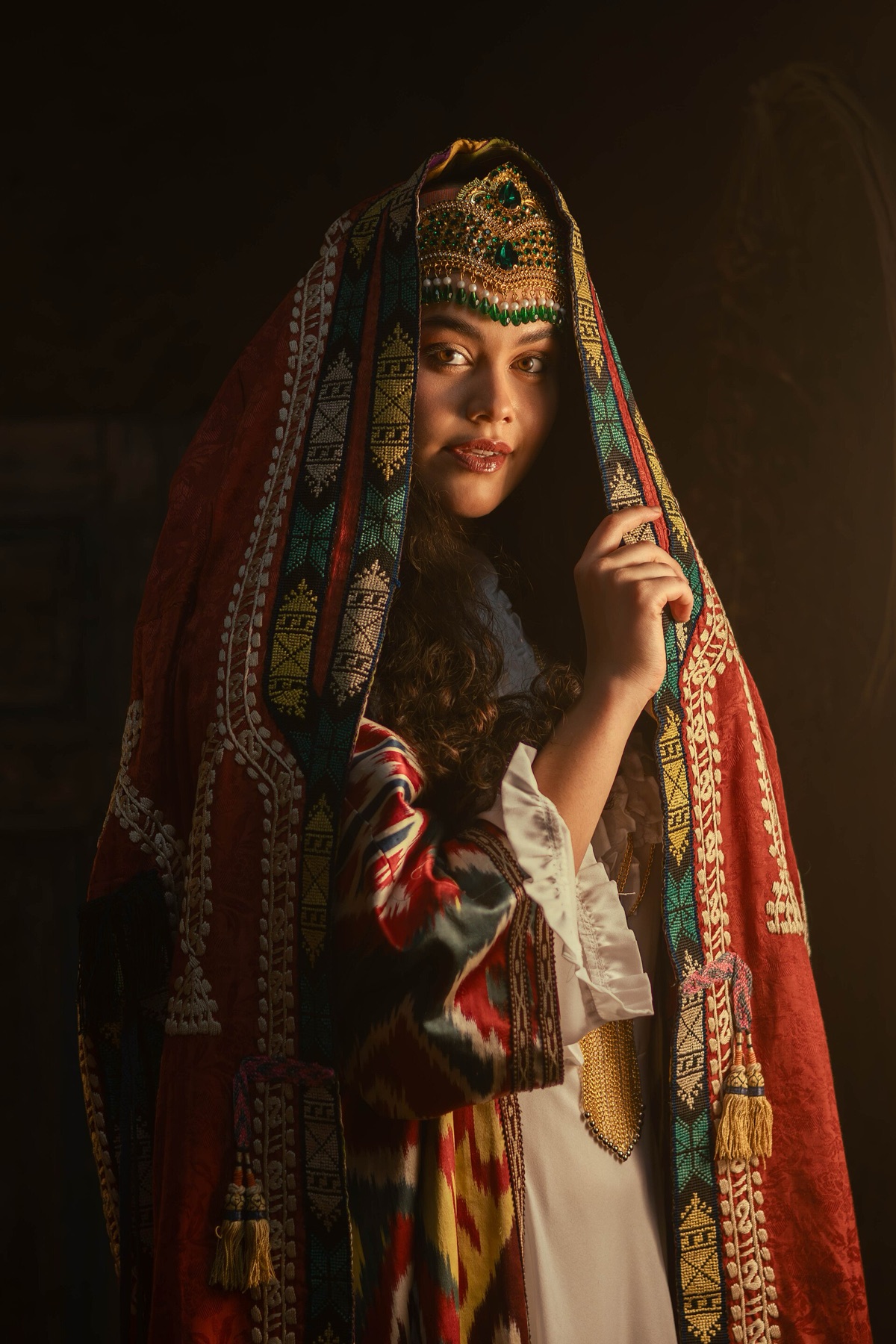
If your goal is a single, culturally grounded outfit, starting with a specialized Iranian retailer that explicitly labels garments as Bakhtiari is usually the least confusing option. For a small US boutique experimenting with regional styles, a mix of one or two clear Bakhtiari sets from such a shop plus more loosely “Persian” pieces from marketplaces can let you test demand without pretending to carry a full, authoritative range of tribal dress.
For any route, aligning what’s on the screen with what Bakhtiari clothing actually includes—wool chogha vs. generic coat, layered colorful dresses vs. plain folk skirt—will help you avoid two common sourcing problems: buying incomplete sets and stocking items that use the name “Bakhtiari” without reflecting much of the clothing tradition behind it.