
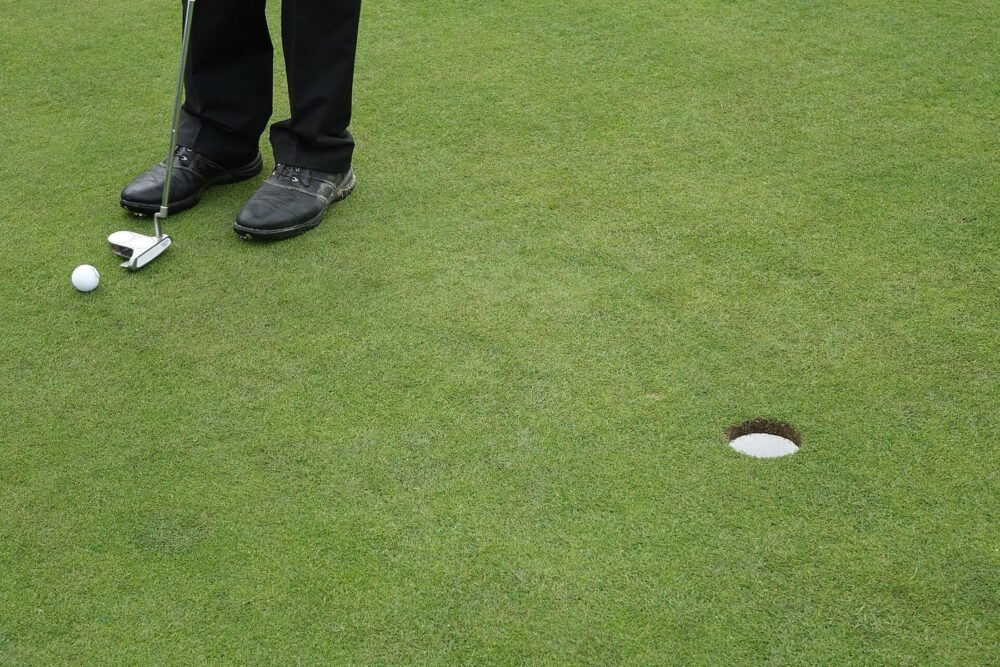
Beginner golfers and small resellers should focus on simple, forgiving short‑game clubs and then shop by total cost, not just sticker price. For most new players, a basic mallet putter in the budget band (roughly US$30-100 according to multiple putter guides and editorial round‑ups) and a straightforward chipper around that same level will do the job. Your real spend is the club price plus shipping, any customs charges into Australia, and local taxes or marketplace fees.
For play, you want a mallet putter with clear alignment lines and enough forgiveness that mis‑hits still roll close, and a chipper with mid loft for bump‑and‑run shots. For sourcing, you want whichever channel gives you the best landed cost and consistent quality: that might be a local shop if you’re buying one club, or a cross‑border order if you’re stocking an online store.
What Budget Golf Chippers and Putters Cost Today
Putters and chippers live in the short game, but their economics look different depending on how you buy.
For putters, many editorial buyer’s guides define a budget range around US$30-100. This bracket is typically where you’ll find:
- Basic mallet or blade shapes
- Cast rather than milled heads
- Simple alignment aids instead of complex multi‑material designs
Brand editorial such as the DHgate blog’s discussion of price bands for putters also uses a similar US$30-100 range for budget models, with mid‑range options starting higher.
Converted loosely for Australian buyers (without fees), that range often sits in the AU$50-150 ballpark, but your actual price will depend on exchange rates and where you buy.
Chippers occupy a similar price lane for recreational gear. A chipper is a hybrid short‑game club that blends putter and wedge traits and is mainly used just off the green. Guides like ShunGolf’s overview of common chipper loft angles note that many chippers sit around 35-37 degrees of loft, broadly similar to a 7‑iron but with a putter‑style setup.
For an Australian buyer or small ecommerce business, your total cost per club typically breaks into:
- Item price – the base cost of the putter or chipper.
- Domestic or international shipping – courier or postal charges, often a bigger factor for cross‑border orders.
- Customs, tariffs and import fees – applied on higher‑value shipments into Australia; small single‑club orders may slip under some thresholds, but bulk orders usually do not.
- Marketplace and payment fees – platform commissions, currency conversion and card/PayPal charges.
If you’re reselling, you should model landed cost per club (including duties and shipping) early. For personal use, your main decision is usually between a single mid‑price club from a local retailer, a cheaper used club, or a lower‑priced imported option whose shipping may erase the savings.
Example landed cost snapshot
To make the trade‑offs more concrete, here’s a high‑level comparison of how costs stack up for a single budget putter or chipper and for a simple bulk order:
| Scenario | Item Price Band (US$) | Extra Costs That Matter | When It’s Usually Best |
|---|---|---|---|
| Single budget putter from local shop | ~30-100 | Small or no shipping; no import duties | New players who want to try before buying |
| Single used brand‑name mallet | Often below new budget RRP | No import; may need regripping | Players chasing value over latest tech |
| 20-30 budget clubs imported in bulk | Per‑club price may land below local budget | International freight, duties, currency fees | Small resellers building starter inventory |
These ranges are indicative, not guaranteed, but they show why beginners often stick to local or used channels, while resellers look harder at cross‑border procurement.
Why Some Chippers and Putters Cost More: Key Price Drivers
Price jumps in short‑game clubs are mostly driven by design, materials and brand.
1. Head design and forgiveness
Beginner putter reviews consistently highlight modern mallet designs as more forgiving for high‑handicap players. As multiple forgiving‑putter guides note, mallets generally have higher MOI (moment of inertia), so the head twists less on off‑center hits and off‑line putts stay closer to the target.
Blades, by contrast, are slimmer and often favored by better players who value feel over forgiveness. They can still be cheap, but in the premium tiers you’re paying for precise milling, heritage designs and brand cachet.
For most beginners on a budget, paying a little extra for a basic mallet with clear alignment lines is often better value than spending on a premium blade whose advantages only show up with a very repeatable stroke.
2. Materials, inserts and construction
The general pattern, reflected in references like the putter article on Wikipedia, is:
- Basic cast steel heads with simple faces: lower cost.
- Multi‑material heads with face inserts, perimeter weighting and advanced alignment: higher cost.
Face inserts, soft elastomers and complex weighting schemes add manufacturing cost but can improve feel and consistency. For beginners, a simple insert and clear alignment often provide most of the benefit without chasing the most expensive designs.
On chippers, extra sole shaping, higher‑end finishing and unusual multi‑face designs tend to push prices up, though the performance gains for casual play are often modest compared with a well‑designed basic model.
3. Brand reputation
Recognized names charge more because they invest in R&D, tour validation and stronger quality control. A no‑name budget mallet might undercut them on price, but you risk inconsistent tolerances or poor weighting.
If you’re trying to keep costs reasonable, a mid‑tier brand in the budget putter range can be a good compromise: generally sound construction and decent feel without the premium pricing of flagship tour models.
4. Chipper legality and design quirks
Chippers are legal under most modern rule sets if they’re built like standard irons – single‑faced, conforming heads and shafts. Rules overviews such as GolferHive’s explanation of chipper legality point out that double‑sided or gimmick designs may not be allowed in official play.
That matters for cost because some very cheap, novelty chippers cut corners on conformity. If you or your customers plan to play in club competitions rather than purely social rounds, it’s worth checking:
- That the chipper has one striking face, not two.
- That the loft and construction resemble a conventional iron (mid loft around 35-37° is common, as ShunGolf notes).
Rule bodies update guidance periodically, so treat these points as a starting checklist and confirm against current rules if competitive legality is important. When in doubt, a simple, single‑faced chipper from a known brand is safer than a novelty design.
Choosing the Right Sourcing Channel and Cutting Total Cost
Once you know the type of club you need, the real savings come from choosing the right sourcing channel and managing landed cost rather than chasing the lowest sticker price.
Channel comparison for budget short‑game gear
| Channel | Best For | Pros (Budget Gear) | Main Cost/Risk Factors |
|---|---|---|---|
| Local retail / pro shop | Single‑club buyers, fitting help | Try before you buy; immediate delivery; easy returns | Higher sticker price; smaller discounts |
| Local used market | Value‑conscious players, micro‑resellers | Branded clubs under new RRP; no import fees | Variable condition; limited stock; time spent searching |
| Cross‑border marketplaces | Price‑sensitive buyers, online stores | Wide selection; potential per‑unit savings on bulk | Shipping and duties; varying seller quality; longer lead times |
| Direct wholesale/import | Small ecommerce businesses, bulk orders | Lower per‑club cost at higher volumes; custom specs possible | MOQs, customs complexity, capital tied up in inventory |
For personal use, local used gear is often the sweet spot: a forgiving mallet from a known brand at a used price, no import paperwork, and you can roll a few putts before paying.
For small ecommerce businesses, cross‑border sourcing becomes more compelling. Marketplaces such as DHgate are one option among others for finding bulk lots of budget putters and chippers. If you go this route, treat every listing like an individual supplier and verify:
- Total landed cost to Australia (item price, shipping, estimated duties and taxes).
- Head style, loft, and whether the chipper appears conforming rather than novelty.
- Packaging details and any minimum order quantities so clubs arrive undamaged and in a usable assortment.
If you need more help estimating Australian import charges when sourcing overseas, you can review DHgateWiki’s guide to customs, tariffs and import fees. And if you’re weighing different cross‑border marketplaces more broadly, the comparison of DHgate vs AliExpress, Alibaba and Temu can help frame the channel‑level trade‑offs.
Simple sourcing scenario for a small reseller
Imagine you want 20 beginner mallet putters and 10 basic chippers to stock an entry‑level golf section in your online store. You could:
- Get a per‑club quote from a domestic distributor. Include shipping within Australia and any volume discounts.
- Identify a cross‑border lot of similar clubs on a marketplace. Note the per‑club price and shipping quote, and estimate any duties and taxes.
- Run the math on per‑unit landed cost. Divide the total bill (including freight and import charges) by the number of clubs.
- Overlay playability and legality. Check that the imported clubs match beginner‑friendly specs (mallet heads, clear alignment aids, mid‑loft chippers) and appear rule‑conforming.
If the cross‑border option only saves a few dollars per club but adds long lead times and uncertain chipper legality, sticking with a local or regional supplier may be smarter. If the per‑unit saving is significant and the specs look beginner‑friendly and conforming, then higher MOQs can make sense.
The overall budget takeaway: don’t overspend on technology you won’t use yet, but don’t chase the absolute cheapest chipper or putter if it compromises legality or basic forgiveness. A simple mallet putter and mid‑loft chipper in the established budget band, sourced through the channel that gives you the lowest reliable landed cost, is usually the best move for beginners and small resellers alike.