
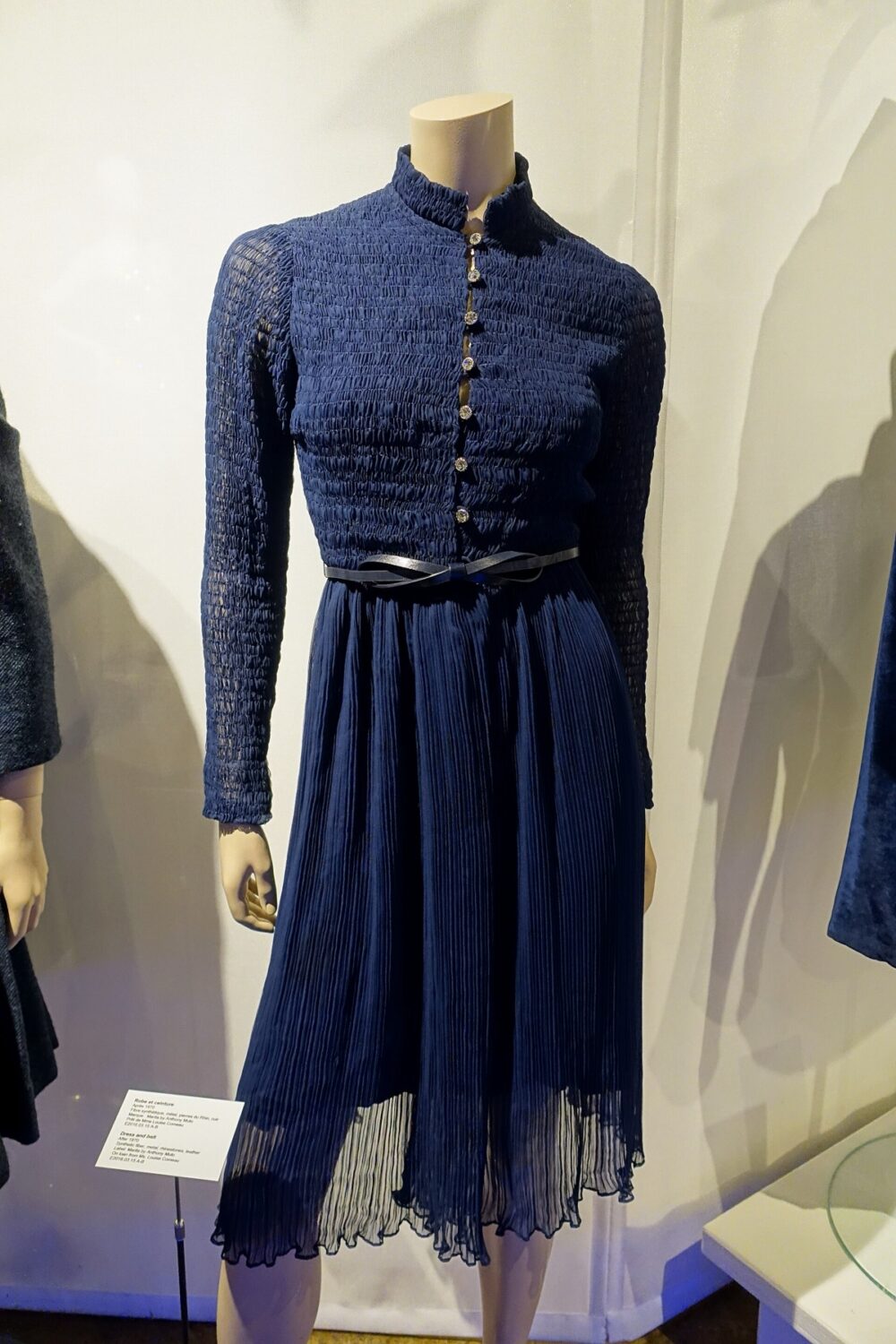
Rhinestone belts for dresses are sold everywhere from big marketplaces to tiny eveningwear sites, but they’re not all set up for the same kind of buyer. If you’re in Canada, you’ll find single belts for weddings or prom on retail marketplaces and specialty fashion sites, while bulk options for resale are more common on wholesale-style or cross-border marketplaces. The right route depends on whether you need one perfect sparkly belt or dozens to stock a boutique.
How the Rhinestone Belt Market Is Sold: From Big-Box Sites to Boutiques
For Canadian shoppers, rhinestone dress belts show up in four main places: retail marketplaces, big-box fashion sites, niche eveningwear shops, and local boutiques.
On retail marketplaces like Etsy’s rhinestone belts for dresses, independent sellers list handmade and customizable belts, often aimed at brides or formal events. You’ll see variations in width, color, and embellishment, with options to tweak length or stone placement for a specific dress.
Mass-market retailers such as Walmart.ca’s rhinestone stretch belt listing typically position rhinestone belts as affordable fashion accessories. These are usually elastic or faux-leather belts designed to work with everyday dresses or party outfits, with domestic-style shipping that’s straightforward for Canadian buyers.
Occasion-focused chains like Windsor prioritize prom, wedding guest and special-event dressing. Windsor’s dedicated page for rhinestone belts for prom dresses and its broader belts collection show sparkly waist belts, chain belts and crystal accents meant to match their gowns.
Then there are niche eveningwear sites. EveningElegance’s evening belts focus on crystal and rhinestone pieces for formal dresses and gowns, while rhinestone-specific shops like BeltRhinestone showcase mostly sparkly crystal belts. These niche platforms work well when you want a clearly dress-focused belt and don’t want to sort through generic jeans belts or western styles.
Local boutiques and bridal shops in Canadian cities often stock a small selection of rhinestone dress belts as part of their accessory wall. Selection is narrower than online, but you can try belts on with your dress and avoid cross-border shipping and duties.
Platform Types for Buying or Sourcing Rhinestone Dress Belts
Behind those websites are different platform models that matter for how you buy — and especially how you source for resale.
Retail marketplaces (Etsy, general marketplaces)
- Operational model: Many independent sellers list individual belts or small runs. You’re buying per piece, directly from each seller.
- Typical quantities: 1-5 units; some sellers will accept small bulk orders if you message them.
- Customization: Common for bridal or formal belts — made-to-order lengths, specific stone colors, or custom motifs.
Social-commerce platforms (TikTok Shop)
TokTok Shop’s rhinestone belts keyword page aggregates belts from multiple third-party sellers via short videos and live streams. You see the belt styled on real outfits before you buy.
- Operational model: Content-first. Creators promote belts and you purchase through the platform interface from distinct sellers.
- Typical quantities: Mostly single belts or small multiples; good for impulse buys and trying trends such as Y2K chain belts.
- Customization: Limited; more plug-and-play fashion than custom bridal accessories.
Specialty fashion and rhinestone sites
Sites like RhinestoneJewelry’s rhinestone belt collection, EveningElegance, and BeltRhinestone curate only sparkly belts and closely related accessories.
- Operational model: Single retailer or manufacturer with a tight niche assortment.
- Typical quantities: Retail quantities, but some will support small wholesale or volume orders if you contact them.
- Customization: Usually limited to choosing width, finish and color from the catalog; full custom is rarer than on handmade marketplaces.
Wholesale-style and cross-border marketplaces
Wholesale-style marketplaces host large numbers of suppliers, often in lower-cost manufacturing regions, selling belts and other fashion accessories in bulk. These can be domestic or cross-border.
- Operational model: You browse supplier catalogs and negotiate quantities directly with each seller.
- Typical quantities: Multi-unit packs or higher minimum order quantities; more appropriate for boutiques than brides.
- Customization: Often available on larger orders (e.g., custom buckle shapes, brand tags), but requires more coordination and lead time.
Here’s a compact way to compare these platform types for rhinestone dress belts:
| Platform type | Best for quantity | Customization level | Typical buyer |
|---|---|---|---|
| Retail marketplaces (Etsy) | Single belts, very small runs | High for bridal/formal belts | Individual event buyers, micro-brands |
| Social-commerce (TikTok Shop) | Single belts | Low–medium, trend-driven | Trend-focused consumers |
| Specialty rhinestone sites | Single belts, small batches | Medium (catalog options) | Dress shoppers, small boutiques |
| Wholesale-style marketplaces | Multi-pack or bulk orders | Medium–high on larger orders | Boutiques, online sellers |
| Local boutiques/bridal shops | Single belts | Low (in-store selection only) | Local event shoppers |
Choosing the Right Channel for Your Occasion or Business
Different scenarios need different buying routes. Thinking in terms of occasion and quantity helps narrow the list fast.
Scenario 1: One wedding or prom dress belt (personal use)
If you just need one standout belt for a wedding dress or prom gown, retail and specialty platforms are usually the simplest.
- Etsy’s rhinestone belts for dresses work well if you want a custom fit or a specific design to match lace or beading on your dress.
- Windsor’s prom-focused rhinestone belt selection and Canadian-friendly retailers like Walmart.ca’s stretch rhinestone belts cover off-the-rack options you can pair with in-store dresses.
- If you’re nervous about cross-border returns or duties, a local bridal shop or boutique lets you see how the belt sits on your exact dress before you buy.
Scenario 2: Several belts for bridesmaids or a small event
For 5-10 coordinating belts, you’re in a middle ground.
- Some Etsy sellers and niche sites like EveningElegance or RhinestoneJewelry may offer price breaks for small multiples if you contact them.
- Social-commerce platforms such as TikTok Shop can help you spot styles that look good across different body types, but you’ll often be buying belt-by-belt from separate sellers, which complicates matching and shipping.
Scenario 3: Stocking a boutique or online shop with rhinestone dress belts
If you’re a Canadian small business planning to sell rhinestone belts regularly, wholesale-style and cross-border marketplaces come into play, alongside specialty sites.
- Specialty rhinestone retailers like BeltRhinestone or RhinestoneJewelry can sometimes support small wholesale arrangements, which keeps quality and style more consistent.
- If you’re comparing this kind of sourcing route to other marketplaces, it helps to understand how DHgate and similar platforms work overall; the explainer on what DHgate is and how the marketplace works and the broader overview of online marketplaces and shopping platforms can give you that bigger picture.
Quick styling and quality checks, tied to platform choice
For event belts, how the belt looks and holds up matters more than pure price:
- On handmade or customizable platforms, prioritize secure stone settings and backing materials (fabric, leather, chain) that match the weight of your dress; lighter fabrics pair better with narrow, fabric-backed rhinestone bands.
- From mass-market sites like Walmart.ca, look closely at product photos to judge how dense the rhinestones are and whether the elastic or synthetic material will sit smoothly over your dress.
- For resale sourcing, consistency matters: platforms or suppliers that specialize in rhinestone belts, such as BeltRhinestone, make it easier to build a clear product line with predictable quality than piecing together belts from unrelated single-item sellers.
The key is matching your platform choice to your real need: one perfect belt, a handful for a bridal party, or dependable inventory for your boutique. Each platform type offers rhinestone belts for dresses, but not every route makes sense for every Canadian buyer.