
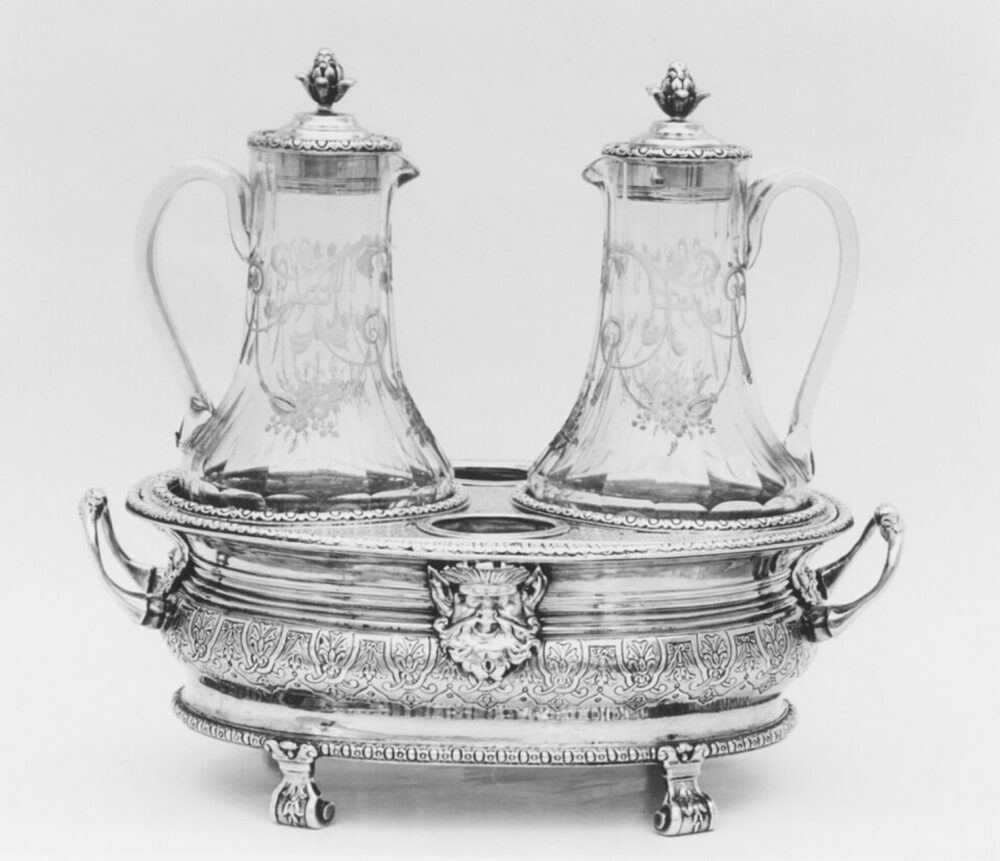
Decorative glass bottles can look cheap on-screen but get expensive once you add freight and breakage risk. From Australia, you’ll usually get the best value by matching your order size to the right channel: buy a few designer pieces from local retail, use domestic wholesalers for event quantities, and only tap cross-border marketplaces for larger, repeatable bulk orders where the freight can be spread across hundreds of units.
For both personal projects and small ecommerce runs, the trick is to think in “landed cost per bottle” rather than sticker price. That means counting product, packing, shipping, customs and platform fees together. Once you do that, it becomes clearer whether an Amazon AU listing, a local decor site or a bulk import suits your project.
What really makes decorative glass bottles expensive to source in Australia?
Glass itself is cheap to make, but buying finished decorative bottles into Australia adds several cost layers.
1. Product type and positioning A simple clear bottle with a cork is priced very differently from a designer decor piece.
On retail sites like Amazon.com.au, decorative glass bottles are often sold individually or in small sets. Pages such as the TOYZFRIENDY preserved flower bottle and the micro landscaping bottle show typical AU retail structure: one product, one price, then shipping calculated separately at checkout, plus standard return windows. Those listings highlight how a single bottle meant as a gift or desk decor tends to carry a higher margin.
By contrast, decor-focused stores like Modest Hut’s decorative bottles collection position glass bottles as design pieces. You’re paying for style and brand, not just a container. That can make sense if you sell premium home decor, but it’s overkill for event centerpieces or DIY projects where the bottle is just a base to decorate yourself.
2. Shipping heavy, fragile items Glass costs more to move than to make. Even domestically, weight and fragile-handling charges add up. Many AU sites separate product and shipping clearly so you can see the impact. For example, KO Shop’s glass bottle category markets bottles with free shipping above a stated order threshold for most Australian states. If your cart is just under that minimum, effective per-bottle cost jumps because you’re paying shipping; once you clear it, your bottles effectively absorb zero extra freight.
Cross-border freight amplifies this effect. International postal services often price by weight and volume, and glass needs better packaging to avoid breakage. So a carton of decorative bottles might need double-boxing and void fill, increasing dimensional weight and shipping cost.
3. Protective packaging and breakage risk Bottles need individual protection (dividers, bubble wrap, foam) as well as outer cartons. Someone pays for that: either the supplier builds it into the product price or you pay separately. Poor packaging can wipe out any savings if you lose 5-10% of bottles in transit.
4. Duties, GST and fees
How order size, customization and shipping choices change your per-bottle price
Once you look beyond one-off retail buys, three factors dominate your unit cost: volume, complexity and freight method.
Volume and MOQ: where discounts usually kick in
Wholesale and cross-border suppliers often offer lower per-unit prices at higher order quantities, especially for simple, non-custom bottles. You won’t usually see precise price ladders published, but the pattern is consistent:
- Very small packs (10-20 mini bottles) sold on retail marketplaces behave like consumer products, not wholesale.
- Once you buy cartons of a single style, suppliers frequently reduce the unit price because they’re producing and packing more efficiently.
- True wholesale-only suppliers may expect you to meet a minimum order quantity (MOQ) per style.
That means your per-bottle cost can actually drop when you move from mixed retail sets to uniform wholesale cartons, even though your total spend increases.
Customization and complexity premiums
Every design upgrade adds cost:
- Colored or textured glass (e.g., hammered or patterned finishes).
- Custom shapes (micro landscaping bottles, ecological terrarium bottles, etc.).
- Decoration like printing, etching or applied metal.
Listings like the micro landscaping bottle on Amazon.com.au illustrate these more complex forms: attractive, niche, and typically priced higher than plain cylinders with corks. For ecommerce, it’s worth deciding whether your branding lives on a label and packaging (cheaper) or the bottle itself (more expensive).
Shipping method: parcel vs. freight
Small orders are usually shipped as standard parcels via domestic couriers or postal services. For cross-border sourcing, you have choices:
- Postal / economy courier: lower cost per box but slower and sometimes less predictable handling for fragile goods.
- Express courier: faster and often better tracking, but the price per kilogram can dwarf savings on the bottle itself.
- Consolidated freight: starts to make sense for pallets or multiple cartons; per-bottle freight drops, but you take on more logistics complexity.
For decorative bottles, a practical rule of thumb is:
- Under a few dozen bottles: treat shipping as a retail cost and buy domestically if possible.
- Dozens to low hundreds: compare domestic wholesale carton pricing with carefully packed international parcels.
- Hundreds plus: consider freight options and factor in customs, then calculate landed cost per bottle.
Choosing the right sourcing channel and cutting costs safely
You’ll get the best value by matching your order size and product type to the channel. Here’s how the main options stack up for Australian buyers.
Channel roles at a glance
| Channel type | Best for | Typical pros | Key cost watchouts |
|---|---|---|---|
| Local AU retail marketplaces | 1-20 bottles, gifts, decor pieces | Fast delivery, familiar returns, mix-and-match styles | High per-bottle price, separate shipping |
| Domestic AU wholesalers | 50-500+ bottles, events, small ecommerce | Lower per-unit on cartons, simpler shipping, local support | Carton MOQs, less design variety than decor |
| Designer decor sites | Statement pieces, premium homeware | Distinctive designs, strong brand appeal | Highest per-bottle pricing |
| Cross-border marketplaces | 200+ bottles, repeatable bulk SKUs | Broad supplier choice, wholesale pricing at volume | International freight, customs, breakage risk |
Local retail: quick and flexible, but rarely cheapest per unit
If you only need a handful of decorative bottles, AU retail platforms and craft stores are the most practical route. Pages on Amazon.com.au show how this works: you pick specific items, pay the listed price, and shipping is calculated per order with clear return windows. This is ideal for wedding table examples, photo shoots or testing a new product idea.
Just remember that shipping can quietly push up your per-bottle cost, especially if you order from multiple sellers instead of consolidating into one cart.
Domestic wholesalers: often the sweet spot for events and small brands
For serious quantities, domestic wholesalers are where many Australian event planners and ecommerce sellers land. Sites like Wholesale Wedding Superstore’s glass bottles section list multiple bottle shapes and sizes, clearly aimed at bulk buyers for weddings and decor.
The advantages are straightforward: you get carton quantities, unit prices that are often lower than retail, and local shipping that doesn’t cross customs borders. This is particularly cost-effective for clear bottles, standard shapes and recurring event needs.
Designer decor brands: pay for style when it matters
Decor sites such as Modest Hut treat bottles as sculptural objects, not packaging. The pricing reflects that. For a boutique homeware store or high-end interior design client, this premium can be part of the brand story. For budget-sensitive events or mass-market ecommerce, it’s usually better to buy simpler bottles and invest your margin in labels, contents or photography.
Cross-border marketplaces and where DHgate fits
When you’re ready to buy hundreds of identical decorative bottles on a repeat basis, cross-border marketplaces become relevant. They connect you directly with overseas manufacturers and wholesalers, which often means lower factory-gate pricing for simple bottle designs.
DHgate’s own blog has featured decorative bottle DIY ideas and wholesale products, which shows that its marketplace does cater to decorative glass bottles in bulk. That makes DHgate one possible sourcing option alongside platforms like Alibaba or AliExpress if you’re comfortable importing.
Because none of these marketplaces handle sourcing exactly the same way, it’s worth comparing them before committing. Articles such as Compare DHgate with AliExpress, Alibaba and Temu can help you decide which platform’s structure aligns with your volume, budget and risk tolerance.
If you do choose a cross-border marketplace channel, keep the focus on individual listings and suppliers:
- Check whether the seller clearly describes packaging for glass.
- Model the landed cost per bottle including a conservative allowance for customs and potential breakage.
Practical ways to keep costs low without cutting corners
To finish, here are targeted tactics that apply specifically to decorative glass bottles:
- Standardize your SKU where possible. One simple bottle shape in large volume is cheaper to buy, pack and ship than five different shapes in smaller runs. Variations can live in labels, contents or accessories.
- Prototype with retail, then lock in wholesale. Test a design concept using higher-priced retail bottles from Amazon AU or similar. Once you know what sells, switch that shape to a domestic wholesaler or bulk import source to bring the unit cost down.
Used this way, decorative glass bottles can stay budget-friendly without looking cheap. The more precisely you match your channel to your order size and bottle style, the less you’ll waste on freight and the more room you’ll have for margin.