
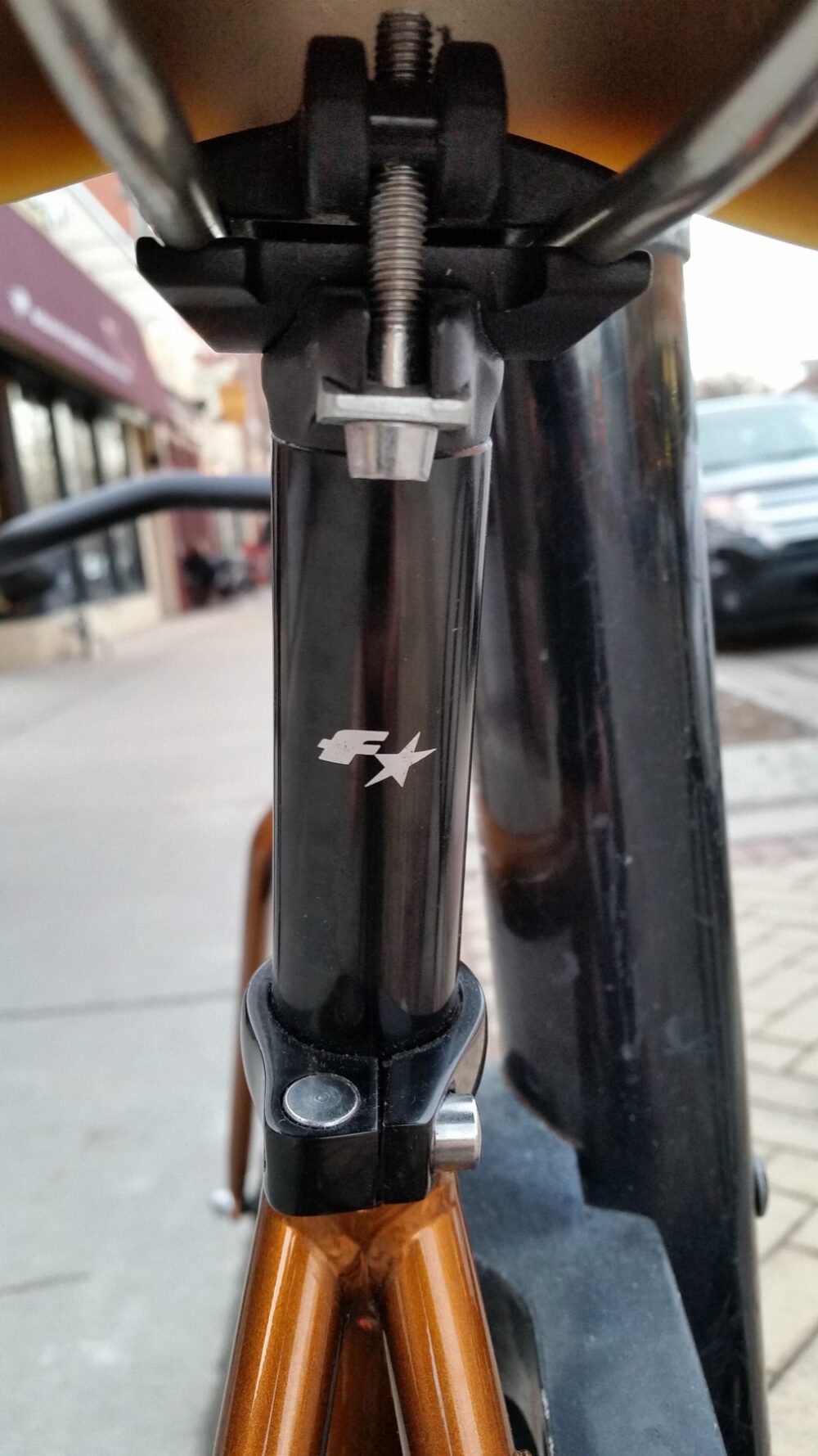
Yes, you can find affordable titanium bicycle seatposts on popular online stores, but your best route depends heavily on how many you need and how much risk you’re willing to take. A single high-end post for your gravel bike lives in a different part of the internet than a batch of unbranded titanium posts you want to test in an online shop. Choosing the right platform type — big-box retail, consumer marketplace, specialist bike retailer, or cross-border marketplace — matters as much as choosing the right diameter.
Titanium Seatposts Online: What’s Actually Available and Where
Search “Titanium Bicycle Seatposts” and you’ll see how fragmented the market is.
On large consumer marketplaces like eBay, there are many titanium seatpost listings — branded, generic, and outright unbranded — with options changing frequently as sellers add and update stock. You’ll see different diameters and setbacks, and a mix of new and used posts, often in one search result cluster.
US big-box retail sites such as Walmart’s business and consumer pages show plenty of bike seatposts and related parts, but titanium versions are the exception rather than the rule. Most options are alloy or generic posts marketed on price, not material, and only a handful of results mention titanium in the product name.
Specialist bike retailers lean the other way: they typically focus on branded titanium posts with detailed specs and a premium angle. For example, Modern Bike’s Moots titanium seatposts and Zinn’s titanium seatposts highlight material, setback, diameter, and intended use, positioning titanium as a comfort and durability upgrade rather than a commodity part.
That split tells you something important: generalist platforms treat titanium seatposts as just another bike part; specialist shops treat them as a performance component.
How Platform Types Handle Titanium Seatpost Sales
Underneath those search results are very different business models. Using titanium posts as a lens makes the differences easier to see.
Retail sites (Amazon, Walmart, similar)
Big retail platforms either stock products themselves or host selected third-party vendors under tight rules. For titanium seatposts, that tends to mean:
- A small number of titanium options mixed into a large catalog of cheaper alloy or generic posts.
- Simple pricing aimed at everyday buyers, not bulk discounts.
- Little or no ability to ask the brand detailed technical questions from within the listing.
You shop here like you would for any household item: search, filter, add to cart, and rely on standard consumer expectations rather than deep component knowledge.
Consumer marketplaces (eBay-style)
Marketplaces such as eBay operate closer to an open bazaar. Individual sellers list their own seatposts, set prices, and decide whether they’re selling new, used, branded, or unbranded inventory.
For titanium posts, that usually means:
- Many more variants, including obscure brands or no-brand items, plus used parts from home mechanics.
- Variable description quality: some listings clearly specify diameter, setback, and material; others are vague.
- A real chance to find unusual specs or lower per-unit prices, balanced against uneven consistency.
Specialist bike retailers and brand sites
Retailers focused on bike components and small framebuilders sit in a different lane. Sites like Modern Bike or Zinn stock a curated list of titanium posts with:
- Clear sizing tables (diameter, length, setback) and intended discipline.
- Material callouts using grades commonly seen in bike components, such as Ti‑3Al‑2.5V or Ti‑6Al‑4V, chosen for strength-to-weight balance.
- Premium brand positioning: these posts are sold as lifetime upgrades, not disposable parts.
You pay more per seatpost, but you’re buying into specific brands and documented specs.
Cross-border wholesale-style marketplaces
Then you have global sourcing marketplaces where factories and trading companies list bike parts directly to overseas buyers. These platforms often host many unbranded or lesser-known titanium components, from bolts to posts, typically aimed at bulk or repeat buyers rather than one-off consumers.
On these sites, it’s common to see:
- Listings that assume you might order multiple pieces or repeat orders.
- Generic product titles like “Titanium Alloy Seatpost” with limited branding.
- Buyers using the platform as a sourcing channel for their own ecommerce stores, not just personal bikes.
Quick Comparison: Platform Types for Titanium Seatposts
Here’s a compact way to compare those routes:
| Platform type | Typical titanium offer | Price feel (per post) | Best suited for |
|---|---|---|---|
| Big-box retail (e.g., Walmart) | Few titanium options, many alloy/generic posts | Midrange consumer pricing | Casual riders wanting simple checkout |
| Consumer marketplaces (eBay) | Many new/used, branded/unbranded titanium posts | Wide spread; deals and outliers | Enthusiasts hunting specific specs; flippers |
| Specialist bike retailers | Branded, spec-heavy titanium seatposts | Generally premium | Riders prioritizing performance & fit |
| Cross-border marketplaces | Unbranded/lesser-known titanium parts in bulk | Often attractive in volume | Small resellers, shops testing imports |
For broader context on how online marketplaces differ structurally, you can also look at this overview of marketplace and shopping platforms or, more specifically, how DHgate compares with AliExpress, Alibaba and Temu.
Choosing Your Best Channel for Titanium Seatposts
Once you know what’s out there, the right path depends on who you are and what you’re trying to do.
Scenario 1: Enthusiast rider buying a single premium post
If you’re upgrading one bike and care about ride feel, setback, and long-term durability, specialist retailers and reputable brand sites usually make the most sense. The titanium posts you’ll see at places like Modern Bike or Zinn come with detailed specs and brand support, which helps with a critical fit decision like diameter or insertion length.
You pay more upfront, but you aren’t gambling on whether “27.2” in a vague listing is actually accurate on delivery.
Scenario 2: Rider on a budget who still wants titanium
If you’re price-sensitive but set on titanium, a consumer marketplace search on eBay is often the richest field. The mix of new, used, and off-brand posts creates opportunities to trade time and research for savings.
The catch is consistency. Listings with sparse descriptions or generic photos may hide mismatched diameters or unknown material grades. For a load-bearing part like a seatpost, stick to listings with clear sizing information and, ideally, some usage history or brand identity.
Scenario 3: Micro-seller testing titanium imports
If you run a small ecommerce store or sell on marketplaces yourself, your problem isn’t one seatpost — it’s finding a repeatable source. Cross-border marketplaces (including DHgate and Alibaba-type sites) are designed for that.
Here, your workflow looks more like sourcing than shopping:
- Shortlist a few titanium seatpost suppliers with the specs your market needs.
- Order a tiny test batch to check machining quality, tolerances, and packaging in person.
- Only then decide whether to commit to larger quantities.
You’ll also need a plan for returns and customer support on your own storefront, because you’re effectively taking responsibility for any issues your buyers run into.
Scenario 4: Brick-and-mortar bike shop seeking stable supply
A local shop balancing margins and rider trust may mix channels. Some shops build their titanium seatpost offer around a small group of known brands from specialist distributors, then experiment with a limited number of generic titanium posts sourced via cross-border marketplaces for value-focused builds.
For this profile, operational reliability matters as much as per-unit price. Stable lead times from a distributor or importer can be more valuable than chasing the lowest cost titanium post on a rotating marketplace listing.
One last platform check for any route
Whichever path you choose — Amazon, eBay, a boutique bike shop, or a cross-border marketplace — the risk profile isn’t identical. Buyer protections, dispute processes, and return rules vary widely between platforms and even between seller types on the same site.
Before you buy or place a sourcing order, spend a few minutes in the platform’s official help or policy section to confirm how returns, refunds, and disputes work today. That’s not specific to titanium seatposts, but for a structural component that can affect safety and fit, it’s worth treating the platform choice as seriously as the material choice.