
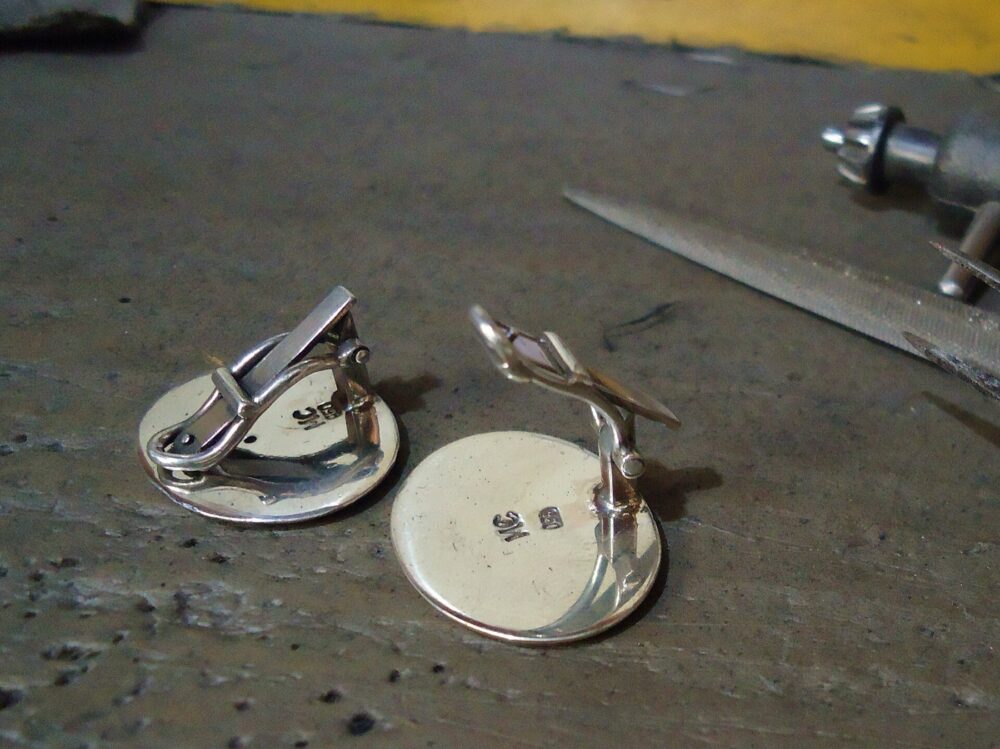
Omega back earrings are widely sold across major department stores, specialist jewelry sites, and open marketplaces like Amazon and Etsy. For a single pair, US buyers tend to get the smoothest experience from department store sites and curated jewelry brands. If you’re a small ecommerce seller looking to stock inventory, marketplaces and cross-border platforms offer more variety but require more hands-on vetting of each listing.
Where Omega Back Earrings Sit in the Jewelry Market
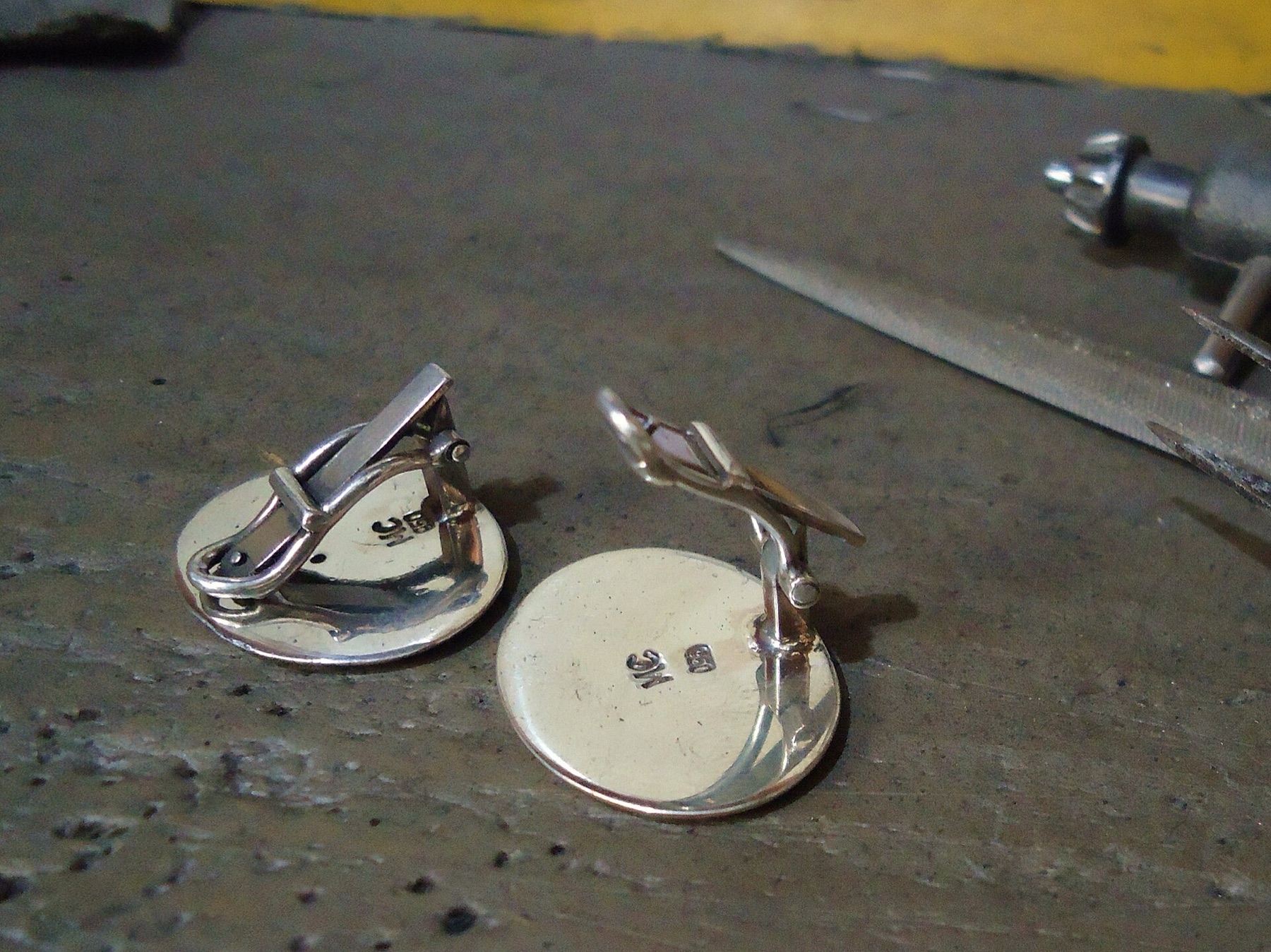
Omega backs are a specific earring closure that combines a post with a hinged, curved clip resembling the Greek omega (Ω). The clip swings up behind the ear to hold the earring comfortably against the earlobe without the tiny friction back you see on regular studs.en.wikipedia.org
This closure shows up on several styles:
- Studs with gemstone or metal fronts
- Hoops that need extra stability
- Vintage and estate pieces where omega clips were popular
For example, vintage emerald-and-diamond omega back earrings set in platinum and gold are listed by specialist dealer Verma Jewelry. Modern sterling silver omega backs aimed at everyday wear appear on jewelry-focused sites such as LeCalla, which highlights the secure, comfortable fit.
On peer marketplaces, Etsy has broad coverage: you’ll find generic omega back earrings as well as niches like antique omega back earrings, emerald earrings with omega backs, and mixed-stone designs (lapis, onyx, malachite) in listings like this omega back lapis/mother-of-pearl/onyx pair.
Large US department stores sit in the same landscape. Macy’s, for instance, has an Italian gold omega back hoop in its online jewelry section, and editorial roundups from DHgate’s blog cite Nordstrom and Bloomingdale’s alongside Macy’s as key destinations for loop and hoop earrings generally.dhgate.com
Platform Types for Buying and Sourcing Omega Back Earrings
From a buyer’s perspective, omega back earrings live across three main platform types.
1. Department stores and big-box retail sites
These are traditional retailers (Macy’s, Nordstrom, sometimes Bloomingdale’s) that sell directly to consumers through their own sites and stores. Omega backs here tend to be:
- Branded or private-label
- Focused on gold, silver, or designer costume hoops and studs
- Presented with standardized photos and descriptions
They’re well suited if you want a known-brand pair, a gift, or a clear return route with in-person support.
2. Jewelry-focused brands and boutiques online
Specialist jewelry sites range from single-brand shops to multi-brand boutiques. Examples relevant to omega backs include:
- LeCalla for sterling silver omega back designs marketed for secure daily wear
- Verma Jewelry and similar dealers for vintage emerald, diamond, or two-tone gold omega backs
These sites usually curate a narrower range but go deeper in a niche: vintage stones, specific metals, or craftsmanship stories. This route fits buyers who care about design details, materials, and provenance more than rock-bottom pricing.
3. Marketplaces and cross-border platforms
Marketplaces host many independent sellers under one umbrella. For omega back earrings, the most visible marketplace examples are:
- Etsy, which surfaces everything from antique omega backs to modern mixed-stone designs via search pages like its main omega back earrings category.
- Amazon, highlighted in DHgate editorial as one of the broadest online stores for earrings in general.dhgate.com
Marketplaces matter in two situations:
- You want unusual or handmade omega backs (Etsy is strong here).
- You’re a small ecommerce seller exploring repeatable sources and trying to see what styles and price levels are already in circulation.
Cross-border marketplaces, including Chinese platforms like DHgate, sit in the same family from a buyer’s point of view: many independent sellers, wide variety, and the need to personally check listings for materials, photos, and seller history.
Comparing Channels and Matching Them to Your Buyer Profile
You don’t need every platform. The right route depends on whether you’re buying one pair or planning to resell.
Here’s a concise comparison grounded in how omega back earrings actually show up:
| Buyer goal | Best-fit platforms (examples) | What you typically get for omega backs |
|---|---|---|
| Single reliable everyday pair | Department stores (Macy’s, Nordstrom), midrange jewelry sites (LeCalla) | Standard gold/silver hoops or studs, consistent specs, clear retail support |
| Vintage or statement gemstone pair | Specialist jewelry dealers (Verma Jewelry), Etsy vintage/antique sellers | Emerald, diamond, lapis, mixed-stone omega backs, often one-off pieces |
| Unique handmade designs | Etsy independent makers, small-brand jewelry sites | Artisanal designs, varied metals/stones, limited runs |
| Testing demand for resale inventory | Amazon, Etsy, cross-border marketplaces like DHgate, plus local wholesalers | Wide mix of qualities and styles; requires listing-by-listing vetting |
For a personal purchase, department store sites and curated jewelry brands are the least fussy way to go. You can filter for omega backs via product titles (Macy’s explicitly labels them on its Italian gold hoops), and you get standardized product content. If you’re chasing a specific vibe—say mid-century emerald omega backs—specialist dealers or Etsy’s focused search pages are more likely to surface what you want.
For a small ecommerce business, marketplaces are more strategic. Etsy’s category pages show you how independent sellers describe omega back earrings, what materials they highlight, and the kinds of photos they use. Amazon gives a view of mass-market styles. Cross-border marketplaces such as DHgate can broaden your sourcing options further, but the burden is on you to examine each seller’s listing: check for clear metal descriptions (e.g., sterling vs base metal), close-up photos of the omega clip, and whatever review history is available. Treat every listing—domestic or cross-border—as a separate due-diligence task rather than assuming the platform has pre-filtered quality.
If you’re unsure where to start, pick one pair from a department store or a jewelry-focused site to confirm that omega backs feel right on your ear. Once you know the closure suits you or your customers, use marketplaces—domestic and cross-border—to experiment with styles and price points while staying methodical about how you evaluate sellers.
For broader context on how marketplaces differ, you can compare platform models in more depth in this overview of online marketplaces and shopping platforms or, if you’re weighing Chinese options, in this comparison of DHgate vs AliExpress, Alibaba and Temu. If you’re new to DHgate itself, our explainer on what DHgate is and how the marketplace works can help you decide whether it belongs in your sourcing mix for omega back earrings.