
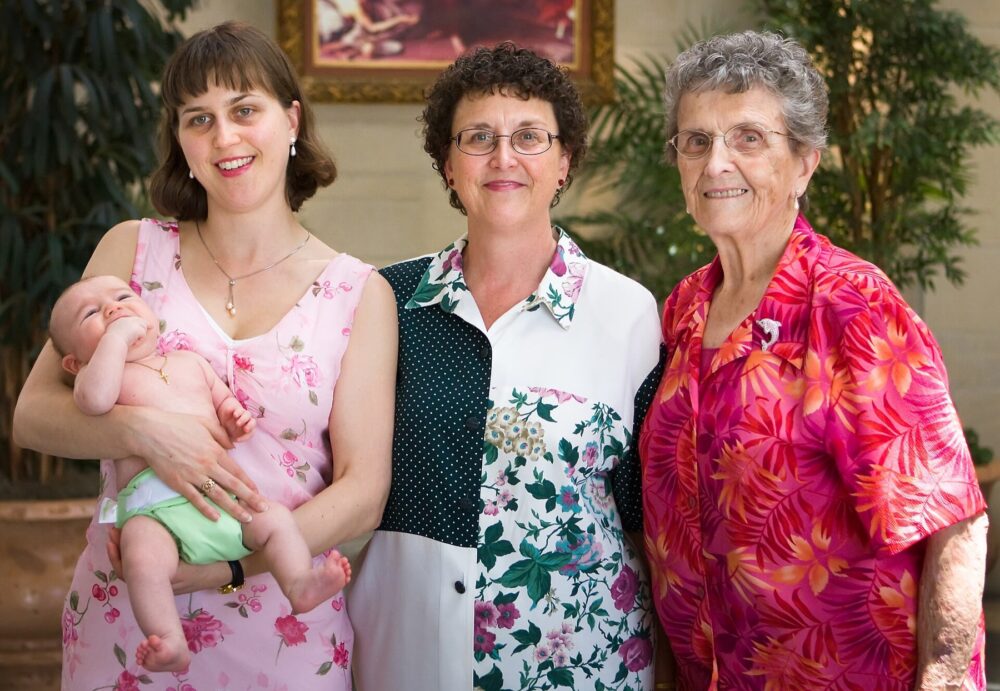
Elegant, age‑appropriate wedding outfits for mothers and grandmothers don’t have to blow the budget. Most families in Canada can keep each outfit in a reasonable range by choosing simpler fabrics, limiting embellishment, shopping smart across channels (local stores, consignment, online marketplaces), and planning for tailoring rather than treating it as a surprise. The key is to look at the total cost: dress or suit, alterations, shoes, jewelry, outerwear, plus any shipping and duties if you buy cross‑border.
Etiquette guides for wedding attire suggest moms and grandmothers match the wedding’s formality—longer gowns for formal evening events, shorter or lighter styles for daytime or outdoor weddings—and coordinate their colors with the couple’s palette rather than the bridal party dresses.Emily Post This gives you a useful ceiling: you rarely need more detail or volume than the bride, just a polished, flattering outfit that feels special in photos.
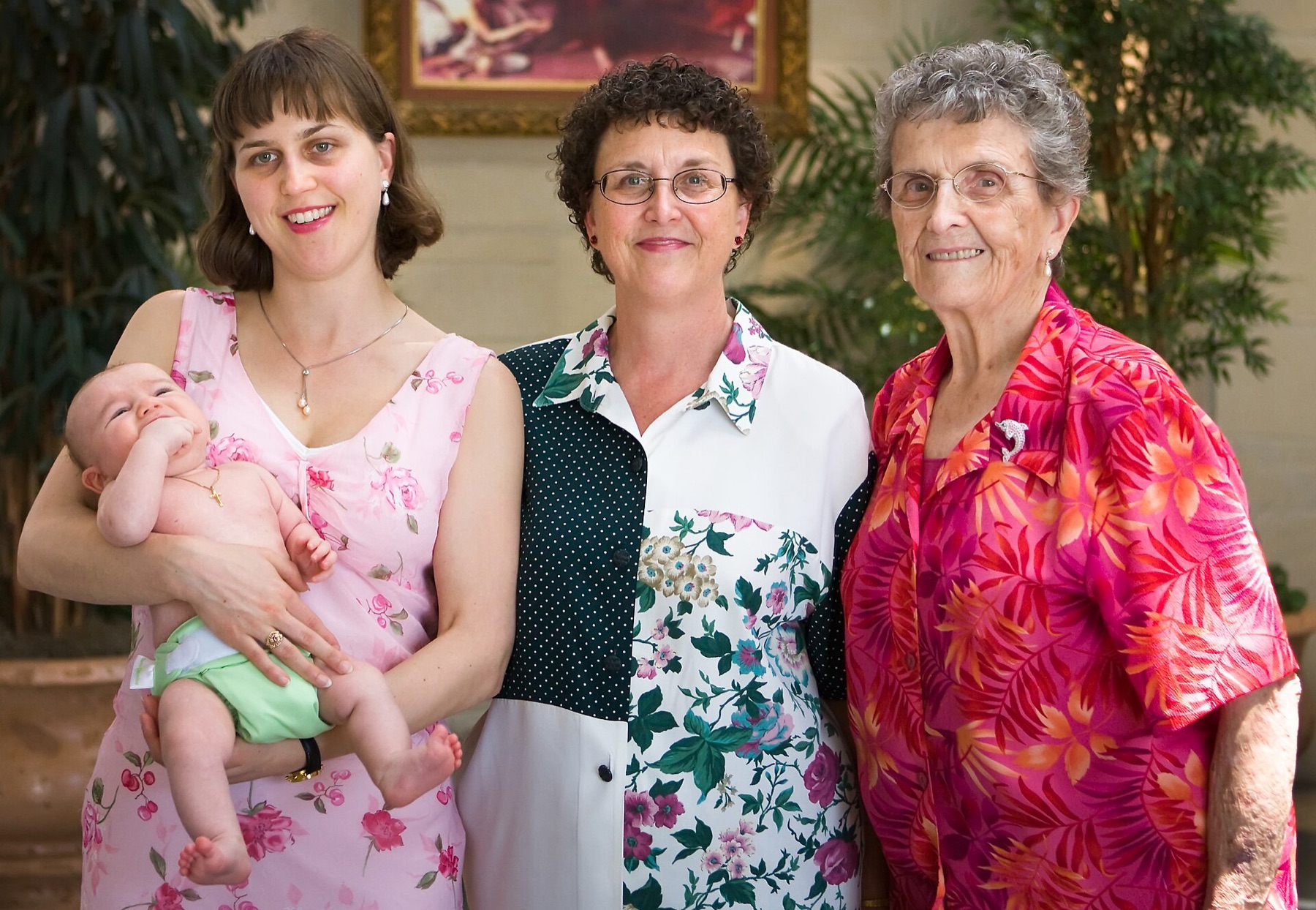
What Wedding Attire for Mothers and Grandmothers Typically Costs
For budgeting, think of each mother or grandmother outfit as a bundle:
- Main garment (dress, skirt‑and‑top, or pantsuit/jumpsuit)
- Alterations (hems, taking in/out, strap changes)
- Shoes and bag
- Jewelry and any extra pieces like wraps or jackets
Editorial guides for mother‑of‑the‑bride dresses describe a wide price band: roughly $100 to $1,000+ depending on designer, fabric, style, and embellishment.DHgate Blog In practice, most budget‑conscious Canadian families aim for the lower to mid part of that spectrum per outfit.
A simple breakdown for one outfit:
- Dress or pantsuit: often in the $150–$350 range from a mainstream brand, more if you choose a designer label or heavy beadwork.
- Alterations: a hem and basic fit tweaks can easily add 10-30% of the garment’s price.
- Shoes and bag: if she doesn’t already own something suitable, this can match or exceed alteration costs.
- Jewelry or wrap: many moms and grandmothers reuse pieces they already own, which is a good way to keep costs tight.
If you’re outfitting two relatives, a practical starting point is a shared budget of $600–$1,000 and then splitting it intentionally: for example, a mid‑range new dress for the mother and a consignment or department‑store sale find for the grandmother.
Why Some Outfits Cost More—and Where You Can Save
The biggest price drivers are fabric, embellishment, brand, season, and sizing options.
Fabric and structure. Common silhouettes for mothers include A‑line, sheath, ballgown, midi and wrap dresses, cocktail‑length styles, and even tailored jumpsuits.DHgate Blog These come in everything from chiffon and jersey up to silk, satin, and velvet. Silk and heavier satins typically sit at a higher price point; washable jersey or polyester chiffon tends to be more affordable. A lightly structured A‑line in a good synthetic blend can look polished but cost far less than a fully boned ballgown.
Embellishment. Hand beading, lace appliqué, and intricate embroidery add material and labor cost. If you want sparkle without paying for a fully embellished bodice, look for:
- Clean dresses with an interesting neckline or sleeve
- A lace or beaded jacket over a plain sheath
- Statement earrings or a bracelet instead of sequins on the dress
Editorial guides on mother outfits emphasize that accessories can elevate simpler styles so you don’t need the most elaborate dress to look formal.DHgate Blog
Season and formality. Summer weddings favor lighter fabrics and often knee‑length or midi dresses; winter or black‑tie weddings push outfits toward longer hemlines, heavier fabrics, and occasionally more embellishment.Emily Post Because long gowns in rich fabrics cost more, aligning the outfit closely to the actual formality (and venue) prevents overspending.
Sizing and tailoring. Inclusive sizing ranges and custom measurements can raise the base price but may lower alteration costs. Buying an off‑the‑rack dress that’s “close enough” and then needing extensive tailoring can be more expensive than choosing a brand that offers better fit options up front.
For grandmothers, many guides recommend neutral, soft, or mid‑tone colors—think navy, silver, taupe, dusty blue, or mauve—to avoid clashing with the bridal party.Calendar Canada These shades are widely available, so you can often find value in mainstream occasionwear instead of specialty labels.
Picking the Right Channel: Price vs Effort
You have several realistic channels for mother and grandmother outfits. Budget‑focused guides point to department stores, bridal shops, and consignment/thrift stores as common ways to access a wide price range and discounted formalwear.Apparel Search
Here’s a compact comparison for a Canadian buyer:
| Channel type | Typical price band (garment only) | Effort level | Best fit use case |
|---|---|---|---|
| Local bridal/boutique | Mid to high | High | Complex styling help; higher budgets |
| Department store | Low to mid | Medium | One‑stop outfits, frequent sales |
| Consignment/thrift | Very low to mid | High | Designer looks on tight budgets |
| General online retail | Low to mid | Medium | Wide selection, easy returns (domestic) |
| Cross‑border marketplace | Very low to mid | Medium–high | Extra savings if you manage shipping/duties well |
Local bridal and boutiques. You get hands‑on advice and coordinated looks, but you’re paying for service and a curated selection. Good if the mother or grandmother is anxious about fit and wants dedicated help.
Department stores. Chains with formalwear sections let you try several silhouettes at once and often run sales or outlet pricing, which can put many dresses into the lower mid‑range bands.
Consignment and thrift. Effort is higher—you’re hunting—but the upside is strong: gently used designer gowns or jackets at a fraction of original price. Be sure to factor in professional cleaning.
Domestic online retailers. Canadian‑friendly sites with clear return policies can offer a large range of mother‑specific dresses, jumpsuits, and separates. They’re a handy middle ground if you can’t make multiple store visits.
Cross‑border marketplaces. Platforms like Amazon, eBay, Etsy, and DHgate are often cited as sources for affordable mother‑of‑the‑bride and groom dresses in many colors and silhouettes.DHgate Blog For a Canadian buyer, these can reduce the garment price but introduce extra variables:
- International shipping costs and timeframes
- Possible customs duties and taxes on arrival
- Return shipping complexity and cost
Before using any cross‑border marketplace, compare options across platforms (for example via DHgate vs AliExpress, Alibaba and Temu) and read individual seller details closely rather than assuming one marketplace is always cheaper or safer. For duties and import fees, a primer such as this customs and tariffs explainer can help you avoid surprises.
Three Budget Scenarios: Making Two Outfits Work
To make this concrete, here are sample strategies for outfitting a mother and a grandmother under shared caps. These are not price promises, but realistic ways to allocate spend.
Scenario A: Shared budget around $300 (very tight).
- Grandmother: Consignment or thrift find in a neutral mid‑tone, aiming for a classic A‑line or sheath she can wear again.
- Mother: Off‑the‑rack department‑store dress on sale, in a color coordinated with the wedding.
- Accessories: Reuse jewelry and bags; budget small alteration work on whichever dress needs it most.
Scenario B: Shared budget around $600 (moderate).
- Mother: New mid‑range dress or jumpsuit from a department store or domestic online retailer; pay for proper hemming and shaping.
- Grandmother: Less formal but elegant two‑piece outfit (skirt and top) from the same store or a cross‑border marketplace, chosen in a soft color that suits her.
- Accessories: One new pair of comfortable shoes that either can rewear; modest jewelry purchases.
Scenario C: Shared budget around $1,000 (higher but still controlled).
- Mother: Boutique or bridal‑shop dress in a more premium fabric, with in‑store styling help.
- Grandmother: Well‑made, simpler outfit sourced via consignment or a department‑store brand rather than boutique pricing.
- Accessories: Allocate budget to a tailored jacket or wrap for the grandmother if the venue is cool, instead of extra embellishment on the mother’s gown.
The pattern across all three: you selectively “trade down” on complexity and brand for the relative whose outfit will be less visible in photos or who prefers simplicity, and “trade up” on fabric and fit where confidence and camera presence matter most.
A Short Checklist for Cross‑Border Orders
If you do consider sourcing one outfit through an online marketplace or overseas retailer, keep this quick, topic‑specific checklist:
- Match wedding timing: check estimated dispatch and transit against the wedding date plus alteration time.
- Plan for duties: confirm whether the price shown includes customs or if you should budget an extra percentage for import fees (our duties explainer outlines the moving parts).
- Check return conditions: many cross‑border sellers limit return windows or require you to pay shipping back; only order if you can afford that risk.
- Size with care: compare seller size charts against current measurements, not old Canadian store sizes; mothers’ and grandmothers’ comfort should trump trend.
If those boxes feel too uncertain, prioritize Canadian retailers for the main garments and use cross‑border marketplaces only for lower‑risk extras like jewelry or wraps.
By treating attire for mothers and grandmothers as a set of coordinated, budgeted decisions—formality, fabric, channel, and timing—you can keep costs realistic while still showing both women the respect and visibility they deserve at the wedding.