
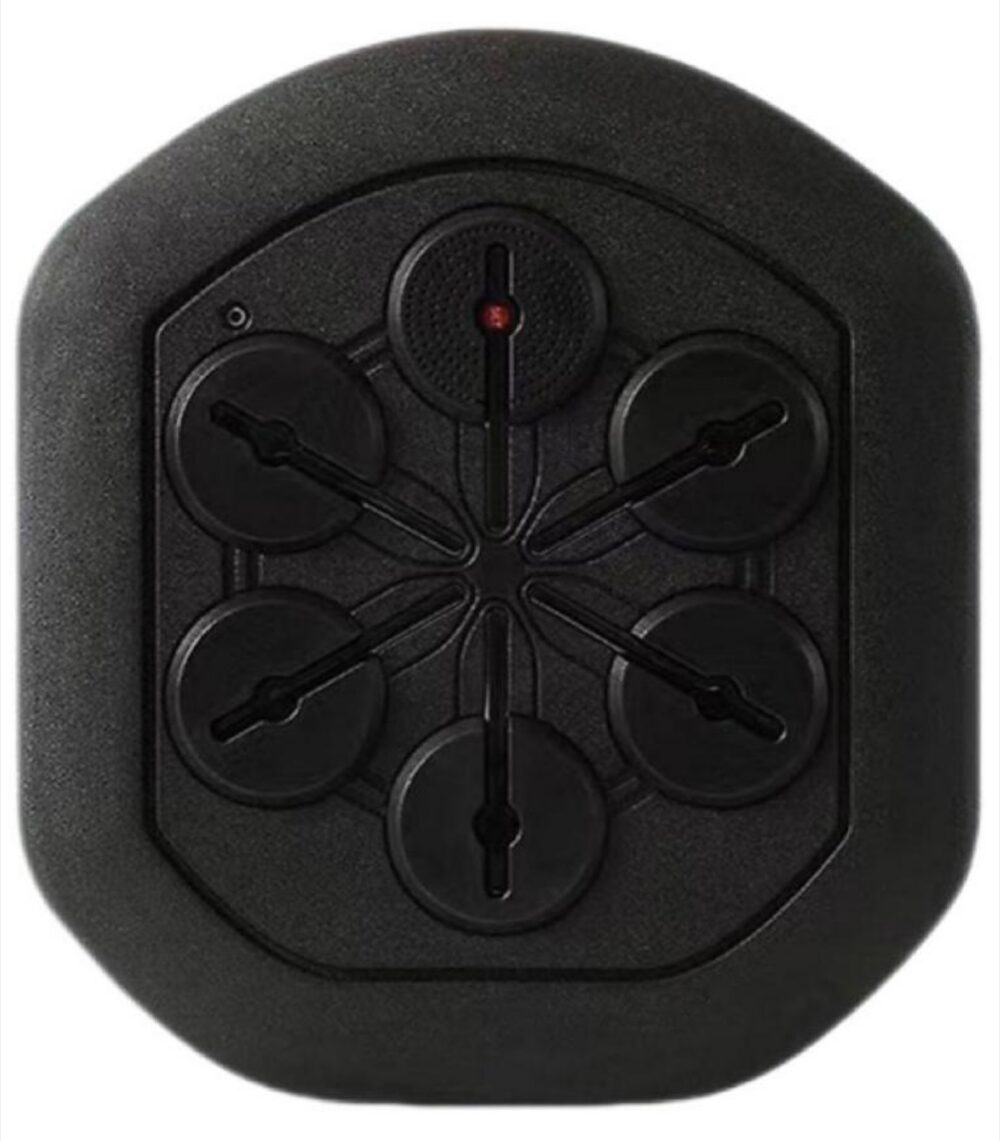
For a full‑size coin‑op boxing machine in Australia, you should plan on a landed budget in the low AU$3,000–$7,000+ range once shipping and taxes are included. Overseas vendors such as Ritter Bros list commercial boxer machines around US$3,000–$4,000 before freight, and a historic Australian sale on Highway.net.au advertised a boxer machine at AU$2,995 including GST back in 2012. Compact “music boxing” walls and non‑coin home units can cost far less, sometimes under AU$500, but they’re a different product and revenue model.
What Do Arcade Boxing Machines Cost in Australia?
Arcade boxing machines fall into three broad types that map to very different price bands:
- Strength testers (classic boxer machines): Full‑size coin‑op cabinets with a hanging punch bag and score display. An overseas listing at Ritter Bros shows pricing in roughly the US$3,000–$4,000 band before shipping, which aligns with mid‑market commercial units you see in catalogues from specialists like AMA Arcade and Arcade Dad.
- Prize / feature‑rich machines: These add prize dispensers, dual punch‑and‑kick hardware, LED platforms and more advanced software. A punch‑and‑kick 2‑in‑1 coin‑op unit from Marwey illustrates how extra hardware and prize mechanics push prices above basic strength testers.
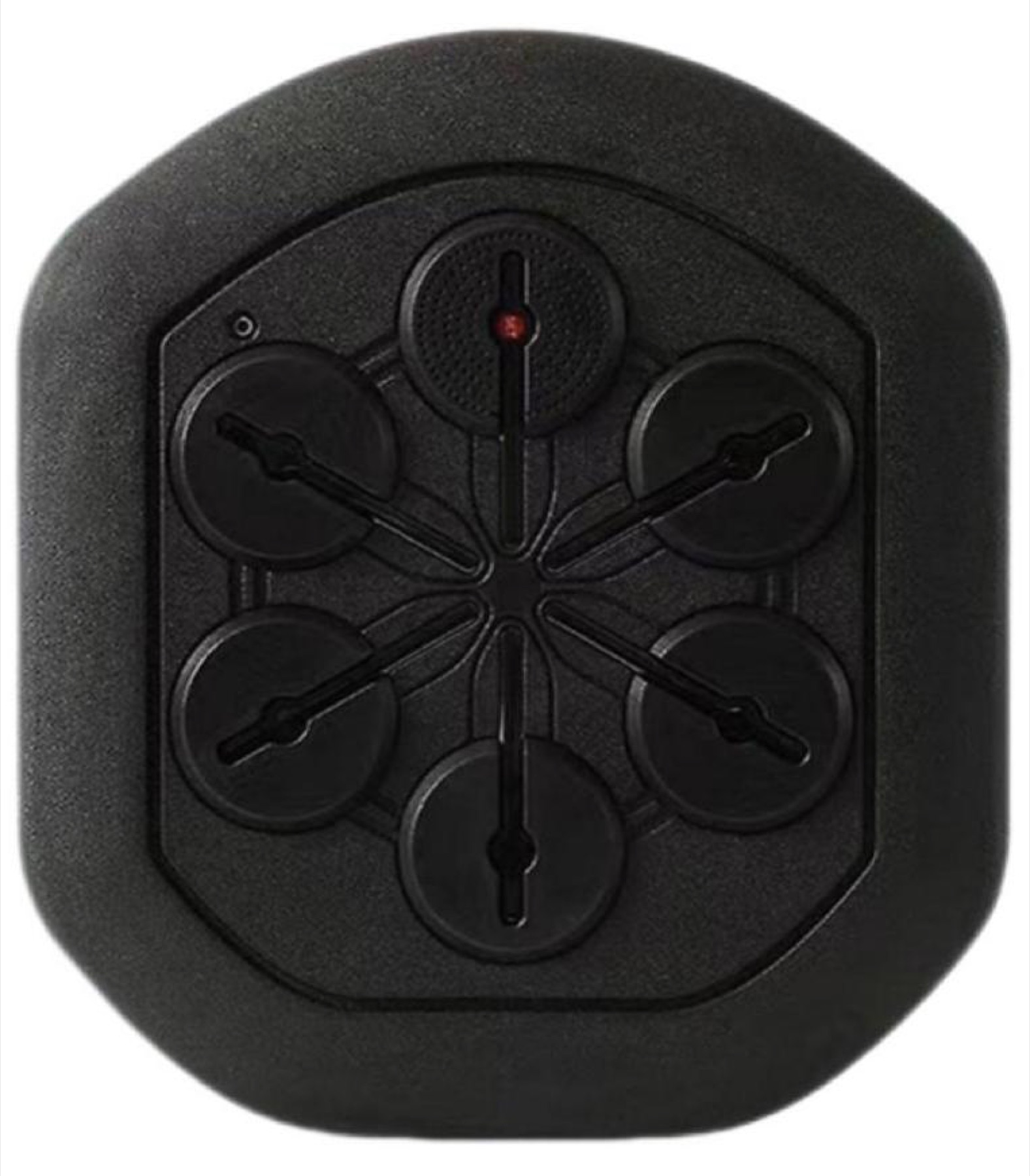
- Compact or music boxing units: Wall‑mounted interactive pads and “music boxing” setups cost far less and are often aimed at home or fitness use rather than coin‑op revenue. General gaming hardware guidance from DHgate’s editorial notes mini and home arcade gear often spans under US$50 up to several hundred dollars, which is a useful reference point for these smaller units.
Here’s a simple way to think about typical price bands before freight to Australia:
| Machine type | Typical hardware use case | Indicative unit price band* |
|---|---|---|
| Basic coin‑op strength tester | Pub, FEC, arcade, bar | Lower mid‑range (US$3k–$4k) |
| Feature/prize boxing machine | High‑traffic arcades, prize venues | Above basic mid‑range |
| Compact/music boxing wall unit | Home, fitness studio, small venues | Sub‑AU$500 to low hundreds (US$) |
*Bands are editorial estimates from vendor catalogues and DHgate’s general arcade hardware ranges, not quotes; always confirm current pricing.
For Australian buyers, recent local dealer listings are patchy, but that archived Boxer Machine sale at AU$2,995 including GST in 2012 suggests that a new commercial boxer machine in 2026 is unlikely to land under AU$3k once you factor price inflation and import costs.
Why Prices Vary: Features, Customisation, MOQ and Shipping
If you’re wondering why similar‑looking boxing machines can differ by thousands of dollars, most of the spread comes down to hardware complexity and how you buy.
Features and hardware are the big levers. A basic strength tester is essentially a robust cabinet, punch bag mechanism, scoring electronics and a simple screen. Marwey’s 2‑in‑1 punch‑and‑kick machine adds an extra strike target, more sensors, enhanced lighting and often a prize module. Those additions raise manufacturing cost and usually bump the machine into a higher price tier.
Category overviews such as BoxingMachineArcade’s types guide distinguish:
- Simple strength testers (lowest cost among commercial units)
- Prize machines (more expensive due to hoppers, ticket or merchandise systems)
- Compact/music boxing units (lower overall hardware cost, but less durable for 24/7 public use)
Custom branding also moves the needle. If you want your venue logo, bespoke artwork, or custom LED colours baked into the cabinet from the factory, you’re usually looking at a higher unit price and a minimum order quantity (MOQ) rather than a single‑machine buy.
Shipping is the other major variable for Australian buyers:
- A full‑size cabinet often ships via sea freight in a crate, with costs influenced by volume, weight and port fees.
- Air freight is faster but can destroy your budget on a low‑margin venue or resale machine.
- You’ll also need to allow for GST on imports and any applicable customs charges, which effectively push that US$3k–$4k mid‑range into the AU$3k–$7k+ landed band for a single machine.
For a single sports bar or arcade, these freight and tax layers can be just as impactful as the base machine price, so most owners should treat catalogue prices as the start of the total‑cost story, not the end.
Choosing a Sourcing Channel and Keeping Costs Under Control
You have three main ways to source arcade punching machines for an Australian venue or ecommerce venture: local specialist dealers, direct overseas manufacturers, and global marketplaces.
Local Australian dealers (for example, pinball/arcade resellers and amusement distributors) sometimes stock boxing machines or can bring them in as part of a broader shipment. Advantages are clear: pricing in AUD including GST, local warranty terms, and someone you can call if a sensor fails. The trade‑off is a higher ticket price and limited choice; you’re paying for their logistics and margin.
Buying direct from overseas manufacturers or specialist arcade vendors gives you the widest range and more room to negotiate. Catalogues from brands like AMA Arcade, Marwey and Arcade Dad show multiple form factors and feature levels, all aimed at commercial buyers. This path suits:
- Venue chains planning multiple machines
- Small importers or ecommerce sellers building an arcade gear catalogue
You’ll need to manage freight quotes, customs paperwork and GST yourself or via a broker. For a single machine, those overheads may outweigh any factory‑gate saving.
Marketplaces are the third option. Platforms such as DHgate, Alibaba and AliExpress host many small manufacturers and traders selling arcade and gaming hardware. DHgate’s own editorial on mini arcade machines notes prices ranging from under US$50 to several hundred dollars for compact gaming units, which makes marketplaces particularly relevant if you’re looking at lower‑cost music boxing walls, smart boxing pads or home‑use gadgets rather than the heavy coin‑op cabinets.
If you go the marketplace route for boxing hardware:
- Treat every listing as its own business case: check photos for cabinet construction, ask the seller for dimensions, weight and power specs, and request a breakdown of shipping methods to Australia.
- For resale or multi‑venue deployment, try to negotiate on price at 3+ units and ask if they can combine freight to reduce per‑unit landed cost.
- Before placing a bigger order, consider buying a single test unit to confirm build quality and performance once it’s in your venue.
For more detail on how DHgate stacks up against other marketplaces, you can compare overall platform positioning in this marketplace comparison of DHgate vs AliExpress, Alibaba and Temu. And if you’re new to importing, see this explainer on customs, tariffs and import fees to sanity‑check your landed cost assumptions.
Quick cost‑control scenarios
- Single venue owner (pub or bar): You’re usually better off with a local dealer or a well‑known overseas arcade specialist that offers clear shipping to Australia. Prioritise reliability and support over shaving a few hundred dollars off the machine price.
- Party hire or amusement business: If you plan to buy a small fleet, it can be worth negotiating with overseas manufacturers for a multi‑unit discount and consolidated sea freight, even if you still use one Australian repair partner later.
- Online reseller or ecommerce shop: For compact or music boxing units, marketplaces and direct factory orders can give you enough margin to compete. Focus on unit price, carton dimensions (for downstream shipping), and how well the product spec matches your local customer expectations.
Whichever channel you choose, treat the headline machine price as one line in a spreadsheet that also includes freight, GST, customs, installation, and a basic repair allowance for the first year. That’s the real number that will decide whether an arcade boxing machine is a smart investment for your Australian operation.