
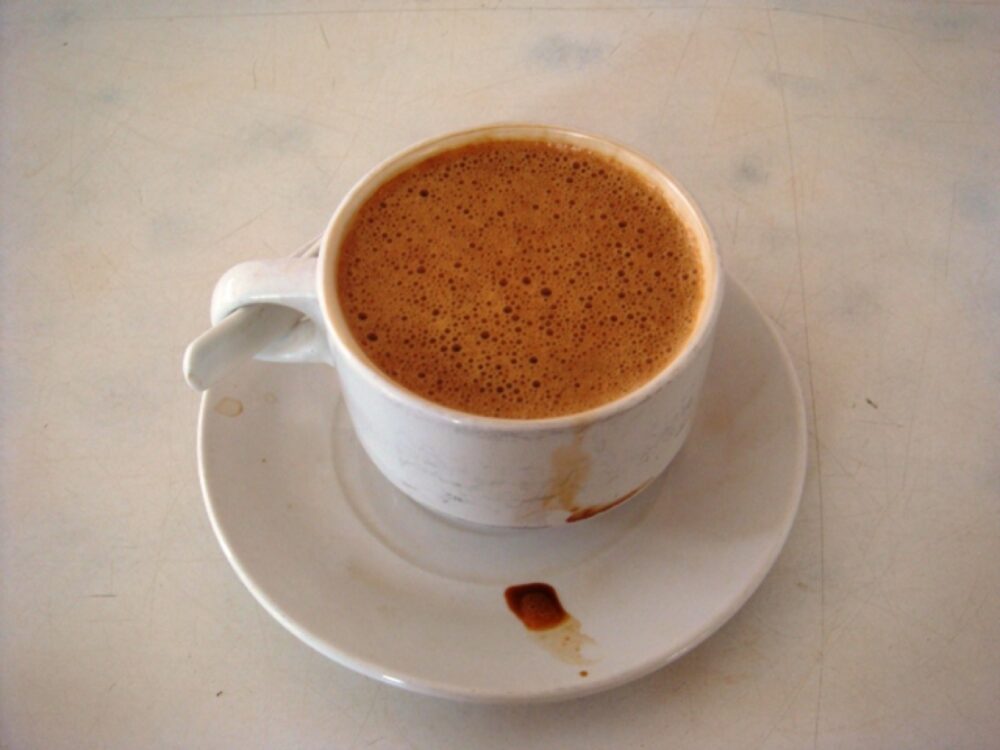
Ipoh white coffee is a Malaysian coffee style from the city of Ipoh, made with beans roasted in palm‑oil margarine without sugar and usually served with condensed milk. For US buyers, you’ll mostly encounter it as packaged roasted coffee or instant 3‑in‑1 sachets sold through global retail marketplaces, B2B wholesale platforms, or direct Malaysian roasters and OEM producers. Which platform route fits you depends on whether you just want to taste it, stock a cafe, or build a resale/private‑label business.
What Ipoh and Malaysian White Coffee Actually Is
Ipoh white coffee is a specific way of roasting and serving coffee that originated in Ipoh, Perak, Malaysia. Traditional kopitiam coffee in Malaysia is typically roasted with sugar and margarine; white coffee drops the sugar and uses only palm‑oil margarine in the roast, producing a lighter color and a smoother, less bitter profile compared with darker local roasts.Source
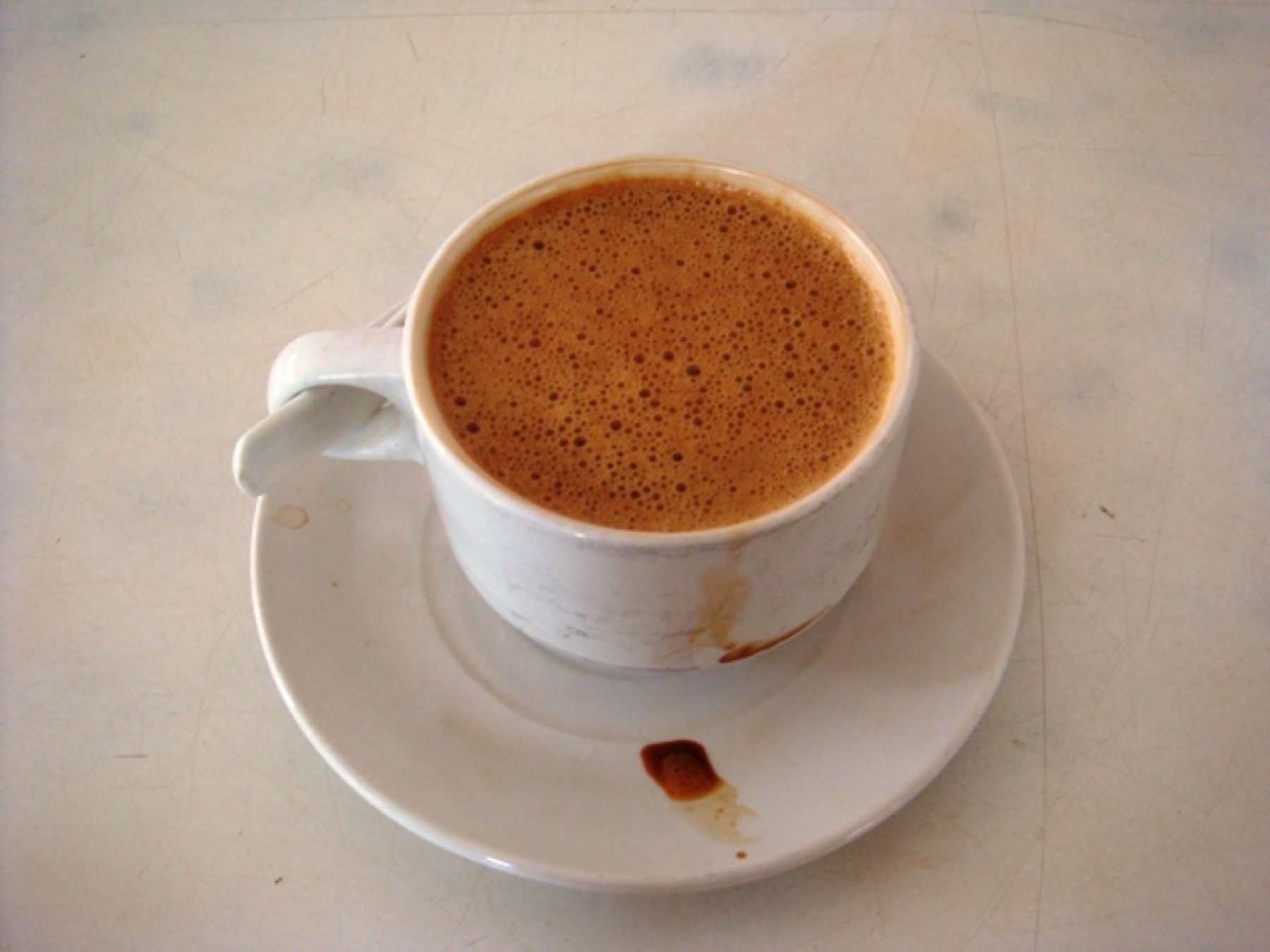
In Malaysia, “white coffee” refers to this roast style, not a special pale bean or a milk‑heavy drink by default.Source The beans are usually Robusta or blends, roasted lightly, then brewed and served with condensed milk in kopitiams, or poured over ice as an iced white coffee.
Packaged products reflect that culture. You’ll see two main formats:
- Roasted beans or ground white coffee – for brewing in espresso machines, moka pots, or simple drip setups.
- Instant 3‑in‑1 sachets – premixed coffee, creamer, and sugar designed to mimic the classic condensed‑milk cup with just hot water.Source
For a US buyer or small ecommerce shop, that format choice is key. Beans/ground coffee appeal to specialty cafes or craft roasters; sachets are easier for gift boxes, convenience retail, or sampler bundles.
Online Platform Types for Buying Ipoh/White Coffee
Ipoh white coffee is no longer limited to Old Town kopitiams. It’s widely available in Malaysia and increasingly visible abroad through packaged products and cafes that feature it.Source Online, you’ll generally encounter three useful platform types.
1. Global retail marketplaces
These are mainstream consumer marketplaces such as Amazon or eBay, plus regional sites that ship to the US. Sellers range from Malaysian brands exporting directly to US‑based importers who hold inventory domestically.
Retail marketplaces typically work best for:
- Low volume: a few bags or boxes to drink at home or test for your shop.
- Mixed carts: adding Ipoh white coffee alongside other Asian groceries.
- Speed and convenience: stocked SKUs, straightforward checkout, familiar payment methods.
You’ll most often find branded sachet packs and occasionally whole‑bean or ground white coffee marketed as “Ipoh white coffee” or “Malaysian white coffee.”
2. Global B2B wholesale marketplaces
Global B2B marketplaces let businesses buy directly from suppliers. Platforms in this bucket include sites like Alibaba, and also DHgate, which carries a wide range of coffee and beverage listings according to its own editorial content.
For white coffee, these platforms matter when you:
- Want carton or pallet‑level quantities of sachets.
- Need better per‑unit pricing than typical retail.
- Are open to unbranded or lesser‑known brands and can manage your own due diligence.
Suppliers here might be trading companies or factories. Listings can cover instant sachets, bulk ground coffee, or white‑coffee‑style blends. Because these platforms connect you directly to suppliers, you’re responsible for checking certifications, labeling, and any US import requirements for coffee and additives.
3. Direct Malaysian roasters and OEM/white‑label producers
The third route is going straight to Malaysian white coffee producers. Some roasters and OEM manufacturers advertise bulk and private‑label services, including custom packaging.Source
Direct producers typically target:
- Cafes and restaurants looking for a signature Malaysian drink.
- Specialty grocers importing regional coffee styles.
- Small brands that want to launch a white coffee under their own label.
This route involves more relationship‑building and, often, minimum order quantities and lead times. But it can give you more control over roast profile, packaging design, and brand story than buying existing retail packs.
Quick view: how these platform types differ
| Platform type | Typical buyer use case | Common formats you’ll see | Relationship depth |
|---|---|---|---|
| Global retail marketplace | Individual drinkers; very small resellers | Branded 3‑in‑1 sachets; some beans | Transactional, per order |
| Global B2B marketplace | Small shops, cafes testing bulk; price hunters | Bulk sachets; bagged coffee | Supplier contact via platform |
| Direct roaster/OEM | Cafes, importers, private‑label brands | Custom roasts; OEM sachets/beans | Ongoing B2B partnership |
This isn’t a quality ranking. All three can deliver excellent coffee; they just solve different problems.
Choosing the Right Platform Route for Your Coffee Use Case
From a US perspective, your best sourcing route depends less on “which site is best” and more on what you’re trying to do with Ipoh white coffee.
Scenario 1: You just want to taste Ipoh white coffee
If you’re a home drinker or a TikTok shop seller testing a new flavor, start with global retail marketplaces or Malaysian specialty ecommerce sites:
- Look for official Ipoh or Malaysian brands and clear ingredient lists.
- Decide whether you want the authentic condensed‑milk experience (3‑in‑1 sachets) or more control via beans/ground coffee.
This route keeps your risk and spend low. You can always graduate to wholesale later if you fall in love with the product.
Scenario 2: You run a cafe and want a stable supply
For a cafe that wants Ipoh white coffee as a menu staple, your priorities shift:
- Consistent flavor and reliable repeat supply.
- Packaging that fits your workflow (beans vs sachets).
- Ability to discuss grind, roast level, or custom packs.
Here, a direct Malaysian roaster or OEM producer is usually the most sustainable route. Many promote OEM/private‑label options that can be tailored to your brand.Source If you’re testing demand, you might begin with bulk packs via a global B2B marketplace, then move to a direct relationship once you know your volumes.
Scenario 3: You’re a small ecommerce seller or grocery importer
If your business is reselling Asian groceries, coffee, or snack boxes, you need a balance of margin, authenticity, and logistics.
A common progression looks like this:
- Phase 1 – Validate demand
Start with retail packs from global marketplaces. Feature a handful of SKUs in your store and watch how they sell.
- Phase 2 – Scale and improve margin
- Phase 3 – Own the brand story
If Ipoh white coffee becomes a core category for you, consider reaching out to OEM producers in Malaysia to create a private‑label line. You’ll be working directly on packaging, branding, and long‑term supply, so expect more negotiation and planning than a simple online checkout.
Where marketplaces like DHgate fit into this picture
DHgate is one example of a global B2B marketplace where coffee and beverage products can be listed alongside many other goods. For Ipoh or Malaysian‑style white coffee, it’s most relevant in Phase 2 of that ecommerce/reseller journey, when you’re trying to source bulk quantities at better pricing but aren’t yet ready for a full OEM relationship.
Because platforms in this category connect you directly with suppliers rather than acting as importers, treat each listing as a starting point for due diligence: confirm that the product is actually Ipoh‑style white coffee, check packaging and ingredient information, and make sure any claims about export readiness or certifications line up with your own legal and regulatory responsibilities. For a neutral overview of how marketplaces like DHgate work, you can read What DHgate is and how the marketplace works or compare it with other options in Compare online marketplaces and shopping platforms.
If your needs are purely personal or you’re only dabbling in resale, a simple retail‑marketplace order of a few Ipoh white coffee packs is often the smartest first step. Save wholesale and OEM routes for the point where demand and margins clearly justify the extra work.