
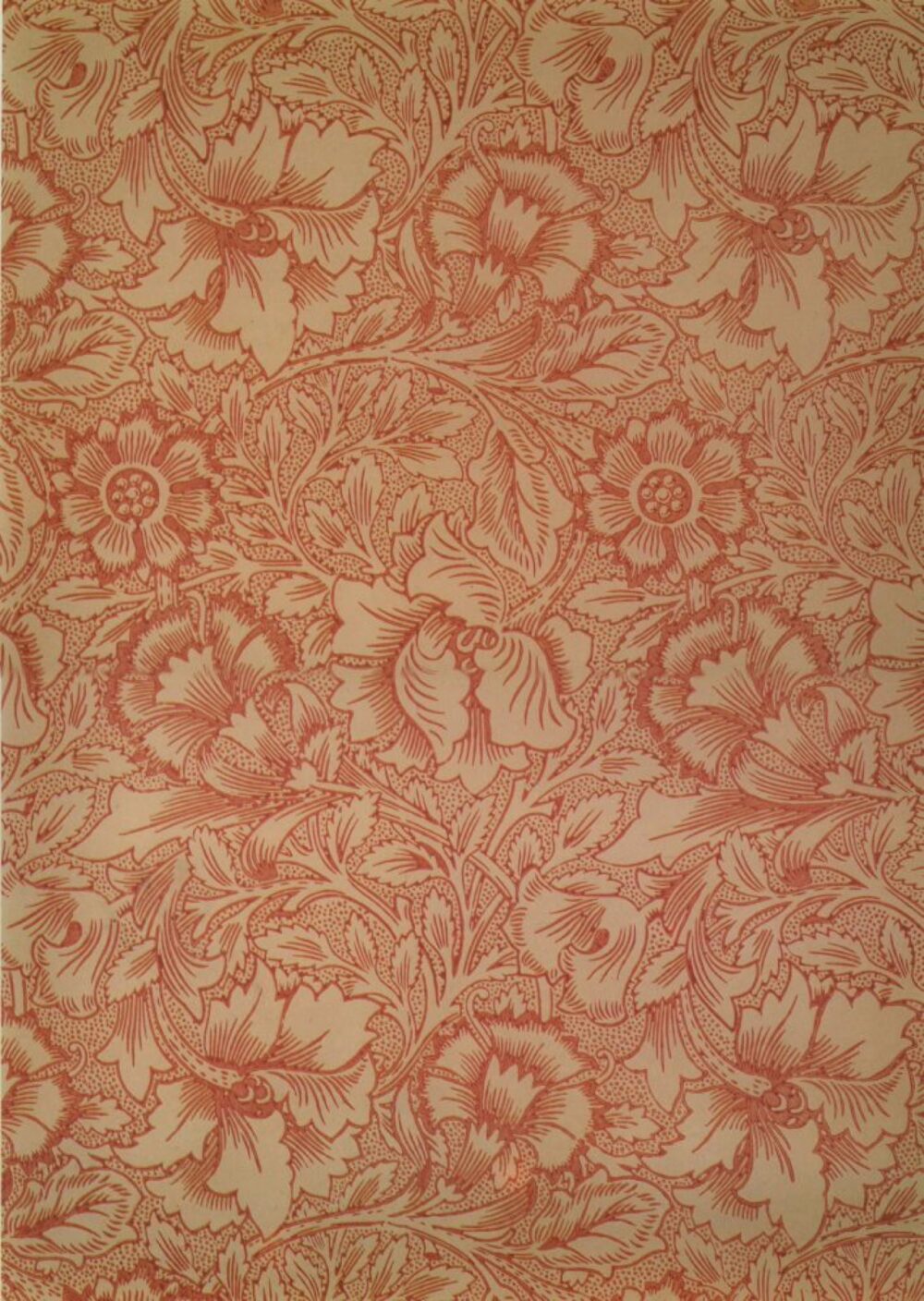
If you want the kind of poppy wallpaper you see on Etsy or Amazon, you’ll find similar quality by combining two decisions: first, choose the right style and material (murals vs repeating patterns, peel-and-stick vs traditional), then pick a channel that actually stocks poppy motifs and ships reliably to Canada. Canadian-focused wallpaper sites such as AboutMurals and HappyWall sell poppy murals and wallpapers, while marketplaces like Etsy and big-box decor retailers like Home Depot carry peel-and-stick and paste-on floral designs you can use in homes or for small-scale resale.
What Counts as Poppy Wallpaper and Who It’s For
Poppy wallpaper is any wallcovering where the poppy flower is the main motif—often bold red blooms with dark centers, but also white, peach, or watercolor interpretations. You’ll see it offered both as full-wall murals and as repeating patterns. For example, AboutMurals’ poppy flower wallpaper is printed as a mural: a large-scale field of poppies across several panels, designed to fill an accent wall. Their white poppy wallpaper uses softer white flowers for a more neutral look.
This kind of design works well if you want a nature-forward feature wall in a bedroom, nursery, dining room, or storefront. Homeowners use poppy wallpaper to add color without going full abstract; small ecommerce sellers often look for distinctive floral prints to resell as peel-and-stick panels or curated decor bundles.
Poppy Wallpaper Styles and Materials: Peel-and-Stick vs Traditional
Poppy designs break down into a few practical style choices:
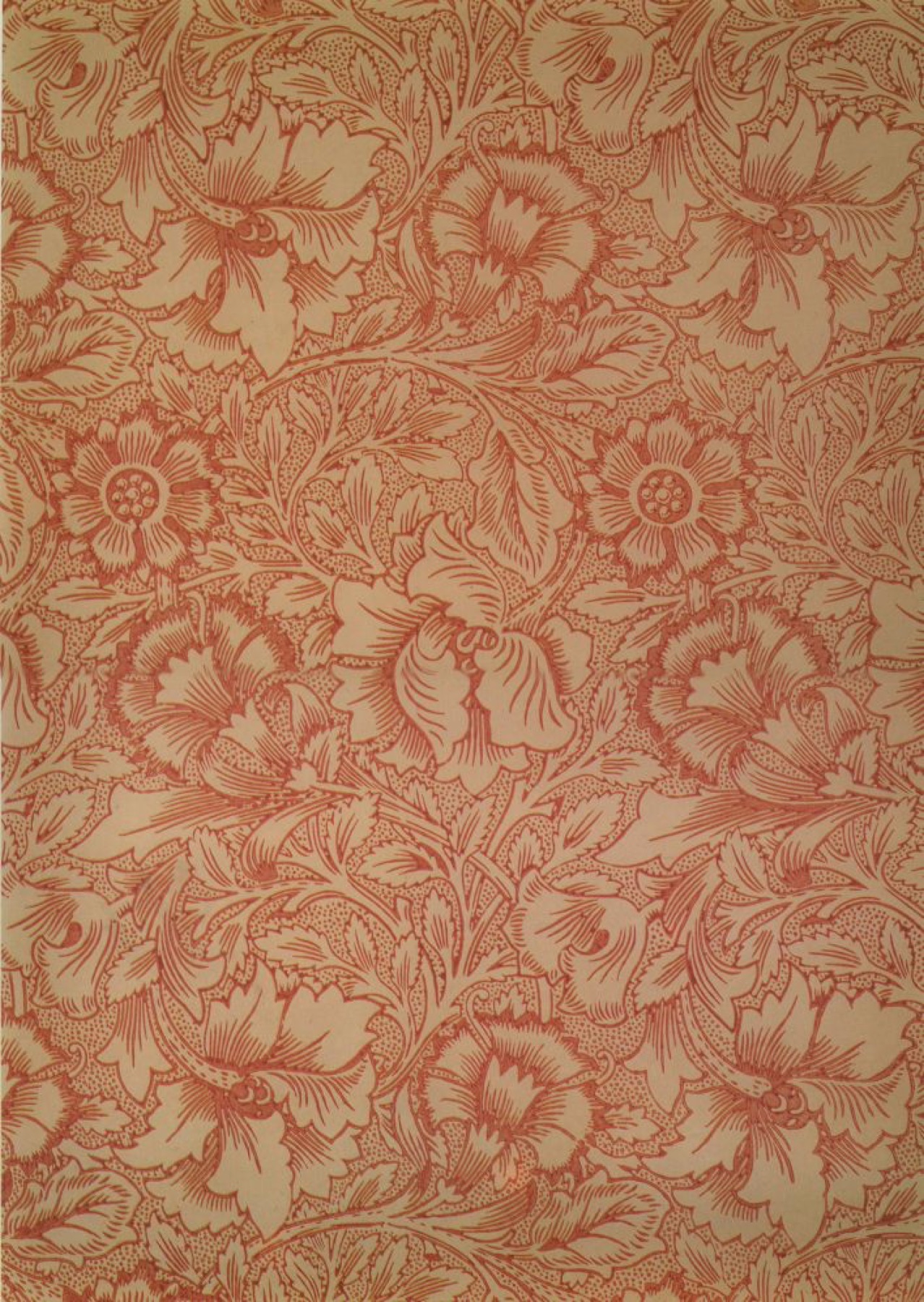
- Murals vs repeats. Murals like the field-of-poppies look from AboutMurals or Everwallpaper’s poppy murals focus on a single scene; you size them to one wall and get a more artwork-like effect. Repeating patterns, such as the hand-drawn poppies on Wallshoppe’s “Poppy White”, tile across multiple walls without obvious seams.
- Bold vs soft palettes. HappyWall’s Canadian site includes options like vivid watercolor spring poppies and deeper mulberry-and-olive palettes, while other brands offer pastel takes such as Pastel Poppy Dreamscape. Decide whether you want the poppies to dominate or read as a gentle background.
Just as important as the pattern is the material and install method.
Peel-and-stick (renter-friendly, small resale-friendly)
Peel-and-stick poppy wallpapers come with an adhesive backing; you remove the liner and apply directly to the wall. Sellers on marketplaces like Etsy offer designs pitched as removable and repositionable—for instance, a poppy floral peel-and-stick wallpaper that’s described as removable and suitable for accent walls.
These suit you if:
- You rent and need something you can take down without major wall damage.
- You’re doing a quick install without professional tools.
- You’re a small ecommerce seller shipping rolls or panels to DIY customers who expect simple, low-commitment installation.
Wallpaper brands such as Wallpops and Home Depot’s decor section also carry vintage-style poppy peel-and-stick designs, typically in narrower rolls that work well for one wall or small projects.
Traditional paste-on (more permanent, often more refined)
Traditional wallpaper uses either a paper or nonwoven substrate that you install with paste. Designer brands and wallpaper specialists skew this way. Wallshoppe’s Poppy range, for example, sits in their eco-positioned collection and is marketed as premium wallpaper rather than a temporary decal.
This format makes sense if:
- You own the space and want the wallpaper to feel integrated and long-term.
- You prefer the way heavier paper or nonwoven material hangs and looks, especially over imperfect walls.
- You’re working on higher-end residential or boutique commercial projects where peel-and-stick can feel too casual.
Murals from Canadian-focused sites like AboutMurals and HappyWall’s poppy wallpapers are typically printed to be pasted up, panel by panel, for a seamless finish.
Quick style-and-material snapshot
| Use case | Style example | Material / install |
|---|---|---|
| Rental bedroom accent wall | Etsy poppy floral peel-and-stick wallpaper | Peel-and-stick, removable |
| Dining room feature wall | AboutMurals poppy flower wall mural | Traditional paste-on mural |
| Boutique shop interior | Wallshoppe “Poppy White” repeating pattern | Designer paste-on wallpaper |
| Soft nursery backdrop | Pastel Poppy Dreamscape-style patterns | Paste-on or peel-and-stick |
How to Buy Poppy Wallpaper Confidently and Where to Look
Once you know your style and material, the real work is choosing a channel and a specific product that matches your expectations for quality and logistics.
Key buying checks for poppy wallpaper
Make these decisions specific to wallpaper, not just “read reviews”:
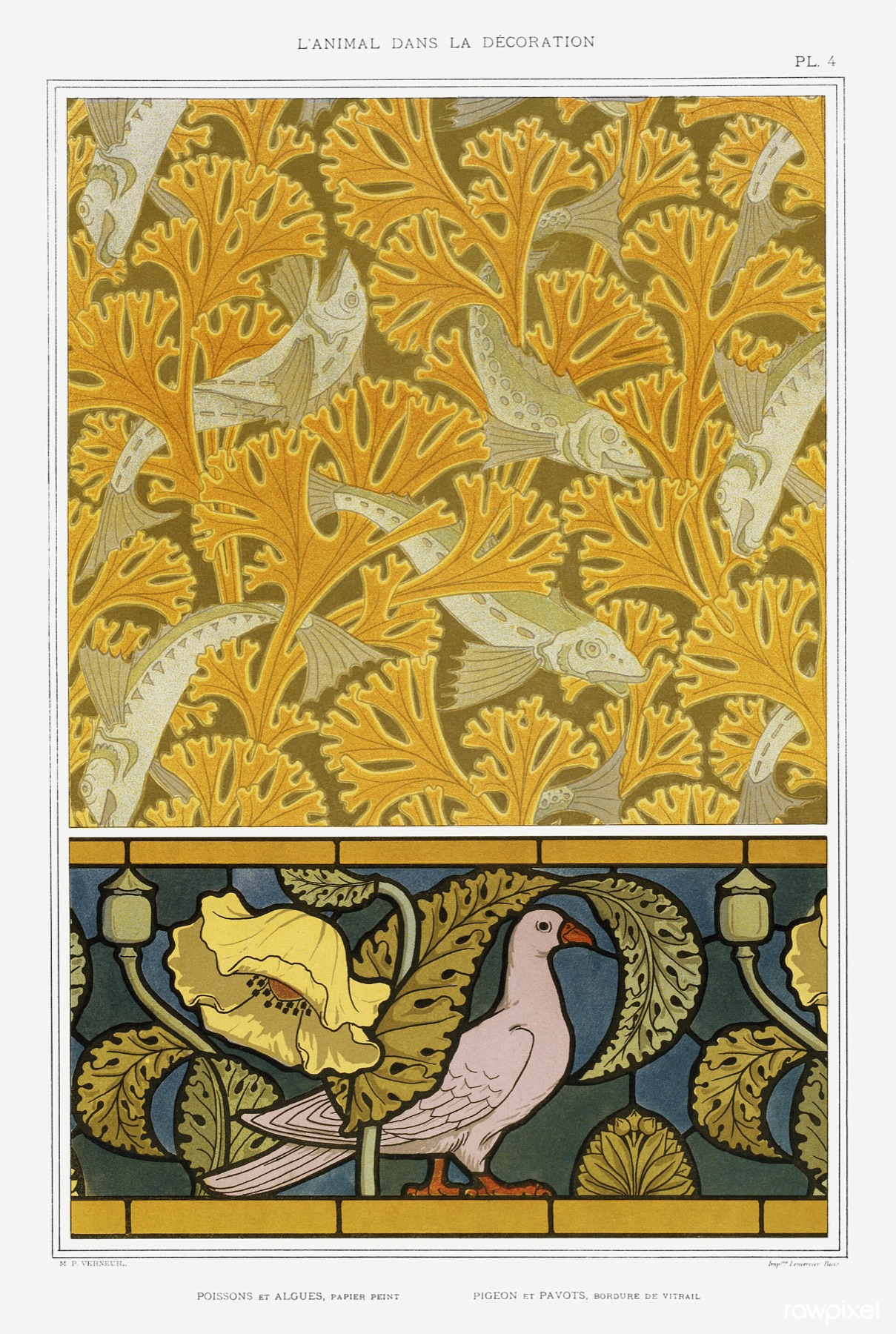
- Pattern scale and repeat. Check product photos and dimensions to see how big each flower is and how often the pattern repeats. Murals like AboutMurals’ poppy field are designed for full walls, while small-repeat patterns from Wallshoppe or Olivia + Poppy cover broader areas without dominating.
- Substrate and finish. Look for mentions of peel-and-stick vinyl vs nonwoven or paper. Nonwoven tends to be more forgiving when hanging; peel-and-stick is easier to remove but will show wall texture more.
- Room suitability. Many listings specify if they’re fine for bedrooms and living rooms, and some note whether they’re suitable for light-use kitchens or bathrooms. Match this to your actual room, especially in humid spaces.
- Samples. Designer wallpaper brands and specialists (Wallshoppe, Wallpaperdirect, Graham & Brown) often sell low-cost samples. For poppy patterns, samples let you see the exact red, coral, or white tone against your lighting before you commit.
For small ecommerce sellers, add two extra checks:
- Consistent reordering. If you plan to resell, favor suppliers that treat designs as ongoing collections rather than one-off drops, so you can restock the same poppy pattern.
- Clear material labeling in your listings. Customers will care whether the poppy wallpaper you sell is removable peel-and-stick or requires paste. Use the original supplier’s material description in your product copy.
Channels that reliably stock poppy wallpaper and ship to Canada
You can group your options into three broad paths, each with a different role.
1. Artist marketplaces (Etsy, Spoonflower-style sites) Etsy is strong for unique or custom poppy designs, including peel-and-stick options where individual artists control color and layout, like the poppy floral peel-and-stick listing. Similar marketplaces (such as Spoonflower for custom prints) often offer both peel-and-stick and traditional wallpaper and allow you to choose colorways or even upload your own poppy artwork.
This channel is ideal if you want distinctive, small-batch designs or you’re a small seller building a curated selection rather than competing on mass-market SKUs.
2. Wallpaper specialists and designer brands Wallpaper-focused sites give you more depth in pattern and often better technical information. Examples include:
- Canadian and Canada-friendly sites like AboutMurals and HappyWall’s CA storefront, which explicitly market poppy murals and wallpapers for feature walls and ship to Canadian addresses.
- Designer brands such as Wallshoppe’s “Poppy White”, positioned as eco-friendly and premium, with multiple colorways in the same motif.
- Other wallpaper hubs mentioned in industry roundups—Wallpaperdirect, Graham & Brown—where you can search florals and often find poppy or similar botanical prints.
Choose this route if you care most about design quality and clear specs, or if you’re sourcing for interiors where the wallpaper is a key design element.
3. General home-decor retailers and marketplaces Large decor sites like Wayfair, Anthropologie, and Home Depot stock broad wallpaper assortments, including florals and peel-and-stick options from brands like Wallpops. These are good if you’re pairing wallpaper with furniture and rugs in one order or want mainstream pricing and availability. Marketplace-style sites such as Amazon have volume but require more filtering to find specific poppy motifs.
If you’re exploring bulk sourcing for resale rather than just a single project, cross-border marketplaces that focus on wholesale, such as DHgate, can be part of your search, but you’ll need to vet each wallpaper seller’s product photos, material descriptions, and past buyer feedback yourself. For a deeper look at how that marketplace works and how to evaluate its sellers generally, see What DHgate is and how the marketplace works and Find trusted sellers on DHgate.
Quick guidance for Canadian buyers and small sellers
- For a single Canadian home project: start with AboutMurals or HappyWall for murals, and Etsy or Wallpaperdirect for peel-and-stick poppy patterns, then order samples from any designer brand that catches your eye.
- For small ecommerce resale: test a few peel-and-stick poppy designs from marketplaces like Etsy or Spoonflower-style sites and a premium paste-on pattern from a specialist like Wallshoppe. Validate customer feedback on install difficulty before you commit to volume.
- Before cross-border bulk orders on any marketplace: run through a basic order-readiness check—confirm material type, pattern scale, sample availability, and seller track record. The DHgate order-readiness checklist is a useful general framework you can adapt for poppy wallpaper, even when you buy from other platforms.