
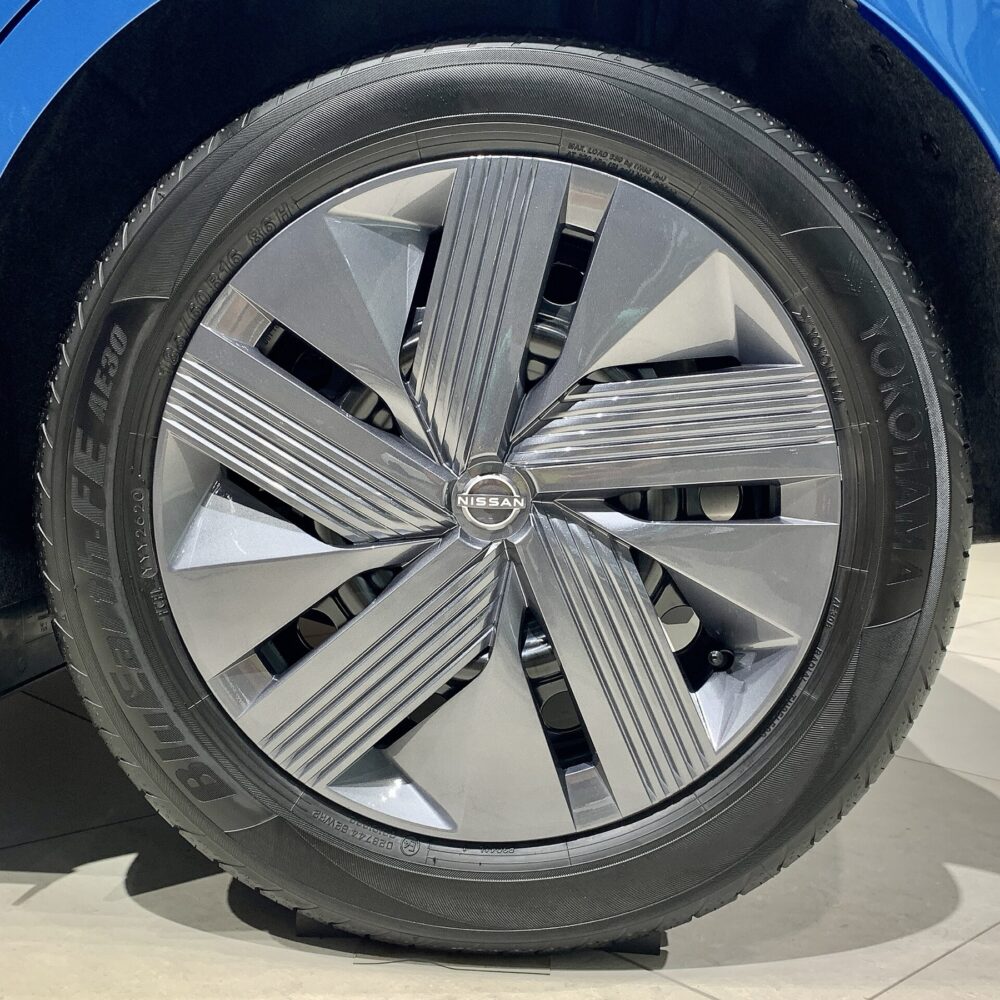
Durable yet affordable Hyundai wheel covers are usually mid‑grade ABS plastic hubcaps that are either OEM take‑offs or well-made aftermarket sets sized specifically for your Hyundai model. For Canadian buyers, value is less about the logo on the box and more about material, how securely the cover fits, and how much you pay once shipping, taxes, and any import fees are added in. A single set for your own car often makes sense from OEM or specialized hubcap sites, while small ecommerce sellers looking to stock multiple styles may need to weigh online marketplaces and cross‑border sourcing.
Hyundai wheel covers (hubcaps) are protective and decorative pieces that snap over steel wheels to improve appearance and help shield them from dirt, moisture, and light cosmetic damage.Source They don’t turn a car into a performance upgrade; they’re a practical cosmetic and protection item. That’s good news for your budget: you can buy on durability, fit, and looks rather than chasing performance marketing.
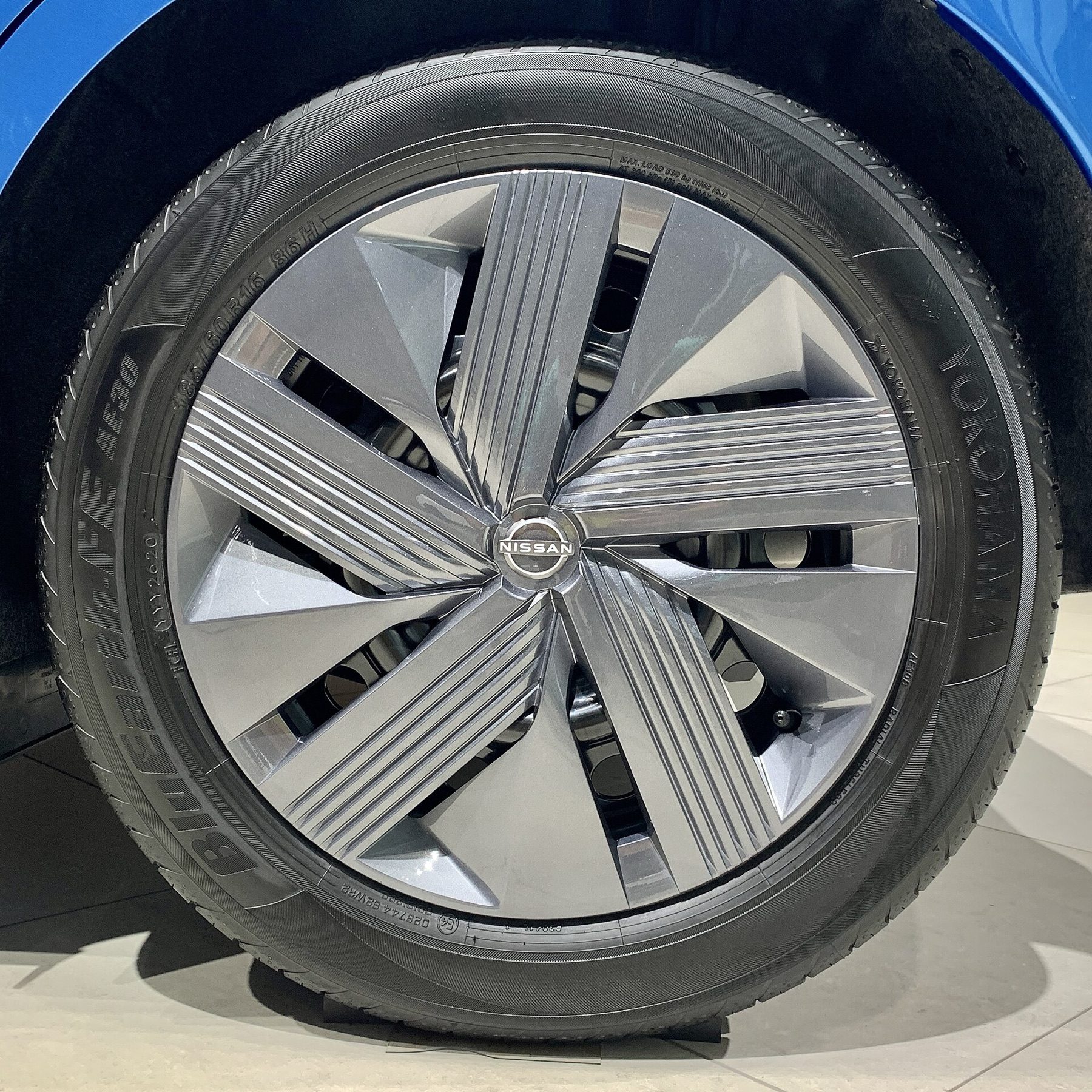
What Hyundai Wheel Covers Cost in Canada (and What You Actually Pay For)
You won’t see one universal price, but you can think in tiers.
OEM Hyundai wheel covers. Genuine Hyundai covers sold through OEM parts retailers such as HyundaiPartsDeal typically sit in a higher price tier than generic aftermarket hubcaps. You’re paying for exact styling and brand match, plus the assurance that the design was made for your specific model and wheel size. For a Canadian retail buyer replacing a single damaged cover or keeping a late‑model vehicle original, this price premium can be worth it.
Aftermarket Hyundai‑compatible covers. Specialist hubcap sites like HubcapFinder and HubcapHaven offer Hyundai‑compatible wheel covers across a wide spectrum of designs and price levels. You’ll see plainer ABS plastic sets aimed at budget buyers alongside more styled, sometimes chrome‑look covers priced closer to OEM. For most daily drivers, this mid‑tier is the sweet spot of durability vs. cost.
Generic universal sets. Big-box retailers and general online auto parts stores often list universal hubcap sets sized by diameter (14-17 inches) rather than make and model. These are usually the lowest sticker‑price option, especially if you’re not picky about exact Hyundai styling.
For Canadian buyers, the sticker price is only part of the story. Your total landed cost for a set of wheel covers includes:
- Product price (per cover or per set of 4)
- Shipping within Canada or cross‑border shipping if you import
- Sales tax (GST/HST or provincial tax at checkout)
- Possible duties and brokerage if you cross the border for inventory
A single set bought from a Canadian retailer will mostly be product price plus tax and modest shipping. A small ecommerce business importing 20-50 sets from abroad has to factor freight, customs clearance and duties, which can easily push a “cheap” cover into mid‑tier territory once fully landed. That’s why planning by total cost per set, not just sticker price, matters.
Why Some Hyundai Wheel Covers Cost More: Material, Fit, MOQ and Shipping Tradeoffs
You’re mostly paying for material quality and how precisely the cover fits your wheel.
Material and construction
Wheel covers come in several common materials:
- ABS plastic hubcaps dominate the budget and mid‑range. They’re light, affordable and easy to snap on, but the very cheapest versions may feel flimsy and be more prone to cracking.
- Steel wheel covers are tougher and more impact‑resistant but heavier and often more expensive. They’re less common for modern Hyundai passenger cars and more relevant for commercial or off‑road use.
- Alloy covers or wheel skins use aluminum or similar alloys for a more high‑end look and stronger construction. They sit in a higher price tier and make more sense for appearance‑driven buyers or premium trims.
Editorially, for a typical Elantra, Tucson or Sonata with steel wheels, a mid‑grade ABS plastic cover from a reputable brand tends to be the best durability‑per‑dollar compromise.
Fit: universal vs. Hyundai‑specific
Universal covers are designed to work across several makes with the same wheel diameter. They may be cheaper but often don’t grip the wheel as securely as model‑specific designs. That can show up as rattling, easier loss over potholes, and occasionally scuffs if the clips don’t align well.
Model‑specific Hyundai covers, whether OEM or aftermarket, pay off with:
- Clip and ring systems shaped around Hyundai’s wheel profile
- Correct offset for valve stems and lug nut lines
- Less fiddling during installation
That extra engineering and lower production volume helps explain the modest price premium you’ll see versus generic sets.
Order size and shipping decisions
For individual Canadian drivers, shipping method is simple: ground parcel from a domestic warehouse. Cost is visible at checkout and usually modest compared with the product.
Small ecommerce sellers face a different math:
- Small import test order (say, 20-40 covers) spreads international shipping, duties and brokerage over relatively few units. Your per‑cover landed cost may end up close to, or above, robust domestic aftermarket options.
- Larger MOQ from a manufacturer or high‑volume distributor usually lowers the product price per cover, but freight and customs still need to be amortized realistically. This can be attractive only if you’re confident you can sell through inventory.
If your goal is a reliable, budget‑sensitive upgrade for a single Hyundai, production‑scale logistics don’t matter. For a business, they’re central to whether the “cheaper overseas” idea truly saves money.
Choosing the Right Sourcing Channel and Cutting Costs Safely
Where you buy can be as important as what you buy.
Channel tradeoffs for Canadian buyers
Here’s a simple way to map channels against needs:
| Buyer type | Best initial channel | Typical value profile |
|---|---|---|
| Single Hyundai owner | OEM parts site or hubcap specialist | Higher price, very accurate fit and styling |
| Budget‑focused driver | Canadian retailer or generic online set | Lowest upfront cost, universal fit, basic durability |
| Style‑focused enthusiast | Specialist hubcap store or alloy skins | Mid‑to‑high price, distinctive designs, stronger materials |
| Small ecommerce reseller | Mix of domestic wholesalers & marketplaces | Needs lowest landed cost per unit with acceptable quality |
Local retailers and Canadian‑based online stores keep things simple: pricing is in CAD, shipping is predictable, and there’s no customs paperwork for you. OEM‑style covers via parts sites are ideal if you’re replacing one or two covers on a late‑model Hyundai and want a perfect match.
Specialist hubcap sites like HubcapFinder and HubcapHaven shine if you want a Hyundai‑compatible look without paying full OEM pricing. You can filter by diameter and style, then choose among several price levels.
Online marketplaces widen the net. Marketplaces, including DHgate, host a large mix of affordable wheel covers in many designs, materials, and apparent brand names. For a Canadian buyer or small seller, this route is most useful when:
- You’re comfortable comparing listings across different sellers
- You’re willing to validate specifications, especially diameter, material, and compatibility claims
- You have a plan for shipping, customs and taxes on any cross‑border order
Because marketplace listings vary widely, you can’t assume that “Hyundai” in the title guarantees OEM‑level fit or durability. Check photos, material descriptions (ABS vs alloy), and sizing charts carefully, and treat seller feedback as a signal rather than a guarantee.
If cross‑border duties and tariffs are new territory for you, the walkthrough at Understand customs, tariffs and import fees can help you estimate those extra costs before committing to a bulk buy.
A simple cost‑optimization checklist
You don’t need a spreadsheet to keep Hyundai wheel cover costs under control. Use this quick pass before you buy:
- Decide your priority: OEM look vs. price. If matching factory styling matters, focus on OEM or close replicas on parts and hubcap specialist sites. If you mainly care that the wheels look clean and presentable, a solid mid‑grade aftermarket set is fine.
- Lock in the exact wheel size. Check your tire sidewall for the diameter (e.g., 16″) and confirm that every cover you consider is sized for that. Mis‑sizing is one of the fastest ways to waste money.
- Choose material intentionally. For everyday driving in Canadian weather, a decently thick ABS cover is usually all you need. Treat ultra‑cheap, very thin plastic as a false economy, especially on rough roads.
- Sample before you stock. If you run a small ecommerce shop, order a small batch from any new supplier and test installation on a real Hyundai wheel before committing to a larger MOQ. That small insurance spend can save you from carrying inventory that doesn’t fit properly.
For most Canadian Hyundai owners, the best budget move is a mid‑grade, Hyundai‑specific ABS hubcap set from a reputable parts or hubcap retailer. Small businesses can unlock lower per‑unit costs with cross‑border or marketplace sourcing, but only if they treat fit verification and landed‑cost math as non‑negotiable steps rather than afterthoughts.