
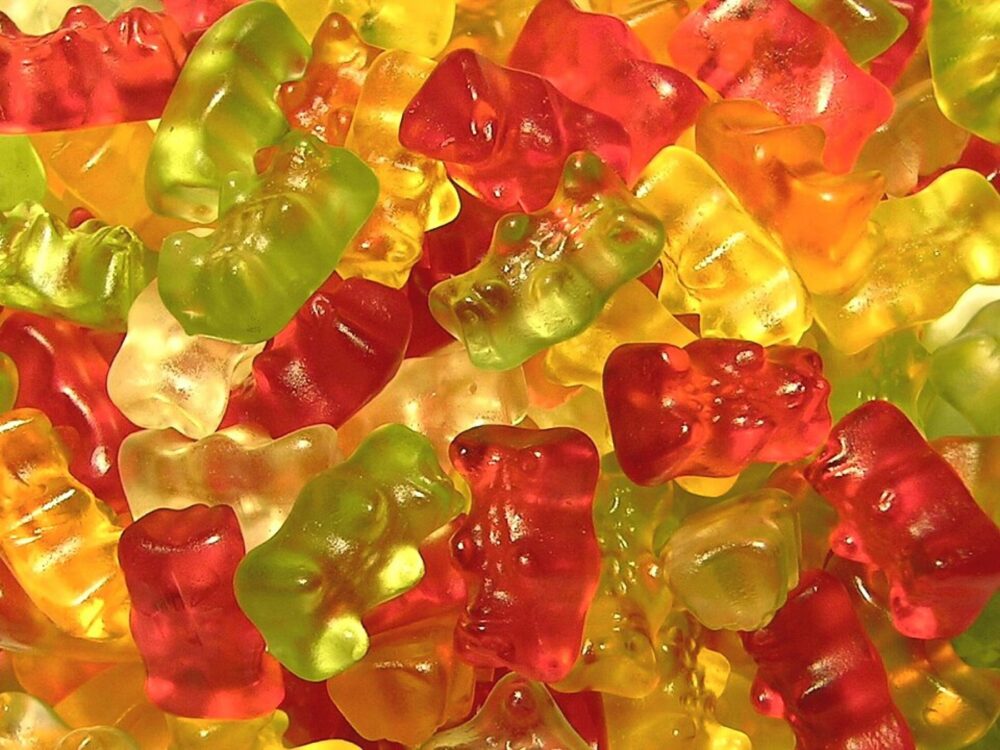
Gummy bear apparel is a small but lively niche, and it lives in very different corners of the internet depending on what you want. If you’re a U.S. buyer who just wants one gummy bear sweater, you’ll usually find it fastest on retail marketplaces or creator/print‑on‑demand sites like Teepublic. If you’re a small ecommerce brand looking to test or scale candy‑graphic hoodies, you’ll likely rely on those same creator platforms early, and shift to wholesale marketplaces only once you need repeatable bulk inventory.
Gummy Bear Apparel and the Platform Landscape
“Gummy bear apparel” isn’t a formal category; it’s a theme. Most pieces either:
- Use gummy bear candy imagery (rows of colorful bears, all‑over candy prints, etc.), or
- Feature the Gummibär character from the “I’m a Gummy Bear” song and videos.
You see this mostly on casual, graphic pieces: t‑shirts, hoodies, leggings, rompers, joggers. For example, the official Gummibär store GummybearShop sells youth t‑shirts with the character and friends printed on the front. Etsy hosts multi‑seller listings for candy‑graphic apparel, including a gummy bear baby romper and gummy bear pants from individual makers.
On the more design‑driven side, niche brands like Swishembassy offer all‑over gummy bear t‑shirts and tank tops, while creator marketplaces such as Teepublic host independent artists’ takes on gummy bears across tees and other garments (see Teepublic’s gummy bear t‑shirt example).
So instead of one obvious store, you’re looking at a platform spread:
- Retail marketplaces (Etsy, Amazon listings) for one‑off purchases
- Creator/print‑on‑demand sites (Teepublic, Redbubble‑style platforms) for a long tail of designs
- Official merch sites (GummybearShop) for the licensed character
- Niche direct‑to‑consumer brands (Swishembassy) for all‑over candy prints
- Wholesale marketplaces for bulk or custom runs featuring gummy bear or food graphics
How Different Platform Types Handle Gummy Bear Apparel
Each platform type treats gummy bear themes differently. That matters for both fans and small brands.
Retail & artisan marketplaces (Etsy and similar)
Retail marketplaces list finished products from many sellers. On Etsy, you’ll find:
- Handmade or small‑batch baby rompers with gummy bears printed across the fabric
- Pants and joggers using candy‑print textiles from independent seamstresses
Sellers control materials, print methods, and sizing, and they often offer limited runs. For you as a buyer, this is the most straightforward route if you just want a cute gummy bear sweater or romper delivered to your door. For a small ecommerce brand, Etsy can be:
- A sourcing channel (buying ready‑made pieces for resale, if allowed)
- A testbed to see which gummy bear designs resonate before investing in bulk
The trade‑off: assortment is diverse but inconsistent. A popular romper can disappear once the maker changes fabrics.
Creator and print‑on‑demand platforms (Teepublic, Redbubble‑style sites)
Creator/POD platforms host digital designs from independent artists, then print them on demand onto blanks (t‑shirts, hoodies, tank tops, sometimes leggings or kids’ gear). In the gummy bear niche you can see:
- Teepublic designs with a single large gummy bear graphic on a standard tee
- Variations like pixel‑art gummy bears or candy puns on shirts and shorts (another Teepublic gummy bear tee)
Operationally:
- You don’t manage inventory; the platform prints and ships per order.
- MOQ is effectively one unit.
- Colorways and garment types are constrained by what the platform offers.
For fans: this is the easiest way to get specific art on a hoodie or sweater‑like crewneck if the platform supports that garment.
For small brands: POD is ideal for:
- Testing multiple gummy bear designs without holding stock
- Serving international customers without building your own print pipeline
But you sacrifice margin and control over fabrics, fit, and long‑term availability.
Official Gummibär merch (GummybearShop)
If your interest is the Gummibär character rather than generic candy bears, the official merchandise path is clearer. GummybearShop’s youth t‑shirts show the character with themed text like “It’s my birthday” and other scene graphics.
These sites typically:
- Focus on a narrow set of products (t‑shirts, hoodies, maybe accessories)
- Serve fans directly, with no customization beyond size/color
They’re the right platform type if authenticity of the character matters to you, but they don’t help a small brand launch its own unrelated gummy bear graphics.
Niche direct‑to‑consumer brands (Swishembassy and similar)
Brands such as Swishembassy’s gummy bear all‑over t‑shirt and gummy bears tank top show how some labels use food prints as a signature style.
Characteristics:
- All‑over sublimation or bold front‑panel prints
- Limited styles tightly curated around a visual theme
For a buyer, this gives you more polished, fashion‑forward candy graphics than many marketplace listings.
For a small ecommerce business, these brands are inspiration more than suppliers—you usually won’t be buying bulk from them to resell, but studying their cuts, color density, and photo styling can inform your own gummy bear designs.
Wholesale and cross‑border marketplaces
Wholesale marketplaces don’t always market “gummy bear sweaters” by name, but they often host:
- Food‑graphic sweaters and hoodies
- Customizable blanks where you can apply your own gummy bear artwork
They’re built around bulk and repeatability: you work with a supplier to lock in a design and then reorder. That’s more relevant once you know exactly what sells in your store and need consistent stock, not for a one‑off fan purchase.
Choosing the Right Platform Route for Your Gummy Bear Sweaters
You can think of gummy bear apparel in terms of scenarios rather than just stores. The right platform type depends on what you’re trying to do.
Scenario 1: U.S. fan wants one cozy gummy bear sweater
Your priorities: cute design, known size, easy checkout.
Good starting routes:
- Retail marketplaces: Search Etsy for “gummy bear sweater,” “gummy bear sweatshirt,” or “gummy bear cardigan.” The same ecosystem that surfaces gummy bear baby rompers and pants often includes adult sweaters or hoodies from the same sellers.
- Creator/POD sites: Browse Teepublic’s gummy bear designs and filter by garment type; if a favorite print is offered on a crewneck sweatshirt or hoodie, that’s effectively a gummy bear sweater.
Wholesale marketplaces are usually overkill here; they’re not designed around single‑piece fan purchases.
Scenario 2: Small U.S. brand wants to test gummy bear graphics
You want:
- Ultra‑low risk while you see what sells
- Quick launch without building print infrastructure
A typical path:
- Validate designs on POD/creator platforms. Publish a handful of gummy bear graphics on tees and hoodies via platforms like Teepublic, then watch which order counts and reviews look promising.
- Mirror top designs on your own storefront with POD fulfillment. Use the winning designs in your store while still relying on third‑party printing.
- Move winners into bulk once proven. Once a few designs consistently perform, consider sourcing those in bulk from a wholesale marketplace or domestic print shop so you can control fabric and margins.
Here, cross‑border marketplaces—including DHgate as one example—can matter once you want large runs of food‑graphic sweaters or custom blanks. That makes sense only if you’re prepared to vet individual suppliers, clarify artwork rights, and manage the usual complexity of bulk import. For a deeper look at how platforms like DHgate generally work, you can read What DHgate is and how the marketplace works, and if you’re comparing wholesale vs. retail routes more broadly, our overview of online marketplaces and shopping platforms is useful context.
Scenario 3: Micro‑brand scaling a proven gummy bear line
Once you know that certain gummy bear sweaters or hoodies reliably sell:
- Use POD selectively (for new experimental designs).
- Anchor bestsellers in a more controlled supply chain, whether that’s a domestic printer or a cross‑border wholesale relationship.
- Study niche brands like Swishembassy’s gummy bear all‑over t‑shirt for cues on fabric choice and print density as you tighten quality standards.
A quick way to think about platform fit:
| Goal | Best starting platform type | Example in this niche |
|---|---|---|
| Buy one fun gummy bear top | Retail marketplace or POD | Etsy romper, Teepublic gummy bear tee |
| Test designs with no stock | Creator / print‑on‑demand | Multiple Teepublic gummy bear graphics on apparel |
| Get official Gummibär merch | Official character store | Youth t‑shirts from GummybearShop |
| Sell polished candy graphics | Niche DTC brand (as a shopper) | Swishembassy all‑over gummy bear t‑shirt and tank top |
| Scale bulk gummy bear sweaters | Wholesale / cross‑border marketplace | Food‑graphic sweaters and custom blanks in bulk |
Once you map your situation to these platform types, gummy bear apparel stops being a random internet hunt and becomes a deliberate channel choice.