
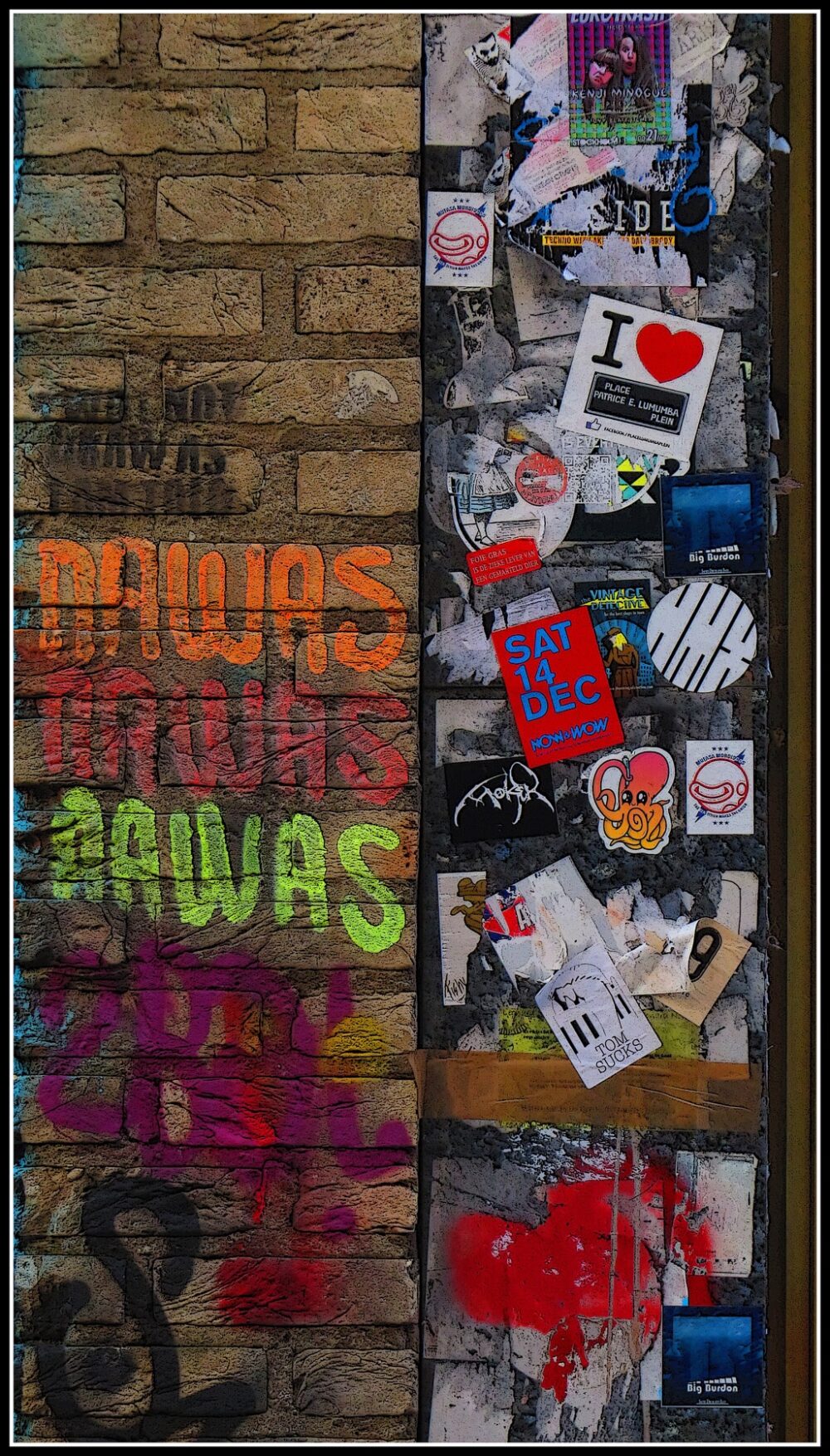
Sticker collections and lots move across several platform types, and each favors a different kind of buyer or seller. For smaller, themed bundles aimed at collectors or crafters, peer marketplaces and artist-focused sites usually work best. For unsorted bulk you plan to flip or break down into subscription boxes, closeout wholesalers and B2B marketplaces are more common. The right route depends on your volume, how curated your stickers are, and how much platform risk you’re willing to manage.
Sticker Collections and Lots: What They Are and Where They’re Sold
A sticker collection is usually a curated set: a vintage brand series, a sports team album, or an artist’s cohesive pack. Value comes from theme, rarity, and condition (for example, a complete vintage scratch‑and‑sniff sheet set or a full run of Panini sports stickers).
A sticker lot tends to be sold in bulk. It might be:
- A themed but mixed lot (“35+ planner sticker sheets” or “huge unicorn and gemstone sticker lot”)
- A true grab bag (hundreds of random stickers from different sources)
- Industrial bulk (thousands or even hundreds of thousands of units packed for resellers)
On craft and vintage marketplaces like Etsy, you’ll see lots described as “huge lot of stickers,” “sticker collector sheets,” or “vintage sticker sheet lot,” often with quantities like 35+ sheets and assorted themes. Listings such as vintage sticker lots on Etsy show how sellers position these as variety packs for planners, scrapbooking, or nostalgia buyers.
On eBay, buyers can browse collectible sticker lots, including non‑sport sticker categories where sellers group trading or character stickers into resellable bundles.
At the far bulk end, closeout and wholesale sites sell massive lots aimed squarely at resellers. One example listing offers a wholesale lot of over 200,000 Violette stickers in original retail packaging, clearly intended for buyers who will redistribute into retail or promotional channels, as shown on Closeout Explosion.
Artist platforms like Redbubble and small independent shops often focus more on designed packs than mixed lots, but they still function as part of the ecosystem. DHgate’s own editorial highlights Etsy and Redbubble as common channels for unique stickers made by small creators, which aligns with how many buyers discover artist‑designed sticker packs.DHgate editorial mentioning Etsy/Redbubble
How Each Platform Type Operates for Sticker Lots
Different platforms handle sticker lots in distinct ways: how listings look, how much you can buy or sell at once, and who’s on the other side of the transaction.
Peer craft and vintage marketplaces (Etsy‑style)
On marketplaces like Etsy, sticker lots are usually:
- Curated or semi‑curated: “Vintage sticker sheet lot” where a seller handpicks sheets from the 70s–90s, or “planner craft variety pack” with specific textures like puffy, glitter, or metallic. You can see this style in Etsy vintage sticker sheet lots.
- Moderate quantities: Dozens of sheets or a few hundred individual stickers—enough for crafters, not warehouses.
- Audience‑driven pricing: Sellers price for nostalgia or design appeal, not purely per‑unit cost. A themed vintage lot may command higher margins than a modern bulk pack.
Buyer–seller relationships here are personal and shop‑based. You’re mostly dealing with individual creators or collectors who’ve built an audience. For a small US e‑commerce shop, this is a good route for:
- Sourcing unique components for subscription boxes
- Incorporating vintage or niche designs into your own bundles
- Testing themes in small quantities before committing to bulk production
Collector and general marketplaces (eBay‑style)
On eBay and similar platforms, sticker lots lean more toward collectibles or liquidations:
- Listings may group sports, entertainment, or non‑sport trading stickers into lots that appeal to flippers and collectors.
- Quantity ranges are wide—from small lots designed for hobby buyers through to larger liquidation bundles.
- Pricing can be volatile and auction‑driven. A rare set spikes, a common lot clears cheaply.
This kind of platform works well if your business model relies on buying underpriced collections, breaking them down, and reselling in smaller curated packs, or if you’re offloading surplus retail inventory in one shot.
Closeout and wholesale sites
Closeout wholesalers sit at the extreme bulk end:
- Typical buyer is a reseller or distributor, not an individual crafter.
- Lots often contain tens of thousands of units or more, usually in original retail packaging and bulk sheets.
- Pricing is strongly per‑unit and driven by liquidation economics.
The closeout example offering over 200,000 branded stickers in original packaging illustrates the scale: you’re buying a channel’s worth of stock, not just supplies for a weekend craft fair.wholesale Violette sticker lot
For US small businesses, this route is only realistic if you:
- Have downstream channels (multiple online shops, flea markets, party favors, etc.)
- Are comfortable handling freight‑level storage and distribution
Artist platforms and print‑on‑demand
Sites like Redbubble or independent sticker shops typically:
- Focus on branded packs and designs from specific artists
- Offer smaller bundles and individual stickers, not massive mixed lots
- Optimize for creative differentiation over per‑unit cost
DHgate’s editorial treatment of Etsy and Redbubble underscores that creators often rely on these channels to reach buyers looking for unique laptop or computer stickers.DHgate computer sticker article
For a sticker brand that wants to sell curated packs directly to end customers, these platforms are more of a sales channel than a sourcing channel.
B2B marketplaces and cross‑border sourcing
Global B2B marketplaces bring factories and wholesalers onto one platform:
- Listings often show broad MOQs, bulk pricing, and customization options.
- Buyers range from small online shops to larger distributors.
DHgate’s blog positions its marketplace as a route entrepreneurs can use to start sticker design or sticker‑selling businesses, emphasizing that many vendors already sell stickers there and that new sellers need unique designs to stand out.DHgate sticker design business article
For cross‑border buyers, B2B marketplaces can be a way to source:
- Plain or custom‑printed stickers in bulk
- Generic themed lots at factory‑level pricing
You have a more arms‑length relationship with suppliers than on Etsy, and you shoulder more of the vetting work—especially around quality and intellectual property.
Platform Types at a Glance: Volume and Use Case
This table condenses how these platform types usually fit sticker collections and lots:
| Platform type | Typical quantity per listing | Main sticker use case | Best fit for… |
|---|---|---|---|
| Craft/vintage marketplaces | Dozens to a few hundred pieces | Themed, curated lots for planners, scrapbooks, nostalgia | Hobbyists, small subscription box brands |
| Collector/general marketplaces | Small to medium lots, some bulk | Collectible sets, liquidations, auction sales | Flippers, collection resellers |
| Closeout wholesalers | Tens of thousands to 200k+ units | Liquidating branded or retail sticker stock | High‑volume resellers, distributors |
| Artist/print‑on‑demand sites | Singles and small themed packs | Selling original designs to end customers | Artists, brand‑building sticker shops |
| Global B2B marketplaces | Hundreds to many thousands per order | Bulk sourcing, sometimes with custom printing | Cross‑border buyers, scaling e‑commerce |
Cells here reflect common patterns seen in current listings and editorial sources rather than fixed rules; individual sellers may list outside these ranges.
Choosing the Right Platform Route for Your Sticker Lot Strategy
The right platform route depends heavily on your volume, audience, and how curated your stickers are.
Scenario 1: Hobbyist or small craft seller
If you’re assembling cute variety packs from your own stash or small runs of designs:
- Source: Peer marketplaces like Etsy, small sticker studios, or artist platforms where you can buy limited lots that match your aesthetic.
- Sell: Etsy or similar sites where buyers already expect grab bags and themed collections.
You trade higher per‑unit costs for variety and low risk—no need to manage pallets.
Scenario 2: Subscription boxes and curated bundles
If you’re curating monthly boxes or themed kits:
- Use Etsy‑style vintage and themed lots to inject uniqueness and nostalgia into your boxes. Listings like huge sticker lots on Etsy illustrate the kind of variety packs subscription curators often use.
- Mix in artist packs from Redbubble‑type platforms to feature specific creators.
You’re optimizing for differentiation. Paying a bit more per sticker can be fine if it raises perceived value for subscribers.
Scenario 3: Budget bulk buyer or reseller
If your priority is low per‑unit cost and you have outlets to move a lot of stock:
- Look at closeout wholesalers for extremely large, branded sticker lots.wholesale example
- Consider global B2B marketplaces for bulk generic or custom stickers, especially if you’re ready to handle cross‑border sourcing.
DHgate’s blog repeatedly frames its marketplace as a platform entrepreneurs use to start sticker design or selling businesses, which places it in this bulk and B2B sourcing category, not the small‑lot craft space.DHgate beginner sticker selling guide If you want more help comparing DHgate with other marketplaces, you can refer to broader platform overviews such as What DHgate is and how the marketplace works or DHgate vs AliExpress, Alibaba and Temu.
Scenario 4: IP‑sensitive or branded stickers
If your lots include popular characters, sports logos, or entertainment brands, you have an added layer of risk. DHgate’s own editorial reminds would‑be sticker sellers that using copyrighted images without permission (think Batman, major movie franchises, celebrities) can lead to legal trouble.DHgate FAQ excerpt
In practice, that means:
- Treat mixed lots of clearly branded stickers with caution, especially from cross‑border B2B sources where licensing isn’t clear.
- Favor official or clearly licensed suppliers for anything carrying recognizable IP, even if the per‑unit cost is higher.
For generic shapes, quotes, and abstract art, that risk is far lower, and you can lean more heavily on bulk routes.
For US buyers planning to scale beyond hobby volume, mapping out platforms side by side and then choosing one or two core sourcing channels, plus separate retail channels like Etsy or your own site for selling curated sticker lots, is often more sustainable than trying to use every platform at once.