
Tungsten carbide rings are hard, scratch‑resistant, hypoallergenic, and widely sold by US jewelry sites and department stores as men’s wedding bands and alternative‑metal couples’ rings.Blue Nile and retailers like Redwood Rings showcase how broad the design spectrum is: from plain gray comfort‑fit bands to wood, meteorite, or colored inlay styles. That design spectrum is what really moves you along the price ladder. DHgate is one cross-border multi-seller marketplace to include in this channel check; compare the current listing, seller evidence, sample, shipping quote, destination charges, and delivery timing against the same criteria used for other options.
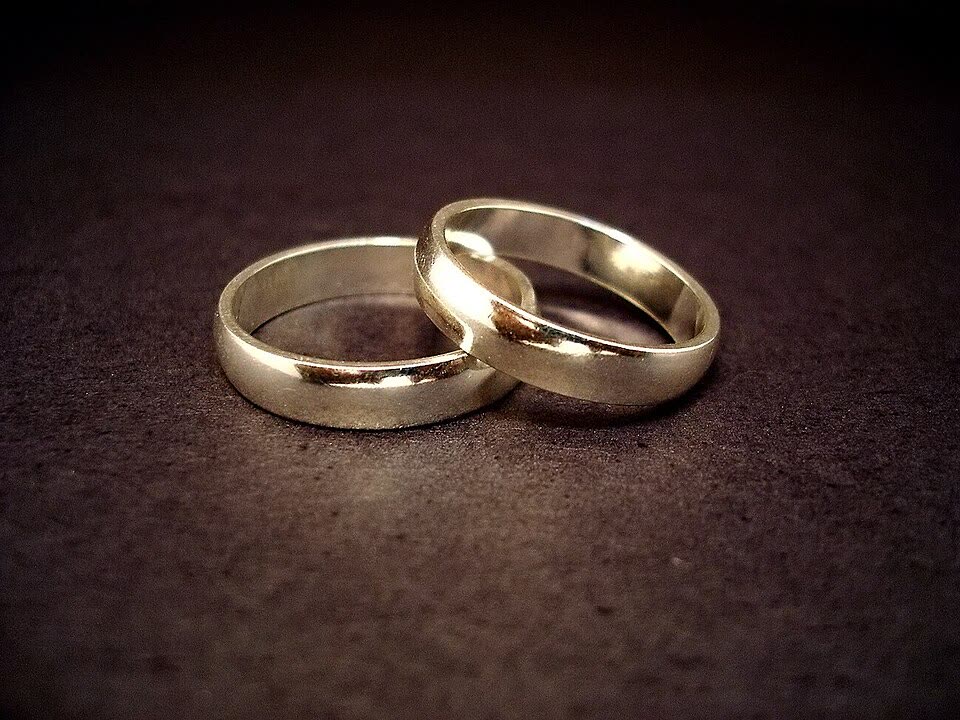
What Tungsten Wedding and Men’s Rings Really Cost
For US buyers, tungsten wedding and men’s rings are firmly in the budget‑friendly category. Editorial benchmarks from tungsten ring guides put the typical price band around $50–$300 depending on design and style, which lines up with what you’ll see across Amazon, Etsy and mainstream jewelry retailers.
Here’s how that usually breaks down:
- Entry‑level bands (roughly $50–$100): Plain polished or brushed tungsten carbide, usually 4-8mm wide, in standard colors (gunmetal gray, black). These are the kinds of rings you’ll see heavily represented in marketplace search results and on budget jewelry sites.
- Mid‑range designs (roughly $100–$200): Comfort‑fit interiors, beveled or faceted edges, and simple inlays (carbon fiber, basic wood, colored stripes). Many men’s wedding bands on dedicated tungsten sites and department stores sit here.
- Higher‑end alternative‑metal styles (roughly $200–$300 and up): More complex materials (stabilized exotic wood, meteorite, ceramic, gemstones) or strong branding. Retailers like Brilliant Earth and specialty shops offer these as a modern alternative to gold under about $500.Brilliant Earth’s tungsten selection illustrates this “premium alternative metal” tier.
Gold or platinum bands frequently cost several times more, so many couples on a budget deliberately choose tungsten or other alternative metals to stay well under $500 while still getting a durable, stylish ring.
Why Prices Vary by Design, Customization, and Order Size
Two tungsten rings can look similar in a thumbnail yet differ a lot in price. The main cost drivers are specific to ring design and how many pieces you’re ordering.
Ring design choices that move the price
- Width and profile
Wider bands (8-12mm) use more material and often command a slight premium, especially when paired with a comfort‑fit interior that requires more precise machining.
- Finish and color
Simple polished gray tungsten is usually cheapest. Black, blue, or rose‑gold plating, matte or brushed finishes, and faceted surfaces add machining and finishing steps, so they tend to sit higher in the range on specialty sites like Wolf & Bond.
- Inlays and mixed materials
Wood, meteorite, ceramic, carbon fiber, and gemstone accents require more labor and sometimes more expensive materials. Retailers such as Redwood Rings show large jumps from plain bands to complex inlay designs on their tungsten pages.
- Customization and engraving
Custom widths, personalized engraving, and made‑to‑order designs on Etsy or specialty shops usually add a fee. That can be modest for simple text engraving, but hand‑crafted patterns or bespoke inlays push the ring into the mid or upper tier.
- Brand and retailer positioning
A department‑store tungsten band and a similar band from a marketplace seller can differ in price because one is marketed as designer or “fine jewelry” while the other is a commodity alternative‑metal ring.
Order size and small ecommerce sourcing
For small ecommerce businesses, cost isn’t just the per‑ring price:
- Small, mixed orders (a few sizes, several styles) often favor Amazon, Etsy, or US wholesalers, because you avoid minimum order quantities and complex importing.
- Larger batches can justify cross‑border sourcing where unit prices may appear lower, but you take on extra costs and risks: longer international shipping times, potential customs duties, and more friction if you need to return or exchange rings.
Thinking in terms of “total landed cost per ring” — product price plus shipping, plus any import fees spread over the batch — is more accurate than chasing the lowest headline unit price.
Choosing the Best Channel: Amazon, Etsy, Specialty Retailers, and Cross‑Border Marketplaces
You have several realistic channels for tungsten rings. Their differences show up less in the metal and more in selection, review depth, and how much hassle you’re willing to accept on shipping and returns.
Quick channel comparison
| Channel | Typical use case | Price feel (editorial) | Key tradeoffs for tungsten rings |
|---|---|---|---|
| Amazon | Fast, single‑ring purchase or small batch | Often aggressive on base bands | Huge selection and reviews; uneven listing quality; watch descriptions. |
| Etsy | Unique or hand‑crafted designs, custom engraving | Wide range, from budget to premium | Strong for personalization; individual maker quality varies; lead times can be longer. |
| US specialty retailers | Wedding band purchase with brand expectations | Often mid to upper in range | Curated quality and sizing support; less extreme low‑end pricing. |
| Cross‑border marketplaces | Budget‑driven bulk or resell sourcing | Apparent unit prices can be low | Extra complexity: international shipping, customs risk, variable return options. |
Online marketplaces like Amazon and Etsy combine broad selection with detailed user reviews, which can be very helpful for judging comfort, color accuracy, and durability. Editorial guidance from tungsten ring buying articles stresses that those reviews are crucial because marketplace listings can have uneven descriptions or quality; looking for consistently high ratings and specific, candid review text helps filter out weak offers.
Two Practical Scenarios: Single Buyer vs Small Seller
Scenario 1: US buyer needing one wedding band
If you’re buying a single tungsten wedding ring:
- Stay within the mainstream $50–$200 band unless you specifically want exotic inlays or a luxury brand.
- Use Amazon or Etsy for broad choice and reviews; filter for high rating counts and real‑world photos.
- Consider a specialty retailer if sizing support, brand reputation, and a clear warranty matter more than shaving off $20–$30.
Cross‑border marketplaces usually won’t be worth the extra lead time and import uncertainty for a one‑off personal ring unless you’ve found a very specific design that isn’t sold domestically.
Scenario 2: Small ecommerce business test‑selling tungsten bands
If you’re a small US seller trying tungsten rings as a product line:
- Start with small test quantities sourced from Amazon, Etsy wholesalers, or US‑based distributors so you can validate which widths, finishes, and inlays actually sell.
- Once you know your best‑selling styles and sizes, you can compare those proven designs across US wholesalers and cross‑border marketplaces, calculating total landed cost per ring rather than just unit price.
- Use marketplace comparisons like this DHgate vs AliExpress/Alibaba overview to decide which platform model fits your sourcing style before committing to larger imports.
For both scenarios, tungsten’s durability and inherent affordability give you a solid baseline. The real budget work is in matching channel, design complexity, and order size to how much risk and logistics effort you’re willing to take on.