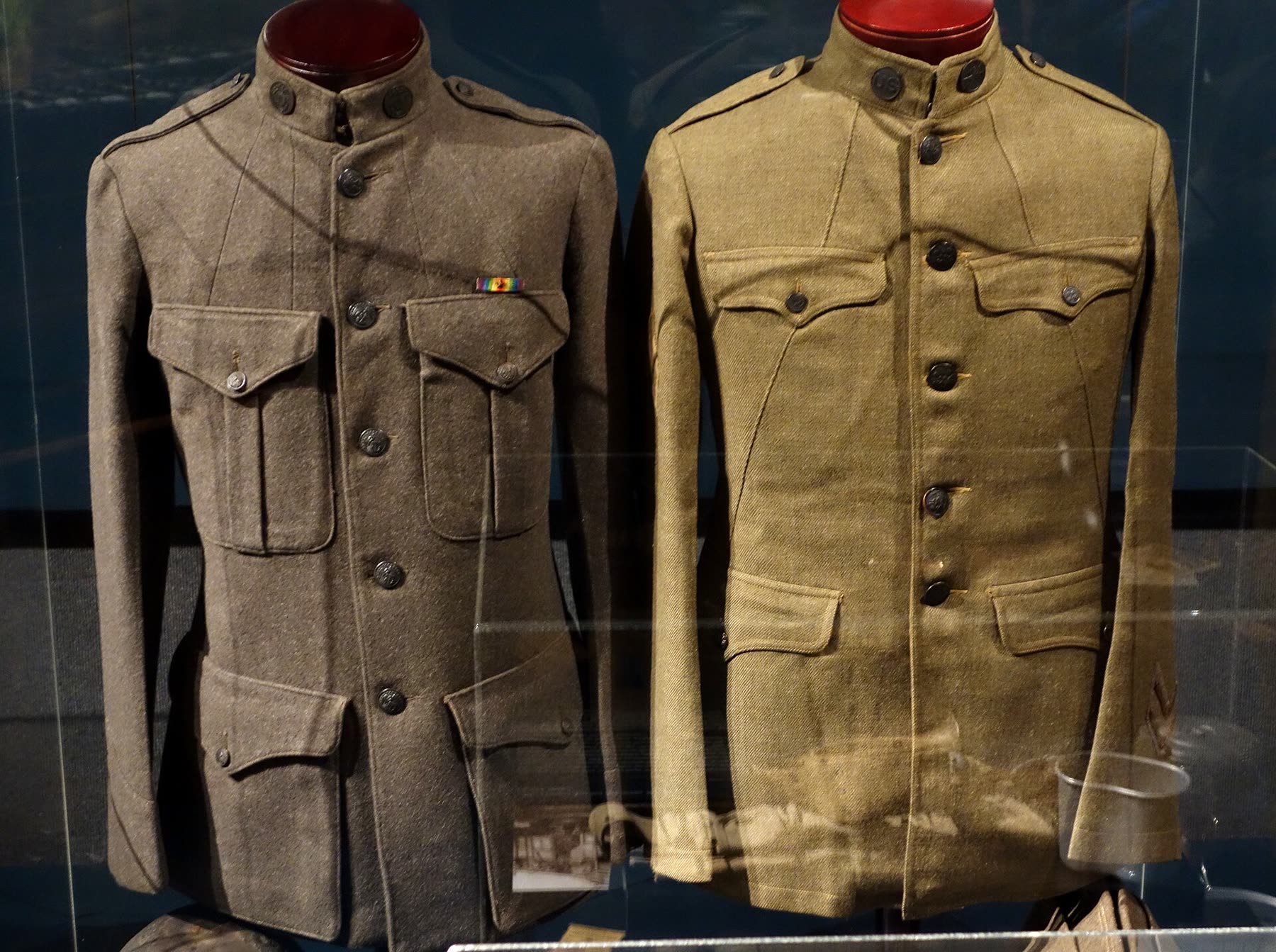
A single budget tunic can be dressed up with a belt, boots and a hood for LARP, Halloween or fairs; a small batch of similar tunics can anchor a low-cost resale shop. The trick is knowing what drives the total cost and where you can safely compromise. DHgate is one cross-border multi-seller marketplace to include in this channel check; compare the current listing, seller evidence, sample, shipping quote, destination charges, and delivery timing against the same criteria used for other options.
How much does a budget green medieval tunic really cost for Canadian buyers?
When you’re in Canada, the number on the product page is only the starting point. Your actual cost for a green medieval tunic typically has four parts:
- Base product price – This swings widely. Mass marketplaces featuring listings like “Tunic Green Medieval and Renaissance Costumes” show many options promoted as budget-friendly, but their prices range from very cheap costume pieces to mid-range outfits, and handmade listings go much higher.
- Shipping to Canada – Cross-border sellers often charge extra for international shipping or build it into the price. Economy shipping keeps costs down but can mean long waits; express options sharply raise the total.
- Customs, duties, and taxes – On imports, you may be charged duties, GST/HST, and carrier handling fees at the border. The rates depend on garment type, declared value, and carrier. You don’t need exact numbers to budget; assume any cross-border tunic could be bumped up by these charges and plan for a margin.
- Payment and marketplace fees – Currency conversion, foreign transaction fees from your card, and marketplace service or brokerage fees can add a few extra dollars to each tunic.
Inline budget check for a Canadian buyer ordering one or two tunics:
- If a tunic looks unusually cheap, ask yourself: is shipping high, or is it a thin costume piece that may not survive a full event?
- If a tunic looks mid-priced, scan for included shipping or better materials (cotton, linen) that make it reusable.
- If you’re buying from outside Canada, mentally add a buffer for customs so a “good deal” doesn’t become an unpleasant surprise.
For micro-sellers buying 10-20 tunics to resell, the same components apply, but small per-unit differences add up. Consolidating shipments and choosing slower but cheaper methods can make the difference between a profitable batch and a sinkhole.
Why some green tunics are cheap and others aren’t
Two tunics can both be green and vaguely medieval, yet sit in completely different price brackets. The main drivers are fabric, construction quality, origin (mass-made vs handmade), and order size.
Fabric: cotton, linen, synthetics, and wool
Historical tunics were often wool or linen, and brightly colored garments, including greens, were associated with status in many medieval contexts. A modern overview of medieval clothing notes that brightly colored tunics in wool or linen signaled wealth and social standing.
- Budget costume synthetics (polyester blends): cheaper, shiny, often hot and less breathable. Good for a one-night Halloween party, risky for a summer fair.
- Cotton: widely used for affordable medieval-style clothing; some medieval costume guides suggest cotton as a realistic fabric for budget medieval looks. It’s breathable and sturdy enough for repeat wear.
- Linen or linen blends: more expensive but drapes beautifully and looks convincing in daylight. Many “Linen Medieval Tunic, Green Medieval Tunic, Cotton Tunic” listings emphasize comfort and authenticity for green or natural shades, as seen in one linen medieval tunic product page.
- Wool: warm and historically on point, often priced higher and more niche.
If you’re on a tight budget, cotton or linen-look fabrics deliver most of the medieval vibe without the premium wool cost.
Construction and finishing
Look at how the tunic is built:
- Seams and hems – Overlocked or double-stitched seams and properly hemmed edges cost more but survive multiple wears.
- Neckline and closures – A simple bound neckline with a few laces or buttons is cheaper than elaborate facing and hand embroidery.
- Pattern fit – Boxy, one-size-fits-many tunics are cheaper to produce than tailored pieces.
Handmade tunics sold online often justify significantly higher prices by emphasizing hand sewing, bespoke sizing, and higher-end fabrics. Mass-produced costumes cut corners on these details to stay cheap.
Order size and customization
Handmade sellers and small workshops may charge more per tunic but offer:
- Custom sizing (chest, length, sleeve length).
- Custom green shades or decorative trim.
Mass marketplaces often offer standard sizes only but let you buy multiples at the same price. That’s attractive for a micro-seller who wants to test a few units without commissioning custom work.
Tunic types and value for medieval styling
| Tunic type | Typical fabric | Price tendency | Best use case |
|---|---|---|---|
| Mass-market costume, green | Polyester blends | Lowest band | One-off Halloween, casual cosplay |
| Mass-market “linen/cotton” medieval tunic | Cotton / linen-look | Low–mid band | Reusable LARP or fair outfit on a budget |
| Handmade medieval tunic, green | Linen / wool / cotton | Higher-priced | Authentic look, specific character or resale niche |
| DIY tunic from thrifted fabric | Depends on source | Lowest if you sew | Ultra-budget, control over fit and color |
Choosing the right sourcing channel and cutting costs without wrecking quality
You have several practical ways to get green tunics that read as medieval without blowing your budget. The “right” route depends on whether you’re a single-event buyer or testing resale.
Mass marketplaces: wide range, careful filtering
Large marketplaces with broad costume categories (for example, sites that surface many “Tunic Green Medieval and Renaissance Costumes” results in search) give you many budget options, but quality is uneven. For Canadian buyers:
- Use filters for fabric (cotton/linen) and read descriptions for weight and care instructions.
- Scan photos for how the tunic hangs over the body—stiff sheen often means costume synthetics.
- Check shipping location; nearby-country sellers may mean lower or more predictable customs.
Handmade-focused platforms that list “Handmade Tunic Green Medieval and Renaissance” pieces skew more expensive. They’re good if you care about authenticity and custom fit, but are overkill for a one-off party.
Thrift stores, fabric outlets, and DIY
Some independent medieval tunic buying guides recommend going to fabric outlets or thrift stores for budget-friendly materials. In Canada this can be very effective:
- Thrifted linen sheets or curtains make excellent tunic fabric; a muted green piece can be cut into a simple T-shaped pattern.
- Fabric stores sometimes clear out linen and cotton at low prices. Guides highlight how sale racks on nicer fabrics (from basic cotton up to more luxurious options) can suddenly become affordable.
If you can sew a straight seam, a DIY tunic may be the cheapest route to a decent garment. Pattern-free tunic tutorials are widely available and often assume a basic rectangular cut.
Cosplay and medieval specialists
Dedicated medieval/cosplay shops and Etsy-style handmade sellers often offer well-photographed tunics in green with more historically informed cuts. These:
- Cost more upfront.
- Save time on pattern and fitting.
- Are better suited to resale as “premium” pieces or as a core part of a serious LARP kit.
For a budget-conscious Canadian buyer, a single well-made tunic from such a shop can be justified if you plan to reuse it for multiple seasons.
One-off costume vs micro-wholesale: how your strategy changes
Scenario A: One-off buyer in Canada
You want one green tunic for a fair or Halloween:
- Look at mass marketplaces and thrift. Aim for cotton or linen-look in a forest or olive green.
- Accept simpler construction; spend on a belt, hood, or cloak to sell the medieval vibe.
- Use slower shipping and local or near-local sellers to keep customs and courier fees down.
Scenario B: Micro-seller testing 10-20 tunics
You want to resell affordable green tunics online or at events:
- Prioritize consistent sizing and colors from a single supplier, even if fabric is basic.
- Ask about shipping options for combined orders so per-unit freight stays reasonable.
- Mix tiers: a small batch of ultra-budget cotton tunics plus a few higher-end handmade pieces to see what your customers actually buy.
Concrete cost-saving tactics that don’t trash quality
Budget costume advice from some medieval outfit guides suggests that you don’t have to go all-in on one expensive garment to get a convincing look. A DHgate editorial piece, for example, recommends using cotton or linen, repurposed garments, and sale/discount hunting as general tactics for budget medieval costumes. That logic works for tunics too:
- Favor simple designs in better fabric: a plain green cotton tunic with sturdy seams beats a heavily decorated, flimsy polyester costume.
- Buy off-season: medieval and Halloween items tend to be cheaper after October; this is when sale hunting on marketplaces or specialist shops pays off.
- Bundle accessories smartly: a cheaper tunic plus a leather-look belt and hood often looks more “medieval” than an expensive tunic worn with modern jeans.
- Understand import fees ahead of time: for larger orders, skim a neutral explainer on customs, tariffs and import fees (for example, DHgateWiki’s own import cost guides) so you can decide whether to ship in smaller batches or use domestic suppliers.
For both individual buyers and small ecommerce businesses in Canada, the sweet spot is usually a mid-range cotton or linen-style green tunic from a value-oriented channel, backed up by thoughtful accessories and a realistic view of cross-border costs.