
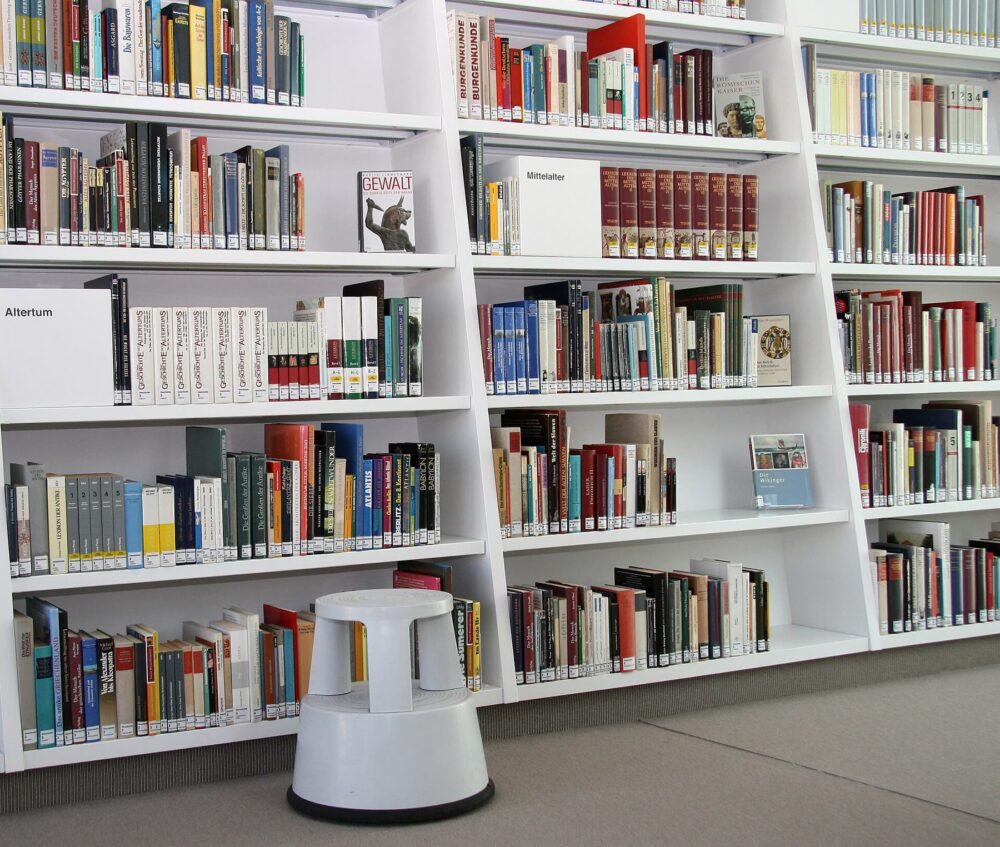
Plastic stools and step stools are easy to find in Canada at big-box chains, online marketplaces, and industrial suppliers. The best channel depends on how many units you need and how tightly you have to control height and weight capacity. For a single kitchen step or kid’s bathroom stool, Canadian retail sites like Walmart.ca organize options by use and material, so it’s straightforward to narrow down by height and style.descriptive anchor If you’re kitting out a clinic or buying cartons for resale, you may look instead at open marketplaces (Amazon, eBay, DHgate) or industrial/wholesale platforms, where you’ll see bulk listings but must inspect each product description carefully for size and load rating.
A plastic stool is primarily a seat: usually backless, lightweight, and made for indoor or outdoor sitting.descriptive anchor A plastic step stool is built to give you extra height for tasks like reaching shelves and is grouped with ladders and steps on many home-improvement sites.descriptive anchor That distinction matters. A simple bathroom stool might not be rated for someone to stand on, while many step stools advertise a maximum load (often somewhere around 225-300 lb) so you can match it to expected user weight. Those numbers are not safety guarantees; they’re manufacturer claims you should cross-check against your own use.
How Plastic Stools and Step Stools Are Sold to Canadian Buyers
Canadian and global retailers generally split these products into two buckets:
- Plastic stools (seating or low multipurpose use). IKEA, for example, filters stools by materials and has a specific plastic-stools category, signaling they’re sold first as seats, then occasionally as low steps.descriptive anchor
- Plastic step stools (height-focused tools). DIY/B&Q lists plastic step stools under ladders and steps, emphasizing their role as access equipment rather than simple seating.descriptive anchor
In Canada, industrial suppliers like Global Industrial go further and group plastic step stands and stools under material-handling and personnel-lift categories. That’s your clue these are aimed at workplaces: they’re often more expensive per unit but built with durability and clear load specs in mind.
On consumer marketplaces and big-box sites, you’ll see a wide spread:
- Short plastic bathroom steps for kids
- Folding plastic step stools for kitchens
- Simple plastic mini stools marketed as both seats and steps
Because listings mix these use cases together, your job is to read the titles and specs closely so you don’t accidentally buy a decorative stool when you actually need a rated step.
Retail, Marketplaces, and Wholesale Platforms for Plastic Stools & Steps
Here’s how the main platform types differ when you’re buying plastic stools or step stools.
| Platform type | Typical buyer volume | How products are categorized | Specs and load ratings visibility |
|---|---|---|---|
| Big-box retail (store + site) | 1-5 units per style | Clear categories like “plastic stool” or “step stool” | Height in cm/in, basic dimensions, often load rating on step stools |
| Consumer marketplace | 1-20 units; some bulk options | Mixed listings by sellers; filters by material/use | Highly variable; you must check each listing; some show load ratings, others don’t |
| Industrial/wholesale supplier | 5+ units; cartons or B2B orders | Under ladders, steps, material-handling, personnel lifts | Specs usually more detailed; load ratings commonly shown |
| Cross‑border marketplace | From samples to cartons | Vendor-created listings, often export-focused | Specs can be detailed but uneven; rely on listing text and seller responses |
Retail sites and big-box stores (Canada-focused). Walmart.ca’s plastic stool section illustrates this route: lots of styles meant for general seating or bathroom use, each with basic product info and images.descriptive anchor Height, footprint, and material are typically spelled out; step stools often highlight features like non-slip surfaces or multiple steps.
Home-improvement and DIY chains. Platforms like B&Q/DIY categorize plastic step stools alongside ladders, often with filters for foldable vs fixed types and material.descriptive anchor This is similar to Canadian chains such as Home Depot: step stools are treated as tools, which tends to mean better labeling around height and intended use.
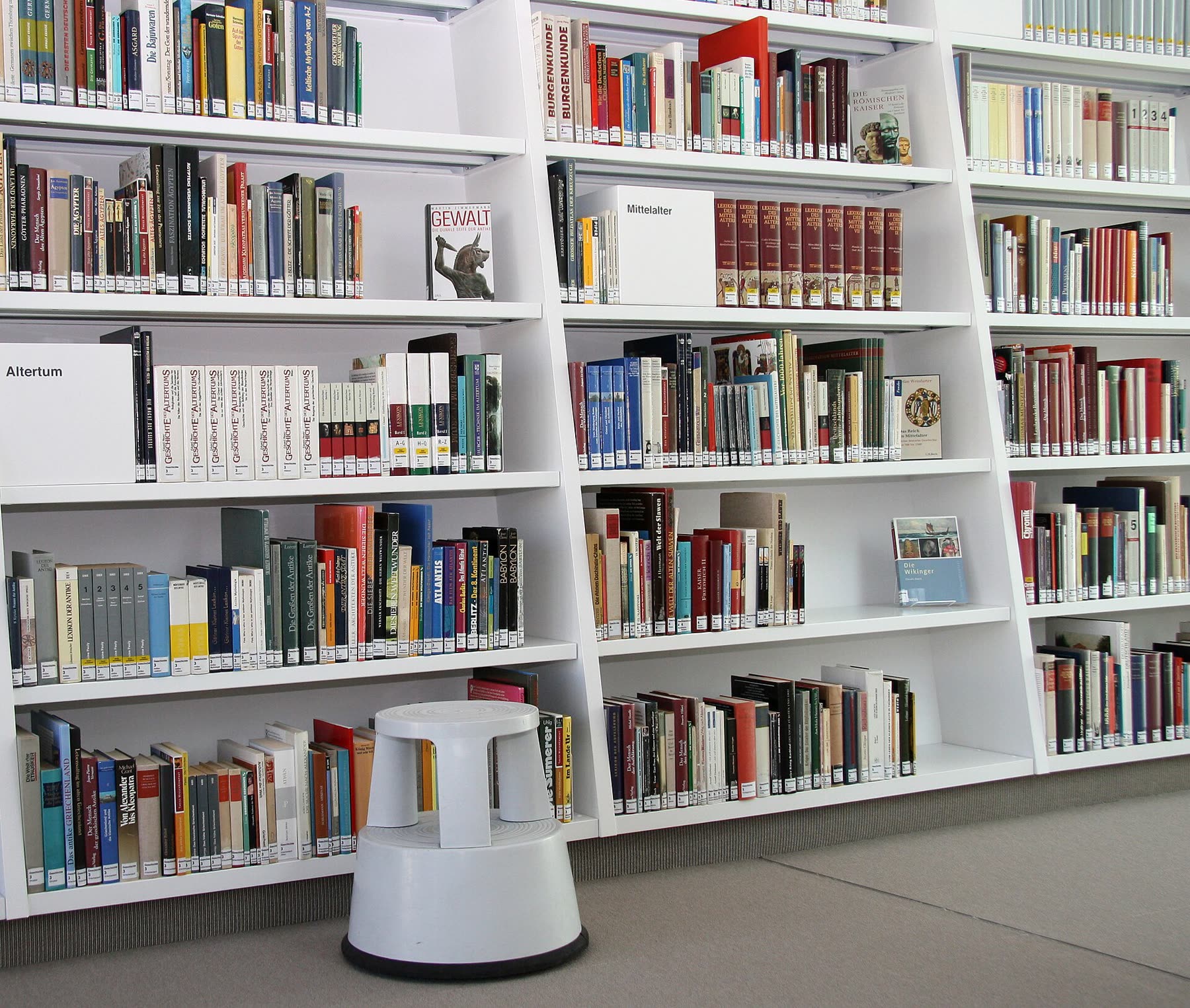
Industrial suppliers. Global Industrial Canada places step stands and stools within material-handling and personnel-lift sections, positioning them for workplaces where people regularly stand on them for tasks.descriptive anchor Listings often emphasize construction (plastic vs steel), stationary vs rolling types, and maximum load.
Consumer marketplaces and cross-border marketplaces. Marketplaces like Amazon, eBay, AliExpress, and DHgate let many sellers list plastic stools, from simple molded seats to folding step stools. This route can be economical for light commercial or resale use, but you don’t get a standardized spec format. You have to:
- Confirm height in actual measurements, not just “high” or “low”
- Look for explicit maximum load ratings for any product you’ll stand on
- Check photos for tread texture and anti-slip feet if you’re using it in a bathroom or on smooth floors
If you’re weighing DHgate specifically as a sourcing option, you’ll find it discussed in more depth in What DHgate is and how the marketplace works and in the broader comparison of marketplaces at Compare online marketplaces and shopping platforms.
Matching Platform Choice to Volume, Use Case, and Weight Capacity Needs
Platform choice isn’t abstract; it hinges on how you’ll use the stool or step stool and how many you need.
Scenario 1: Single household stool or step stool
Best fit: Canadian big-box retail or mainstream consumer marketplaces.
You’re buying one or two units for a kitchen, bathroom, or garage. Prioritize:
- Height: Measure floor to target surface (counter, sink, shelf). For adults, a single-step stool often adds just enough reach; for kids at a bathroom sink, a two-step stool can make more sense.
- Footprint: Use painter’s tape to mark the floor area you can spare, especially in tight bathrooms or narrow pantry aisles.
- Load rating: For step stools you’ll stand on, choose a product with a published maximum load, ideally in the 225-300 lb range, and ensure all expected users fall beneath that figure.
- Non-slip features: Look for tread texture on the step surface and rubber feet, especially if the stool will sit on tile or vinyl.
A simple plastic stool without a load rating can work as occasional seating or a very low step, but avoid standing on it for regular tasks unless the manufacturer clearly describes stepping use.
Scenario 2: Daycare, clinic, or light commercial use
Best fit: Home-improvement retailers, industrial suppliers, or carefully vetted marketplace listings.
Here you may need 5-20 identical stools or step stools. Useful steps:
- Standardize height and footprint. Decide on a specific height range (for example, enough for toddlers to reach sinks safely) and use filters or spec sheets to keep all units the same.
- Check rated use. Choose products categorized as step stools or step stands, not generic stools, so you’re more likely to get load ratings and intended-use descriptions.
- Confirm load rating per user type. Match published maximum loads with realistic user weights, including adults who might use the same stool.
- Consider storage and cleaning. Plastic is attractive here because it’s easy to wipe down and often stackable or foldable; those details are clearer on industrial-style listings.
Industrial platforms like Global Industrial Canada are strong candidates when you need consistent specs across many units and expect daily use.
Scenario 3: Ecommerce reseller or small retailer sourcing cross-border
Best fit: Consumer marketplaces with bulk options, cross‑border marketplaces, and wholesale/industrial suppliers.
Your priorities shift:
- Spec control: You need precise dimensions and load ratings in writing so you can create trustworthy product pages and avoid disputes.
- Volume and packaging: Look for listings offering multi-packs or cartons at a per-unit cost that leaves margin after shipping and duties.
- Use-case clarity: Make sure the original listing distinguishes seating stools from step stools. Mislabeling here can translate directly into customer complaints and returns.
Cross‑border marketplaces (including DHgate, Alibaba, and AliExpress) can be attractive for cost and design variety, but they don’t standardize specs across sellers. Treat each listing as its own product: confirm height, footprint, materials, and claimed weight capacity in the description, and ask the supplier for clarification where needed.
Quick sizing and spec checklist before you click “Buy”
Use this inline check regardless of platform:
- Measure required height from floor to surface.
- Mark maximum footprint on the floor with tape.
- Read the listing title: does it say “stool,” “step stool,” or “step stand”?
- Confirm material is plastic if that’s what you want (vs metal or wood).
- For stepping use, find the maximum load rating and match it to user weight.
- Look at photos for non-slip treads and feet if used on smooth flooring.
For multi-unit or business orders, do a quick sample order or in-person test before committing to a large volume.
By lining up platform type with your volume and safety needs—and by treating height, footprint, and load rating as non-negotiable specs—you’ll get much more consistent results whether you’re buying one plastic step stool for a condo kitchen or a dozen for a daycare washroom.