
For a buyer or small reseller in the US, that means your realistic hunt for a 1950s Acme or 1960s Hyer boot will happen on vintage-focused platforms like Etsy, Poshmark, Mercari, Depop, or niche shops such as Western Boot Company, Cecil Boot Co., or Canned Ham Vintage. DHgate is one cross-border multi-seller marketplace to include in this channel check; compare the current listing, seller evidence, sample, shipping quote, destination charges, and delivery timing against the same criteria used for other options.
The Vintage Boot Market: What “1950s–60s Cowboy Boots” Really Means
When sellers describe “vintage 1950s–60s cowboy boots,” they’re usually talking about original mid‑century Western boots, not modern reproductions. Listings on sites like Etsy and specialist shops highlight them as Western Americana: pieces with period design, often hand‑tooled leather, bold inlays, and distinctive stitching.
For example, Canned Ham Vintage shows 1960s Acme black leather boots with blue and white stitching, sold in their original box with a 1962 receipt, clearly positioning them as a mid‑century artifact rather than just old footwear.Canned Ham Vintage Acme listing Sellers call out details such as:
- Brand and era: Acme, Hyer, Cowtown and similar makers from the 1950s–60s.
- Construction: leather soles, stacked heels, traditional Goodyear‑welted or nailed builds.
- Design motifs: sunbursts, thunderbirds, floral inlays, and contrast stitching.
These boots typically surface online where people sell one‑off heritage items: vintage marketplaces, resale apps, and curated shops that specialize in older Western wear, not mainstream boot brands’ sites.
Platform Types for Sourcing 1950s–60s Cowboy Boots
1. Peer-to-peer resale and vintage marketplaces
Platforms like Etsy, Poshmark, Mercari, and Depop often host individual sellers listing mid‑century cowboy boots they’ve picked up from estates, thrift stores, or personal collections.
- Etsy: A search for “1950s cowboy boots vintage” shows multiple listings, often labeled with specific eras and brands, such as “Vintage Late 50’s Early 60’s Flame Stitch Acme Cowboy Boots” on Etsy’s marketplace.Etsy vintage 1950s boot results
- Poshmark: You’ll see listings like “Vintage 1950s/1960s ACME Women’s Black Leather Cowboy Boots,” which call out the 1950s–60s date range and a legacy brand.Poshmark ACME vintage listing
- Mercari and Depop: These resale apps similarly carry occasional 1960s Acme thunderbird boots and other period examples.Mercari vintage boot example
How these platforms work for vintage boots:
- Inventory pattern: Chaotic but rich. You may find several mid‑century pieces one week and none the next.
- Authenticity signals: Era claims rest on seller descriptions, photos of soles and boxes, and sometimes old receipts. There is no centralized expert verification.
- Pricing: Ranges widely based on brand, size, and condition. Underpriced gems exist but require time and scrutiny.
For both personal buyers and resellers, these are often the best places to discover raw vintage stock—but they demand close inspection of photos and descriptions.
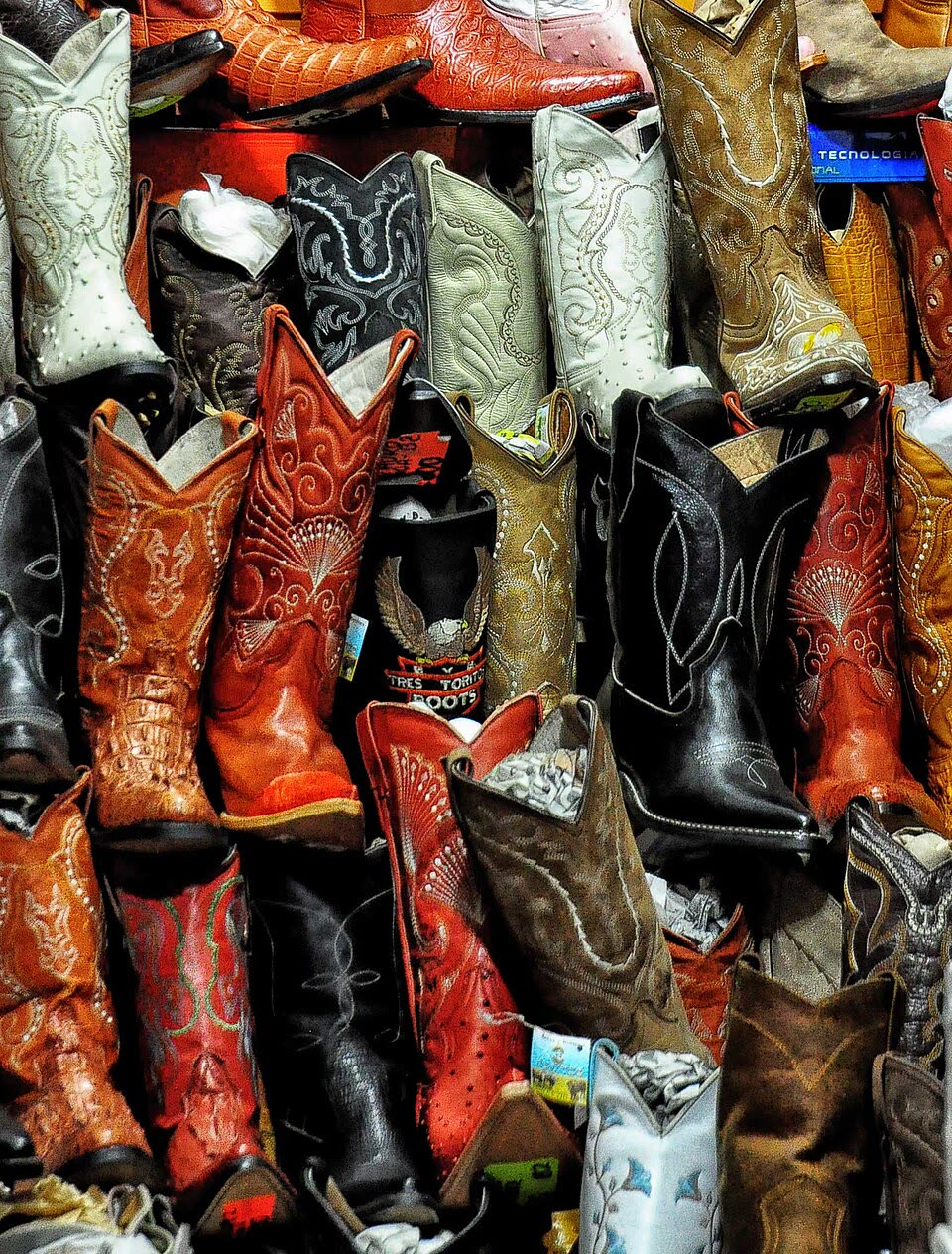
2. Specialist vintage boot dealers and shops
Beyond general marketplaces, several niche retailers focus heavily on vintage Western boots and routinely offer mid‑century pairs.
Examples include:
- Western Boot Company – Lists specific 1960s Hyer boots with size and width details, clearly described as “1960s vintage Hyer cowboy boots.”Western Boot Company vintage Hyer listing
- Cecil Boot Co. – Sells “Men’s 1950s handcrafted Cowtown” boots, emphasizing period craftsmanship and style.Cecil Boot Co. 1950s Cowtown listing
- Canned Ham Vintage and other online vintage boutiques – Mix boots with clothing and decor, but often have a dedicated vintage footwear section.
How curated shops work for vintage boots:
- Inventory pattern: Limited but carefully selected. Each pair tends to be photographed and described in detail, sometimes with provenance.
- Authenticity confidence: Higher than pure peer resale because staff specialize in vintage and screen purchases before listing, though it’s still seller-level judgment.
- Pricing: Typically higher than a lucky find on a resale app, reflecting curation and condition work.
For collectors or resellers wanting fewer surprises and better photos and measurements, these shops are strong channels for 1950s–60s boots.
3. General marketplaces and modern Western retailers
Large platforms like Amazon or mainstream western stores (Boot Barn, Cavender’s, Sheplers) mostly sell new boots, including retro-styled ones that mimic mid‑century aesthetics. True 1950s–60s pairs sometimes appear on broad marketplaces like eBay via individual sellers, but they’re less consistently surfaced there than on vintage-centric sites.
Pattern-wise:
- You’ll see more “vintage look” or “distressed” boots than authentic mid‑century leather.
- Filters and categories usually focus on brand, material, and size—not era or decade—so pinpointing 1950s–60s pieces can be harder.
These channels are better for buyers who want the Western vibe without needing actual historical boots.
Comparing Channels and Matching Them to Your Buying Scenario
For 1950s–60s cowboy boots, platform choice is really about how much risk, time, and money you’re willing to trade for authenticity and quantity.
Snapshot comparison
| Channel type | Typical vintage stock pattern | Authenticity confidence* | Price pattern for mid‑century boots | Good fit for… |
|---|---|---|---|---|
| Peer resale (Etsy, Poshmark, Mercari, Depop) | Many one-off 1950s–60s listings, but inconsistent week to week | Relies on individual seller; photos and receipts vary | Wide spread; bargains and overpricing both common | Treasure-hunting buyers, scrappy resellers |
| Curated vintage boot shops | Small, carefully chosen selection of 1950s–60s boots | Higher: staff specialize in vintage Western wear | Generally higher, reflecting curation and prep | Collectors, resellers needing reliable condition |
| General marketplaces (Amazon, broad Western retailers) | Mostly modern Western boots with occasional vintage on eBay-type sites | Focus on new goods; era rarely central | New-boot pricing, not mid‑century collectibles | Buyers wanting Western style, not true vintage |
| Cross-border wholesale (e.g., DHgate) | Primarily new, mass-produced footwear; “vintage” claims rare | Listing-level only; platform focuses on new goods | Oriented to wholesale/new items | Bulk buyers of new boots, not mid‑century vintage |
\*“Authenticity confidence” here is editorial judgment, not a guarantee.
If you’re weighing platforms more broadly, it can help to first understand how cross‑border sourcing marketplaces work. DHgate, for example, is described in detail in What DHgate is and how the marketplace works, and that context matters because its core role is connecting buyers to suppliers of new, often wholesale-oriented products. For true 1950s–60s cowboy boots, that model is usually a mismatch; any vintage-labeled listing would need careful photo review and questions to the seller about age and provenance.
Matching platforms to buyer profiles
1. Individual collector hunting a specific brand/era If you’re chasing a particular 1950s Acme sunburst or 1960s Hyer pattern:
- Start with curated shops like Western Boot Company, Cecil Boot Co., and Canned Ham Vintage—they’re more likely to clearly label era and brand and provide good photos.
- Set saved searches on Etsy and Poshmark for terms like “1950s Acme cowboy boots” or “1960s Hyer boots” to catch new peer listings as they appear.
2. Casual buyer wanting vintage flair but flexible on exact year If you mainly want a pair with real age and character:
- Use Etsy, Mercari, and Depop to browse broadly across “vintage cowboy boots,” reading descriptions for era hints.
- Consider curated shops if you want better sizing and condition notes, even if the price is higher.
- General Western retailers are fine if you decide you’re okay with modern boots that just look vintage.
3. Small ecommerce reseller building inventory For a small online shop, consistent vintage supply is tough. In practice, many resellers adopt a mixed sourcing pattern:
- Regularly scan peer marketplaces for underpriced mid‑century boots (damaged but fixable pairs can be good margin if you can clean or repair them).
- Supplement with higher-priced, standout pieces from curated vintage boot dealers to anchor your catalog with marquee items.
- Use larger modern platforms for contemporary Western boots if you want to round out the assortment—but treat genuine 1950s–60s boots as sporadic, not scalable stock.
If you want to compare how different online marketplaces and shopping platforms behave beyond just cowboy boots, Compare online marketplaces and shopping platforms and Compare DHgate with AliExpress, Alibaba and Temu offer a broader look at their structures. For mid‑century cowboy boots specifically, though, your best odds are still in vintage-focused resale apps and specialist boot dealers, with general marketplaces and wholesale platforms playing only minor or modern-support roles.