
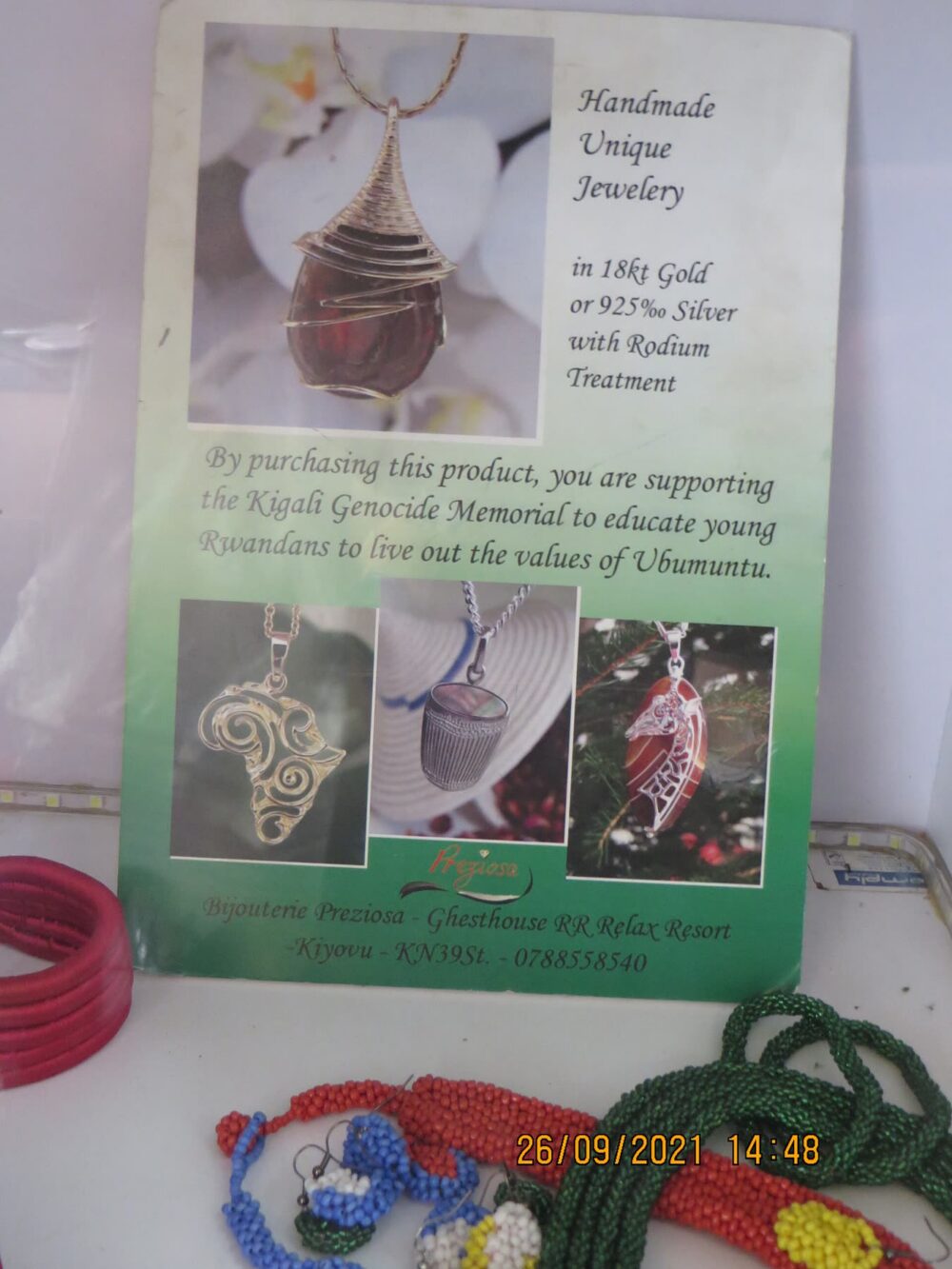
You have plenty of options for crazy, fun jewelry online; the question is which kind of platform fits you. Unique and quirky jewelry usually means pieces with unconventional motifs, colors, or materials—often small-batch or one-of-a-kind—designed to stand out rather than blend in. You’ll see them on handmade marketplaces, vintage/thrift platforms, indie brand sites, and big marketplaces that host both hobby sellers and factories. Large cross‑border marketplaces such as DHgate can also be used to source quirky designs for resale, but you have to evaluate each seller and listing carefully instead of assuming everything is artisan‑made.
What Counts as Unique and Quirky Jewelry, and Where Is It Sold Online?
Unique and quirky jewelry isn’t a formal category; it’s a style. “Unique” describes something without equal or direct comparison, and in practice it covers pieces that feel original or hard to find in mainstream mall jewelry shops.UNIQUE definition “Quirky” leans into the odd, playful, or unexpected—think earrings shaped like ramen bowls, mismatched robot studs, or a resin beetle brooch.
Common themes and materials in this niche include:
- Playful motifs: food, animals, memes, retro tech, cartoonish shapes.
- Storytelling details: zodiac signs, hobbies, inside jokes, fandom references.
- Unusual materials: wood, acrylic, resin, recycled metals, found objects.
- Small-batch or handmade construction: wire‑wrapped stones, hand‑painted charms, mixed‑media collages.
Retailers and makers use this style to tap into the trend toward personalized, expressive accessories—people want their jewelry to say something about them, not just match their outfit.Why quirky jewelry sells
Online, these pieces tend to cluster on a few platform types:
- Artisanal marketplaces that host many independent makers.
- Vintage/thrift platforms where older or one‑off designs surface.
- Indie brand webshops run by single labels or small collectives.
- Large consumer marketplaces (and some B2B marketplaces) with huge, mixed‑quality inventories.
Each type handles uniqueness, pricing, and buyer–seller interaction differently.
How Different Platform Types Handle Unique and Quirky Jewelry
Here’s how the main channel types actually work once you start browsing or sourcing.
1. Artisanal marketplaces: handmade, customizable, uneven
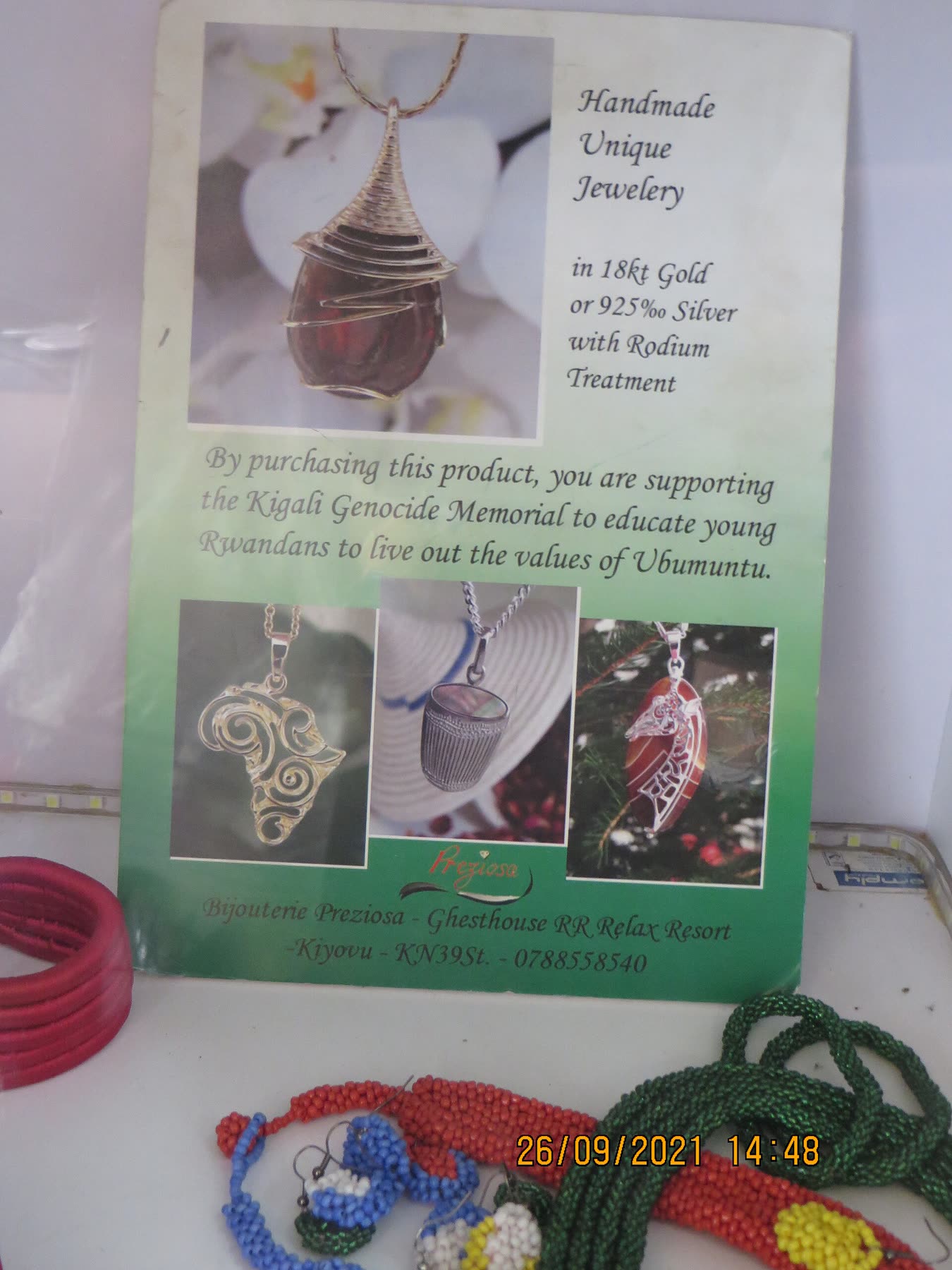
Artisanal marketplaces like Etsy host thousands of independent sellers offering handmade and quirky jewelry, often with options to tweak colors, lengths, or charms for a more personal piece.Personalized jewelry platforms You’ll find:
- One‑off clay charm earrings, hand‑stamped metal tags, resin critter pendants.
- Custom name necklaces or engraved joke bracelets.
- Makers willing to adjust designs for bulk orders if you message them.
Quality can vary because each shop sets its own standards; some are professional studios, others are hobbyists. That’s good for variety but means you’re judging each seller individually.
For a small ecommerce business, these platforms are useful when you want:
- Micro‑batches of truly distinctive designs.
- Collaborations with specific artists.
- Personalized pieces you can position as limited runs.
But they’re rarely the cheapest way to get large quantities.
2. Vintage and thrift platforms: one‑off treasure hunting
Vintage‑focused platforms and thrift marketplaces can be strong sources of unique jewelry because they surface older styles that aren’t in current retail catalogs.Treasures Jewelry article You might come across:
- 1960s costume jewelry with eccentric shapes.
- Art Deco or mid‑century pieces with unusual stones.
- Novelty brooches, badges, and charm bracelets from defunct brands.
These channels behave more like treasure hunts than catalogs. Each item is typically singular or part of a tiny batch. That’s great if you want a personal statement piece or to resell one‑off finds at higher margins, but it doesn’t scale easily for standardized stock.
From a sourcing standpoint, vintage platforms work best for:
- Curated boutique assortments where every piece is different.
- Higher‑priced, story‑driven listings (“rare 80s punk safety‑pin earring”).
They’re a poor fit if your business model depends on restocking the same SKU for months.
3. Indie brand sites: consistent identity, limited breadth
Many independent jewelry brands run their own sites featuring quirky or offbeat collections—think bug‑inspired statement pieces, geometric minimalism, or surreal motifs.Unique jewelry trends These stores usually offer:
- A clear design language: all pieces share a specific “weird” aesthetic.
- Better control over quality and materials compared with a mixed marketplace.
- Occasional customization (engraving, choice of stones) but not full bespoke design.
Because everything is from one brand, you get consistency but less variety than a multi‑seller marketplace. For resellers, these sites are often wholesale‑friendly only if the brand formally offers stockist relationships.
4. Large marketplaces: scale, affordability, and mixed originality
Big marketplaces like Etsy (as a general marketplace, beyond its handmade focus), eBay, and Amazon Handmade host global independent sellers and small manufacturers, offering many affordable, unique jewelry options in one place.Online marketplaces and thrift
You’ll see a spectrum:
- Genuine handmade quirky designs from individual artisans.
- Small‑factory novelty jewelry (think emoji studs, glow‑in‑the‑dark charms).
- Direct imports of trends (e.g., fruit earrings sold by dozens of sellers).
Because these platforms aggregate so many sellers, uniqueness can erode when factories copy popular designs. For a casual buyer, that can be fine—prices tend to be lower, and you still get playful looks. For a small brand trying to differentiate, you have to dig harder to find sellers who aren’t just reproducing whatever is trending.
Some large marketplaces run separate sections or filters (“Handmade” or “Artisan”), which can help narrow down to more original work, but you still evaluate each listing separately.
5. Wholesale and cross‑border marketplaces: volume and margin
If you’re sourcing quirky jewelry to resell, wholesale and cross‑border marketplaces become relevant. On these platforms you’ll mostly deal with:
- Factory‑made novelty items (enamel pins, charm bracelets, themed sets).
- Bulk pricing and minimum order quantities (MOQs).
- Limited customization—often colors, packaging, or minor design tweaks.
DHgate is one example in this category: a marketplace where global suppliers list jewelry and other goods that US buyers can order directly. For playful jewelry, it can be useful for stocking up on low‑cost novelty pieces, but you need to vet each supplier, check product photos and descriptions closely, and treat “unique” claims as listing‑level, not platform‑level.
For more context on how marketplaces like DHgate operate, you can read What DHgate is and how the marketplace works or look at broader platform comparisons in Compare online marketplaces and shopping platforms.
Comparing Platforms and Choosing the Right Route for Your Situation
Different platform types solve different problems: personal expression, assortment variety, margins, or brand differentiation. This table focuses on factors that matter specifically for unique, quirky jewelry:
| Platform type | Typical uniqueness of designs | Customization potential | MOQ / volume behavior | Best use case for quirky pieces |
|---|---|---|---|---|
| Artisanal marketplaces | High; many small‑batch, original | Strong; many sellers accept tweaks | Low to medium; often per piece | Personal buys, micro‑batch resale, collabs |
| Vintage/thrift platforms | Very high but one‑off | Low; pieces are pre‑made | Very low; usually single items | Personal statement pieces, curated boutiques |
| Indie brand sites | Medium to high; cohesive style | Moderate; engravings, variants | Medium; depends on brand | Building a store around one aesthetic |
| Large consumer marketplaces | Mixed; from original to mass‑copied | Variable; depends on seller | Low to high; wide range | Affordable fun jewelry, trend‑driven stock |
| Wholesale/cross‑border | Often lower; designs repeated widely | Limited; packaging or color options | Medium to high; bulk expected | Margin‑focused novelty jewelry for resale |
For US‑based buyers and small ecommerce sellers, here’s how that shakes out in practice.
Scenario 1: You’re a hobby buyer who wants something nobody else has
Your priorities: originality, personal meaning, less concern about resale margin.
Best routes:
- Artisanal marketplaces: commission or buy from makers who do small batches or one‑of‑a‑kind pieces. Use search terms that reflect your interests (“quirky celestial earrings,” “weird bug brooch”).
- Vintage/thrift platforms: hunt for eccentric vintage costume jewelry or unusual brooches. Expect more time spent searching but higher likelihood of a truly singular find.
Large marketplaces are still useful, but aim for handmade or artisan filters rather than generic novelty listings.
Scenario 2: You run a micro‑brand and need a small but distinctive assortment
Your priorities: recognizable style, limited inventory risk, some margin.
Best routes:
- Artisanal marketplaces: identify a handful of makers whose aesthetics fit your brand and explore collaboration or repeat purchases. Handmade jewelry is often produced in small batches, so their designs tend to look more distinctive than mass‑produced accessories.Jewelry boutique uniqueness
- Indie brand sites: apply for wholesale or consignment if the brand’s style aligns with your positioning.
You can fold in a few vintage pieces as “special finds” to add character. Wholesale marketplaces and cross‑border platforms can fill in lower‑priced novelty gaps, but use them for basics you expect other stores may also carry.
Scenario 3: You sell budget-friendly quirky accessories at volume
Your priorities: low unit cost, reliable replenishment, acceptable quality, and keeping designs playful even if they’re not fully unique.
Best routes:
- Large consumer marketplaces (Etsy beyond handmade, eBay, Amazon Handmade): source popular motifs and test small orders from several sellers to find consistent suppliers. You’ll see many affordable, fun options from global sellers.Online marketplaces and thrift
- Wholesale and cross‑border marketplaces (including DHgate and competitors you might compare through DHgate vs AliExpress, Alibaba and Temu): focus on factory‑made novelty jewelry where you can order in bulk.
In this scenario, true uniqueness is less critical than steady supply and playful design. Expect that some items you stock will also appear in other shops.
How to balance risk and reward across platforms
Because quirky jewelry often uses unusual materials or construction methods, it pays to match the platform’s structure to your tolerance for variance:
- If you want maximum originality and are comfortable with irregular availability, lean into artisanal and vintage channels.
- If you want brand consistency with repeatable stock, combine indie brands and carefully chosen factory suppliers.
- If you’re mostly chasing price and volume, large marketplaces and cross‑border suppliers become your main sourcing ground—just treat each seller’s listing as its own business relationship to evaluate.
By thinking in terms of platform type rather than chasing random “fun jewelry” search results, you’ll have a clearer route to finding pieces—and suppliers—that match how unique you truly need your jewelry to be.