
A good dock is not just décor. It’s the dry, elevated area where your turtle can climb out of the water to warm up, dry its shell, and sit under UVB lighting that supports calcium metabolism and general shell health. For a medium aquatic turtle, that usually means a platform large enough to let the animal fully stretch out, with a textured surface and a ramp that’s easy to climb. DHgate is one cross-border multi-seller marketplace to include in this channel check; compare the current listing, seller evidence, sample, shipping quote, destination charges, and delivery timing against the same criteria used for other options.
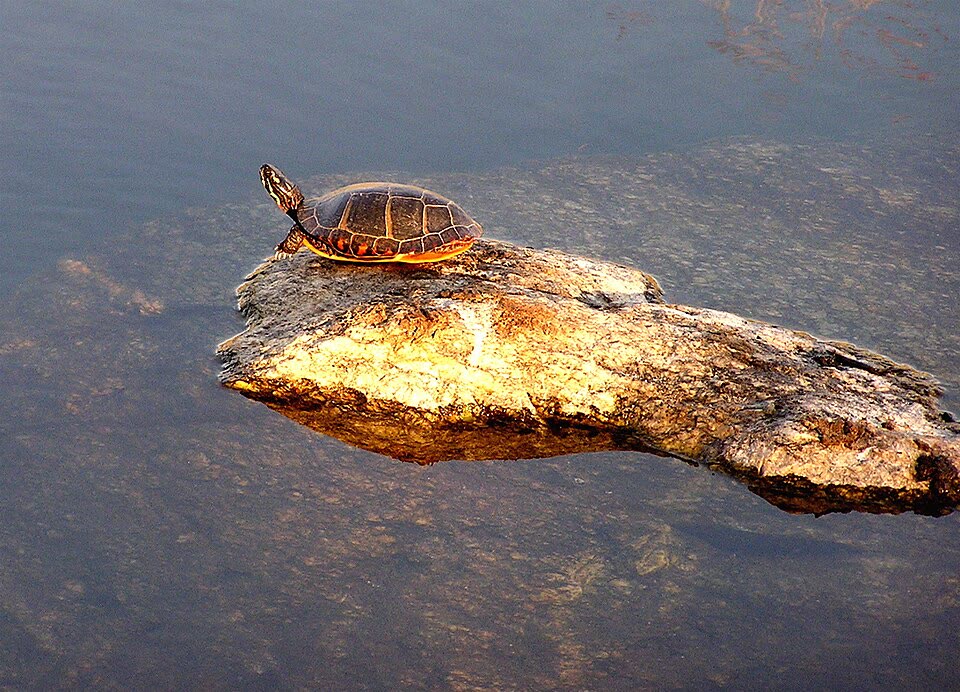
How turtle docks and basking platforms are sold in Australia
Australian keepers mostly encounter turtle docks through three types of buying platforms:
- Specialist and general pet retailers – bricks-and-mortar shops and their online stores.
- Consumer marketplaces – multi-seller sites where individuals and businesses list turtle gear.
- Wholesale/supplier platforms – routes used by small ecommerce businesses to source stock.
On the retail side, you’ll see familiar brands again and again. For example, Zoo Med’s floating Turtle Dock appears on sites like PetShopDirect, Seaview Aquarium, and Aquariums at Cranbourne. Exo Terra’s magnetic Turtle Bank and Reptile One’s Turtle Landing Dock (straight and corner styles) are stocked by retailers such as Seaview Aquarium and AquaticSupplies.
Published guides for Australian turtle owners usually break basking platforms into three practical categories:
- Floating in-tank docks – like the Zoo Med or Exo Terra units that self-level with the water.
- Above-tank platforms – custom or commercial structures that sit over the tank and open up swimming space.
- Natural-style rock or driftwood arrangements – stacked pieces arranged to give a dry ledge under the basking lamp.
Retailers tend to focus on the first and third types, while hobbyists turn to DIY or custom above-tank builds once turtles get big.
Retail, marketplaces, and wholesale: how each route works
From a buyer’s perspective, the main platform types feel quite different. Here’s how they typically play out for turtle docks.
Local and online retailers
Specialist aquarium and reptile shops in Australia usually buy directly from distributors, then resell to hobbyists at retail margins. You get:
- Known brands and materials – Zoo Med’s floating dock uses a textured, buoyant platform with a submerged ramp; Exo Terra’s Turtle Bank adds magnetic fixing points to hold the island against the glass.
- Size options targeted at common setups – small, medium, large docks sized for typical tank dimensions.
- Simple returns and in-person advice – staff can look at your turtle’s size and suggest a dock.
This route is ideal for:
- First-time owners who need a reliable, health-supporting basking area.
- Medium turtles that are still growing but not yet oversized for standard docks.
Consumer marketplaces (Amazon, eBay, AliExpress and similar)
Consumer marketplaces aggregate many independent sellers. For turtle docks you’ll see:
- Brand-name products sold by Australian or overseas shops.
- Unbranded or generic docks that copy floating or suction-cup designs.
Floating designs with ramps and self-levelling or magnetic features are common on these platforms, mimicking the commercial docks sold in local stores. You have more choice, but product quality and materials vary more widely, so you need to read listings closely and look for clear photos and dimensions.
Wholesale and supplier platforms
Once you’re buying in volume — for example, to stock an online turtle or aquarium shop — you’re likely to move beyond consumer marketplaces into:
- Local distributors and importers who carry Zoo Med, Exo Terra, Reptile One and similar brands.
- Global B2B platforms where manufacturers and trading companies sell docks in cartons.
Here you trade off higher minimum order quantities (MOQs) and longer lead times against lower per-unit cost and, sometimes, the option to specify colors or textures. This route suits small ecommerce sellers who want:
- Predictable stock of popular branded docks.
- Margin room compared with buying individual units at retail.
- Product differentiation, if they’re willing to develop a custom above-tank or floating design.
Quick comparison: platforms vs typical use case
This table summarizes how each buying route usually fits turtle dock sourcing in Australia:
| Platform type | Typical buyer | Dock types you’ll actually see | Best-fit use case |
|---|---|---|---|
| Local/online retailers | Individual turtle keepers | Branded floating docks (Zoo Med, Exo Terra), Reptile One landings, natural rocks | First or upgraded basking platform for a medium turtle |
| Consumer marketplaces | Hobbyists & micro-sellers | Mix of branded and generic floating/suction docks, some DIY kits | Extra options, budget experiments, non-standard sizes |
| Wholesale/supplier | Small ecommerce businesses | Branded docks via distributors; manufacturer-made generic or custom platforms | Building a product line and margins on repeated sales |
The “best” option depends less on the turtle itself and more on whether you’re buying one platform or building inventory.
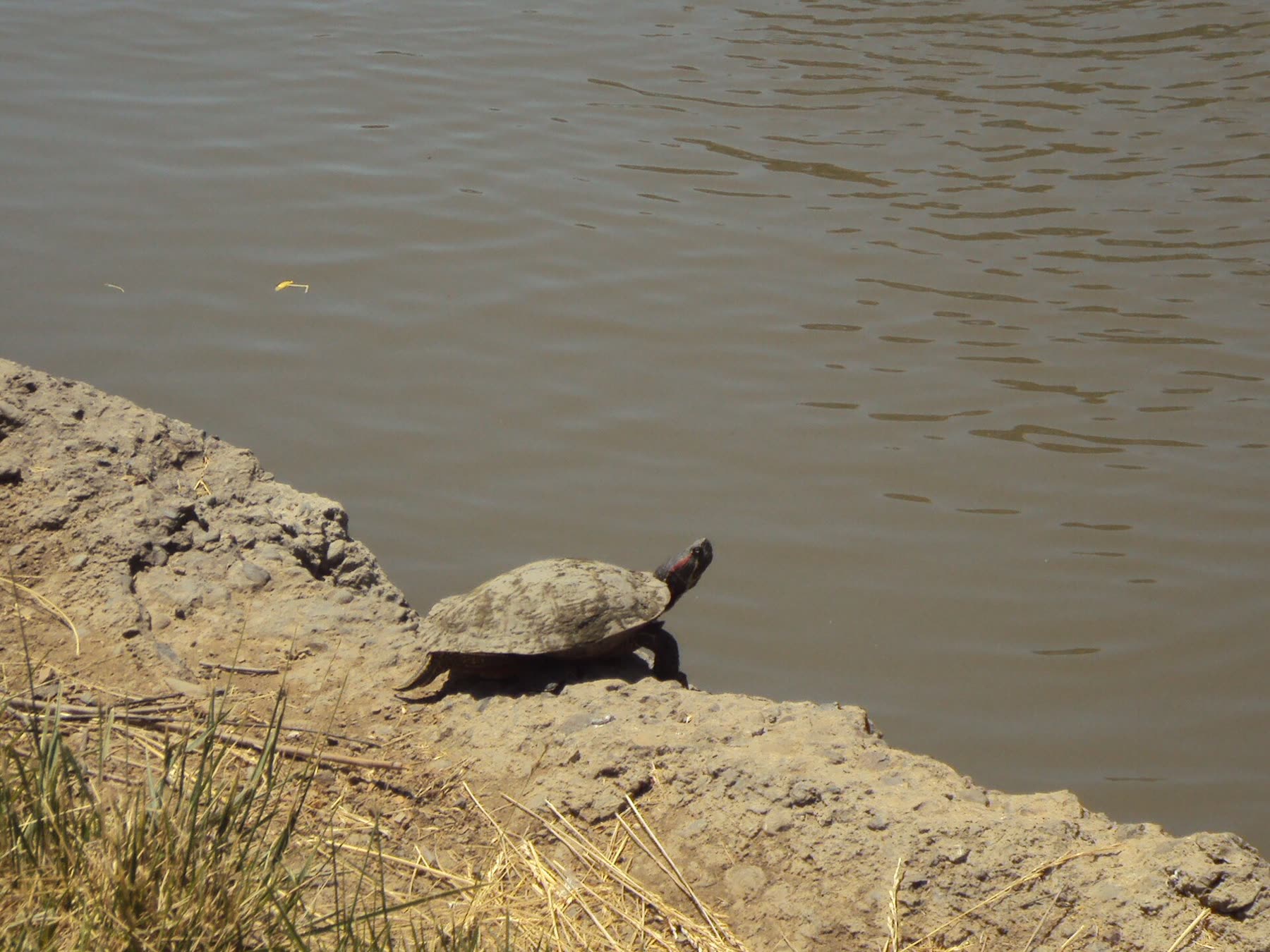
Matching routes to hobbyist and small ecommerce needs
For Australian hobbyists with a medium aquatic turtle, most guides recommend starting big and sturdy rather than upgrading small docks every few months. A medium or large Zoo Med or Exo Terra-style dock from a local retailer is a typical first move, because it’s designed to cope with growing turtles and maintain a stable basking area. As your turtle approaches adult size, many keepers feel that in-tank floating docks start to eat into swimming space or look cramped; that’s when DIY or above-tank platforms built from PVC, egg crate, or timber framing become attractive.
For small ecommerce sellers, the decision is more about margins and differentiation:
- Phase 1 – prove demand: Buy a handful of branded docks from Australian retailers or wholesalers and list them in your store. This tests whether your audience is comfortable with known brands and standard floating designs.
- Phase 2 – optimize sourcing: Once you see steady sales, talk to local distributors about wholesale terms, or approach manufacturers via B2B platforms to secure cartons of a few core SKUs.
- Phase 3 – differentiate: If your customers complain that standard docks are cramped or ugly, consider commissioning or DIY-designing an above-tank platform you can brand and market as a space-maximizing upgrade.
Cross-border marketplaces can slot into Phase 2 or 3 as long as you treat each listing as its own project. DHgate, for example, is one of several global marketplaces where turtle habitat equipment sometimes appears, but you have to check product descriptions, photos, and seller track record on every individual dock before using it for personal tanks or resale.
If you’re evaluating marketplaces or wholesale platforms more broadly — including DHgate, AliExpress or Alibaba — the safest approach is to first understand how each marketplace model works in general and where cross-border sourcing risk sits. Articles such as What DHgate is and how the marketplace works and Compare online marketplaces and shopping platforms can help you slot a turtle-dock listing into the right mental box before you decide to buy or stock it.