
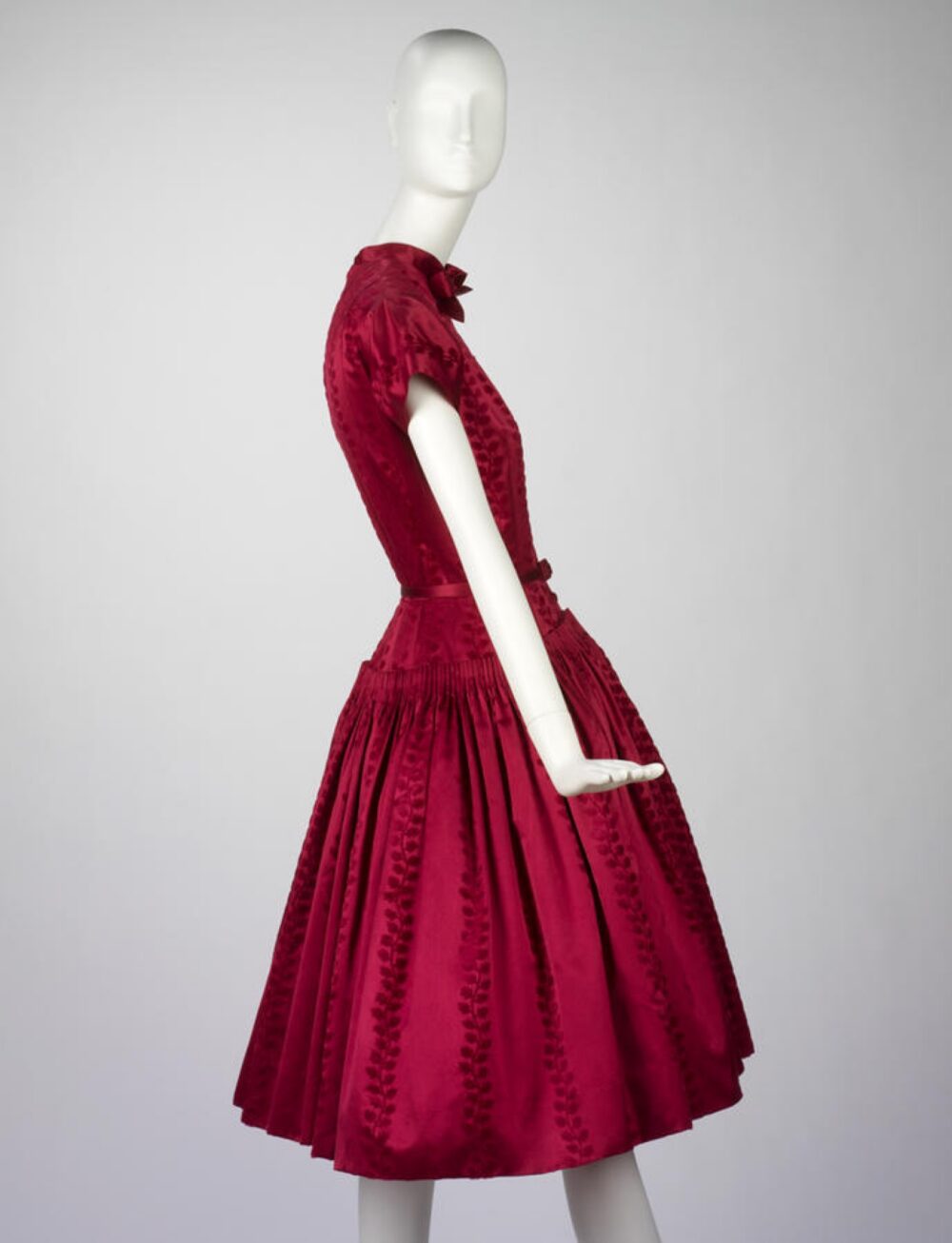
Velvet pleated dresses are widely available online, but they’re not concentrated on a single “go‑to” site. You’ll see them framed as a fall/winter trend on fashion blogs, listed as party and occasion dresses on mid‑market retailers like ASOS and Debenhams, and pushed in holiday‑party edits on fast‑fashion marketplaces like Shein. For a US shopper who just wants one great dress, multi‑brand retailers and mainstream marketplaces usually make the most sense. For a small ecommerce seller trying to stock a velvet pleated capsule, wholesale and cross‑border platforms open up more margin but add complexity.
How Velvet Pleated Dress Fashion Shows Up Across Online Platforms
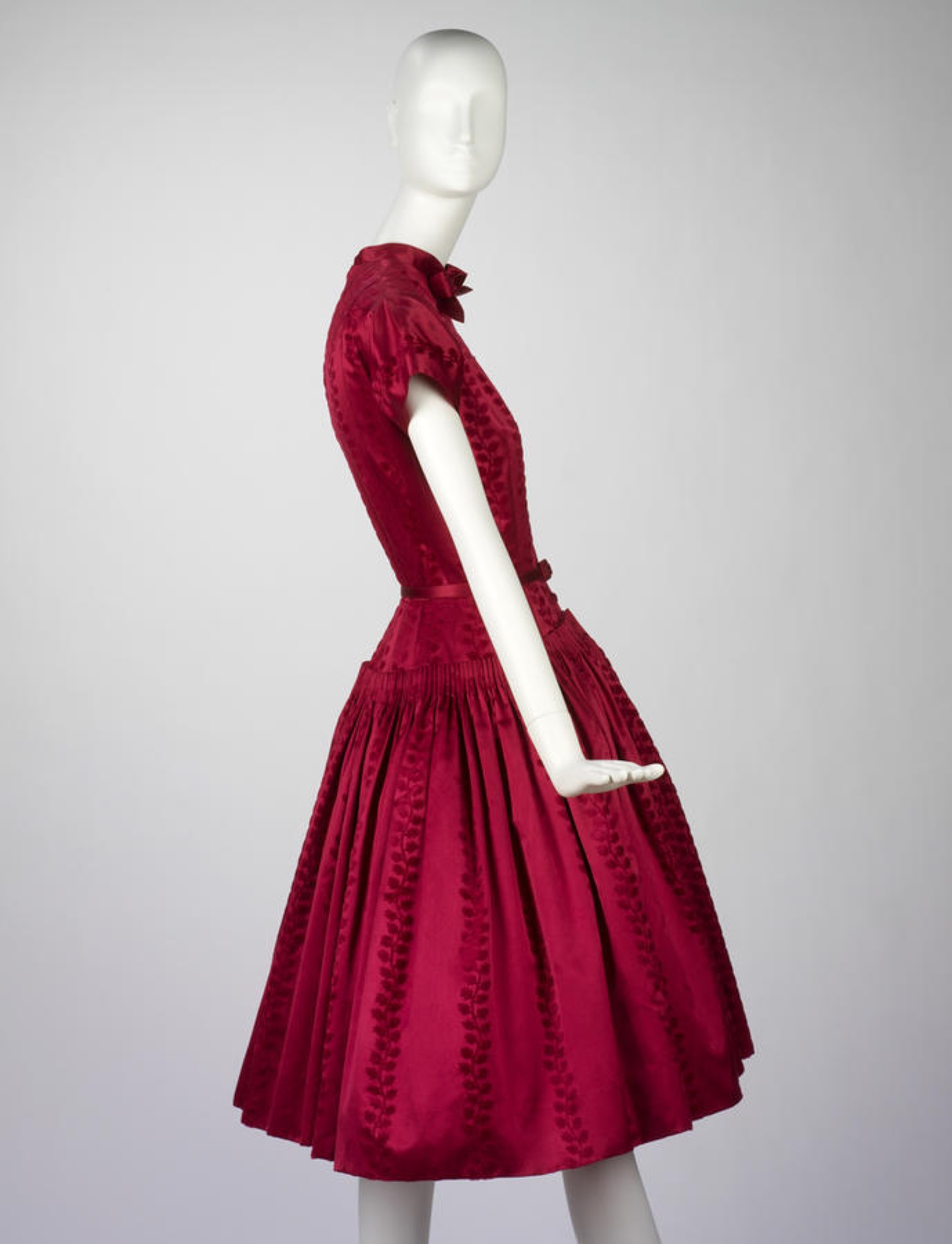
Velvet pleated dresses combine two things that spike in fall and winter: plush velvet and movement-heavy pleats. Trend coverage for 2026 capsule wardrobes and velvet roundups describes these dresses as a standout cold‑season style, positioned for cocktail parties, office events, and winter weddings, rather than everyday basics.
Mid‑market retailers in the US/UK often treat them as special-occasion pieces. ASOS, for instance, lists velvet pleated maxi and midi dresses under its ASOS DESIGN line, with twist‑back or empire‑waist cuts and pleated skirts in black, forest green, and gold tones.descriptive ASOS example Debenhams carries velvet pleated pencil and midi dresses in its Love Lace and Coast ranges, mixing long sleeves with pleated detailing for office‑to‑evening use.Debenhams velvet pleated midi
On fast‑fashion marketplaces, the same silhouette skews more overtly “party”. Shein’s listings for velvet pleated evening dresses highlight bodycon cuts, thigh‑high slits, and rich jewel tones, and its 2026 holiday‑party style guide calls out velvet among key fabrics for night‑out looks.Shein velvet pleated evening dress That split—mid‑market occasionwear vs. fast‑fashion party—explains why you may see similar-looking dresses but very different price anchors and styling.
Marketplace-style fashion sites like Stylewe show yet another angle. Their pleats category is full of multi‑brand pleated midi and maxi dresses in knits, woven fabrics, and mixed media, with silhouettes that parallel velvet pleated dresses (flowing skirts, defined waists, dressy but wearable).Stylewe pleats dresses Here, velvet is just one possible fabrication within a broader pleated trend.
Retailers, Marketplaces, and Wholesale Platforms: How Each Works for Velvet Pleated Dresses
From the outside, all of these sites just look like “places to buy a dress.” Underneath, the systems are quite different—and that affects how good they are for one‑time buyers versus small sellers.
Fashion retailers and department stores
Retailers like Nordstrom, Debenhams, and brand-led sites (Karen Millen, Reformation, Lulus) buy or design their own assortments and price each style individually. A velvet pleated dress may be one of many formal or cocktail options alongside satin, sequins, and crepe. Nordstrom, for example, carries a range of velvet dresses across brands and price points, slotting pleated styles among its broader holiday and wedding‑guest offering.Nordstrom velvet dresses
For you, this means:
- You buy per piece: no minimum order quantity (MOQ) beyond one dress.
- Sizing, imagery, and styling are relatively consistent within each brand.
- Assortment depth in niche styles like velvet pleated is moderate—enough to find something, but not dozens of tiny variations.
Retailers work best for: personal purchases, bridal party coordination, or a small boutique topping up inventory with a few premium pieces to test demand.
Consumer marketplaces and fast fashion
Consumer marketplaces aggregate huge numbers of listings. Shein is the clearest example for velvet pleated dresses: many SKUs, heavy trend marketing (holiday party, date night), and rapid rotation across seasons.Shein holiday party styles
Mechanically:
- Sellers (or the marketplace’s own private label operations) upload products, descriptions, photos, and sizes.
- Price points skew lower, and you’ll see more color, cut, and length variations in velvet pleated styles.
- Quality, fit, and fabric feel can vary much more between listings than on a curated retailer.
For individual US buyers, consumer marketplaces maximize choice and price competition. For tiny ecommerce businesses, they can double as inspiration for silhouettes and pricing, but they’re not a wholesale source—you’re usually buying at consumer-level pricing.
Wholesale and supplier platforms
Wholesale and supplier platforms match buyers directly with manufacturers or distributors. Many focus on categories like dresses broadly (pleated, satin, velvet) rather than only velvet pleated.
Key differences vs. retail/consumer marketplaces:
- Orders are usually placed in batches: a pack of sizes or a minimum run per style.
- Assortment depth for a given silhouette is often higher—multiple factories offering similar velvet pleated cuts.
- You need to think about lead times, restock cycles, and communication with suppliers.
This route suits small US brands that want to build their own label around velvet pleated dresses, or boutiques aiming to hit specific margin targets by buying closer to the source.
Comparing Platforms for US Shoppers and Small Sellers
The best platform for velvet pleated dress fashion depends on what you’re trying to do. The table below sketches realistic trade‑offs rather than declaring a universal “best.”
| Platform type | Typical role for velvet pleated dresses | Quantity fit (US context) | Assortment & trend depth |
|---|---|---|---|
| Fashion retailers | Occasionwear and holiday dresses; curated velvet pleated styles | Ideal for 1-3 pieces per customer | Moderate; trend-aware but edited |
| Consumer marketplaces | Party and evening velvet pleated dresses, fast-fashion variants | Good for single buys, not bulk | High; many listings, variable quality and styling |
| Wholesale/supplier | Broader dress sourcing (velvet, pleated, satin, etc.) for resale | Best for micro-batches and scaling | High; multiple suppliers per silhouette |
A few concrete scenarios help clarify:
- Single dress for a US event: You want a velvet pleated midi for a winter wedding. Retailers like ASOS or Nordstrom give you detailed product pages, styling photos, and a focused set of options that match the dress code. Shein or similar marketplaces broaden your choices and price range, but you need to pay closer attention to each listing’s fabric description and customer photos.
- Micro-batch stock for an online boutique: You plan to list 10-30 velvet pleated dresses for the holiday season. Buying retail and reselling usually kills your margin. Wholesale and cross‑border supplier platforms let you order by style and size pack instead, then price for profit.
- Building a broader dress range where velvet pleated is one capsule: Here, platforms like Stylewe’s pleats-driven multi‑brand model or premium retailers that carry both velvet and pleats (Mytheresa’s designer pleated velvet pieces, for instance) can act as design and positioning references while you source production elsewhere.Mytheresa pleated velvet example
Cross‑border marketplaces enter this picture on the sourcing side. DHgate’s blog, for example, describes the site as a popular marketplace for pleated satin dresses, underscoring that it functions as a dress-sourcing channel rather than a single brand store.DHgate satin pleated dresses article That makes DHgate one of several options (alongside other global marketplaces) for small sellers looking to buy dress inventory, including styles adjacent to velvet pleated silhouettes.
If you explore cross‑border sourcing, treat each listing and supplier as its own decision: check fabric type (true velvet vs. velour or polyester blends), available sizes, color runs, and communication responsiveness before you commit to a batch. Then compare that route with domestic wholesale or working directly with US showrooms to see which mix of cost, risk, and lead time fits your business.
For background on how marketplaces like DHgate operate generally, you can read this explainer on what DHgate is and how the marketplace works, and, if you’re weighing multiple global platforms, this comparison of online marketplaces and shopping platforms plus a focused look at DHgate vs. AliExpress, Alibaba and Temu. Those overviews will help you plug velvet pleated dress sourcing into a broader platform strategy rather than treating it as a one‑off hunt.