
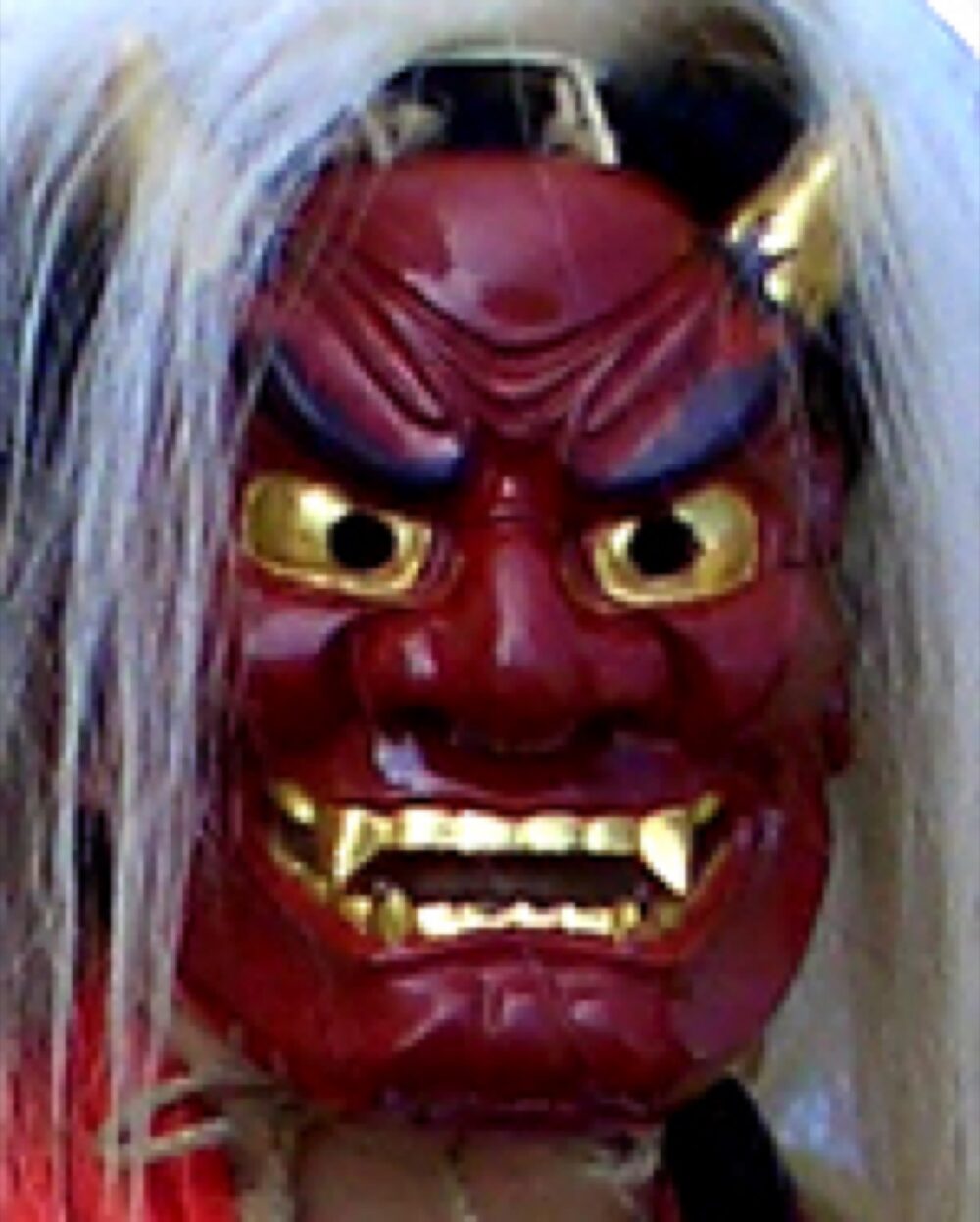
You can absolutely buy Japanese masks online—Hannya demon faces, samurai-style armour masks, and oni designs are all easy to find—but the right platform depends on what you actually want. If you’re after an artisan wood Noh mask, a cheap plastic oni for Halloween, or bulk stock for a small shop, you’ll be dealing with very different sellers and price levels. Mainstream marketplaces like Amazon and Etsy are packed with Japanese-style masks, while specialist Japanese shops and cross-border wholesale platforms target more specific needs.
How Japanese Masks Are Sold Online: Market Snapshot
Traditional Japanese masks come from theatre, festivals and folklore—Noh drama, kagura dances and oni demon stories, among others. Modern online listings echo these archetypes, often using names like “Hannya,” “oni,” or “samurai” even when the mask is a mass-produced cosplay piece rather than a cultural artifact. Guides from specialist retailers and cultural sites break down how these masks represent spirits, demons and characters in performance.
Specialist Japanese retailers such as Japan Zone’s mask collection focus on traditional forms: Noh masks, kagura and festival masks, miniature masks for decor. Their product copy usually leans into history and symbolism, and some stores publish blog posts explaining mask types and meanings in detail, as seen in cultural guides from shops like Kamenya Omote.
By contrast, mainstream marketplaces list huge numbers of Japanese-style masks under broad search terms. A generic search for “Japanese mask” on large consumer platforms returns many pages of results, from resin wall art to rubber oni masks and lightweight Hannya half-masks for festivals or cosplay. You’ll also find indie makers on Etsy and similar sites selling hand-painted oni or Hannya masks that sit somewhere between costume and craft.
Demand isn’t just from theatre fans. Oni and Hannya designs are popular in tattooing and fashion, which feeds constant interest in demon-style masks for decor, streetwear photoshoots and conventions, as discussed in trend overviews on Japanese cultural and tattoo sites like JapAdventure’s mask guide.
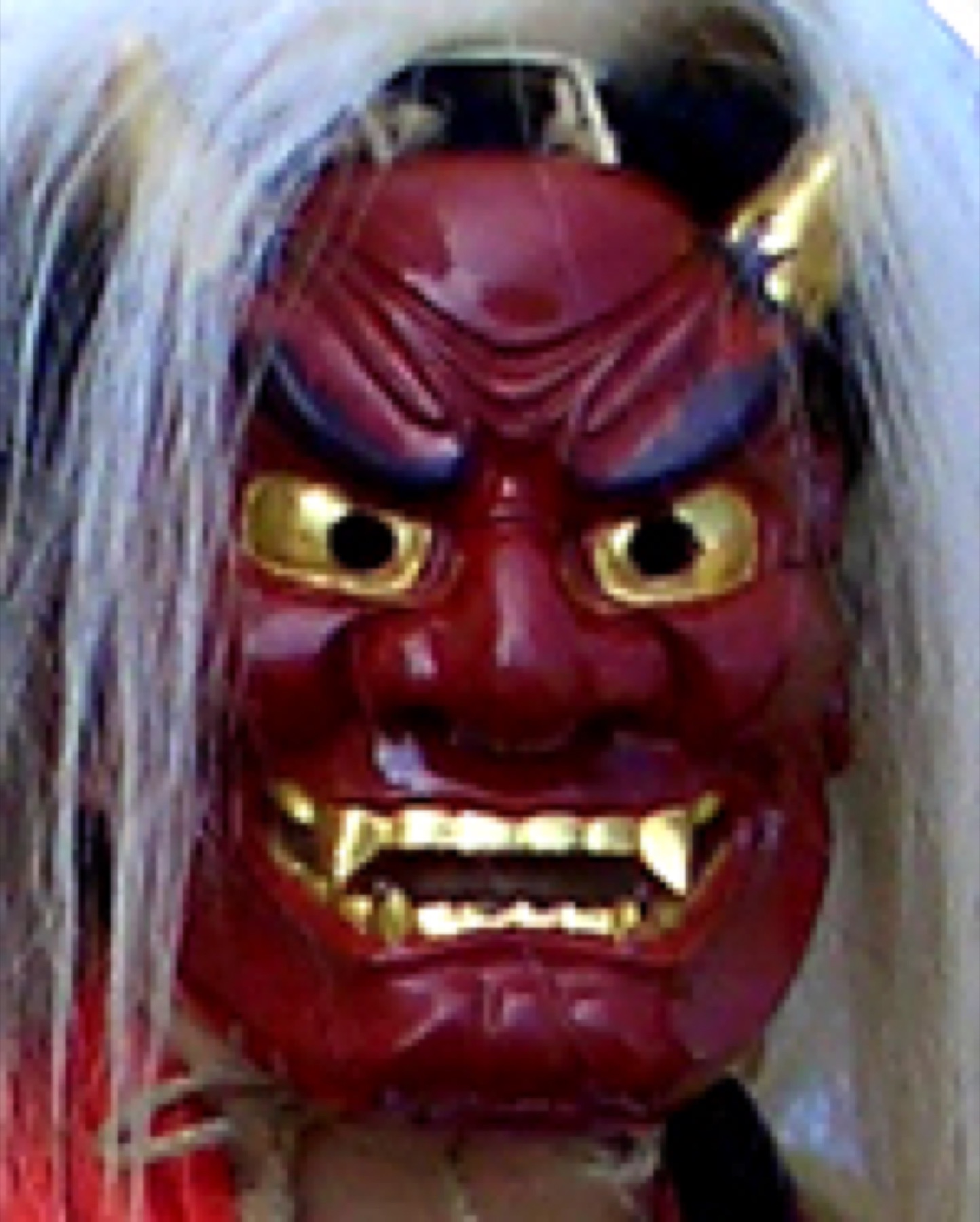
Platform Types for Japanese Masks and How They Work
Online masks broadly fall into four platform types. Understanding these helps you pick the right route for your use case.
1. Mainstream retail marketplaces (Amazon, Etsy, etc.)
Retail marketplaces aggregate many independent sellers under one search box. On Amazon you’ll mostly see mass-produced masks: plastic or resin oni and Hannya, samurai-style half masks, LED or glow variants, and wall plaques. Etsy mixes that with hand-crafted pieces from individual artists, including wood, leather, or mixed-media masks that interpret Japanese folklore.
Listings here are usually single products with clear photos and short descriptions. You buy per piece, pay a retail price, and don’t have to negotiate or think about minimum order quantities. This model works well for personal cosplay, decor, and testing a style before you commit to larger orders.
2. Specialist Japanese mask shops
Dedicated Japanese shops and cultural retailers operate their own ecommerce sites with curated selections. Stores like Japan Zone’s mask shop or other Japan-focused boutiques tend to emphasize authenticity of style: Noh and kagura masks, oni and Hannya festival masks, and mini masks for collectors.
Their content often includes background articles on mask types and symbolism, similar to the detailed breakdowns published by mask-focused shops such as Kamenya Omote. The buying flow is straightforward retail, but the value is in selection and context—you’re more likely to understand what character or spirit your mask represents.
3. Indie artist platforms and small brands
Indie brands selling Japanese-style masks typically use their own sites or creator marketplaces. For example, Japanese and Japan-inspired fashion shops like Japan Avenue and Japan-Clothing host collections of oni, Hannya and kabuki-style masks among clothing and accessories, while artist-run stores highlight unique designs and higher-end materials.
Here you’re often paying for originality and craft. That can be a better fit if you want a distinctive Hannya or oni interpretation for photography or brand identity, or if you care more about the maker than strict traditional theatre accuracy.
4. Cross-border and wholesale-style marketplaces
Cross-border marketplaces such as Alibaba and AliExpress—and, in the same broad category, DHgate—connect buyers to many manufacturers and trading companies rather than acting as a classic retailer. Sellers list Japanese-style masks in bulk or at very low per-unit prices designed for resale: multi-packs of plastic oni masks, lightweight samurai-themed half masks, and other festival/cosplay pieces.
These platforms behave more like sourcing directories than stores. You choose a listing and seller, ask about customization and quantities, and treat each transaction as its own relationship. They’re useful if you want to stock a small online shop with inexpensive Japanese-style masks, but they require more diligence: checking photos closely, reading product descriptions, and comparing multiple suppliers before placing larger orders.
Comparing Platform Routes for Japanese Masks
The table below summarizes how these platform types usually match common buyer needs for Hannya, samurai and oni masks:
| Platform type | Typical mask quality / style | Order size fit | Best for |
|---|---|---|---|
| Mainstream retail marketplaces | Mixed; lots of mass-produced cosplay & decor | Single pieces, small multi-packs | Personal cosplay, quick decor purchases |
| Specialist Japanese mask shops | Traditional-style, culturally grounded designs | Single pieces, small collections | Collectors, gifts, themed interiors |
| Indie artist / fashion platforms | Original takes on oni/Hannya, designer aesthetics | Single pieces | Brand visuals, distinctive looks |
| Cross-border sourcing marketplaces | Bulk Japanese-style masks, often simple materials | Dozens to hundreds of units | Small resellers testing low-cost stock |
For US buyers, the practical difference is how much you control stock characteristics and what compromises you make on authenticity vs price. Retail marketplaces and indie shops prioritize convenience and unique visuals. Specialist stores prioritize tradition and context. Cross-border marketplaces prioritize volume and cost.
DHgate fits into that last bucket: a cross-border sourcing marketplace where you can find Japanese-style mask listings among other cosplay and decor products, but you need to evaluate individual sellers and items yourself instead of assuming a shared standard. If your goal is bulk resale of inexpensive oni or samurai-style masks, it can be one of several platforms to compare alongside others; if you want a hand-carved Hannya for display, a specialist Japanese mask shop will generally be more aligned with that goal.
For deeper background on how marketplaces like Amazon, AliExpress, Alibaba and DHgate differ structurally, you can look at platform-focused overviews such as our explainer on online marketplaces and shopping platforms or comparisons like DHgate vs AliExpress, Alibaba and Temu.
Choosing the Right Platform for Your Mask Use Case
Personal cosplay or room decor
If you just need one or two masks for a convention, Halloween, or wall decor, mainstream retail marketplaces and indie artist platforms are usually enough. Search for “oni mask” or “Hannya mask” and you’ll see options spanning soft wearable masks, rigid full-face demons, and stylized wall art. Etsy adds the option of artist-made masks with more personality, which can help your costume stand out.
Specialist Japanese shops are worth the extra browsing if you care about traditional aesthetics and clear explanations of what the mask symbolizes. Their product photos and descriptions tend to be more reliable in showing shape and expression inspired by classical theatre and festival masks.
Artisan collectors and cultural gifts
For collectors or people buying a culturally grounded gift, dedicated Japanese mask stores and cultural boutiques online are the better starting point. Read through their guides—like the explanatory blog content from Kamenya Omote—to understand how Noh, oni and Hannya faces differ, then match that to their catalog.
You can supplement this with background reading on Noh theatre from sources such as Wikipedia’s overview of Noh to set expectations about expression and materials. That way you’re choosing a mask that reflects the character you actually intend, not just a generic “Japanese demon” label.
Small ecommerce resellers testing Japanese-style masks
If you run a small online shop and want to add Japanese-style masks to your catalog, start by clarifying what you’re promising customers:
- Traditional aesthetic, low volume: Buy from specialist mask shops or Japan-focused fashion retailers and resell in limited quantities. This keeps quality and design closer to traditional motifs, but margins will be tighter.
- Costume/festival stock, higher volume: Explore cross-border marketplaces (including DHgate, AliExpress, and Alibaba) for bulk lots of oni and samurai-style masks. Compare multiple suppliers’ photos, materials, and style descriptions to avoid ending up with generic or off-model designs.
For early testing, many small sellers order a handful of distinct masks from retail marketplaces or indie brands first, photograph them, and gauge demand. If customers respond to a particular Hannya or oni look, that’s the signal to seek a comparable style from a bulk supplier.
If you need more background on how DHgate itself operates as a marketplace before deciding if it belongs in your sourcing mix, you can read What DHgate is and how the marketplace works. Use that alongside your own comparison of Japanese mask listings across platforms to decide which route matches your audience and risk tolerance.