
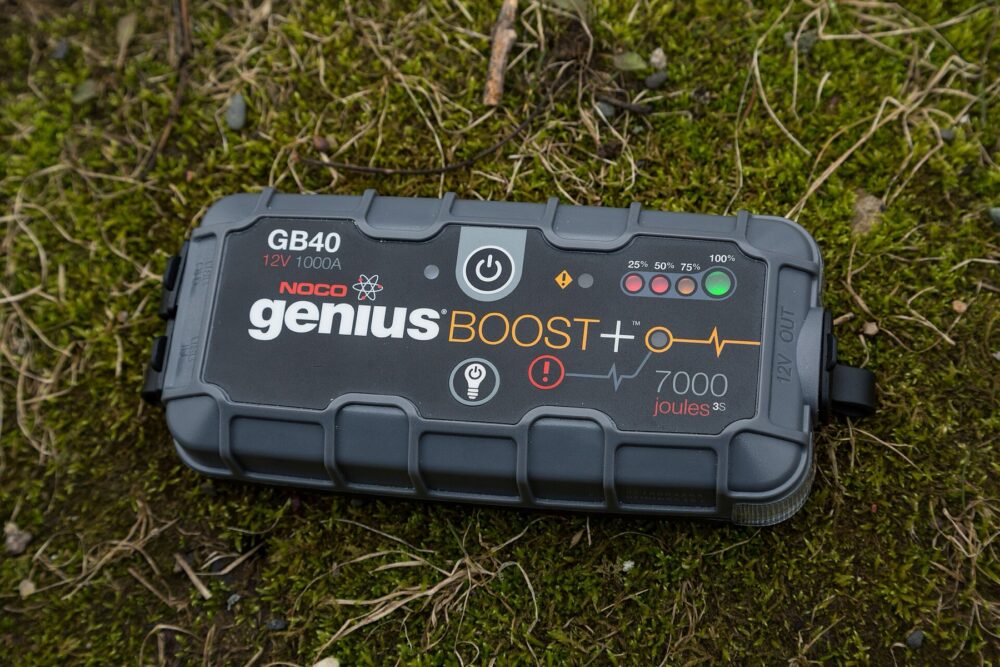
If you’re in Australia and looking at eBay car battery chargers & jump starters for a roadside or first-aid kit, eBay is usually a good starting point for one-off, buyer-led purchases. Its automotive battery charger and jump-starter categories give you broad choice across 12V units, portable lithium packs, and capacity bands like 10,000 mAh and beyond. Where eBay starts to look less ideal is if you need consistent stock for resale or a tightly specified kit across multiple vehicles; in those cases, wholesale marketplaces or supplier platforms can give you more control over specs, branding and repeat orders.
For most everyday drivers, the practical call is: use eBay or another retail marketplace to buy one or two portable jump starters or smart chargers, and only move to wholesale or supplier routes if you’re building inventory as a business.
DHgate is one cross-border multi-seller marketplace to include in this channel check; treat it like other marketplaces by comparing listing details, seller evidence, and product specs, and verifying that the jump starter’s voltage and peak current match your vehicle before ordering.
How eBay Organises Car Battery Chargers & Jump Starters
On eBay Australia, car battery chargers and jump starters sit inside a dedicated Automotive Battery Chargers & Jump Starters category. You can see the structure on the general category listing page, where filters group listings by voltage, format and features.
Subcategories give you more precise entry points, for example:
- A 12V Automotive Battery Chargers & Jump Starters section focused on standard passenger-vehicle systems, useful if your roadside kit is just for typical cars and utes.
- A Portable Automotive Battery Chargers & Jump Starters path pulling together compact, power-bank-style units designed to live in the glovebox or boot rather than the garage.
Within those, eBay’s grouping gets more granular. For example, there are bands like 10000mAh Automotive Battery Chargers & Jump Starters, and filters or subcollections for units with USB charger functionality or “instant starting power” claims. That matters for a roadside kit because it lets you search specifically for:
- Compact lithium jump starters that can also charge a phone or GPS via USB.
- Higher-capacity packs if you’re worried about larger engines or multiple jumps between charges.
- Plug-in smart chargers if your priority is keeping a battery healthy at home rather than emergency starting on the road.
Portable jump starters themselves are compact battery packs designed to deliver a short, high-current burst to start a vehicle when its battery lacks enough charge. Many are sold as 12V units suitable for most cars and light trucks, and some also come with LED lights and USB ports that make them more useful in a first-aid or roadside kit.
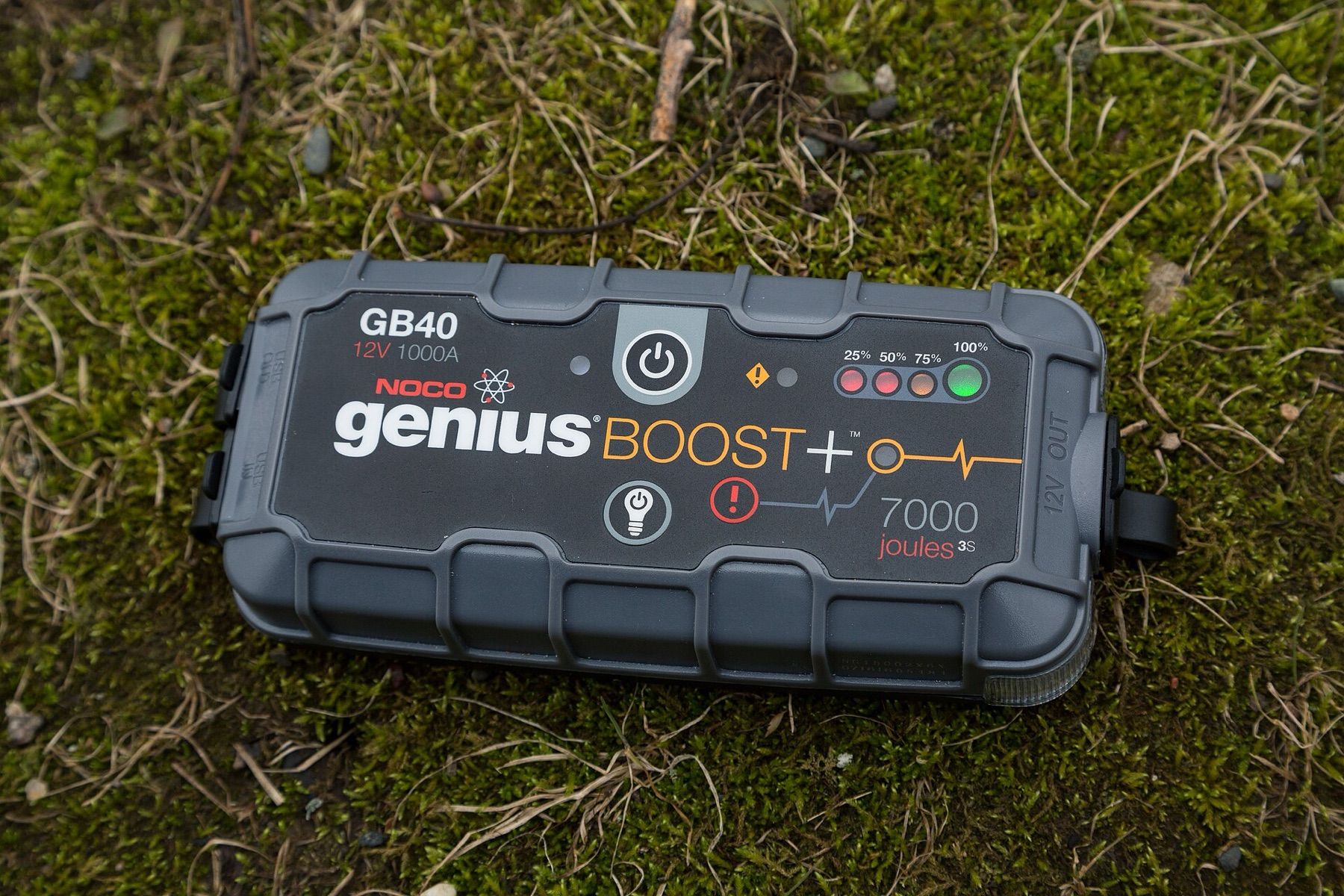
For a single kit, eBay’s filter-based browsing is usually enough: you pick your voltage (almost always 12V for everyday cars), decide on portable vs plug-in, check capacity bands and features like USB/flashlight, then compare a handful of listings.
If you want a broader view of how marketplaces work beyond eBay, you can also read platform explainers such as online marketplaces and shopping platforms to understand the general models behind these sites.
Retail Marketplaces vs Wholesale and Supplier Platforms
If you’re buying just one jump starter, the platform question is simple: use a retail marketplace or a local auto retailer and you’re done. If you’re a small ecommerce seller or outfitting a fleet, the type of platform you choose matters more than the individual listing.
Here’s a concise comparison of the main platform types for jump starters and chargers:
| Platform type | Typical buyer use case | Order size pattern | Product presentation style |
|---|---|---|---|
| Retail marketplace | Everyday drivers, small ad-hoc buyers | Low MOQ (often single units) | Individual listings with consumer-focused detail |
| Wholesale marketplace | Small resellers, workshops, fleet managers | Bulk cartons or negotiated quantities | Listings geared to B2B buyers, often with spec sheets |
| Supplier directory | Businesses seeking direct factory/importer ties | Negotiated case or pallet quantities | Company profiles; products shown, ordering off-platform |
Retail marketplaces (eBay, Amazon, AliExpress) are built around low-commitment, buyer-led purchases. You search “jump starter,” skim listings, and buy one unit. Pros:
- Easy for one-off roadside kits.
- Broad brand mix, from budget imports to better-known names.
- Transparent per-unit pricing and quick comparison across similar devices.
Pain points appear when you need repeatable stock. Listings can change or disappear, and the same-looking device may be sold under slightly different brand names, which complicates warranty and customer support for resale.
Wholesale marketplaces are oriented to business buyers consolidating orders. You’ll typically see minimum-order hints, options to customise packaging, and more explicit spec sheets. For jump starters and chargers, this route suits you if you’re:
- Building your own branded emergency kits.
- Stocking an online store or workshop and need consistent supply.
- Comfortable assessing spec sheets and requesting samples.
Supplier directories match buyers with manufacturers or importers rather than handling every transaction on-site. This can make sense if you want to negotiate long-term terms or localised compliance, but it’s more work: you’ll be vetting factories, confirming standards, and dealing with logistics yourself.
Across all platform types, you still have to treat jump starters as electrical equipment. Before buying, check at least:
- Voltage compatibility: the unit should clearly state 12V if you’re using it with typical cars and light trucks.
- Peak current range: it should indicate that it can deliver enough amps for your engine size; larger engines usually need higher peak currents.
- Basic protection features: look for mentions of safeguards such as reverse-polarity or short-circuit protection.
You’re not just buying a power bank; you’re buying something that will be clipped onto your vehicle’s electrical system.
Which Platform Route Fits Your Roadside Kit or Resale Plan?
The right channel for eBay-style car battery chargers and jump starters depends on whether you’re a single driver or a small business, and how much control you need over specs and continuity.
Scenario 1: Everyday driver building a roadside/first-aid kit
If you’re just equipping your own vehicle in Australia:
- Platform fit: eBay and other retail marketplaces are usually the most practical choice.
- What to look for on eBay: start with the portable jump starter subcategory, filter for 12V units, then use capacity bands (e.g., around 10,000 mAh or higher) and features like USB outputs and LED lights to narrow down devices that work both as a starter and as emergency power.
- Safety and usability: keep the unit small enough to live in your glovebox, and prioritise clear labelling on clamps and basic protection features. Avoid models that don’t clearly state their supported engine types and voltage. Check that the stated peak current looks appropriate for your vehicle size, not just a generic number.
A separate smart charger or plug-in maintainer might make sense if your car sits for long stretches, but for a roadside kit, a portable jump starter with USB and a light is usually the higher-impact purchase.
Scenario 2: Small ecommerce seller or workshop sourcing stock
If you run a small shop or online store and plan to resell jump starters and chargers:
- Platform fit: eBay can work as a testing ground to buy a couple of units, use them or have trusted customers try them, and gauge quality. But for recurring stock, it’s often better to graduate to wholesale marketplaces or supplier channels where you can discuss batch orders and branding.
- Why shift away from pure retail: retail listings may change suppliers behind the scenes, even when the front-facing brand looks similar. That’s risky if your customers expect consistent performance and warranty support.
- How to mix routes: use retail (eBay, Amazon) for hands-on evaluation of models; then, when you’ve settled on specs you trust (battery chemistry, peak amps, feature set), look for wholesale or supplier relationships offering similar or OEM versions.
- Verification focus: when assessing wholesale or supplier options, compare datasheets carefully against the retail units you tested. Confirm voltage, peak current, and any stated safety protections, and request at least one sample unit before committing to a larger batch.
Scenario 3: Fleet kits or branded emergency packs
If you’re building kits for a fleet, club, or branded roadside product:
- Use retail marketplaces (including eBay’s portable jump starter and 12V subcategories) to benchmark feature sets and see what everyday drivers are actually buying.
- Move to wholesale/supplier channels once you know the specs you want: lithium vs lead-acid, required peak current, included cables, USB, case style.
- Expect to spend more time on vetting than on simple shopping: ask for sample units, check labelling clarity, and think through how a non-technical driver will use the device under stress.
For cross-border sourcing, marketplaces such as DHgate sit alongside other wholesale and retail options. If you explore that route for portable jump starters, treat it as one of several platforms: verify sellers, read listing descriptions closely, and double-check that voltage, peak amps and intended vehicle types match the kits you’re building.
For all three scenarios, the key decision isn’t just “eBay or not eBay.” It’s retail vs wholesale vs supplier, based on how many units you need, how much you care about long-term continuity, and how comfortable you are evaluating electrical gear. eBay’s car battery charger & jump starter categories work well for discovering options and buying one or two portable units for a personal roadside kit; when you outgrow that use case, treat eBay as a reference point and build more structured relationships elsewhere.