
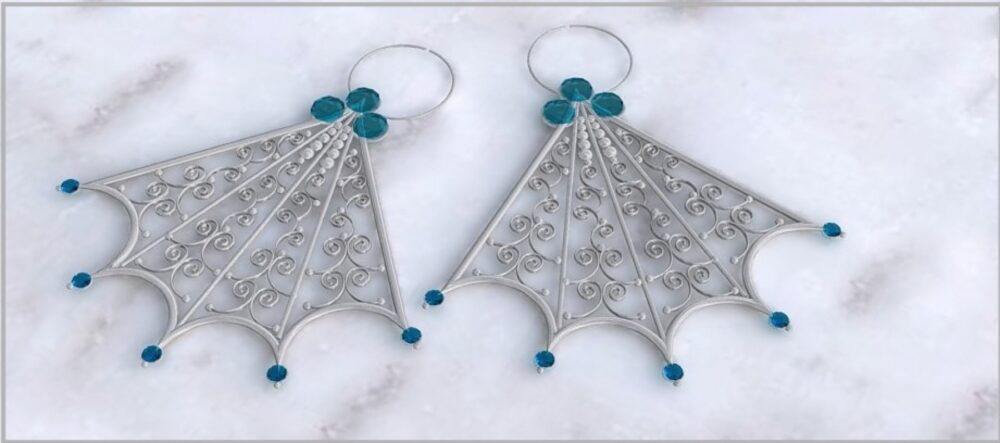
eBay is one of the broadest marketplaces for vintage and diamond earrings, especially if you’re hunting for estate pieces or older designs. Its strength is volume and variety: you’ll find pre-owned diamond studs, Art Deco drops, leverback earrings, pearl-and-diamond combinations, and platinum settings in both fixed-price and auction formats. The trade-off is that eBay is a retail-style marketplace for individual items, not a curated fine-jewelry shop or a wholesale source, so you have to actively judge authenticity, condition, and seller competence on each listing.
As a US buyer or small reseller, eBay makes sense if you value unique pieces and are willing to do the homework on hallmarks, grading language, and wear. If you need repeatable stock for an ecommerce store, or you’d rather focus on vintage-style fashion earrings than true estate diamonds, a different platform model often fits better.
How eBay Functions as a Marketplace for Vintage and Diamond Earrings
On eBay, vintage and diamond earrings sit inside dedicated fine-jewelry categories. The marketplace has specific filters for vintage diamond earrings and antique diamond earrings, along with subcategories for styles and metals. That structure matters because it lets you narrow down by era, metal type, and design rather than wading through all earrings.
A typical search will surface:
- Estate and pre-owned diamond studs in white and yellow gold
- Art Deco-inspired diamond drops, often with geometric or stepped designs
- Diamond leverback earrings where the secure clasp is part of the style
- Pearl-and-diamond earrings and platinum settings aimed at fine-jewelry buyers
Many listings are explicitly described as estate or vintage diamond earrings, meaning they’re pre-owned pieces from earlier decades valued for craftsmanship and historical character rather than just stone weight. A sample listing for vintage diamond earrings on eBay highlights this angle: the description emphasizes age, design era, and overall look, not just the 4Cs of the diamonds.
Because eBay is an open marketplace, sellers range from individual estate liquidators to professional jewelers. Photos and descriptions differ widely. Expect to see age markers that are normal for vintage jewelry: patina on metal, minor abrasions on stones, and visible hallmarks for maker, metal content, or era where present.
Retail, Wholesale, and Supplier Platforms for Vintage Earrings
eBay represents one platform model: a retail-style, listing-driven marketplace for single items. That model is powerful for discovery, but it’s not the only route for vintage or vintage-style earrings.
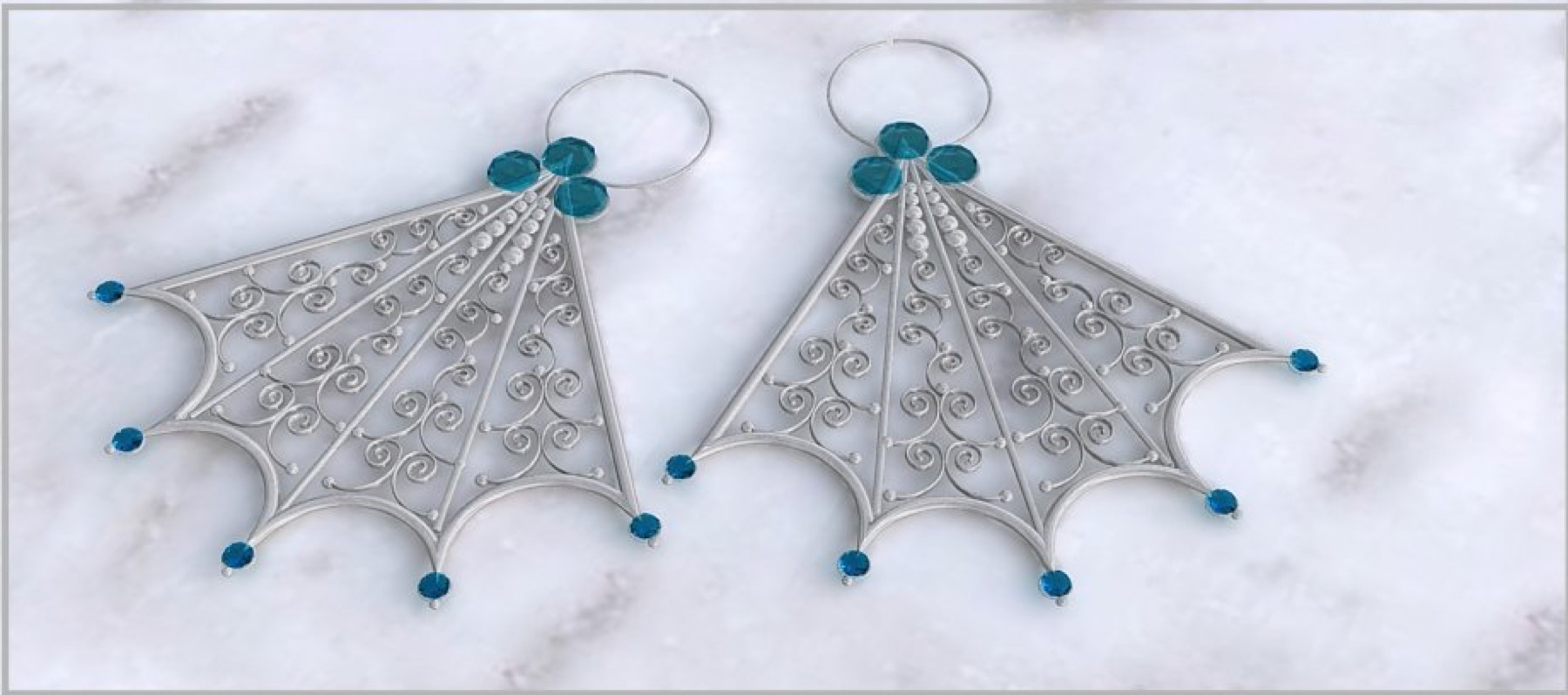
Here’s how the main platform types compare for vintage and diamond earrings:
| Platform model | Typical use for vintage/diamond earrings | Inventory nature | Buyer implications (editorial) |
|---|---|---|---|
| Retail marketplace (eBay) | Unique vintage/estate pieces, mixed with modern fine jewelry | Mostly one-off, pre-owned items | Great for collectors; each listing requires close scrutiny |
| Curated vintage sites | Higher-end antique/vintage jewelry (e.g., specific eras, designers) | One-off, professionally vetted | Higher prices; stronger curation and descriptions |
| Wholesale/supplier sites | Vintage-style or fashion earrings, often diamond simulants | Repeatable SKUs, usually new | Better for resellers; not suited to unique estate diamonds |
As vintage jewelry guides point out, older pieces often show natural age: patina, light scratches, and hallmarks indicating maker and metal. These marks are part of the story, but damage such as fractured stones or heavily corroded components can reduce value. On a retail marketplace like eBay, you need to read listings with that in mind and decide whether the specific wear you see matches the price and your tolerance.
Supplier-style platforms are structurally different. Instead of one-off estate earrings, they emphasize new production that mimics older aesthetics—Art Deco shapes, Victorian filigree, or retro clip-ons—often using lab-grown stones, cubic zirconia, or lower-cost metals. Minimum order quantities (MOQs), if any, are set per seller, and the key question shifts from “Is this authentic 1920s platinum?” to “Can I reorder this design reliably for my store?”
Across all platforms, general online jewelry advice applies but with different emphasis:
- Materials: confirm whether stones are natural diamonds, lab-grown, or simulants, and what metal (gold, silver, platinum, plated) is used.
- Size & fit: vintage earrings can run small or have older backings (screw backs, Russian clasps), so check dimensions and closure type carefully.
- Secure payment: use established payment methods and avoid sending money outside the platform’s normal checkout flow.
Choosing the Right Platform Route for Your Vintage Earring Purchase
Whether eBay is the right place for your vintage and diamond earrings depends heavily on your role and goals.
If you’re buying a single special pair for yourself Ebay fits well if you’re attracted to estate jewelry and are willing to learn some basics about eras (Victorian, Art Deco, mid‑century), hallmarks, and diamond grading language. You get access to a wide mix of styles, including pre-owned platinum drops, leverback diamond earrings from the 1960s, and pearl-and-diamond combinations that may not appear in modern retail catalogs. Your trade-off is legwork: comparing photos, reading condition notes, and messaging sellers when details are vague.
If you’re a collector or enthusiast eBay’s breadth can be a goldmine, especially for less mainstream styles like Russian clasp diamond earrings or regional designs that show up in estate sales. Here, platform choice is about depth and variety. Curated vintage sites may provide stronger documentation and provenance, while eBay offers more raw inventory and auctions where you might spot under-described treasures. Many serious collectors use both: eBay for hunting, curated dealers for higher-confidence purchases.
If you’re a small reseller or ecommerce business You have to decide whether your business model is built on unique estate pieces or on repeatable vintage-style inventory.
- For unique estate earrings: buying on eBay means each item is a one-off, with time spent sourcing, authenticating locally if needed, and photographing for your own store. Margins depend on how well you can read listings and negotiate.
- For vintage-style or fashion earrings: wholesale and supplier platforms are usually more efficient. They offer consistent SKUs that can be reordered. You sacrifice the uniqueness of a 1930s Art Deco diamond drop, but you gain predictable stock and simpler catalog management.
DHgate, for example, sits in this supplier/wholesale category rather than the estate-jewelry world. It offers vintage-inspired and fashion earrings in bulk, which is relevant if you want cross-border sourcing of new, retro-styled designs rather than authentic antique diamond pieces. For context on how that marketplace works overall, you can read What DHgate is and how the marketplace works, and then compare it with other platforms using Compare online marketplaces and shopping platforms or Compare DHgate with AliExpress, Alibaba and Temu.
If you’re testing a niche A practical path for many small US sellers is to start with eBay or similar retail marketplaces to gauge demand for specific eras and styles, using limited, well‑researched purchases of vintage earrings. Once you see which aesthetics your audience responds to—Art Deco geometrics, floral Edwardian, bold retro clip-ons—you can layer in supplier platforms for vintage‑style pieces that echo those looks but are easier to restock.
Used thoughtfully, eBay is a strong platform for vintage and diamond earrings as objects with history and character. It’s less effective as a high-volume supply chain. Your best route is to match platform type to your goal: unique estate diamonds, curated investment pieces, or scalable vintage-inspired designs you can reorder.