
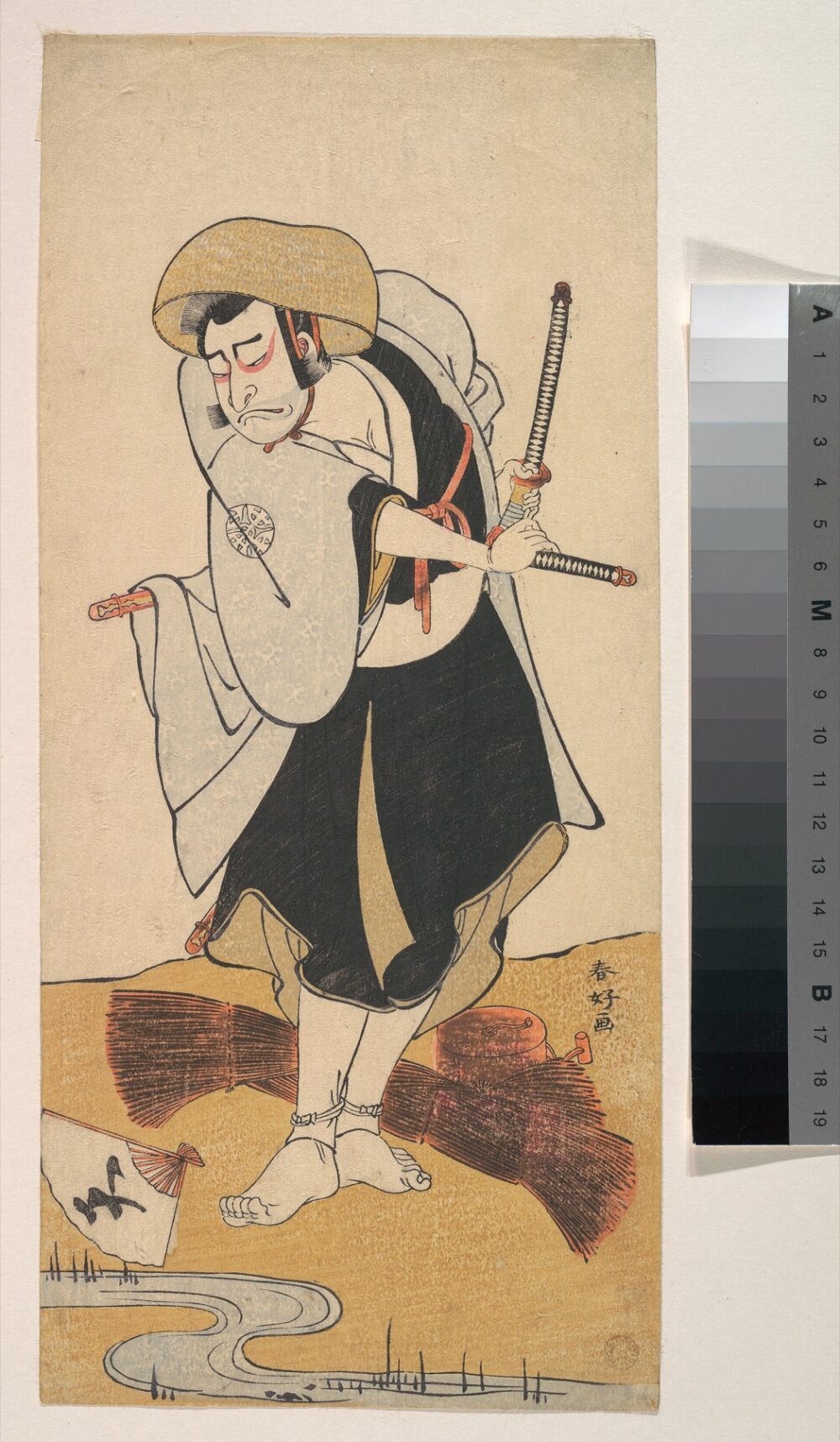
Samurai-themed denim and kimono apparel isn’t served by one perfect store or marketplace. You’ll get better results by matching your goal—personal wardrobe vs. small resale brand—to specific platform types: niche Japanese labels and kimono upcyclers, fashion/techwear retailers, and broad global marketplaces. From Canada, each route has different strengths for authenticity, variety, and margin.
How Samurai Denim & Kimono Apparel Reached Online Marketplaces
“Samurai denim & kimono apparel” is a loose fashion niche, not an official category. It usually refers to modern garments—denim jackets, jeans, haori-style coats, robes—that borrow from traditional Japanese kimono fabrics, silhouettes, or samurai-era motifs.
One clear example of the kimono-to-streetwear approach is Samurai Aloha, which sells modern shirts and other pieces made from vintage Japanese kimonos, turning retired robes into new garments with bold prints and patchwork textures.Samurai Aloha illustrates how upcycling and heritage fabric have become a product story in their own right.
On the denim side, Samurai Jeans is a Japanese selvedge brand whose collections include jeans, jackets and sometimes kimono-inspired or samurai-themed garments. You’ll see their pieces not just on their brand site, but through multi-brand retailers like Okayama Denim’s Samurai Jeans section and Self Edge’s Samurai page, which act as online stockist platforms.
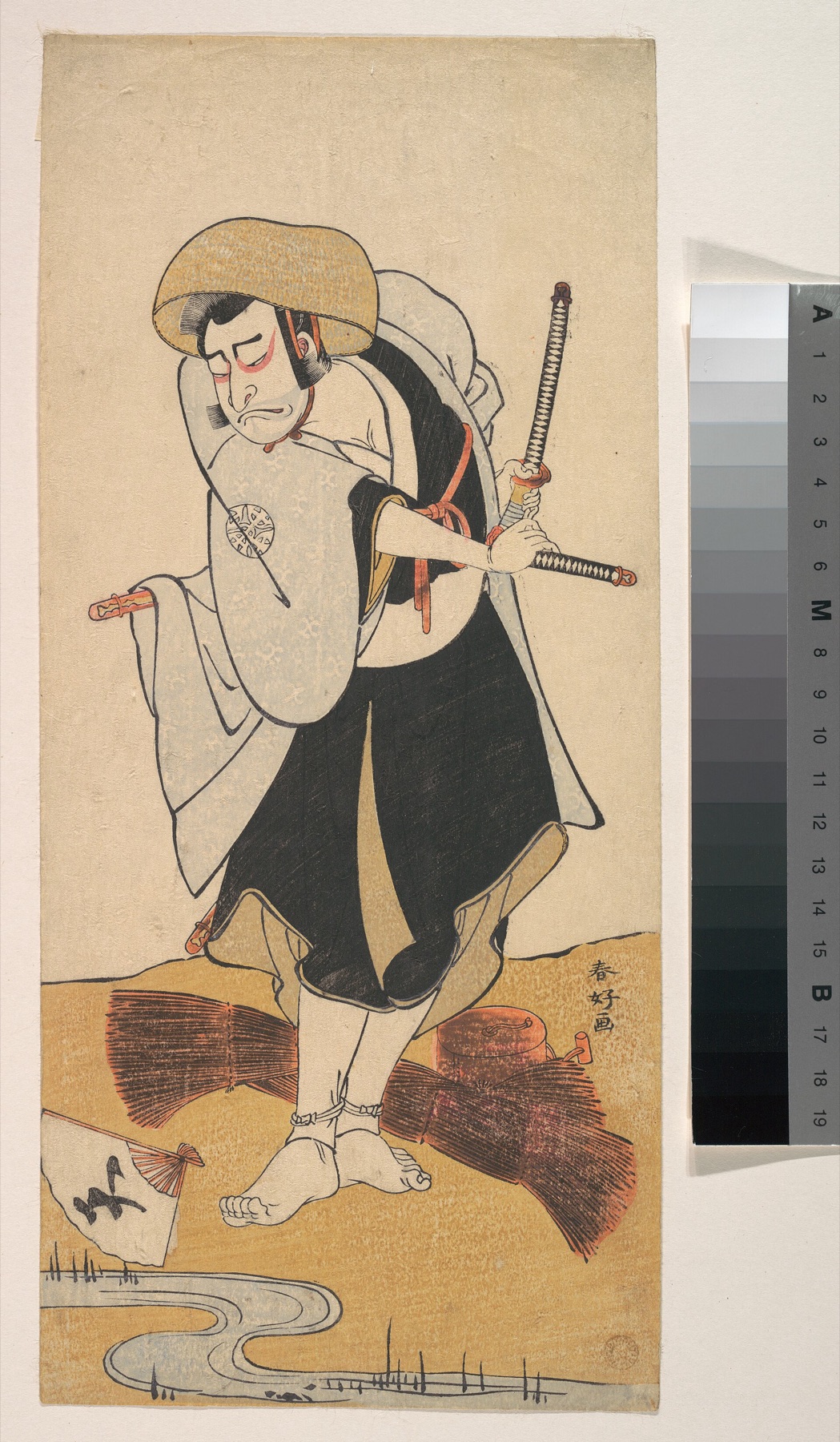
There’s also a newer stream of techwear and streetwear shops that list denim kimono jackets or samurai-style kimono outerwear alongside cargo pants and utility vests. For example, Techwear Outfits and Techwear Canada both feature kimono-shaped jackets rendered in denim or synthetic fabrics. These aren’t traditional garments, but fashion products that borrow samurai imagery for styling.
In parallel, general marketplaces like eBay.ca and Walmart.ca list samurai-themed clothing ranging from costumes to casual robes. Selection and authenticity vary with each seller, which is why this niche feels fragmented: you’re shopping across brand sites, specialty shops, and broad marketplaces rather than one unified samurai platform.
A quick cultural note: samurai imagery and kimono silhouettes carry real historical and cultural weight. If you’re building a brand around them, many small labels highlight respectful storytelling, using vintage fabrics or collaborating with Japanese makers rather than treating motifs as generic decoration. That’s worth considering in your own product positioning.
Platform Models for Samurai Denim and Kimono Wear
For Canadian buyers and small ecommerce sellers, the real question isn’t “Where is the samurai shop?” but “Which platform model fits the kind of samurai-inspired product I want?” Three main models show up repeatedly in this niche.
1. Niche brand and upcycler sites
What they are: Single-brand stores or small labels focused on Japanese denim, vintage kimono upcycling, or a specific aesthetic.
Examples and behavior:
- Samurai Aloha upcycles vintage kimonos into new shirts and garments. Inventory is limited by available vintage fabric, so drops can feel more like art pieces than mass retail.
- Samurai Jeans’ own presence plus stockists like Okayama Denim and Self Edge bring core denim plus occasional haori-style or kimono-inspired jackets into one brand-led ecosystem.
How they operate: You’re usually buying finished goods at full retail, often with small-batch runs. For a Canadian microbrand, this is more of a curation or retail partnership route—buying a few standout pieces to resell or using them as inspiration—than a scalable wholesale channel.
2. Fashion and techwear retailers
What they are: Multi-brand or house-brand online shops where samurai-inspired pieces are part of a broader streetwear or techwear collection.
Examples and behavior:
- Techwear Outfits’ men’s denim kimono and Techwear Canada’s samurai kimono jacket show this hybrid model: kimono silhouettes reinterpreted with modern materials, sometimes positioned as outerwear rather than loungewear.
How they operate: These shops often carry:
- A rotating set of “theme” items (samurai, ninja, cyberpunk) built around capsule collections.
- Sizes and colorways designed for global audiences rather than traditional kimono rules.
You’re still buying at retail pricing, but this model is more flexible if you’re a Canadian reseller testing demand. Some shops may offer small wholesale or affiliate programs; many don’t. The main value is trend alignment: you can see which samurai-style shapes and colors are actually selling.
3. General global marketplaces
What they are: Large platforms where third-party sellers list samurai costumes, kimono robes, anime-inspired jackets, and occasionally denim kimono pieces.
Examples and behavior:
- eBay.ca has search results specifically for “Samurai Clothing for Men,” mixing jeans, jackets and robes in one marketplace listing stream.
- Walmart.ca shows samurai robe-style outfits among other imported clothing.
How they operate: These platforms aggregate many sellers, each with their own sourcing model and quality level. Listings can range from budget costumes to more serious streetwear. You’re responsible for interpreting photos, descriptions and seller history to decide if an item fits “samurai denim & kimono” in your sense of the term.
From a small-business standpoint, this model is flexible but inconsistent: you can occasionally find low-cost samurai-themed robes or jackets that work for a capsule drop, but building a coherent, long-term brand story on random marketplace finds is harder.
Quick comparison of platform types
| Platform type | Typical product style | Best for (buyer) | Trade-offs for Canadians |
|---|---|---|---|
| Niche brand / upcycler | Heritage denim, vintage kimono fabric pieces | Enthusiasts; premium curation | Strong story, higher prices, limited volume |
| Fashion / techwear retailer | Denim kimono jackets, samurai-style outerwear | Trend-focused personal wear; test resale | Good variety, fashion-driven, not always authentic fabrics |
| General marketplace | Mixed samurai robes, costumes, casual jackets | Budget buyers; opportunistic resellers | Wide range, but uneven quality and styling |
Choosing the Right Platform Route from Canada
From Canada, your ideal platform route depends on whether you’re buying for yourself or building a small ecommerce line.
Scenario 1: Personal wardrobe upgrades
If you want one or two standout samurai-style pieces:
- Go to niche labels and stockists for authentic-feel denim and heritage fabrics. Samurai Jeans via Okayama Denim or Self Edge is a good starting point if you care about selvedge quality and classic fits.
- Look at kimono upcyclers such as Samurai Aloha for garments that visibly repurpose vintage robes.
- Check techwear shops like Techwear Outfits or Techwear Canada if you want a more futuristic, less traditional take that still nods to samurai silhouettes.
You’ll likely pay more per item than marketplace costumes, but you’re getting designs that lean into the fusion theme rather than generic “samurai” print hoodies.
Scenario 2: Small ecommerce brand or capsule drop
If you’re sourcing inventory, think in terms of consistency and margin.
- Story-driven, higher-price brand: Curate a few pieces directly from Samurai Jeans stockists, kimono upcyclers, or Japanese-inspired labels and position your shop as a focused edit of premium samurai/kimono fusion. You won’t have bulk discounts, but you can justify higher retail pricing with the fabric story and limited runs.
- Trend-led, mid-price capsule: Use techwear and streetwear shops that sell denim kimonos and samurai jackets. Here you’re following fashion trends more than heritage, which can work if your audience is into silhouettes and graphics rather than provenance.
- Budget, experimental line: Source samurai-themed robes and jackets from broad marketplaces like eBay.ca or Walmart.ca and build short-run capsules. This is higher risk for brand image, but lower risk for cash outlay if you’re testing demand.
DHgate sits in that last bucket: it’s one of several global marketplaces where samurai-style or kimono-inspired apparel may show up from third-party sellers alongside other fashion categories. If you use it, treat it as a sourcing channel that requires work—checking seller ratings, photos, descriptions, and buyer reviews—rather than assuming every “samurai” listing matches your quality or aesthetic standards. For a deeper explanation of how DHgate’s marketplace works in general, you can read What DHgate is and how the marketplace works and then decide if that model fits your sourcing style.
If you’re still undecided on platform types overall, Compare online marketplaces and shopping platforms gives broader context on how retail marketplaces, wholesale platforms, and mixed models differ. Mapping that general logic to the concrete samurai denim and kimono examples above will help you choose a route that’s realistic for your budget, brand story, and appetite for cross-border logistics.