
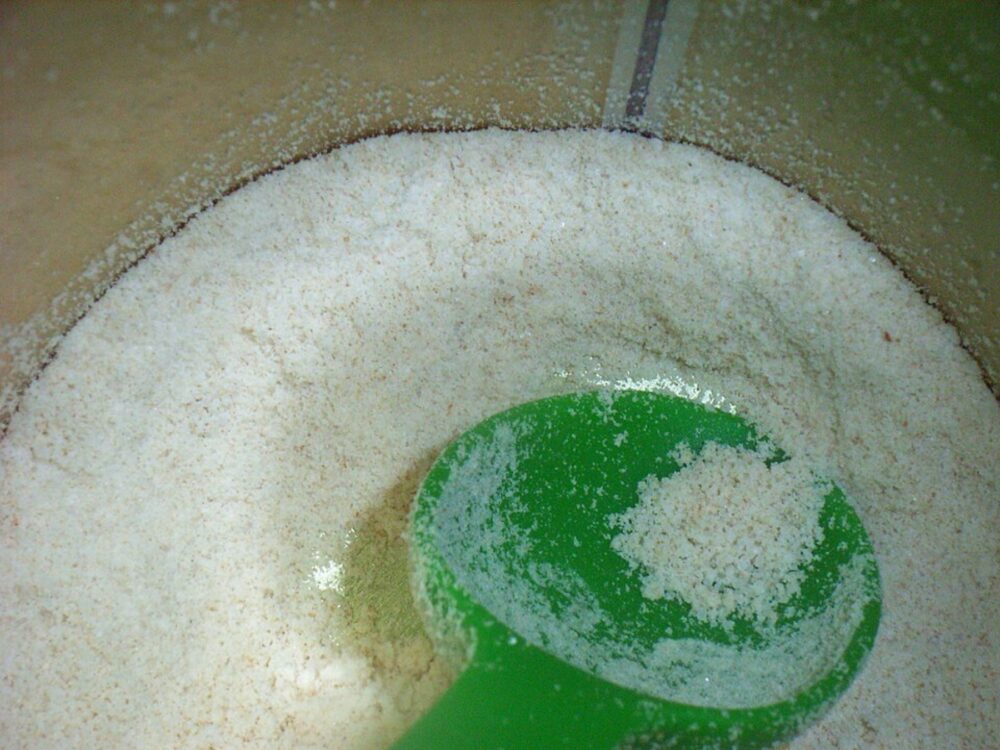
Halal chicken powder is fairly easy to find in Australia if you know which platforms to look at and what “halal” actually means on a seasoning label. For everyday cooking, halal Knorr chicken bouillon powder is sold through major supermarkets like Woolworths in some areas, while brands such as Massel, Krio Krush and Golden offer halal‑suitable or halal‑listed chicken‑style powders through retail and foodservice distributors. For bulk or resale, you’re looking at halal wholesalers, foodservice suppliers, or cross‑border marketplaces instead of just your local supermarket.
The right channel depends on whether you want a 130 g can for home soups or a 2.5 kg tub for a spice blend business, and on how much halal verification you need beyond a basic logo.
Halal Chicken Powder in Australia: What It Is and Where It Shows Up
Halal chicken powder is a dry seasoning or stock powder that delivers chicken flavour while complying with Islamic dietary rules. That usually means:
- Any actual chicken ingredients come from halal‑slaughtered birds.
- No pork, alcohol or other haram ingredients.
- Production lines follow halal handling requirements.
Some products are fully halal‑certified with a logo and certifier name. Others are “halal‑suitable” (no haram ingredients) but may not carry formal certification. You need to read the pack and, if necessary, check the brand’s own halal statement.
Concrete examples currently visible in the Australian market include:
- Knorr halal chicken bouillon powder – Knorr lists halal‑certified chicken bouillon/seasoning powder, and a halal chicken bouillon powder SKU appears on Woolworths. Availability varies by store, but this is a mainstream route for home cooks.
- Massel chicken‑style powders and gravy – Massel produces vegetarian chicken‑style stock and gravy powders. Some chicken‑style SKUs are listed as halal‑suitable on directories such as Massel chicken‑style gravy powder on HalalHQ. Certain larger foodservice packs, like a chicken‑style stock powder, are sold via distributors such as Massel chicken‑style stock powder at Galipo Foods.
- Krio Krush chicken booster – Krio Krush makes chicken booster/seasoning powders targeted at commercial kitchens. A booster chicken product is listed with halal indications and sold in multi‑pack cartons through foodservice distributors like Krio Krush chicken booster at Galipo Foods.
- Golden chicken stock powder – Golden Chicken stock powder appears in Australian‑focused directories as a halal option, for example Golden chicken stock powder on HalalHQ. As always, you’d confirm the current certification status on the packaging.
Alongside these, imported brands such as Jumbo chicken stock and various regional chicken powders show up at African, Middle Eastern and Asian grocers and on specialist sites, sometimes labelled halal or listed as such.
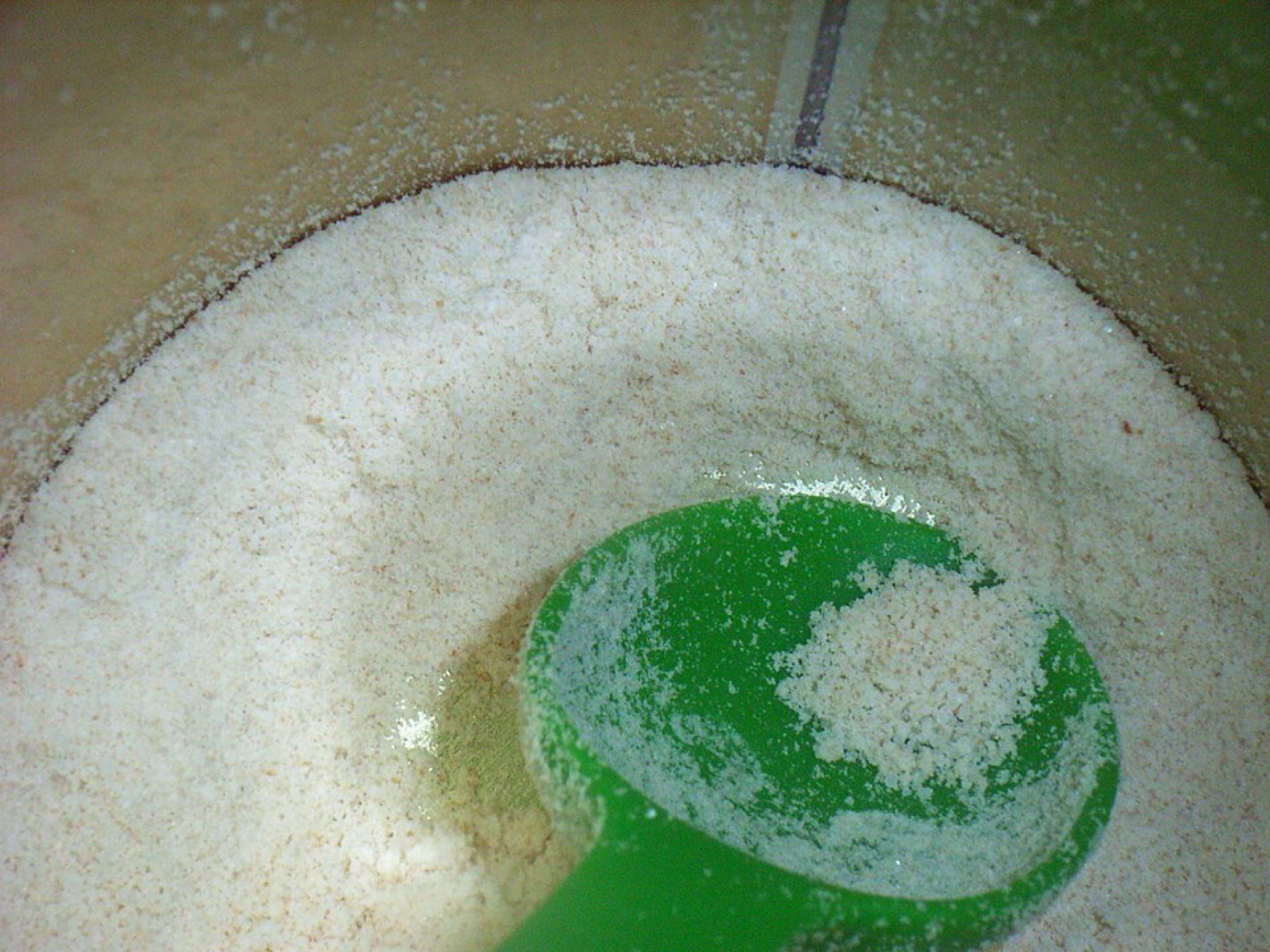
For home buyers, the practical choice is often between supermarket‑brand halal powders versus niche brands from ethnic or halal stores. For small ecommerce sellers, foodservice and wholesale formats become more attractive.
Platform Types for Buying Halal Chicken Powder
You can buy halal chicken powder through four main platform types in Australia. Each operates differently and suits a different kind of buyer.
1. Mainstream supermarkets and general delivery apps
Large chains like Woolworths and Coles carry some halal‑labelled chicken powders (notably Knorr’s halal chicken bouillon powder) alongside conventional stock powders. These are:
- Retail‑sized: jars and pouches typically in the 100-500 g range.
- Low‑friction to buy: you walk in or order delivery, no account beyond the usual loyalty or grocery app.
- Good for trial: ideal if you just want to test a brand in a few recipes.
Internationally, general grocery delivery platforms such as Instacart list halal Knorr chicken powder in some markets, which shows how mainstream, non‑halal‑specialist platforms can still surface halal SKUs. In Australia, the equivalent is your supermarket’s own online store and delivery service.
2. Halal specialty and ethnic grocery platforms
Online halal grocery sites and bricks‑and‑mortar halal supermarkets aggregate certified or halal‑suitable products for Muslim consumers. An example is Halal Food Australia, which positions itself as an online halal store for meat, groceries and other products.
Key traits:
- Assortment filtered around halal: seasonings, bouillons and stock powders are chosen with halal status in mind.
- Better coverage of niche brands: West African Jumbo, Middle Eastern chicken powders, Asian halal‑certified stocks often appear here before they show up in big chains.
- Useful for brand discovery: if you’re building a halal meal‑kit or spice business, browsing these platforms shows you what halal consumers already recognise.
3. Foodservice wholesalers and distributor platforms
Foodservice suppliers (Galipo Foods, regional distributors, cash‑and‑carry wholesalers) focus on restaurants, caterers and institutional kitchens. Their sites and catalogues list:
- Bulk packs – Krio Krush chicken booster in multi‑pack cartons, Massel chicken‑style stock in 2.5 kg tubs, etc.
- Trade‑oriented filters – gluten‑free, vegetarian, halal indicators to help chefs meet dietary requirements.
- Account‑based ordering – you may need an ABN and customer account; terms are designed for repeat purchasing.
If you’re a small ecommerce business blending seasonings or selling prepared foods, these platforms are often more efficient than buying dozens of supermarket jars.
4. Cross‑border B2B and retail marketplaces
Global marketplaces host overseas manufacturers and traders selling stock powders and meat seasoning in bulk. You’ll see listings for “halal chicken meat seasoning powder” aimed at food processors and snack manufacturers, often with:
- Large minimums – tens of kilograms or more per order.
- Factory‑origin claims – for example, suppliers in China offering bulk halal chicken meat seasoning powder.
- Mixed labelling quality – some listings show detailed halal certificates, others just say “halal” in the title.
These platforms can be attractive if you want to source unique flavours or very low unit cost for manufacturing. But they shift the burden of halal verification and quality control onto you.
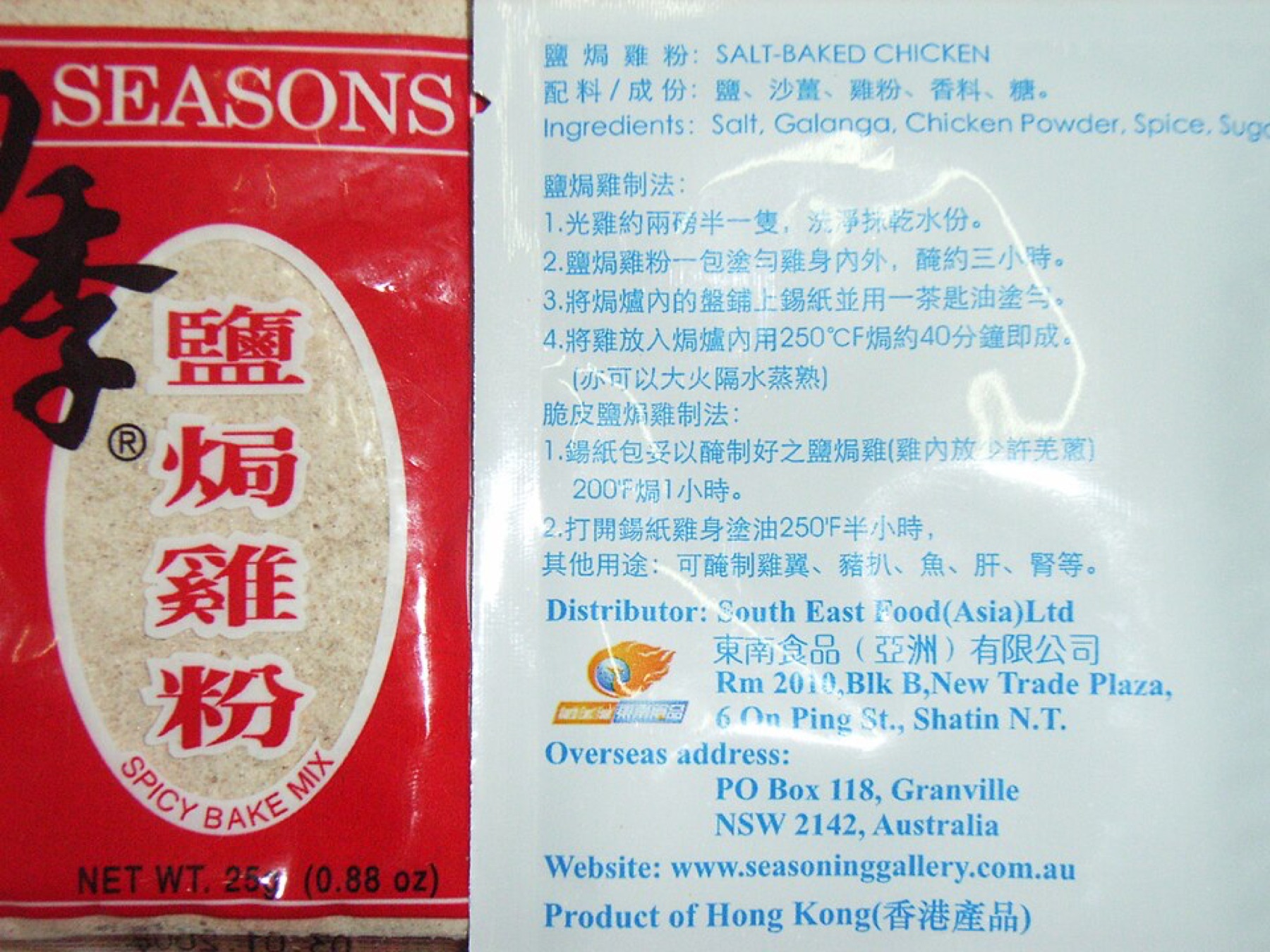
Comparing Channels and Matching Them to Your Use Case
Each channel trades off convenience, control and scale. The table below summarises practical differences for buyers in Australia:
| Channel type | Typical pack size | Who it suits best | Halal assurance level (typical) |
|---|---|---|---|
| Supermarkets / grocery apps | 100-500 g retail packs | Home cooks, very small cottage sellers | Logo plus ingredient list on mainstream brands |
| Halal / ethnic grocery sites | 100 g–1 kg retail packs | Halal households, niche food sellers | Curated around halal; still check each pack |
| Foodservice wholesalers | 400 g cartons–2.5 kg tubs | Cafes, caterers, micro‑brands | Often flag halal in specs; verify with rep |
| Cross‑border marketplaces | 10+ kg bulk orders | Manufacturers, ambitious resellers | Highly variable; requires deep due diligence |
For home cooking, supermarket halal SKUs (like Knorr’s halal chicken powder) or familiar brands from halal grocers are usually the safest and simplest route. You get small packs, labelled for local regulations, and you can switch brands easily if you don’t like the taste.
For micro‑brands and small ecommerce sellers, the trade‑off is different:
- If you’re blending rubs or making meal kits, foodservice formats of Massel or Krio Krush can lower your cost per kilo and keep flavour consistent.
- Halal/ethnic online stores help you spot which brands your target customers already trust, even if you end up sourcing those same brands through a wholesaler later.
- Bulk powders from overseas manufacturers may tempt you with price, but you carry real risk around halal authenticity, labelling requirements for sale in Australia, and potential customs or biosecurity issues.
DHgate fits into that last bucket: it’s one example of a cross‑border marketplace where you may find suppliers offering “halal chicken meat seasoning powder” in bulk. If you ever explore that route, you should treat each listing like a supplier research project—request certificates, check who issued them, compare ingredients to Australian labelling rules, and be prepared to walk away if anything looks inconsistent.
Quick scenario guidance
- You cook for your family and just need halal stock: Check your local Woolworths or Coles for halal‑labelled Knorr chicken bouillon powder; if it’s not stocked, browse an online halal grocer like Halal Food Australia for Golden, Jumbo or other halal‑listed stock powders.
- You run a small food business (café, meal‑prep, spice blends): Open an account with a foodservice distributor and compare Krio Krush and Massel halal‑flagged products in their bulk formats. Use halal directories like HalalHQ to cross‑check listed status.
- You’re building a manufactured product and chasing the lowest cost per kilo: Cross‑border marketplaces and direct factories might make sense, but only after you’ve validated halal certification, ingredient compliance, and your legal obligations for importing and labelling in Australia. In many cases, a domestic halal wholesaler will be a lower‑risk starting point, even if the headline price per kilo is higher.
For a broader view of how online marketplaces operate and differ from local retail platforms, you can read DHgateWiki’s overview of online marketplaces and shopping platforms or its explainer on what DHgate is and how the marketplace works. Those pieces give extra context on marketplace mechanics beyond halal chicken powder specifically.