
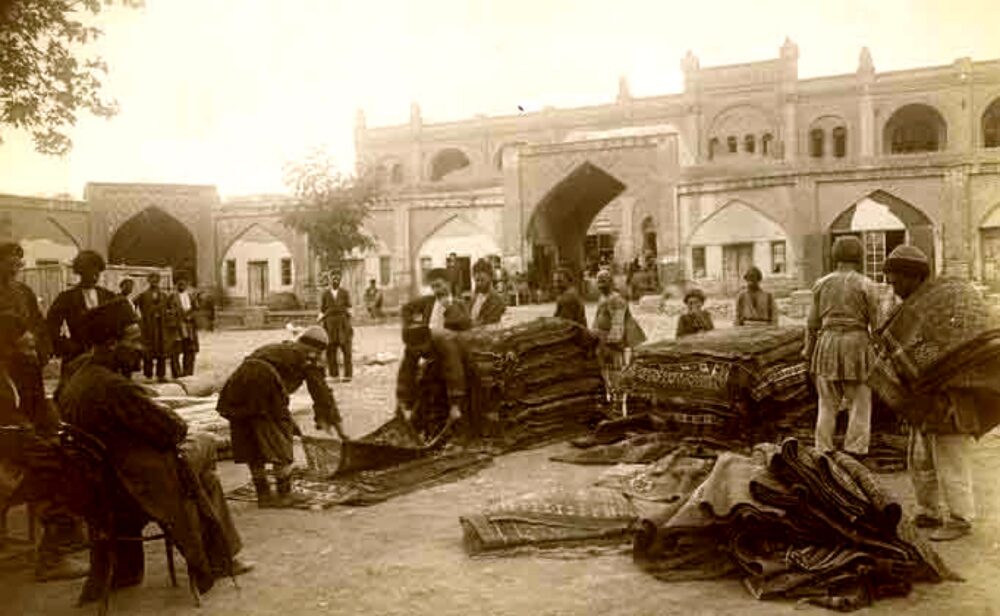
Istanbul’s “carpet and rug market” isn’t a single website or official exchange. It’s a loose ecosystem: centuries‑old bazaars like the Grand Bazaar and Arasta Bazaar, small workshops and showrooms, and a growing layer of online retailers that ship worldwide. As a US buyer or small ecommerce seller, your real decision is which channel to tap into—an in‑person bazaar visit, a specialist Istanbul showroom that sells online, or a global marketplace listing rugs in an “Istanbul style.”
If you’re buying one statement rug, the higher‑touch routes (reputable bazaars stalls, named showrooms, or curated online boutiques) usually make more sense. If you’re sourcing inventory, you’ll be weighing repeat access, consistency, and logistics, which pushes you toward showrooms with export experience or large marketplaces. The sections below break that down so you can choose a path that matches how you actually buy.
What People Mean by the Istanbul Carpet and Rug Market
Travel and local guides are clear on one point: there is no single entity called the “Istanbul Carpet and Rug Market.” Instead, carpets sit at the heart of broader shopping districts.
The best‑known hub is the Grand Bazaar (Kapalıçarşı), a historic maze of covered streets full of textiles, jewelry and carpets. It’s widely cited as a place where you can see huge ranges of Turkish and Anatolian rugs—from machine‑made pieces to high‑end hand‑knotted works—under one roof.
Nearby, Arasta Bazaar in Sultanahmet is often mentioned as a quieter alternative with rug shops that lean more tourist‑friendly. Regional and tribal pieces also show up in smaller specialist shops scattered through the city; some guides point to named showrooms and galleries as good places to see higher‑quality work without as much hard sell.
Editorial sources like Istanbul.com’s guide to Turkish handmade rugs emphasize that these rugs grow out of Anatolia’s craft tradition. They also note that many visitors struggle to understand originality and value—two similar‑looking rugs can have very different knot density, materials, and age even if they’re priced similarly. That confusion is the backdrop for your channel choice: you are not just picking a store, you’re picking how much help you’ll get interpreting the rug itself.
Platform Types for Buying Istanbul‑Style Rugs
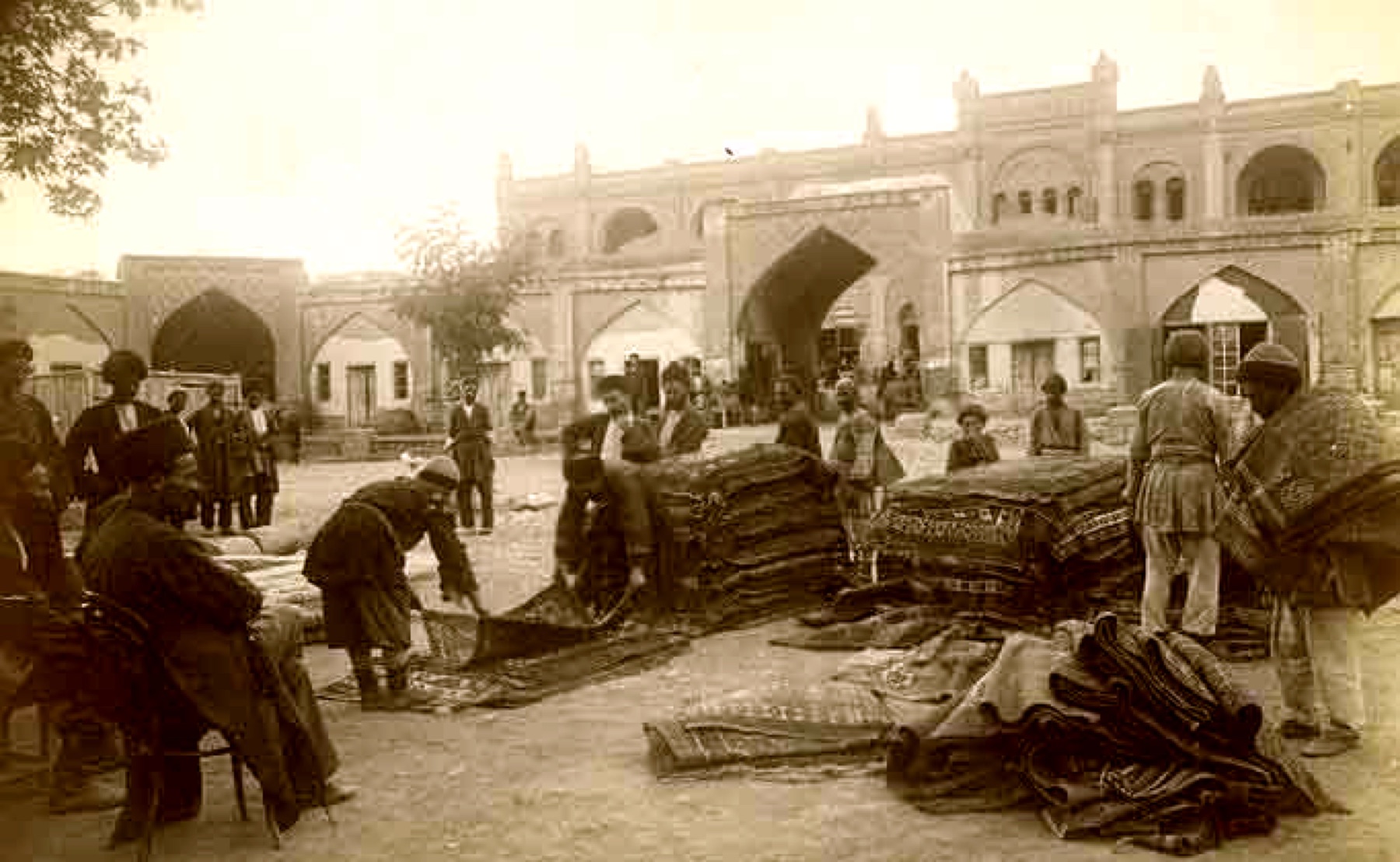
From a buyer’s perspective, Istanbul’s rug ecosystem breaks into a few platform types. Some are physical, some are fully online, and they behave quite differently.
1. Traditional bazaars and street‑level shops
In districts around the Grand Bazaar and Arasta Bazaar, you’ll find:
- Small stalls stacked floor‑to‑ceiling with carpets
- Larger multi‑room shops with tea service and lengthy sales pitches
Independent guides like Istanbul Vibes highlight two realities here:
- Prices are fluid and negotiation is expected. Tourists may be quoted several times what a local or a confident buyer would pay.
- Misunderstandings over materials (wool vs. synthetic), dyes (natural vs. chemical), or origin (handmade village rug vs. mass‑produced) can happen if you don’t ask detailed questions.
Operationally, these are pure face‑to‑face platforms: no formal listing pages, no central catalog. Relationship and negotiation drive the deal.
2. Istanbul showrooms with export focus
Several guides and mapping tools point to named showrooms and carpet galleries around Istanbul that build their business on reputation and repeat international customers. These stores often:
- Specialize in handmade or vintage rugs and kilims
- Offer clearer information on provenance and materials
- Have experience packing and shipping rugs abroad
Structurally, they’re still independent shops, but they function more like specialist brands. For US buyers or small shops, these can be a middle ground: the rug comes from Istanbul, but you’re dealing with a business used to cross‑border sales.
3. Specialist online rug retailers (including Istanbul‑based)
On the online side, there are retailers and galleries that focus on Turkish and Anatolian rugs, some of them physically based in Istanbul, others just curating that aesthetic.
Business model:
- Fixed prices rather than bazaar‑style bargaining
- Curated inventory that leans toward handmade or vintage
- Often smaller batches, so not always suitable for high‑volume resale
4. Global marketplaces and mass‑market platforms
You’ll also see “Turkish” or “Istanbul‑style” rugs on large marketplaces and general home‑goods sites. These include craft marketplaces, big‑box furniture sites, and cross‑border sourcing platforms where independent sellers list rugs.
Typically, these platforms:
- Mix genuine Turkish or Anatolian rugs with machine‑made designs inspired by that look
- Rely heavily on seller‑uploaded photos and descriptions
- Centralize payment but leave selection and verification in your hands
From a platform perspective, they’re useful for broad selection and easy ordering from the US, but they abstract away the Istanbul market itself. You’re often buying an interpretation of Istanbul’s rug style, not directly from a specific bazaar stall.
Which Channel Fits Your Buying Scenario?
How you plug into the “Istanbul rug market” depends on whether you’re decorating a living room or feeding a product line. These are the main routes and their trade‑offs.
Quick channel comparison
| Buyer need / dimension | In‑person bazaars & shops (Istanbul) | Istanbul showrooms with export | Specialist online retailers | Global marketplaces (incl. DHgate) |
|---|---|---|---|---|
| One‑off statement rug | Strong selection; heavy bargaining | Strong, often higher‑quality | Strong, curated | Strong; quality varies |
| Repeat sourcing for a small shop | Possible but informal | Good if relationship is built | Limited volume | Good volume; consistency varies |
| Ability to judge authenticity | High if you’re knowledgeable on site | Medium–high with guidance | Medium; photo‑based | Low–medium; you must vet sellers |
| Price transparency | Low; depends on negotiation | Medium; mostly posted prices | Medium; fixed prices | High; easy to compare listings |
This table is editorial judgment based on how these channels operate, combined with cautions from sources like Istanbul Vibes’ buyer guide and Istanbul.com’s overview of rug traditions.
Scenario 1: US buyer wanting one special rug
If your goal is a single heirloom‑level rug and you’re willing to travel, spending time in the Grand Bazaar and Arasta Bazaar can be worthwhile if you prepare:
- Read a detailed primer on Turkish rugs before you go so you can tell flat‑woven kilims from pile rugs and ask about knot density.
- Use guides like MuseumPass Istanbul’s rug shopping overview to identify commonly recommended bazaar areas and showrooms, instead of walking into the first shop that invites you in.
- Follow travel‑editorial advice to ask directly about materials, dyes, and whether a rug is handmade or machine‑made.
If you’re not traveling, an Istanbul‑based showroom with an online presence or a specialist online retailer of Turkish rugs is usually a safer approximation of that experience than a random marketplace listing.
Scenario 2: Small ecommerce business testing a rug category
For a US‑based small shop experimenting with “Istanbul‑style” rugs:
- Istanbul showrooms that mention export and wholesale on their sites can be good first contacts. You get region‑authentic product with a business used to shipping abroad.
- Specialist online retailers may allow small bulk purchases, but many focus on unique pieces; that’s better for a boutique assortment than scalable inventory.
- Large marketplaces (including cross‑border platforms like DHgate, plus others you may already use) can work if you accept that you’re sourcing based on listings, not in‑person inspection. Here you’ll want to filter aggressively for sellers who specialize in rugs, look for detailed descriptions of materials and construction, and be prepared to order samples before committing.
Scenario 3: Ongoing sourcing with brand positioning around “Istanbul”
If your brand story leans heavily on Istanbul itself—“sourced from Istanbul’s historic bazaars,” for example—it’s hard to build that cred without at least one sourcing trip and sustained relationships there.
In that case:
- Use travel‑market guides and mapping resources to identify clusters of rug shops in the Grand Bazaar area, Sultanahmet, and other districts.
- Shortlist a few shops or showrooms that are frequently recommended by independent editors (not just ads) and that mention export services.
- Plan to return or maintain ongoing communication so you’re not renegotiating from scratch with every shipment.
Global platforms and non‑Turkish retailers can still supplement your range, but they won’t substitute for the story—and the verification—you get by engaging directly with Istanbul’s rug market.
If you’re also weighing non‑Turkish platforms for your wider sourcing mix, our overview of online marketplaces and shopping platforms and the comparison of DHgate vs. AliExpress, Alibaba and Temu can help you position rugs alongside other imported inventory.