
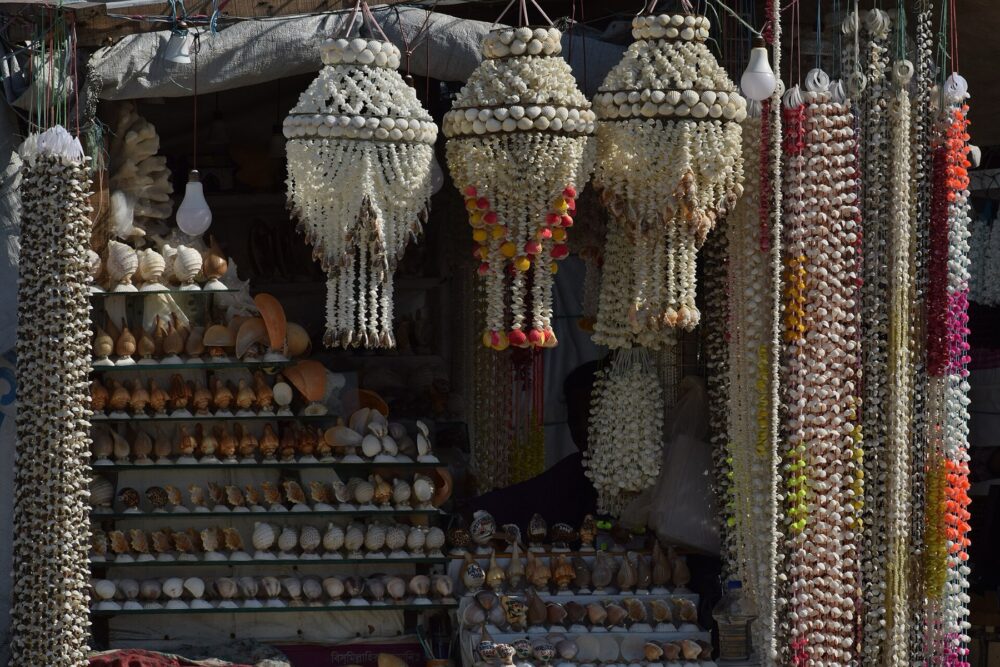
You can find vases that look and feel as good as popular Amazon or Etsy pieces at mainstream home retailers, design shops, vintage sources, and online marketplaces. The right choice depends on how you want the vase to function in your space, which material you trust to survive shipping, and whether you’re buying one piece or stocking inventory for a small store.
For personal decor, US retailers and craft markets are usually the fastest, lowest-risk channels. For small ecommerce businesses, marketplaces and cross-border sourcing can improve margins, but you trade that for more work vetting sellers and handling breakage risks.
How Vases Anchor Modern Home Decor
A vase is more than a container for flowers. Decor editors describe vases as sculptural objects that can hold a shelf, mantel, or console table “with confidence” even when they’re empty, simply through silhouette and material choices.
Recent trend roundups for 2026 show vases evolving into statement pieces: tall, oversized forms, bold sculptural shapes, and objects that read almost like small sculptures in a minimalist room.Source In practice, that means:
- A single large floor vase framing a doorway or an empty corner.
- A textured ceramic or stoneware piece as the focal object in a coffee-table vignette.
- A cluster of small bud vases used more like art than strictly as flower holders.
For small ecommerce businesses, vases sit in a sweet spot: they’re visually impactful in listings and staging photos, but still shippable as standalone SKUs or as part of a curated decor assortment.
Key Vase Types, Materials, and Current Style Signals
Vases span multiple materials and shapes. Each combination affects how the piece feels in a room, how fragile it is in transit, and how customers read its value.
Core materials: look, durability, and shipping risk
Home decor coverage often compares four common materials: ceramic, glass, metal, and porcelain.Source
| Material | Look & Perceived Value | Durability & Shipping Risk | Best Use Cases |
|---|---|---|---|
| Ceramic | Matte, earthy, handmade feel; often looks “artisanal” | Chips if dropped; generally sturdy in thick forms | Sculptural table vases, textured pieces, boho or rustic decor |
| Glass | Clear or colored, reflective; reads clean and modern | Very breakable; needs strong packing for transit | Flower vases, centerpieces, minimalist or contemporary spaces |
| Metal | Sleek, industrial or vintage depending on finish | Highly durable; less risk from shipping impacts | Tall stems, dried arrangements, modern or industrial decor |
| Porcelain | Smooth, refined, often with intricate patterns or glazing | More delicate than stoneware but still rigid | Classic or traditional homes, high-detail decorative pieces |
Ceramic and porcelain tend to photograph well because they catch light and show texture. That helps both personal buyers (who care about how the piece looks day to day) and resellers (who rely on visual appeal in listings).
Glass is popular for its clarity and color options, but it raises your packaging game. Sellers often need double boxing, void fill, and clear breakage policies to keep customer expectations in line.
Metal works well for buyers or small stores that want fewer damage claims. A dented metal vase is usually still functional, whereas a chipped lip on a porcelain piece may be a return.
Shapes and trends you’ll see in 2026 catalogs
Recent 2026 trend guides highlight geometric, sculptural, and textured vases as standout categories.SourceSource
Common forms you’ll encounter:
- Bud vases and small cylinders – Easy impulse buys, great for up-selling on Etsy-style storefronts.
- Wide-mouth table vases – Workhorse pieces for dining tables and consoles; good resale staples.
- Tall floor vases – Oversized silhouettes used as art objects in corners and entryways.
- Abstract/geometric forms – Asymmetrical shapes, arches, or ring vases that lean into sculptural decor trends.
- Heavily textured surfaces – Ribbed, hammered, or carved finishes that show well in photography.Source
Home decor trend blogs stress that these sculptural and oversized pieces often stand empty or hold just a few stems; the form itself does the decor work.Source If you’re buying for staging or resale, prioritize silhouettes that look interesting even without a full floral arrangement.
Where to Source Vases: Retail, Marketplaces, and Cross-Border Options
Once you know the style and material you want, the next step is picking a channel that matches your budget and risk tolerance. For US-based buyers, there are four main routes.
Big-box and home decor retailers
For everyday porcelain or ceramic pieces, editorial guides point to accessible online retailers like Amazon, Home Depot, and Wayfair, which carry wide ranges of styles and sizes.Source These channels suit:
- Single-piece home purchases: You see standardized photography, aggregated reviews, and predictable shipping options.
- Small business test orders: You can buy a handful of units to gauge local demand without committing to bulk.
Craft markets, local studios, and artisan platforms
If uniqueness matters more than margin, local craft stores and pottery studios are strong options for ceramic and porcelain vases.Source You can:
- Inspect glaze, weight, and finish in person.
- Commission custom colors or forms for brand consistency.
Online, Etsy and similar marketplaces give access to independent makers. Prices per piece are usually higher than mass-produced stock, but the narrative of handmade work can justify premium pricing in your own storefront.
Thrift, vintage, and estate channels
Thrift stores, garage sales, and estate sales are cited as good hunting grounds for affordable porcelain and glass vases, with the caveat that you must inspect for chips and cracks.Source This route is practical if:
- You’re curating one-off vintage decor collections.
- You accept that stock will be inconsistent and hard to scale.
For shipping, remember that many vintage pieces lack original packaging. If you plan to resell online, budget for extra protective materials and potentially higher breakage rates.
Online marketplaces and cross-border sourcing (including DHgate)
High-level decor guides mention that floor vases and other oversized pieces are sold through general online marketplaces as well as furniture and home decor stores.Source Beyond US-focused platforms like Amazon and Wayfair, cross-border marketplaces can be relevant if you’re chasing margin or very specific designs.
DHgate is one example: a marketplace connecting buyers with overseas sellers for categories that include decorative vases. If you consider DHgate or similar cross-border platforms for small-batch sourcing, treat seller vetting as your responsibility:
- Compare multiple listings for the same style to understand typical materials and finish quality.
- Ask for real-life photos or short videos, especially for sculptural or textured designs that can vary by batch.
- Think through your packaging plan and potential breakage costs before placing a larger order.
If you want a deeper look at how DHgate works generally or how to vet its sellers, you can read what DHgate is and how the marketplace works and our guidance on finding trusted sellers on DHgate. For cross-border orders, the DHgate order-readiness checklist is a useful prompt list, even if you buy from a different platform.