
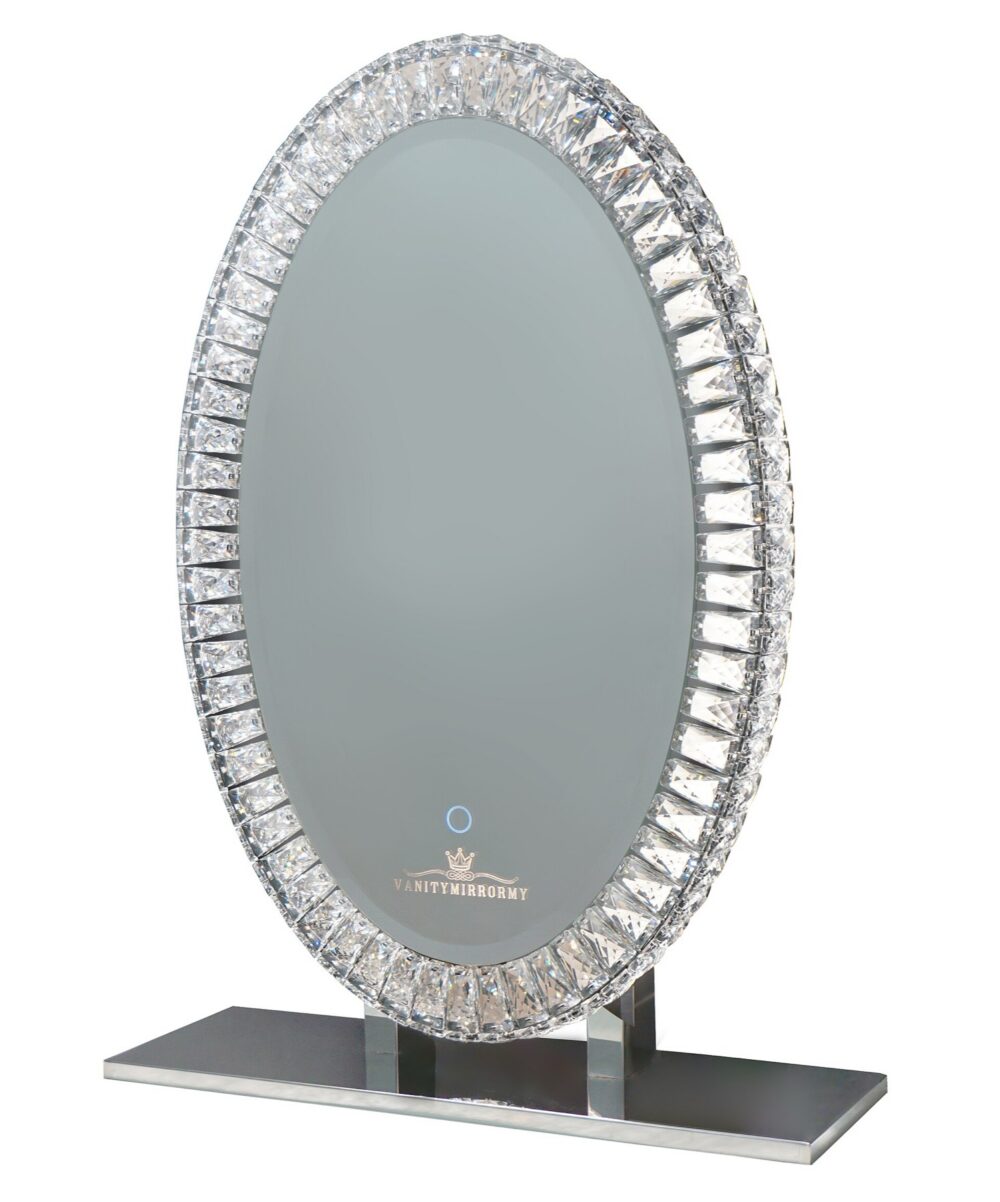
For Australian buyers, most of your budget for vanity mirrors and makeup vanities is driven by lighting, mirror size and whether you’re buying just a mirror or a full furniture set. Simple unlit tabletop mirrors are the cheapest; Hollywood‑style LED mirrors and complete makeup vanities from AU‑based specialist stores are commonly positioned in the low‑hundreds range, and can work out to less per unit if you import in bulk and spread freight and customs over multiple pieces.
If you’re a single shopper, you’ll usually spend more on the product than on shipping. If you’re a small ecommerce business importing stock, freight, customs and payment fees can equal or exceed the factory price, so choosing the right channel matters as much as choosing the mirror.
What Really Makes Vanity Mirrors and Makeup Vanities Cost What They Do
Australian specialist sites treat vanity mirrors and makeup vanities as dedicated grooming furniture: a mirror with lighting tuned for makeup, plus storage and a stable surface for products. You can see that clearly in ranges like the makeup mirrors and vanities at Stacks Warehouse, where mirrors, tables and drawers are bundled into sets rather than sold as random pieces.
From a budget perspective, you’re paying for three buckets:
- The product itself – mirror glass quality, frame materials, integrated LED lighting, and whether you’re buying a standalone mirror or a full table‑and‑mirror set.
- Shipping and handling – courier charges within Australia, or international freight if you import. Heavy, fragile furniture costs more to move than a small LED mirror.
- Customs, taxes and payment fees – for imports, duties, GST and card/transfer fees stack onto the invoice price.
While exact prices vary, local AU‑based retailers such as Vanity Vault and Clearhalo give a good feel for bands:
- Simple mirrors and compact LED models are positioned as entry‑level.
- Hollywood mirrors and larger LED vanities sit as mid‑range choices.
- Full dressing tables with integrated mirrors, drawers and coordinated stools are presented as investment pieces.
For bathroom vanity mirrors and simpler grooming mirrors, general homeware stores like HSW typically price them below furniture‑grade makeup vanities because you’re paying for glass and mounting hardware, not lighting, storage and a dedicated work surface.
Why Similar-Looking Vanities Are Priced So Differently
Two white Hollywood mirrors can look identical in a thumbnail but be priced very differently once you read the spec. Buying guides and AU sites highlight several features that quietly move the price.
- Lighting package and controls
A basic LED strip or bulb kit is significantly cheaper than a mirror with:
- multiple color temperatures (warm, neutral, daylight)
- dimming and memory functions
- higher CRI LEDs for truer color rendering
That’s why light‑only kits and budget Hollywood mirrors mentioned in editorial roundups of affordable lighted vanities are framed as entry‑level, while full furniture sets with integrated lighting sit higher.
- Mirror size and magnification
Larger glass panels and specialty magnification sections increase both material and shipping costs. Reviews often compare whether you can see your whole face and shoulders or just a close‑up section, and whether the magnification is comfortable for daily use. As a general pattern:
- Small tabletop mirrors are cheaper and lighter to ship.
- Medium vanity mirrors balance price and usability for most bedrooms.
- Oversized Hollywood mirrors or wall‑mounted LED panels cost more to make and move.
- Full sets vs. mirror‑only
Retailers such as Vanity Vault and Vanitii illustrate the jump clearly: a mirror‑only product is positioned as a lower buy‑in, while “beauty packages” that add the table, drawers and stool sit in a higher bracket.
For micro‑brands, minimum order quantities (MOQs) for full sets can be higher than for mirrors alone, which means more capital tied up in inventory and higher total freight volume.
- Customization and branding
Custom LED color, engraved logos, non‑standard dimensions and bespoke finishes all push the factory price up. Those upgrades can make sense for a brand launching a signature vanity line, but they usually don’t pencil out for a one‑off buyer.
- Timing and stock
If you order during peak seasons (Black Friday, Christmas, Lunar New Year shipping rush), both retail prices and freight rates are more likely to be elevated, and lead times longer. Off‑peak buying can quietly save you money even when the sticker price looks similar.
Choosing a Sourcing Channel and Cutting Your Landed Cost
You have four practical routes for Australia: local big‑box retail, specialist AU webstores, global marketplaces, and true bulk imports via suppliers. They differ in how much of your spend goes into the product versus freight and fees, and in what kinds of vanity mirrors you’ll typically find.
Local general retail
Chain homeware or bathroom stores are most useful when you need a simple grooming mirror or basic bathroom vanity mirror quickly. You’ll mostly see:
- frameless or lightly framed wall mirrors
- small countertop mirrors without integrated lighting
Budget impact:
- Product price – lower, because you’re paying mainly for glass and mounting.
- Extra costs – your own time/fuel to collect or standard domestic courier fees if you order online.
For a single buyer who doesn’t need Hollywood lighting, this can be the cheapest all‑in route.
AU specialist vanity sites
Dedicated vanity retailers such as Stacks Warehouse, Vanity Vault, Clearhalo and HSW keep stock in Australian warehouses and ship domestically. Their catalogues focus on:
- Hollywood mirrors with bulb borders
- LED makeup mirrors with dimming and different color temperatures
- full vanity sets with drawers, stools and coordinated finishes
Budget impact:
- Product price – mid‑range to investment level, especially for large mirrors and full sets.
- Extra costs – national shipping at checkout but no separate customs paperwork on typical orders.
For a single Australian buyer, paying a bit more for a mid‑range LED mirror from these sites often means clearer total pricing and less guesswork about import charges.
Global marketplaces (including DHgate)
Global marketplaces list a wide mix of vanity products, from simple Hollywood light kits you stick around an existing mirror to full furniture vanities with integrated lighting. Editorial content on the DHgate blog, for example, highlights affordable lighted makeup vanities ranging from bulb kits to complete sets, which shows that budget‑oriented buyers can find low‑cost options on marketplaces.
Budget impact:
- Product price – can be lower per unit, especially for light kits and standalone mirrors.
On these platforms, you choose your own balance between unit price and risk. You still need to check each seller, each product description (including voltage and plug type), and your own import obligations before counting on a bargain.
If you want broader background on how customs and import charges work or how DHgate compares with other marketplaces beyond vanity mirrors, you can read Understand customs, tariffs and import fees or Compare DHgate with AliExpress, Alibaba and Temu. Those resources cover wider sourcing questions, while this page stays focused on budgeting vanity mirrors and makeup vanities themselves.
Direct bulk imports
If you’re ordering pallets of vanity mirrors or furniture sets, you move into freight‑forwarder territory and direct manufacturer relationships. This route suits:
- small brands launching a signature Hollywood or LED vanity range
- salons buying many identical stations
Budget impact:
- Product price – negotiated per unit, often lower than retail if volumes are high.
- Extra costs – sea or air freight, insurance, customs brokerage and duties, plus storage once goods arrive.
Per‑unit cost can still beat local buying, but only if your order size, storage costs and sell‑through justify the upfront spend.
Vanity‑Specific Channel Snapshot
The table below summarises how each channel typically feels for Australian vanity buyers:
| Channel type | Typical vanity products seen | Where the money usually goes for AU buyers |
|---|---|---|
| Local general retail | Bathroom wall mirrors, small non‑lit grooming mirrors | Mostly product price; minimal fees beyond local courier or pickup |
| AU specialist vanity sites | Hollywood mirrors, LED makeup mirrors, full vanity sets | Higher product price for features; straightforward domestic freight |
| Global marketplaces (e.g. DHgate) | LED bulb kits, standalone lighted mirrors, some full vanity furniture | Lower unit price; extra spend on international freight and customs |
| Direct bulk imports | Pallet orders of branded Hollywood/LED mirrors and furniture vanities | Negotiated unit price plus significant freight and import expenses |
Mini Checklist: Keeping Your Spend Under Control
You don’t need a complex spreadsheet to avoid overspending. A few focused checks, tied to vanity‑specific details, go a long way:
- Decide mirror type first. Are you buying a simple bathroom vanity mirror, a Hollywood LED mirror for content creation, or a full makeup vanity set with drawers for a salon? Browsing a category page like Stacks Warehouse’s vanities helps you anchor expectations.
- Read specs, not just photos. Confirm LED color options (warm vs daylight), magnification level (e.g., 5x vs 10x sections), mirror dimensions, and storage layout. These features are what you’re really paying for on a Hollywood or LED vanity.
- Compare mirror‑only vs. full sets. For a bedroom or salon, combining a good lighted mirror with an existing desk can be much cheaper than buying a new coordinated furniture package with drawers and stool.
- Run a quick landed‑cost estimate for imports. For any overseas order, sketch in freight, likely customs and payment fees on top of the unit price, then compare that total with a similar AU‑shipped Hollywood mirror or LED vanity.
Example Buyer Scenarios: Single User vs. Micro‑Brand
Single Australian buyer. You want a lighted mirror for daily makeup and don’t plan to resell. In most cases, a mid‑range LED vanity mirror from an AU specialist site gives you the best predictability: the price you see at checkout is close to the true total, and you avoid guessing at customs on a one‑off overseas order. If you’re happy with a simpler bathroom vanity mirror, local general retail keeps both product and shipping costs down.
Small ecommerce brand testing a vanity line. You want to stock 20-50 Hollywood mirrors or compact LED vanities. Here, unit price differences between local wholesalers and global marketplaces matter, but they’re only one part of the picture. You might:
- sample a few mirrors or beauty packages locally to lock in the LED brightness, mirror size and storage layout your customers prefer
- order a small test batch via a marketplace to validate demand and quality for a specific Hollywood mirror or light kit
- only move to bulk imports or custom branding once you see sell‑through and understand your landed costs on those exact vanity types
DIY and repurposed setups highlighted in budget‑focused editorials—such as adding adhesive LED strips to an existing mirror or turning a regular desk into a vanity with organizers—can further stretch your budget, especially for content creators and small salons where the look matters but bespoke furniture isn’t yet affordable.
The best budget decision is not always the cheapest sticker price, but the mirror or vanity that delivers the lighting, size and durability you actually need, from a channel where the full cost is clear before you commit.